Almond Milk: Creamy Homemade
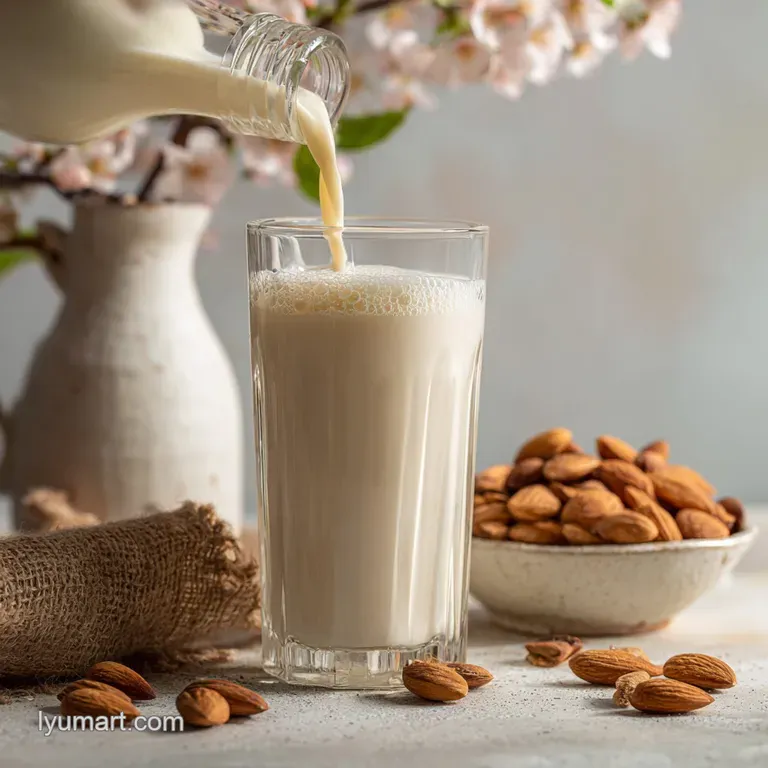
- Time: Active 10 minutes, Passive 8 hours, Total 8 hours 10 minutes
- Flavor/Texture Hook: Velvety, creamy, and subtly sweet
- Perfect for: Morning coffee, cereal, and dairy-free baking
- The Science of Creamy Emulsions
- Planning Your Prep Flow
- Essential Components for Better Flavor
- Gather Your Nut Milk Tools
- The Perfect Extraction Method
- Fixing Common Textural Issues
- Flavor Variations and Substitutes
- Freshness and Waste Reduction
- Best Ways to Serve
- Debunking Nut Milk Myths
- Almond Milk FAQs
- 📝 Recipe Card
The Science of Creamy Emulsions
The Extraction Mechanics: High speed blades shear the almond fats and proteins into microscopic droplets that suspend in water. The addition of a tiny bit of salt helps stabilize these particles by neutralizing surface charges, preventing them from clumping together too quickly.
1. The Osmosis Effect
When you soak your almonds, you aren't just softening them for the blender. Water moves into the cellular structure of the nut, expanding the fibers and making the fats easier to release. This "activation" also neutralizes phytic acid, which some find makes the milk easier on the stomach.
2. High Speed Shearing Forces
To make almond milk with a professional mouthfeel, you need a blender that can move fast enough to create a stable emulsion. The blades don't just cut; they create a vortex that forces water and almond oils to bind into a uniform liquid that stays creamy rather than separating instantly.
3. Micron Filtration Mechanics
Using a dedicated nut milk bag is non negotiable for that "velvety" finish. While a fine mesh sieve works in a pinch, it leaves behind larger silt particles that feel dusty on the tongue. The tight weave of the bag catches everything but the liquid, resulting in a cleaner pour.
| Method | Total Time | Texture | Best For |
|---|---|---|---|
| Soaked (Classic) | 8 hours | Ultra creamy | Coffee & Drinking |
| Quick Soak | 45 minutes | Slightly thinner | Smoothies & Baking |
| No Soak | 10 minutes | Grainy/Gritty | Emergency use only |
While the classic method takes longer, the flavor payoff is significant because the almonds have time to fully hydrate. If you are in a rush, use the quick soak method with boiling water to soften the skins faster.
Planning Your Prep Flow
When we want to make almond milk at home, timing is everything. I usually start the soak before I go to bed. By the time the coffee pot is whistling the next morning, the almonds are plump and ready for their transformation. It fits perfectly into a weekend routine.
| Component | Science Role | Pro Secret |
|---|---|---|
| Raw Almonds | Fat & Protein Source | Use organic to avoid pasteurization chemicals |
| Filtered Water | Extraction Medium | Cold water keeps the milk fresh longer |
| Sea Salt | Flavor Enhancer | Sharpens the nuttiness without tasting salty |
| Medjool Dates | Natural Emulsifier | Provides body and a caramel like sweetness |
Adding the dates doesn't just sweeten the milk; the natural sugars and fibers in the fruit help the water and oil stay together. Think of it as a natural stabilizer that replaces the weird gums found in the store-bought stuff.
Essential Components for Better Flavor
To get the best results, you need to start with high-quality basics. If your almonds have been sitting in the back of the pantry for a year, your milk will taste like cardboard. Freshness is the most important "ingredient" here.
- 1 cup (145g) Organic Raw Almonds: Ensure they are unroasted and unsalted. Why this? Roasting changes the fat structure, preventing a smooth emulsion.
- 3 cups (710ml) Filtered Water: The cleaner the water, the purer the almond taste. Why this? Chlorine in tap water can ruin the delicate nut flavor.
- 1 pinch Fine Sea Salt: Just enough to wake up the flavors.
- 1/2 tsp Pure Vanilla Bean Paste: Adds those beautiful little black specks and deep aroma.
- 2 Medjool Dates, pitted: These provide a soft, round sweetness that lingers.
If you don't have dates, you can swap them for a tablespoon of maple syrup. However, the dates provide a certain "weight" to the milk that liquid sweeteners lack. For a deeper profile, you can even add a tiny pinch of cinnamon.
Gather Your Nut Milk Tools
You don't need a kitchen full of gadgets, but a few specific items make the process much less frustrating. I once tried to strain almond milk through a clean t shirt, and let’s just say it was a laundry disaster I'd like to help you avoid.
- High Speed Blender: Brands like Vitamix or Blendtec are ideal for getting that total extraction.
- Nut Milk Bag: A fine nylon mesh bag is the gold standard for a smooth result.
- Large Glass Bowl: To catch the milk as you squeeze the bag.
- Glass Storage Jar: A 1 litre mason jar or swing top bottle works perfectly.
Chef Tip: If you don't have a nut milk bag, use a double layer of cheesecloth, but be prepared to squeeze gently so you don't rip the fabric.
The Perfect Extraction Method
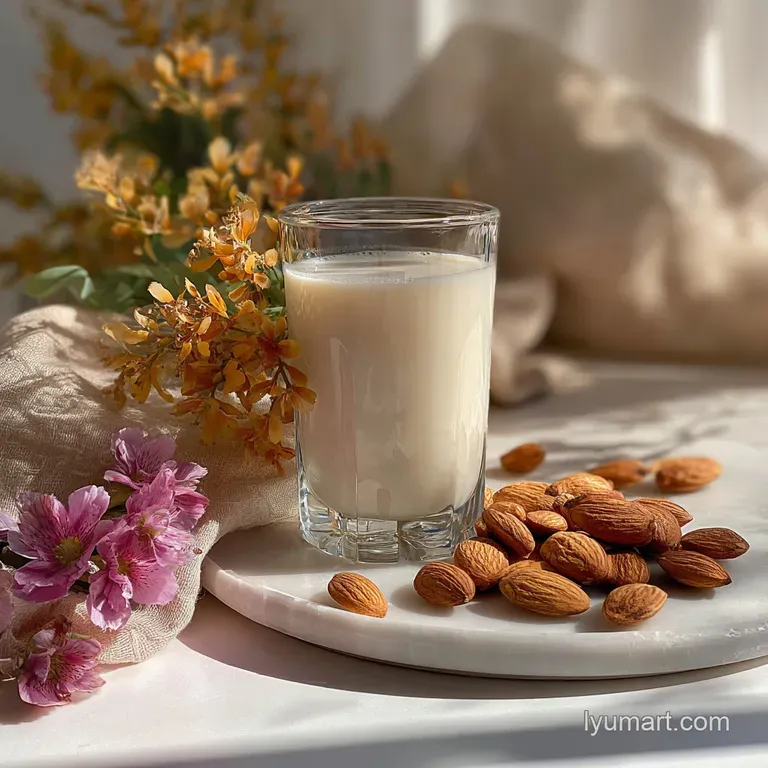
Now we get to the fun part. The process of how to make almond milk from scratch is actually very therapeutic. There is something about the ritual of rinsing the nuts and watching the liquid turn snowy white that feels like real kitchen magic.
- Place 1 cup (145g) Organic Raw Almonds in a bowl and cover with water. Soak for 8 to 12 hours. Note: This softens the nuts and yields more milk.
- Drain and rinse the almonds thoroughly under cold running water until the water runs clear.
- Transfer the rinsed almonds to your blender and add 3 cups (710ml) Filtered Water.
- Add the 1 pinch Fine Sea Salt, 1/2 tsp Pure Vanilla Bean Paste, and 2 Medjool Dates.
- Secure the lid and blend on the highest speed for 60 to 90 seconds until the liquid is white and frothy.
- Place your nut milk bag over a large bowl and carefully pour the blender contents into the bag.
- Gather the top of the bag and squeeze with your hands until all the liquid is extracted and only dry pulp remains.
- Pour the fresh milk into a glass jar and chill immediately.
If you find yourself making this for a crowd, you can easily double the recipe. Just be careful not to overfill your blender. If you are using this milk for my Overnight Oats for recipe, you can leave it slightly thicker by using only 2.5 cups of water.
Fixing Common Textural Issues
Even the best of us run into a "failed" batch every now and then. Usually, it’s a simple fix. Don't throw it out just because it looks a little funky in the fridge; that’s actually a sign that you made it correctly without artificial stabilizers!
The separation anxiety
Natural almond milk will separate. The heavier solids and fats will settle at the bottom while the water sits on top. This is completely normal. Give the jar a vigorous shake for five seconds before you use it, and it will be as good as new.
The coffee curdling problem
If your milk curdles when you pour it into hot coffee, it’s usually due to the acidity of the beans or the temperature shock. To prevent this, try warming the milk slightly before adding it to your cup, or use a lower acid coffee roast.
| Problem | Root Cause | Solution |
|---|---|---|
| Bitter Aftertaste | Rancid almonds | Taste a soak nut before blending; discard if sour |
| Gritty Mouthfeel | Poor straining | Strain a second time through a clean bag |
| Milk is too thin | Too much water | Use a 1:2 ratio of almonds to water next time |
Common Mistakes Checklist
- ✓ Using roasted almonds instead of raw (results in a "cooked" flavor and less creaminess)
- ✓ Forgetting to rinse the soaking water away (this water contains the bitter tannins from the skins)
- ✓ Squeezing the bag too aggressively (can force pulp through the mesh, making it gritty)
- ✓ Not adding salt (salt is essential to make almond milk taste better and more balanced)
- ✓ Storing in plastic (plastic can leach flavors into the delicate milk; always use glass)
Flavor Variations and Substitutes
Once you’ve mastered the base recipe, you can start playing around. This is where you can really make the recipe your own. I personally love a chocolate version for a late night treat, or a golden version when I'm feeling like I need a bit of a wellness boost.
- The Golden Variation: Add 1/2 tsp turmeric, 1/4 tsp ginger, and a pinch of black pepper to the blender.
- Chocolate Malt Style: Add 2 tbsp unsweetened cocoa powder and an extra date for a rich treat.
- The Savory Base: Omit the vanilla and dates if you want to make almond milk easy to use in soups or savory sauces.
| Original Ingredient | Substitute | Why It Works |
|---|---|---|
| Medjool Dates | Maple Syrup (1 tbsp) | Provides sweetness but lacks the fiber rich body of dates. |
| Vanilla Paste | Vanilla Extract (1 tsp) | Same flavor, but you lose the visual "specks" of the bean. |
| Raw Almonds | Cashews (raw) | Creates an even creamier milk that requires no straining. |
If you are wondering how many almonds to make 1 litre almond milk, this recipe hits right around that mark depending on how hard you squeeze. If you want it even richer, you can reduce the water to 2 cups, which creates something closer to an almond "creamer."
Freshness and Waste Reduction
Because this milk has no preservatives, it has a shorter shelf life than the stuff from the store. You’ll want to keep it at the very back of the fridge where it’s coldest. Typically, it stays fresh for 3 to 5 days.
You'll know it's gone off if it smells sour or the jar lid starts to bulge from fermentation.
Zero Waste Tip: Do not throw away that almond pulp! It is essentially almond flour that is still full of fiber. I spread it out on a baking sheet and dry it in a low oven (200°F) for about 2 hours. Once it's dry, you can pulse it in a food processor and use it in my Peanut Butter Balls recipe for added texture. You can also freeze the wet pulp in ice cube trays to throw into smoothies later.
To scale the recipe up, you can do a double batch, but make sure your blender can handle it. When doubling, I suggest only using 1.5x the salt and vanilla, as those flavors can become overwhelming when scaled linearly.
If you want to make almond milk without nut bag, you can try using a very clean linen kitchen towel, though it takes a bit more "muscle" to get the liquid out.
Best Ways to Serve
Fresh almond milk is a revelation when served ice cold. There is a crispness to it that works beautifully with spicy foods or heavy desserts. I love using it as a base for a matcha latte because the nuttiness of the almonds complements the earthy tea perfectly.
If you’re feeling fancy, froth it up! Because of the natural fats in this homemade version, it actually foams much better than the store-bought "Barista" versions that are full of oil. Use a hand frother or the steam wand on your espresso machine to create a thick, stable foam for your morning cappuccino.
It's also the perfect liquid for soaking oats or chia seeds, as the richness carries through even after a night in the fridge.
- The "Morning Ritual": Pour over granola with fresh berries and a drizzle of honey.
- The "Post Workout": Blend with a frozen banana and a scoop of protein powder.
- The "Cozy Night": Heat with a cinnamon stick and a star anise for a warm, spiced milk.
Pro Precision Checkpoints
- Soak Time: 8 hours minimum (for complete hydration and enzyme neutralization).
- Blend Speed: Level 10 (Highest) for exactly 60 seconds (to ensure full fat extraction).
- Extraction: Squeeze until the pulp feels like damp sand (this ensures you got all the "cream").
Debunking Nut Milk Myths
There are a lot of old wives' tales about making your own milk. Let's clear a few things up so you don't waste your time on steps that don't matter.
Myth: You must peel the almonds. This is a huge waste of time. While some people think the skins make the milk bitter, the bitterness actually comes from the soaking water.
As long as you rinse the almonds thoroughly after soaking, the skins won't affect the flavor, and the nut milk bag will catch them all anyway.
Myth: Raw almonds are truly "raw". In the United States, even almonds labeled "raw" are usually pasteurized by law (either via steam or PPO). This doesn't mean you can't use them to make almond milk, but it does mean they won't "sprout" like a truly raw seed.
They still make a fantastic, creamy milk regardless of the pasteurization method.
Myth: You need a $500 blender. While a high speed blender makes the smoothest milk, you can absolutely use a standard kitchen blender. You might just need to blend for an extra minute and be prepared for a slightly lower yield, as the extraction won't be quite as efficient.
It still beats store-bought every single time.
Almond Milk FAQs
How do they make almond milk?
Soaked almonds are blended with water and then strained. Raw almonds are first soaked to soften them and make them easier to blend. They are then combined with filtered water in a high speed blender, pulsed until smooth, and finally strained through a nut milk bag to separate the liquid from the pulp.
How to make pure almond milk at home?
Soak 1 cup of raw almonds for 8-12 hours. Drain and rinse them, then blend with 3 cups of filtered water, a pinch of salt, and optional sweetener like dates until smooth. Strain the mixture through a nut milk bag, squeezing out all the liquid. Store chilled for up to 5 days.
How much almond milk does 1 cup of almonds make?
Typically around 3-4 cups. The exact amount depends on how much water you use during blending and how vigorously you squeeze the pulp. Using 3 cups of water will generally yield about 3 cups of milk, but pressing firmly can extract a bit more liquid.
Is it cheaper to make your own almond milk?
Yes, usually. While the initial cost of almonds can seem high, when you factor in the yield and compare it to the price of store-bought almond milk, making it at home is often more economical, especially if you buy almonds in bulk.
Do I need to peel almonds for almond milk?
No, peeling is not necessary. The skins can contain some bitterness, but this is mostly removed by rinsing the almonds thoroughly after soaking. A nut milk bag will effectively strain out any skin fragments, so skipping this step saves time and effort.
Can I use roasted almonds to make almond milk?
No, stick with raw almonds. Roasted almonds have a different fat structure and flavor profile that won't create the same smooth, creamy emulsion. They can also lead to a "cooked" taste rather than the fresh, nutty flavor you want in almond milk.
Why does my homemade almond milk separate?
Separation is natural for homemade almond milk. Unlike commercial versions with stabilizers, homemade milk will naturally separate over time as the fats and solids settle. Simply shake the jar vigorously for a few seconds before each use to re-emulsify it.
Almond Milk Homemade
Ingredients:
Instructions:
Nutrition Facts:
| Calories | 152 kcal |
|---|---|
| Protein | 4.8 g |
| Fat | 11.2 g |
| Carbs | 10.4 g |
| Fiber | 1.8 g |
| Sugar | 7.2 g |
| Sodium | 98 mg |
