Blackened Salmon: Velvety Inside
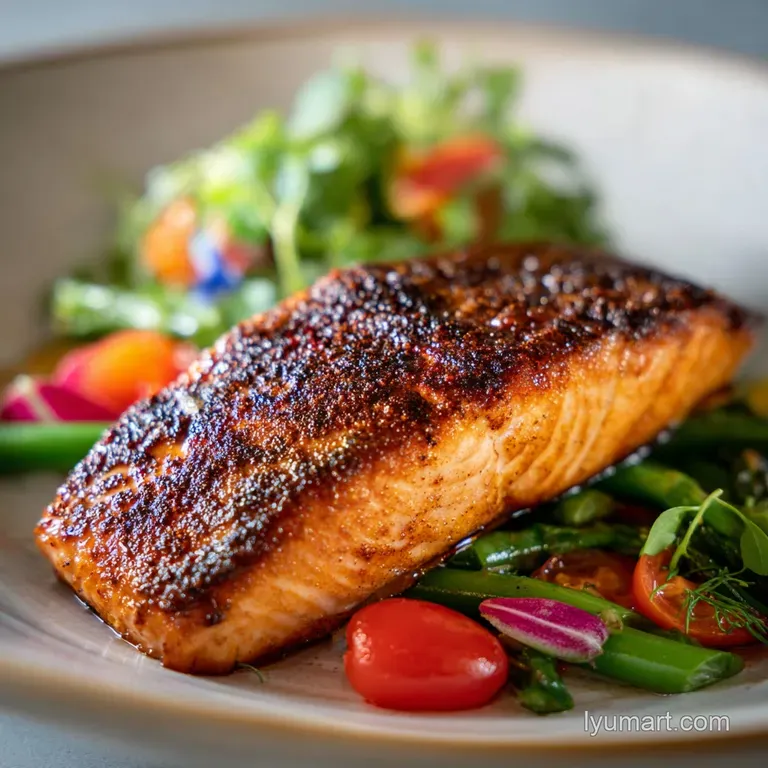
- Time: Active 5 minutes, Passive 8 minutes, Total 13 minutes
- Flavor/Texture Hook: A smoky, spiced crust that provides a satisfying shatter against velvety, buttery fish.
- Perfect for: A fast weeknight dinner that feels like a special treat without the fuss.
- Achieving the Perfect Crust with Blackened Salmon
- Quick Weeknight Dinner Flavor Profile
- Why This Simple Method Works
- Essential Recipe Specifications and Times
- Fresh Ingredients for Bold Flavor
- Tools for a Flawless Sear
- Key Steps for Kitchen Success
- Pro Tips for Flaky Results
- Easy Dietary and Flavor Adaptations
- Storing and Reheating Your Leftovers
- What to Serve with Salmon
- Dispelling Common Cooking Myths
- Recipe FAQs
- 📝 Recipe Card
Achieving the Perfect Crust with Blackened Salmon
I still remember the first time I tried making this at home. I had just come back from a trip down South and was craving that smoky, dark crust that seemed to magically keep the fish perfectly tender inside. I cranked my stove to high, tossed the fish in, and within thirty seconds, my smoke alarm was screaming at me.
I realized then that "blackened" doesn't mean "burnt to a crisp," it means a controlled, beautiful char created by spices and fat.
Once I figured out the balance of heat and the right oil, it became a staple in my house. My family loves how the spices form a savory shell that literally cracks when you poke it with a fork.
It's one of those foolproof recipes I pull out when I've had a long day but still want something that tastes like it came out of a professional kitchen. Plus, the aroma of toasted paprika and garlic filling the house is enough to bring everyone to the table without being asked twice.
The trick is all in the preparation and the pan. You don't need fancy skills, just a bit of confidence when that fish hits the hot oil and starts to sizzle. If you have ever struggled with soggy fish or spices that just won't stick, this is the guide for you.
We are going to go through the flow of prepping the rub, searing it correctly, and making sure the center stays juicy. Trust me, once you master this, you won't want to cook salmon any other way.
Quick Weeknight Dinner Flavor Profile
This dish is all about the contrast between the bold, earthy rub and the naturally rich fat of the fish. Unlike a traditional Baked Salmon with Lemon recipe where the flavors are bright and citrus forward, blackening relies on the Maillard reaction. This chemical process happens when the proteins and spices hit high heat, turning the exterior into a crust that is deep mahogany, almost black, but packed with savory notes rather than bitterness.
The texture is the real star here. You get a distinct "shatter" when you first bite into it, followed immediately by the buttery, soft interior of the center cut fillets. It isn't just a meal; it's a sensory experience that hits every part of your palate.
The heat from the cayenne is present but balanced by the sweetness of the smoked paprika and the herbal notes of thyme and oregano.
Why This Simple Method Works
- High Point Heat Transfer: Avocado oil has a high smoke point, allowing the pan to get hot enough to char the spices without breaking down the oil into bitter compounds.
- Spice Barrier Insulation: The thick layer of dry spices acts as an insulator, protecting the delicate fish proteins from direct heat and preventing them from overcooking and becoming rubbery.
- Moisture Retention: By searing the exterior quickly, we create a seal that keeps the internal juices from evaporating, ensuring a velvety texture every time.
- Fat Soluble Flavor Release: The heat of the oil unlocks the aromatic compounds in the dried herbs and garlic, blooming them instantly for maximum flavor impact.
| Fillet Thickness | Internal Temp | Rest Time | Visual Cue |
|---|---|---|---|
| 0.5 inch | 145°F | 2 mins | Opaque throughout |
| 1 inch | 145°F | 3 mins | Center barely flakes |
| 1.5 inches | 145°F | 5 mins | Side fat begins to bubble |
Choosing the right thickness is the easiest way to control your dinner. I always aim for 1 inch thick fillets because they give you enough time to get a really good crust without the center drying out before the outside is done.
If you're working with thinner pieces, you'll need to move fast and maybe even turn the heat up just a hair more to get that char quickly.
Essential Recipe Specifications and Times
We aren't spending all night in the kitchen with this one. The total time from "I'm hungry" to "dinner is served" is only 13 minutes. You spend about 5 minutes mixing spices and patting the fish dry, and the actual cooking takes roughly 8 minutes depending on your stove's power.
It is a high intensity, short duration cook that requires you to stay by the stove, but the payoff is worth the focus.
Because we are working with high heat, I recommend having your side dishes ready or nearly finished before the fish hits the pan. The salmon won't wait for the rice to finish steaming. This recipe is designed for 4 servings, using 6 oz fillets, which is the standard size for a satisfying protein portion.
If you're feeding a larger crowd, work in batches so you don't crowd the pan and lose that precious sizzle.
Fresh Ingredients for Bold Flavor
Component Analysis
| Ingredient | Science Role | Pro Secret |
|---|---|---|
| Salmon Fillets | Protein Structure | Choose center cut for even thickness and consistent cook times. |
| Smoked Paprika | Pigment & Flavor | Provides the deep red black color and a wood fired aroma without a grill. |
| Avocado Oil | Heat Conductor | Its high smoke point prevents the kitchen from filling with acrid smoke. |
| Sea Salt | Moisture Draw | Draws just enough surface moisture to help the spices "glue" to the flesh. |
For the Signature Spice Rub
- 1.5 tbsp Smoked Paprika: Why this? Essential for that deep, smoky color and earthy base flavor.
- Substitute: Regular sweet paprika plus a drop of liquid smoke.
- 1 tsp Garlic Powder: Why this? Distributes flavor more evenly than fresh garlic, which would burn instantly.
- Substitute: Onion powder (though the flavor profile will shift slightly).
- 1 tsp Onion Powder: Why this? Adds a savory, rounded sweetness to the crust.
- Substitute: Shallot powder if you have it.
- 1 tsp Dried Thyme: Why this? Provides a woody, floral note that cuts through the fat.
- Substitute: Dried oregano (doubled).
- 1 tsp Dried Oregano: Why this? Adds an earthy bitterness that complements the paprika.
- Substitute: Dried marjoram.
- 0.5 tsp Cayenne Pepper: Why this? Just enough heat to tingle the tongue without overpowering the fish.
- Substitute: Red pepper flakes (crushed fine) or chipotle powder.
- 1 tsp Sea Salt: Why this? Enhances every other spice in the blend.
- Substitute: Kosher salt (use 1.5 tsp as grains are larger).
- 0.5 tsp Cracked Black Pepper: Why this? Adds a sharp, pungent bite to the crust.
- Substitute: White pepper for a more subtle heat.
For the Salmon
- 4 (6 oz) salmon fillets, center cut: Why this? Uniform shape ensures every piece finishes at the exact same time.
- Substitute: Rainbow trout or Arctic char.
- 1.5 tbsp Avocado Oil: Why this? High smoke point is non negotiable for this over high heat method.
- Substitute: Ghee (clarified butter) for a richer, nutty flavor.
- 1 lemon, cut into wedges: Why this? The acid cuts through the heavy spices and fat perfectly.
- Substitute: Lime wedges.
- 1 tbsp fresh parsley, minced: Why this? Adds a pop of color and a fresh finish.
- Substitute: Fresh chives or cilantro.
| Original Ingredient | Substitute | Why It Works |
|---|---|---|
| Avocado Oil | Ghee (Clarified Butter) | High smoke point and adds a rich, toasted flavor. |
| Cayenne Pepper | Smoked Paprika (extra) | Reduces heat while maintaining the deep color and smokiness. |
| Sea Salt | Soy Sauce (brush on) | Adds salt and umami. Note: May cause the crust to be softer. |
When you are choosing your fish, look for fillets that have a vibrant color and feel firm to the touch. If the fish looks "gaping" (the muscle fibers are separating), it's likely been handled roughly or is older. Freshness is the foundation of the flavor here, so don't settle for less.
Tools for a Flawless Sear
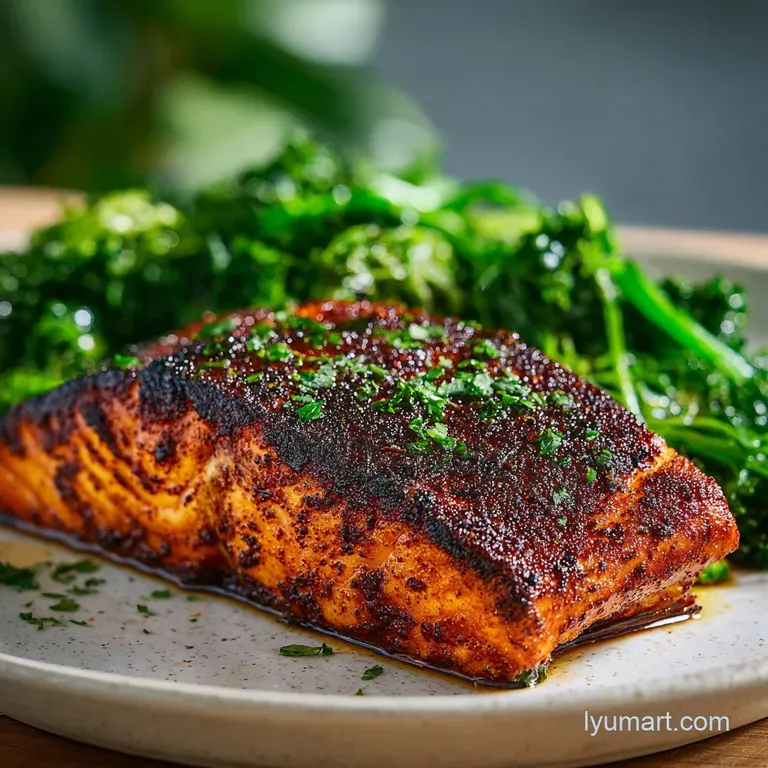
The absolute best tool for this job is a heavy cast iron skillet (like a Lodge). Cast iron retains heat better than any other material, meaning when you drop a cold piece of fish into it, the temperature doesn't plummet. This is vital for achieving that immediate sizzle and sear.
If you don't have cast iron, a heavy bottomed stainless steel pan will work, but avoid non stick pans at these high temperatures as they can release fumes and won't give you the same crust.
You'll also want a thin, flexible fish spatula. This allows you to get under the crust without breaking it. Standard plastic spatulas are often too thick and will just push the fish around, potentially peeling off the rub you worked so hard to apply. Finally, an instant read thermometer is your best friend.
It takes the guesswork out of doneness, ensuring you never serve a dry piece of salmon again.
Key Steps for Kitchen Success
- Dry the fish. Pat the 4 (6 oz) salmon fillets thoroughly with paper towels. Note: Surface moisture creates steam, which prevents the crust from forming.
- Mix the rub. Combine 1.5 tbsp smoked paprika, 1 tsp garlic powder, 1 tsp onion powder, 1 tsp dried thyme, 1 tsp dried oregano, 0.5 tsp cayenne, 1 tsp sea salt, and 0.5 tsp black pepper in a small bowl.
- Coating the fillets. Press the spice mixture firmly onto the flesh side of each fillet. Note: Use the back of a spoon to ensure the spices adhere well.
- Heat the pan. Place your skillet over medium high heat and add 1.5 tbsp avocado oil, waiting until it shimmers.
- Start the sear. Carefully place the salmon fillets in the pan, spice side down.
- Monitor the sizzle. Cook for 3 to 4 minutes until the edges look dark and the crust feels firm. Note: Don't move the fish until the crust naturally releases from the pan.
- Flip carefully. Turn the fillets over to the skin side.
- Finish the cook. Continue cooking for another 3 to 4 minutes until the fish reaches an internal temperature of 145°F.
- The final touch. Remove from heat and squeeze a lemon wedge over the fillets.
- Garnish and serve. Sprinkle with 1 tbsp fresh parsley and serve immediately while the crust is at its peak.
Chef's Tip: If you want an even deeper flavor, let the spiced fillets sit at room temperature for 10 minutes before cooking. This allows the salt to penetrate the flesh and the spices to hydrate slightly, sticking better to the fish.
Pro Tips for Flaky Results
One unconventional trick I love is freezing my butter for 10 minutes and then grating a tiny bit over the fish right after flipping it. The butter melts into the spice crust, adding a velvety richness that makes it feel like a restaurant dish. Also, try to leave the skin on.
Even if you don't plan on eating it, the skin acts as a protective layer during the second half of the cook, keeping the most delicate part of the fish from getting direct heat for too long.
Rub Not Sticking Correctly
If you find your spices are staying in the pan instead of on the fish, you likely didn't dry the salmon enough or your pan wasn't hot enough. Moisture is the enemy of a good sear. Always use a paper towel to get that surface bone dry before you ever touch the spices.
Also, make sure the oil is shimmering; if it's cold, the spices will just soak up the oil and turn into a paste that slides off.
Managing Excessive Kitchen Smoke
Blackening creates smoke there is no way around it. To keep your kitchen from looking like a bonfire, ensure you are using avocado oil or ghee. Avoid olive oil or butter for the initial sear, as they have low smoke points and will burn.
Turn on your exhaust fan to its highest setting and, if possible, crack a window before you start.
| Problem | Root Cause | Solution |
|---|---|---|
| Bitter taste | Spices burnt or low smoke point oil used | Reduce heat slightly or switch to avocado oil. |
| Soggy crust | Pan crowded or fish was wet | Cook in batches and pat fish dry with paper towels. |
| Fish sticking | Flipped too early | Wait for the crust to naturally release from the pan. |
Using Frozen Fish Fillets
You can absolutely use frozen salmon, but you must thaw it completely in the refrigerator overnight. If there are any ice crystals left inside, they will turn to steam in the pan, and you'll end up with a boiled texture rather than a blackened one.
Once thawed, treat it exactly like fresh fish dry it well and spice it generously.
- ✓ Pat the salmon completely dry on all sides before seasoning.
- ✓ Press the spices into the flesh with your palm to ensure contact.
- ✓ Preheat the cast iron for at least 3 to 5 minutes.
- ✓ Don't touch the fish for the first 3 minutes of searing.
- ✓ Use a thermometer to hit exactly 145°F for the best texture.
Easy Dietary and Flavor Adaptations
This recipe is naturally very friendly to different diets. Since it relies on dry spices and oil, it's already gluten-free, dairy-free, and perfect for Keto or Paleo lifestyles. If you want to make it even more Mediterranean style, you could swap the avocado oil for a high-quality gluten-free Baked Cod recipe approach, though the high heat still requires a stable oil.
Healthy Keto and Paleo Options
To keep this strictly Paleo, ensure your spices don't have any added anti caking agents or sugars. Most high-quality individual spices are fine, but pre mixed "Blackening Seasoning" sometimes contains cornstarch. Stick to the individual ingredients listed here, and you are good to go.
For Keto, this is a dream meal because of the high healthy fat content in the salmon and avocado oil.
Low Sodium Flavor Tweaks
If you are watching your salt intake, you can still get a massive flavor punch. Increase the smoked paprika to 2 tablespoons and add a half teaspoon of dried mustard powder. The mustard adds a sharp "zing" that mimics the bite of salt.
You can also increase the lemon juice at the end, as acidity is a great way to wake up flavors when salt is missing.
Storing and Reheating Your Leftovers
Salmon is always best fresh, but you can keep leftovers in the fridge for up to 3 days. Store them in a shallow, airtight container once they have cooled to room temperature. I don't recommend freezing cooked blackened salmon, as the texture of the crust will become mushy upon thawing, and the fish can get quite dry.
When reheating, avoid the microwave at all costs it will turn your beautiful fish into a rubbery mess. Instead, place the fillets in a pan over medium low heat with a splash of water and cover with a lid. This gently steams the fish back to temperature without ruining the crust. You can also flake the cold leftovers over a salad or use them in a Spicy Salmon Sushi recipe for a completely different meal the next day.
What to Serve with Salmon
Light and Zesty Sides
Since the blackened crust is so bold and heavy on the palate, I usually pair it with something bright. A simple cucumber and red onion salad with a vinegar dressing works wonders. You could also serve it alongside some roasted asparagus or a light quinoa pilaf.
The goal is to provide a refreshing counterpoint to the smoky heat of the fish.
Hearty Bistro Side Options
If you want a more filling meal, go with garlic mashed potatoes or a wild rice blend. The creaminess of potatoes is a classic match for the spice rub. If you're feeling adventurous, a drizzle of Eel Sauce Recipe can add a sweet and salty glaze that plays off the smokiness of the paprika beautifully, giving it a fusion twist.
| Method | Time | Texture | Best For |
|---|---|---|---|
| Stovetop | 8 mins | Maximum shatter/crust | Quick, traditional results |
| Oven | 12 mins | Even, soft flake | Cooking for a large crowd |
| Air Fryer | 10 mins | Very crispy | Hands off convenience |
If you want X, do Y: If you want a milder heat, reduce the cayenne to 1/4 teaspoon. If you want a smokier depth, double the amount of smoked paprika. If you want a crispier shatter, press the spices firmly with a spoon and don't move the fish while it sears.
Dispelling Common Cooking Myths
One of the biggest myths is that you need to drench the fish in melted butter before applying the spices. While some traditional Cajun recipes do this, it often leads to a soggy crust that slides off in the pan.
A dry rub applied to dry fish actually adheres better and creates a much more distinct "snap." The natural fats in the salmon will render out and mix with the spices anyway.
Another misconception is that the "black" in blackened salmon is actually burnt spices. In reality, it is a combination of the dark red paprika toasted to a deep mahogany and the Maillard reaction of the proteins. If it tastes bitter or like ash, the heat was too high or you used the wrong oil.
A perfect blackened fillet should taste savory and rich, not like a campfire.
Finally, people think you have to use a "blackening" specific spice mix. You don't! Making your own, like we do here, allows you to control the salt and the heat levels. Most store-bought mixes are 50% salt anyway.
By mixing your own, you ensure that every bite is packed with actual herbs and spices rather than just sodium. It’s a simple change that makes a massive difference in the final result.
Recipe FAQs
Is blackened salmon healthy for you?
Yes, primarily. Blackening is a high heat sear that locks in omega-3s, making it healthier than deep frying. The main health consideration is ensuring you use a high smoke point oil like avocado, as heavily charred or burnt spices can contain undesirable compounds.
What seasoning is used for blackened salmon?
A specific blend of dried spices is essential. This typically includes smoked paprika for color, cayenne for heat, garlic powder, onion powder, thyme, and oregano. Making your own rub lets you control the sodium level precisely.
Is blackened fish healthy for weight loss?
It can be, depending on portion size and sides. Salmon is rich in protein and healthy fats, which promote satiety, aiding in weight management. Avoid serving it with creamy, high carb sides; pairing it with a salad, similar to our Creamy Cucumber Salad recipe, keeps the meal light and balanced.
What is the healthiest way to eat salmon?
Searing with minimal fat or baking lightly are the healthiest methods. Blackening is excellent because it uses fat primarily for heat transfer rather than deep frying, preserving most nutrients. If you prefer oven cooking, check out our guide on Baked Salmon with Lemon recipe for bright, low-fat alternatives.
Why is my blackened salmon crust tasting bitter?
False. The bitterness usually comes from scorched spices or low-smoke point oil. If the pan is too hot without enough stable fat, the spice proteins burn, resulting in an ashy taste. Make sure your oil shimmers before the fish hits the pan and aim for a deep mahogany, not burnt black.
How do I prevent the spice rub from burning before the fish cooks through?
Apply a generous, thick layer of spices and use a high smoke point oil. The dry spice layer acts as an insulator protecting the flesh, but you must use oil like avocado or ghee that can handle high temperatures without breaking down immediately.
What is the secret to keeping the inside of the salmon juicy while getting a hard sear?
Use a heavy cast iron skillet heated to precise, consistent high heat. The heavy metal transfers energy rapidly to create an immediate crust, sealing moisture inside before the heat can penetrate too far. Mastering this technique is similar to managing high hydration dough; temperature precision is key, as detailed in our German Food Sauerbraten recipe guide for slow cooking equilibrium.
Blackened Salmon In 13 Minutes
Ingredients:
Instructions:
Nutrition Facts:
| Calories | 298 calories |
|---|---|
| Protein | 34.5 g |
| Fat | 16.2 g |
| Carbs | 2.8 g |
| Fiber | 1.1 g |
| Sugar | 0.3 g |
| Sodium | 612 mg |
