Cedar Plank Salmon with Maple Glaze
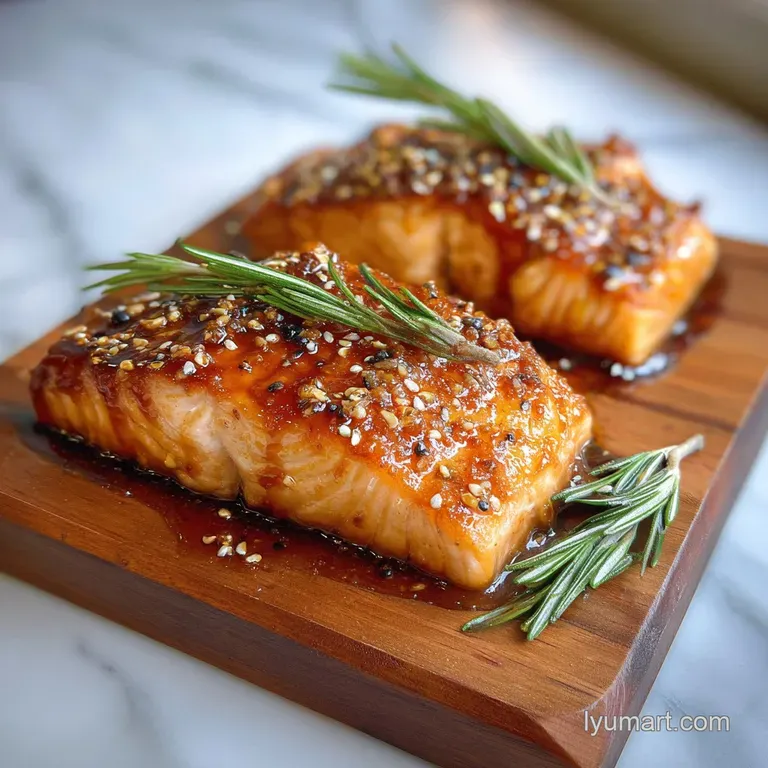
- Time: Active 15 minutes, Passive 2 hours 15 mins, Total 2 hours 30 mins
- Flavor/Texture Hook: Smoky, mahogany glazed exterior with a buttery, flaky center
- Perfect for: Weekend family BBQs or an impressive but easy weeknight dinner
- Smoky Mahogany Glazed Cedar Plank Salmon
- Wood Steam Jacket Science
- Essential Recipe Specifications and Metrics
- Flavor Components and Ingredient Analysis
- Required Tools for Successful Grilling
- Detailed Steps for Perfect Results
- Solving Common Salmon Cooking Issues
- Tasty Variations and Smart Substitutions
- Storage and Smart Leftover Ideas
- Serving Suggestions and Pairing Ideas
- High in Sodium
- Recipe FAQs
- 📝 Recipe Card
Smoky Mahogany Glazed Cedar Plank Salmon
Right then, let's talk about the first time I actually got this right. I used to be terrified of grilling fish. It usually ended with half the skin cemented to the grates and me crying over a pile of shredded, dry salmon flakes. Then I discovered the plank.
I remember the exact smell that deep, forest like aroma of wet cedar hitting the hot coals. It wasn't just cooking; it was like the wood was whispering flavor directly into the fillets.
The result was a total shift in how my family eats. Instead of a grey, overcooked block, we had this glistening, mahogany hued side of salmon that basically melted the second it hit your tongue.
It’s the kind of meal that looks like you spent hours over a hot flame, but honestly, the wood does about eighty percent of the heavy lifting for you. We’re going for that deep, tacky glaze and a center that stays pink and luscious.
You don't need a culinary degree to pull this off, just a little bit of patience with a bucket of water and a cedar board. This recipe relies on basic pantry staples like maple syrup and mustard, but the way they interact with the smoke is pure magic.
We are moving away from the "hope for the best" method and leaning into a technique that delivers every single time. Trust me on this, once you go the cedar route, you'll never want to cook salmon any other way.
Wood Steam Jacket Science
Thermal Buffering: The wet cedar acts as a physical shield, preventing the direct, aggressive heat of the grill from toughening the delicate protein fibers.
The Steam Jacket: As the plank heats, moisture trapped in the wood fibers evaporates upward, surrounding the fish in a humid micro climate that prevents drying.
Phenolic Transfer: Heat releases natural oils and aromatic compounds from the cedar, which are then carried by the steam and deposited onto the surface of the meat.
| Method | Time | Texture | Best For |
|---|---|---|---|
| Gas Grill | 20 minutes | Clean, smoky kiss | Quick weeknight dinners |
| Charcoal | 22 minutes | Deep, rustic char | Weekend flavor purists |
| Oven | 18 minutes | Soft, herb forward | Winter or rain days |
Cooking on a board isn't just a gimmick; it’s a temperature control strategy. By placing our 2 lbs salmon side on a saturated plank, we create a barrier that mimics a low temp smoker while still allowing the top to glaze beautifully. If you want a side dish that matches this energy, my Broccoli Casserole recipe provides a creamy contrast to the smoky fish.
Essential Recipe Specifications and Metrics
Before we start splashing water around, we need to look at the numbers that actually matter. Consistency comes from measurement, not guesswork. If your salmon side is thinner than an inch, you’ll need to shave a few minutes off the cook time to avoid that chalky texture we all hate.
Conversely, a thick King salmon fillet might need the full window to reach that shimmering, flaky state.
| Component | Metric | Science Role | Pro Secret |
|---|---|---|---|
| Cedar Plank | 2 hours soak | Humidity source | Use salt water to prevent scorching |
| Salmon Side | 2 lbs | Protein structure | Keep skin on to protect bottom |
| Maple Syrup | 1/3 cup | Sugar caramelization | Use Grade A for better flow |
| Grainy Mustard | 2 tbsp | Emulsifier | Holds the glaze to the fish |
Don't skip the soak time. I once tried to rush it with a thirty minute dip, and the board turned into a Roman candle within five minutes of hitting the grill. Give it the full two hours. The wood needs to be heavy and saturated so it can release steam throughout the entire cooking process.
It’s the difference between a gentle smoke and a kitchen fire.
Flavor Components and Ingredient Analysis
The beauty of this Cedar Plank Salmon lies in the balance of the glaze. We are combining the earthy sweetness of 1/3 cup pure maple syrup with the sharp, acidic bite of 2 tbsp grainy Dijon mustard. This creates a tacky surface that catches the smoke particles.
The addition of 1 tbsp soy sauce provides the salt and umami needed to deepen the color of the crust to that beautiful mahogany finish.
- 2 lbs salmon side, skin on: Why this? The skin acts as a final heat shield against the board. (Substitute: Steelhead trout)
- 1/3 cup pure maple syrup: Why this? High sugar content creates a thick, lacquer like glaze. (Substitute: Honey)
- 2 tbsp grainy Dijon mustard: Why this? Adds texture and prevents the glaze from sliding off. (Substitute: Smooth Dijon)
- 1 tbsp soy sauce: Why this? Provides salt and helps the Maillard reaction darken the fish. (Substitute: Tamari)
- 1 tsp freshly grated ginger: Why this? Cuts through the fat of the fish with a bright zing. (Substitute: 1/4 tsp ground ginger)
- 1 clove garlic, minced: Why this? Adds an aromatic depth to the sweet glaze. (Substitute: Garlic powder)
| Original Ingredient | Substitute | Why It Works |
|---|---|---|
| Maple Syrup (1/3 cup) | Honey (1/3 cup) | Similar viscosity. Note: Honey burns faster, so watch the heat. |
| Grainy Dijon (2 tbsp) | Yellow Mustard + 1 tsp seeds | Provides the same vinegar kick and texture. |
| Soy Sauce (1 tbsp) | Coconut Aminos (1 tbsp) | Slightly sweeter but offers the same dark color. |
When you’re mixing the glaze, make sure the 1 tsp freshly grated ginger is fine enough to incorporate. You don’t want to bite into a woody chunk of ginger while you're enjoying a velvety piece of fish. If you are looking for another sauce to keep in your back pocket, our Eel Sauce Recipe is another fantastic savory sweet option that works wonders on grilled proteins.
Required Tools for Successful Grilling
You don't need a garage full of gadgets, but a few specific items are non negotiable for this recipe. First, the planks. Look for untreated Western Red Cedar. If it smells like a lumber yard, it’s probably fine, but ensure it hasn't been chemically treated for construction use.
You’ll also need a large enough container to submerge the boards I usually use a clean baking sheet or a plastic storage bin weighted down with a couple of heavy bowls.
A reliable instant read thermometer is your best friend here. We are aiming for an internal Cedar Plank Salmon temperature of 135°F (57°C) for a medium finish.
The fish will continue to cook slightly once it's off the grill, landing at a perfect 140°F-145°F. Using your finger to "feel" for doneness is a great way to end up with overcooked fish. Trust the probe, not your intuition.
Chef's Tip: Freeze your ginger for 10 minutes before grating. It makes the fibers brittle, so it turns into a fine paste rather than a stringy mess in your glaze.
Finally,, have a spray bottle filled with water standing by. Even with a long soak, edges of the wood can catch a flame if the grill gets too hot. A quick spritz keeps the smoke gentle and prevents the board from becoming a charcoal briquette before the fish is done.
Detailed Steps for Perfect Results
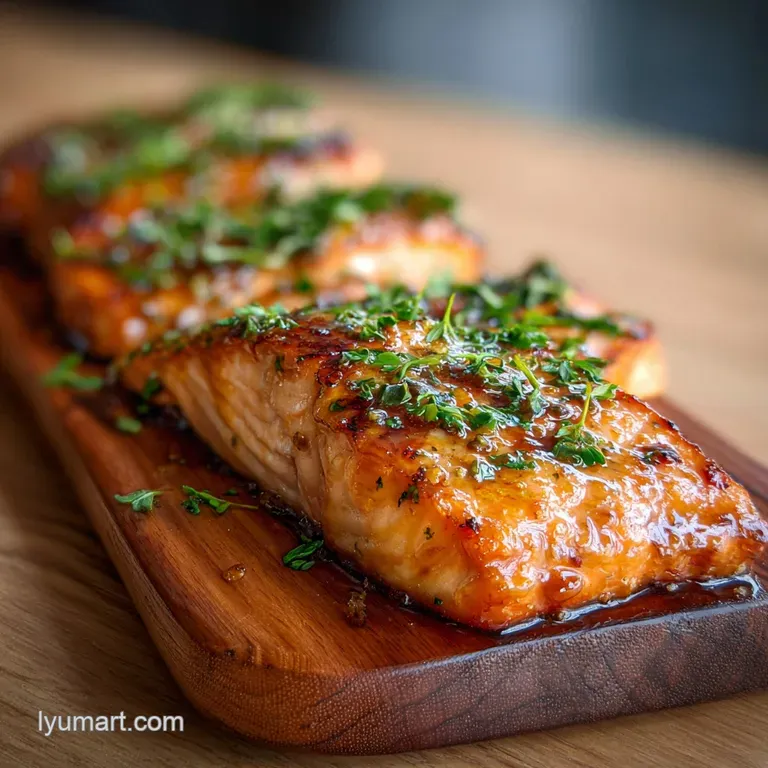
- Hydrate the wood. Submerge your cedar planks in water for at least 2 hours. Note: This prevents the wood from burning and provides the necessary steam.
- Prep the salmon. Pat the 2 lbs salmon side completely dry with paper towels. Note: Surface moisture prevents the glaze from sticking.
- Season the base. Rub 1 tbsp olive oil over the fish, then sprinkle with 1 tsp coarse sea salt and 1/2 tsp cracked black pepper.
- Whisk the glaze. In a small bowl, combine 1/3 cup maple syrup, 2 tbsp grainy Dijon, 1 tbsp soy sauce, 1 tsp ginger, and 1 minced garlic clove.
- Apply the lacquer. Brush half of the glaze over the salmon, then arrange the lemon slices on top.
- Preheat the grill. Bring your grill to medium high heat (about 400°F/200°C). Wait until the grates are hot.
- Toast the plank. Place the empty, wet plank on the grill for 3 minutes until it starts to crackle and smoke lightly.
- Add the fish. Carefully place the salmon side onto the smoking plank and close the grill lid.
- Glaze again. After 10 minutes, brush the remaining glaze over the fish and lemons.
- Pull to rest. Grill for another 10 minutes until the thickest part reaches 135°F and the meat flakes easily.
| Feature | Fresh Plank | Shortcut (Liquid Smoke) |
|---|---|---|
| Texture | Ultra moist steam finish | Standard baked texture |
| Aroma | Natural forest scent | Chemical/Artificial notes |
| Visuals | Rustic, charred wood | Plain baking dish |
Once the fish comes off the heat, let it rest on the plank for about 5 minutes. This allows the juices to redistribute so they don't all run out the moment you cut into it.
The lemon slices will have softened and caramelized, making them a perfect tangy garnish that you can actually eat right along with the meat.
Solving Common Salmon Cooking Issues
One of the biggest frustrations with Cedar Plank Salmon is the appearance of "white stuff" on the surface. That is albumin, a protein that gets pushed out of the muscle fibers when they contract too quickly from high heat. While it’s perfectly safe to eat, it doesn't look particularly appetizing.
The fix? Keep the heat moderate and don't skip the salt rub, which helps break down those proteins before they hit the heat.
Fixing Grill Flare Ups
If you see actual yellow flames licking the sides of your board, don't panic. This usually happens when the grill temperature climbs above 450°F or the board wasn't soaked long enough.
Simply move the plank to a cooler part of the grill (indirect heat) and give the flaming edges a quick spray with your water bottle.
Avoiding White Albumin Streaks
Albumin is the result of the protein being "squeezed" like a sponge. If you see it forming in large quantities, your grill is likely too hot. Lower the gas or move the charcoal. A slower cook leads to a more velvety texture and a cleaner look.
| Problem | Root Cause | Solution |
|---|---|---|
| Fish is dry | Overcooked or heat too high | Pull at 135°F; use a thermometer. |
| Board catches fire | Insufficient soaking | Soak for 2 hours; keep a spray bottle handy. |
| Glaze is runny | Surface of fish was wet | Pat dry with paper towels before glazing. |
Common Mistakes Checklist
- ✓ Never use treated lumber; only use food grade cedar planks.
- ✓ Don't flip the fish; the plank method is designed for one sided cooking.
- ✓ Avoid skipping the pre toast step; charring the board slightly before adding fish starts the smoke earlier.
- ✓ Keep the lid closed; every time you peek, you lose the smoke and heat needed for the glaze to set.
- ✓ Check the cedar plank salmon cook time early; different grills vary wildly in efficiency.
Tasty Variations and Smart Substitutions
If you don't have access to a grill, you can still achieve a great result with the Cedar Plank Salmon oven method. Simply soak the board as usual, place the fish on it, and bake at 400°F (200°C).
You won't get the same heavy smoke flavor, but the wood will still provide that gentle steam and a subtle cedar hint. It’s a great winter alternative when you don't want to stand in the snow.
Spicy Bourbon Flavor Twist
For a more "adult" version of the glaze, swap the soy sauce for 1 tbsp of bourbon and add a pinch of cayenne pepper to the maple mixture. The alcohol burns off, leaving behind a deep, oaky sweetness that complements the cedar smoke perfectly. This works especially well if you’re serving this at a dinner party.
Citrus Herb Variation
If you find maple too sweet, try a savory version. Replace the syrup and mustard with a mixture of softened butter, fresh dill, minced shallots, and lemon zest. The butter melts into the fish, creating a rich, silky mouthfeel that is less "BBQ" and more "bistro."
- If you want more smoke: Use two planks or add a handful of soaked wood chips directly to the coals.
- If you want a crispier top: Turn on the broiler for the final 2 minutes of the cook time.
- If you want a budget option: Use individual frozen salmon fillets instead of a whole side; just reduce the cook time to 12-15 minutes.
Storage and Smart Leftover Ideas
Leftover Cedar Plank Salmon is actually a gift. It stays remarkably moist because of the initial plank cooking process. Store any remaining fish in an airtight container in the fridge for up to 3 days.
I don't recommend freezing cooked salmon as the texture tends to become grainy and mushy upon thawing, but if you must, keep it tightly wrapped for no more than a month.
To reheat, avoid the microwave at all costs it will turn your beautiful fish into a rubbery mess. Instead, place it in a lidded pan with a splash of water over low heat until just warmed through. Alternatively, eat it cold!
Flaked cold salmon is incredible on top of a Caesar salad or mixed with a little mayo and lemon for a high end salmon salad sandwich.
Don't toss the skin if you didn't eat it. You can crisp it up in a dry pan until it's like a cracker it's packed with omega-3s and makes a great "bacon" substitute for salads. Even the lemon slices can be chopped up and added to a pasta dish for a smoky, citrusy punch.
Serving Suggestions and Pairing Ideas
Presentation is half the fun with this dish. I love bringing the entire plank directly to the table (on top of a heat safe trivet, obviously). It looks rustic and impressive, and the lingering scent of the wood adds to the dining experience. Just make sure you warn everyone that the board is still hot!
Delicious Side Dish Pairings
The sweetness of the glaze needs something bright or earthy to balance it out. A simple arugula salad with a sharp vinaigrette works wonders. If you want something heartier, roasted fingerling potatoes or a wild rice pilaf are classic choices.
The smoky notes of the salmon also pair beautifully with grilled asparagus or charred corn on the cob.
Rustic Platter Presentation
If you're serving a crowd, flake the salmon into large chunks and arrange them on a wooden board with the caramelized lemon rounds, some fresh sprigs of dill, and a bowl of extra glaze on the side. It encourages people to dig in and keeps the vibe casual.
Whether you're a seasoned pitmaster or a total beginner, this easy cedar plank salmon recipe is the most reliable way to get high-quality results with minimal stress. It's about the "tried and true" basics: good wood, a sweet glaze, and keeping a close eye on that internal temperature.
Once you see that first shatter of the mahogany crust, you'll know exactly why this is a staple in my kitchen. Let's crack on and get that grill started!
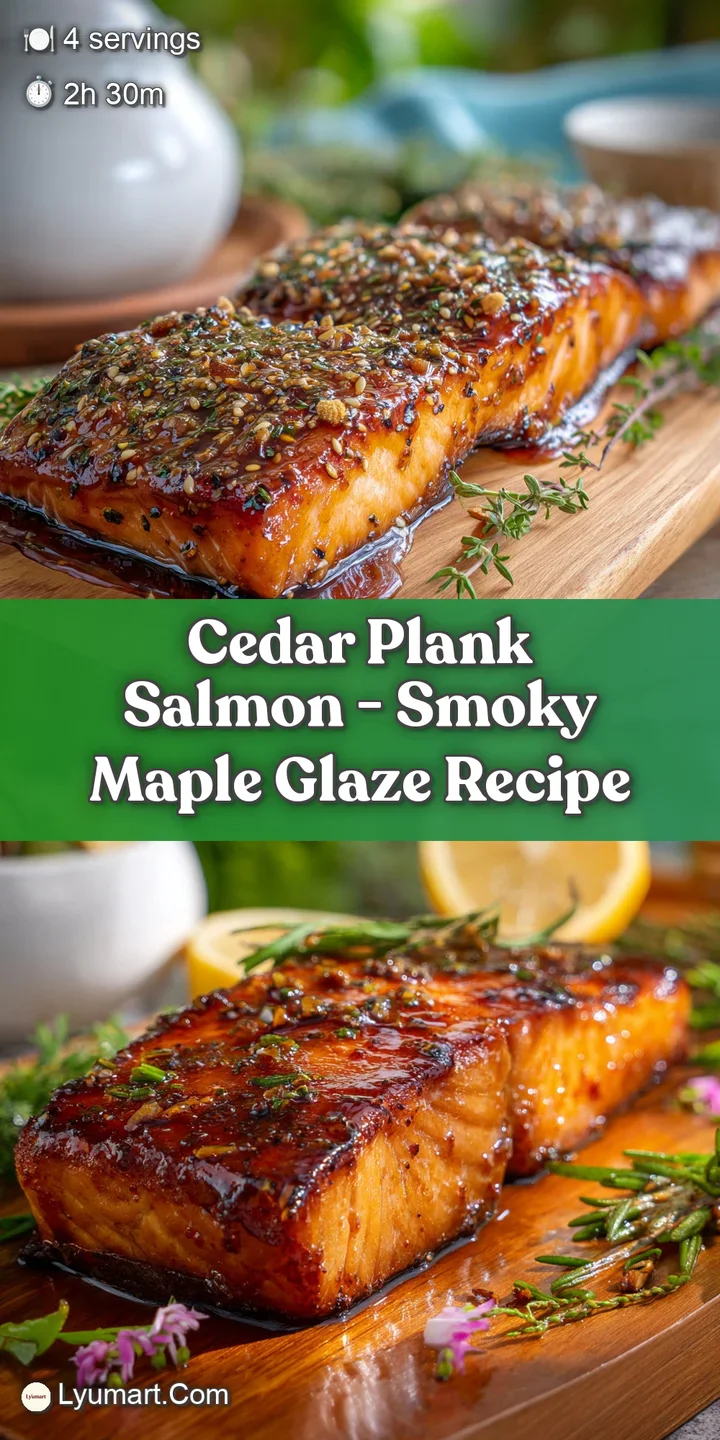
High in Sodium
865 mg of sodium per serving (38% of daily value)
The American Heart Association recommends limiting sodium intake to about 2,300mg per day for overall cardiovascular health.
Sodium Reduction Tips for Maple Glazed Salmon
-
Reduce Soy Sauce-20%
Soy sauce is a major contributor to the sodium content. Reduce the amount of soy sauce used by half, or substitute with a low-sodium soy sauce alternative or coconut aminos.
-
Minimize Added Salt-25%
Eliminate or significantly reduce the 1 teaspoon of coarse sea salt. Taste the dish before adding any additional salt and consider using salt free seasoning blends instead.
-
Lower Mustard Amount-15%
Grainy Dijon mustard contributes to the sodium level. Reduce the amount used or try making your own low-sodium Dijon mustard alternative at home.
-
Increase Lemon Use
Enhance the flavor profile with more lemon juice or zest to compensate for reduced salt. The acidity will brighten the dish and add complexity.
-
Herbs and Spices
Experiment with fresh herbs like dill, parsley, or thyme and spices such as smoked paprika, garlic powder (check label for sodium), or onion powder to boost flavor without adding sodium.
Recipe FAQs
How long do you cook salmon on a cedar plank?
Typically 20 to 22 minutes. For a standard 2lb side, aim for a grill temperature around 400°F and pull the fish when the thickest part registers 135°F internally.
What does a cedar plank do for salmon?
It steams and infuses flavor. The wet wood creates a humid microclimate around the fish, protecting it from direct heat while releasing aromatic compounds that smoke the salmon gently.
How long to soak a wood plank for salmon?
Soak the plank for a minimum of 2 hours. This saturation is critical; it allows the wood to steam for the duration of the cook instead of immediately bursting into flame.
What are common cedar plank salmon mistakes?
The top mistake is not soaking the plank long enough, leading to fire. Another common error is cooking at too high a heat, which causes the salmon protein to contract too fast, squeezing out white albumin.
Can I use a soaked plank more than once?
No, it is strongly recommended to use the plank only once. Once the wood is charred and dried out from the initial cook, it will no longer generate the necessary steam barrier for effective cooking.
Is it true I can use a grill plank in the oven?
Yes, you can bake cedar plank salmon successfully. Bake at 400°F; you will achieve a moist, slightly cedar flavored fish, though you will miss the deep, rustic smoke profile achieved on the grill.
What internal temperature should cedar plank salmon reach?
Pull the salmon off the heat at 135°F (57°C). This allows for a perfect medium doneness as the temperature will climb a few more degrees during the essential resting period post grill.
Cedar Plank Salmon Recipe
Ingredients:
Instructions:
Nutrition Facts:
| Calories | 582 kcal |
|---|---|
| Protein | 45.2 g |
| Fat | 32.8 g |
| Carbs | 21.4 g |
| Fiber | 0.8 g |
| Sugar | 17.6 g |
| Sodium | 865 mg |
