Chorizo and Eggs: Smoky & Velvety
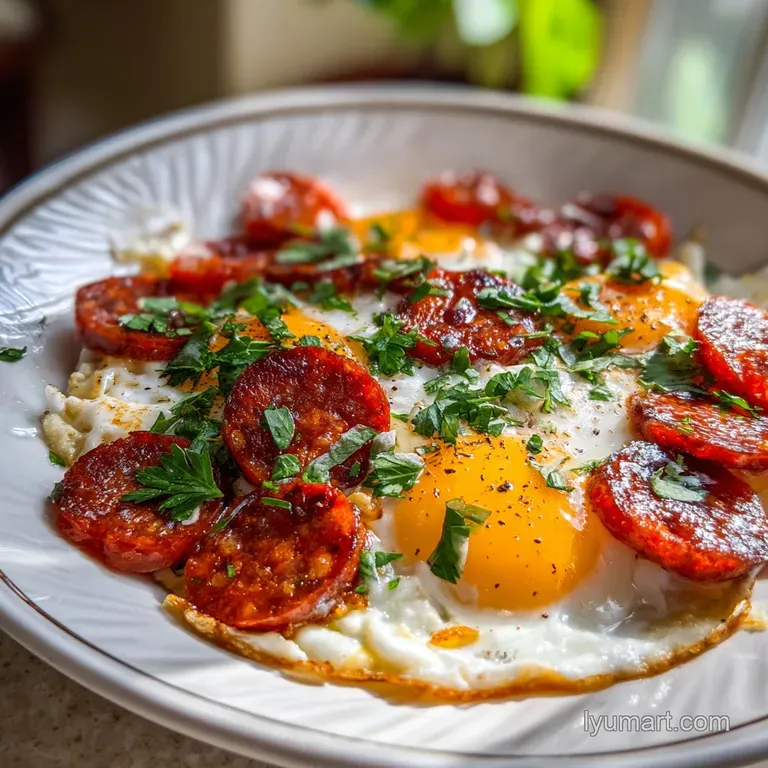
- Time: Active 10 minutes, Passive 5 minutes, Total 15 minutes
- Flavor/Texture Hook: Smoky, velvety, and spicy with a rich, crimson finish
- Perfect for: Weekend brunch, recovery meals, or a fast weeknight breakfast for-dinner
- Mastering the Rich Flavor of Chorizo and Eggs
- Essential Recipe Specs and Timing
- Analyzing the Key Flavor Components
- Selecting Quality Elements and Substitutes
- Essential Tools for the Skillet
- Executing the Perfect Breakfast Flow
- Solving Common Texture Issues
- Adjusting for Different Batch Sizes
- Debunking Common Preparation Misconceptions
- Maintaining Freshness and Using Scraps
- Visual Appeal and Plating Techniques
- High in Sodium
- Recipe FAQs
- 📝 Recipe Card
Mastering the Rich Flavor of Chorizo and Eggs
The moment that 9 oz of raw Mexican pork chorizo hits a hot skillet, the kitchen transforms. It’s a sensory explosion - the high pitched hiss as the fat renders, the deep red oil bleeding out into the pan, and that unmistakable aroma of vinegar, cumin, and dried chilies.
I remember the first time I tried making this; I treated it like regular sausage and drained the fat. Huge mistake. That crimson oil is where the magic lives, and once you learn to embrace it, your breakfast game changes forever.
We’re going for something that feels both indulgent and humble. It’s the kind of meal that doesn’t need a fancy plate or a garnish of microgreens to be world class.
You want the onions to be just translucent enough to have a bit of bite, the jalapeño to provide a back end hum of heat, and the eggs to stay soft enough to soak up all that seasoned pork fat.
It’s simple, it’s fast, and honestly, it’s one of the most satisfying things you can put on a warm corn tortilla.
Essential Recipe Specs and Timing
Success in the kitchen often comes down to timing and temperature. When dealing with raw Mexican chorizo, you aren't just browning meat; you're blooming spices and creating an emulsion with the eggs. If the pan is too hot, the spices in the chorizo will scorch and turn bitter.
If it's too cool, the meat will steam instead of fry, leaving you with a grayish, unappealing texture.
The Physics of the Crimson Bloom The high fat content in Mexican chorizo carries fat soluble flavor compounds from the spices, essentially blooming them as it renders. This flavored oil then coats the egg proteins, preventing them from becoming rubbery by adding a protective lipid barrier.
| Thickness | Internal Temp | Rest Time | Visual Cue |
|---|---|---|---|
| Crumbled | 160°F (71°C) | 1 minute | Oil turns bright crimson red |
| Patty | 160°F (71°C) | 3 minutes | Firm to touch, juices run clear |
| Casing | 165°F (74°C) | 5 minutes | Casing is taut and slightly charred |
Since we are using 9 oz of raw Mexican pork chorizo removed from the casings, the focus is on the "Crumbled" method. You want to see that oil separate from the meat before you even think about adding the 4 large eggs. This ensures the meat is fully cooked and the flavors are at their peak.
Analyzing the Key Flavor Components
Understanding why we use specific ingredients helps you become a more intuitive cook. Every item in this pan has a job, from providing structure to cutting through the richness of the pork fat. We aren't just throwing things together; we're building a balanced profile of salt, fat, acid, and heat.
| Ingredient | Science Role | Pro Secret |
|---|---|---|
| Raw Chorizo | Fat & Pigment | Don't drain the oil; it's the primary seasoning for the eggs. |
| White Onion | Aromatics & Moisture | Dicing finely allows them to melt into the fat without staying raw. |
| Jalapeño | Capsicums & Acid | Keeping some seeds adds heat, but removing them focuses on the pepper flavor. |
| Large Eggs | Protein Binder | Whisk them just before adding to keep the whites and yolks slightly distinct. |
Chef's Tip: For the most velvety texture, try whisking your eggs with a tiny splash of water instead of milk. The steam from the water creates air pockets that make the eggs fluffier without dulling the vibrant spice of the chorizo.
Choosing the right base is vital for the final outcome. While some prefer the convenience of pre cooked links, the raw Mexican variety offers a depth of flavor that can't be matched.
The vinegar used in the curing process helps tenderize the meat as it cooks, resulting in a much more tender bite than standard breakfast sausage.
Selecting Quality Elements and Substitutes
To get this dish right, you need the proper ratios. We're looking at 9 oz of raw Mexican pork chorizo paired with 0.25 cup of white onion and 1 small jalapeño. This provides the perfect balance of savory meat and aromatic crunch.
If you can't find specific items, there are ways to pivot without losing the soul of the dish.
- Raw Mexican Pork Chorizo (9 oz):Why this? It provides the essential fat and spice base for the entire dish.
- Substitute: Ground pork mixed with 2 tbsp chili powder, 1 tbsp vinegar, and 1 tsp cumin.
- White Onion (0.25 cup):Why this? Offers a sharp, clean bite that cuts through the heavy pork fat.
- Substitute: Red onion or shallots (shallots will be slightly sweeter).
- Small Jalapeño (1 unit):Why this? Provides a fresh, green heat that complements the dried chili notes in the meat.
- Substitute: Serranos for more heat, or a small poblano for a milder, earthier flavor.
- Large Eggs (4 units):Why this? Acts as the creamy canvas that carries the bold chorizo flavors.
- Substitute: Silken tofu (crumbled) for a plant based version, though the texture will be denser.
- Queso Fresco (2 tbsp):Why this? A mild, salty cheese that provides a cool contrast to the heat.
- Substitute: Mild feta or cotija.
- Corn Tortillas (2 units):Why this? The traditional vessel that adds a nutty, toasted corn aroma.
- Substitute: Flour tortillas or even toasted sourdough.
When you're looking for that restaurant quality finish, the technique is quite similar to the one used in a classic Scrambled Eggs Recipe, where low heat and constant movement are your best friends. The main difference here is the integration of the rendered fat, which acts as a liquid seasoning.
Essential Tools for the Skillet
You don't need a kitchen full of gadgets for this, but the right pan makes a world of difference. A heavy bottomed skillet, preferably cast iron (like a 10 inch Lodge) or high-quality stainless steel, is non negotiable.
These materials hold heat evenly, preventing the chorizo from cooling down when you add the cold eggs.
- 10 inch Cast Iron Skillet: The heavy mass ensures even rendering of the pork fat without hot spots.
- Silicone Spatula: Essential for scraping the bottom of the pan to incorporate the "fond" (the tasty brown bits) into the eggs.
- Small Mixing Bowl: To whisk the eggs thoroughly before they hit the heat.
- Fine Mesh Sieve: Only if you want to be extra and strain the jalapeño seeds, but usually not necessary for home cooking.
| Feature | Cast Iron | Non Stick | Stainless Steel |
|---|---|---|---|
| Heat Retention | Excellent | Poor | Moderate |
| Flavor Build | Superior | Minimal | Good |
| Cleanup | Moderate | Easy | Difficult |
Using cast iron allows for a slight char on the edges of the chorizo, adding a "shatter" texture that contrasts beautifully with the soft eggs. If you use non stick, you might find it harder to get that deep crimson browning, but the eggs will slide out much easier.
It's a trade off between flavor depth and ease of cleaning.
Executing the Perfect Breakfast Flow
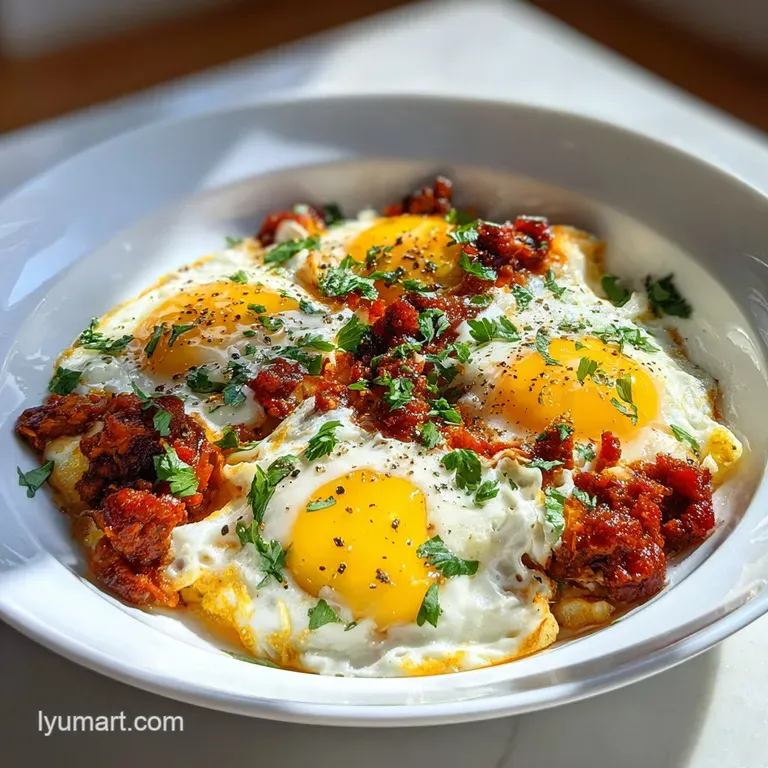
The key to a successful Chorizo and Eggs morning is preparation. Because the cook time is only 10 minutes, you won't have time to dice onions while the meat is in the pan. Get everything ready on your cutting board first.
This "mise en place" keeps the process stress free and prevents the jalapeños from overcooking.
1. The Crimson Render
Start by placing the 9 oz of raw Mexican pork chorizo into a cold skillet. Turn the heat to medium. By starting cold, you allow the fat to render out slowly before the proteins seize up. Use your spatula to break the meat into small, pebble sized crumbles.
Cook for about 5-6 minutes until the fat has completely liquefied and the meat is browned.
2. The Aromatic Infusion
Once the chorizo is sizzle ready and the oil is bright red, add the 0.25 cup of diced white onion and the minced jalapeño. Sauté these in the rendered fat for 2-3 minutes.
You aren't looking for deep caramelization here; you want the onions to become translucent and the jalapeño to release its spicy aroma without losing its green color.
3. The Velvety Fold
While the aromatics soften, crack the 4 large eggs into a bowl and add a pinch of kosher salt and black pepper. Whisk them vigorously until no streaks of white remain. Lower the pan heat to medium low. Pour the eggs directly over the chorizo mixture.
Wait 30 seconds before stirring to let the bottom set slightly.
4. The Carry Over Finish
Using long, sweeping motions, fold the eggs into the chorizo. You want to see the red oil marbling through the yellow eggs. Cook for another 2 minutes until the eggs are mostly set but still look slightly wet. Remove the pan from the heat immediately.
The residual heat from the cast iron will finish the cooking process, ensuring the eggs stay velvety rather than rubbery.
5. The Warm Assembly
While the eggs rest for a minute in the pan, quickly char your 2 corn tortillas over an open flame or in a separate dry pan. Divide the egg mixture between the tortillas. Top each with the crumbled queso fresco and a sprinkle of fresh cilantro. Serve immediately while the steam is still rising.
Solving Common Texture Issues
Even the simplest dishes can go sideways if the heat isn't managed correctly. The most common complaint with this recipe is that it turns out too "greasy" or the eggs become "mushy." Usually, this is a matter of heat management rather than the ingredients themselves.
Why Your Eggs Look Grey
If your eggs take on a muddy or greyish hue, it usually means the chorizo wasn't cooked long enough before the eggs were added. The moisture from the raw meat mixes with the eggs instead of the rendered fat coating them. Ensure the meat is fully browned and the oil has separated before adding the liquid eggs.
Why the Chorizo is Tough
If the meat feels like rubber pellets, the heat was likely too high. High heat causes the protein fibers to contract violently, squeezing out all the moisture. Slow and steady is the name of the game for the first 5 minutes of the render.
| Problem | Root Cause | Solution |
|---|---|---|
| Excessively Greasy | Fat didn't emulsify with eggs | Whisk eggs more thoroughly; increase heat slightly at the end. |
| Burned Spices | Pan was too hot during rendering | Start with a cold pan and use medium heat max. |
| Dry/Rubbery Eggs | Overcooked by residual heat | Remove from stove while eggs still look slightly underdone. |
Common Mistakes Checklist
- ✓ Never drain the red oil; it contains all the fat soluble vitamins and spices.
- ✓ Don't skip whisking the eggs; un whisked eggs cook unevenly in the heavy fat.
- ✓ Avoid using "Spanish" cured chorizo; it won't break down into the necessary crumbles.
- ✓ Resist the urge to salt early; the chorizo is already quite high in sodium.
- ✓ Always warm the tortillas; cold tortillas will sap the heat and ruin the texture of the eggs.
Adjusting for Different Batch Sizes
This recipe yields 2 servings, but it’s incredibly easy to scale. If you're cooking for a crowd, the main challenge is pan space. If the pan is too crowded, the moisture from the onions and meat can't evaporate, leading to a "stewed" texture rather than a fried one.
Scaling the Recipe Down
If you are cooking for one, simply halve everything. Use a smaller 8 inch skillet to ensure the eggs have enough depth to stay fluffy. For the half egg, whisk one egg in a cup and use half of the liquid, or just use a second small egg it's hard to have "too much" egg in this dish.
Reduce the cooking time for the aromatics by about 1 minute.
Scaling the Recipe Up
For 4 to 6 people, I recommend working in batches or using a very large griddle. If you double the recipe (18 oz chorizo, 8 eggs), increase the salt and pepper by only 1.5x to avoid over seasoning.
You may need to drain about 2 tablespoons of the fat if it looks like the eggs are swimming in oil, as 18 oz of chorizo produces a significant amount of render.
Chef's Note: If you're making this for a big breakfast burrito prep, cook the chorizo and onions in a large batch, let them cool, and then scramble the eggs into smaller portions as needed. This keeps the eggs fresh and prevents them from getting that "reheated" sulfur smell.
Debunking Common Preparation Misconceptions
There are a few "rules" floating around the internet about chorizo that just aren't true. Let's clear those up so you can cook with confidence.
Myth 1: You must remove the fat to make it healthy. While you can certainly dab away some oil, removing it all strips the dish of its identity. The fat is what carries the chili and vinegar flavors into the eggs.
If you're worried about the fat content, serve it with a high fiber side like black beans rather than stripping the flavor from the main event.
Myth 2: Mexican and Spanish chorizo are interchangeable. They are completely different ingredients. Spanish chorizo is cured and smoked, like salami; you can slice it and eat it cold. Mexican chorizo is raw ground meat heavily seasoned with chilies.
If you try to use Spanish chorizo in this recipe, it won't "melt" and incorporate into the eggs; it will just be chunks of warm sausage in scrambled eggs.
Maintaining Freshness and Using Scraps
Chorizo and eggs are best eaten immediately, but life happens. If you find yourself with leftovers, you can store them in an airtight container in the fridge for up to 3 days. To reheat, avoid the microwave if possible, as it turns the eggs into sponges.
Instead, toss them back into a hot skillet with a teaspoon of water and a lid for 2 minutes.
Freezing Instructions You can freeze the cooked chorizo and onion mixture for up to 2 months. However, I do not recommend freezing the cooked eggs, as the texture becomes grainy upon thawing. Freeze the meat base, then just thaw and scramble fresh eggs into it for a 5 minute breakfast.
- Chorizo Fat
- If you do decide to drain some fat, save it in a glass jar in the fridge. It’s an incredible "secret ingredient" for frying potatoes or sautéing greens later in the week.
- Cilantro Stems
- Don't throw them away! Finely mince the stems and add them into the pan with the onions and jalapeños. They have more flavor than the leaves and soften perfectly in the pork fat.
- Leftover Tortillas
- If they get stale, cut them into triangles and fry them in the leftover chorizo fat to make "chorizo chilaquiles" bits.
Visual Appeal and Plating Techniques
We eat with our eyes first, and a pile of red streaked eggs can sometimes look a bit messy. To make it look "restaurant style," focus on contrast. The deep red of the meat and the bright yellow of the eggs need white and green to pop.
For Restaurant Quality Plating
Instead of mixing the cheese in, sprinkle the queso fresco on top at the very last second so it stays white and crumbly. Use a wide, shallow bowl or a large plate. Place the warm tortillas to the side, slightly overlapping.
Mound the eggs in the center and garnish with cilantro leaves (not just chopped bits) to give it some height.
Choosing the Best Pairings
To round out the meal, a side of sliced avocado provides a creamy, cool fat that balances the spicy, rendered fat of the pork. A spoonful of salsa verde adds a necessary hit of acidity to brighten the palate. If you're feeling extra hungry, some simple Broccoli Casserole leftovers or even some seasoned black beans make this a full blown feast.
| If you want... | Then do... | Result |
|---|---|---|
| More Crunch | Add diced potatoes with the chorizo | Hearty, textural "Papás con Chorizo" |
| Creamier Texture | Add a dollop of sour cream at the end | Milder heat and silkier mouthfeel |
| Maximum Heat | Leave the jalapeño seeds in | A sharp, piercing spice level |
Everything about this dish is designed to be customizable. Once you have the 9 oz of chorizo and 4 eggs as your base, the world is your oyster. Whether you fold it into a burrito or eat it straight out of the cast iron with a fork, it’s a classic for a reason.
Trust the render, watch your heat, and don't be afraid of the crimson oil. It's where the soul of the dish lives.
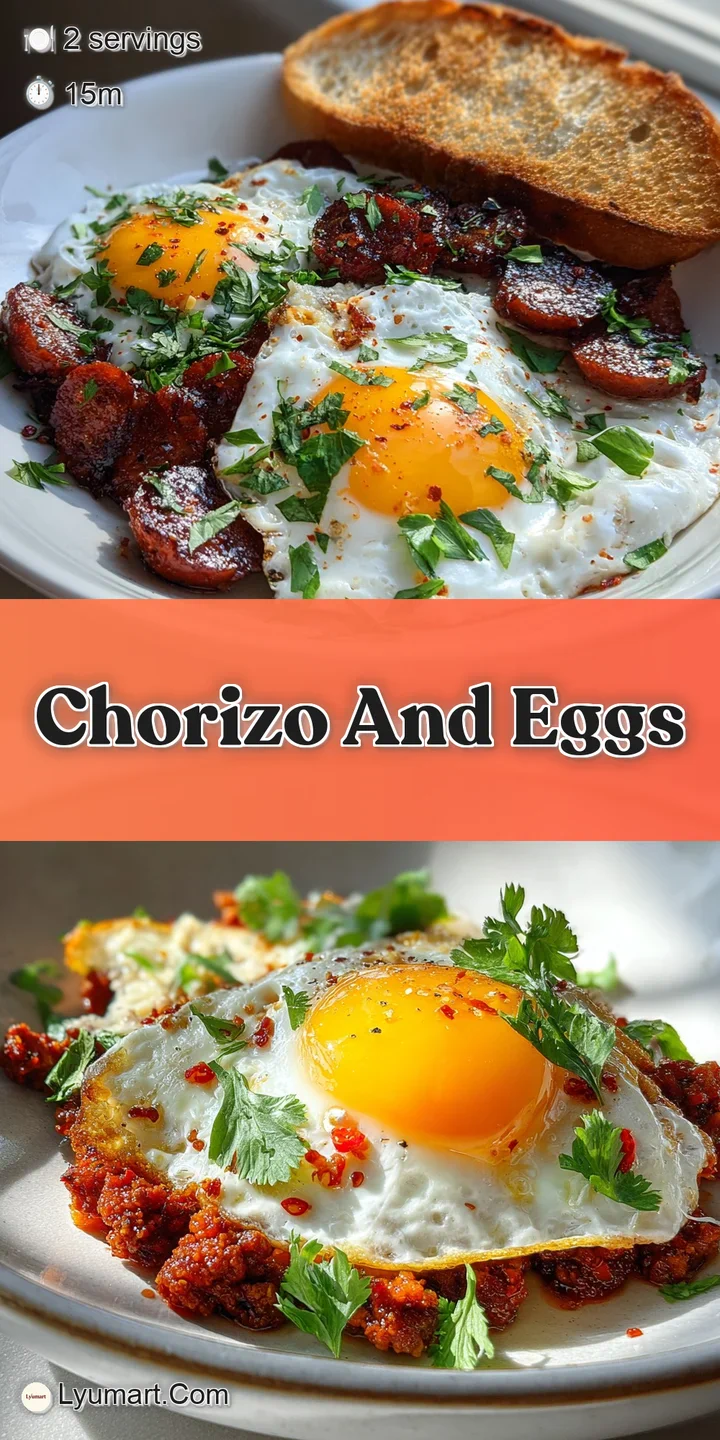
High in Sodium
1085 mg mg of sodium per serving (47% of daily value)
The American Heart Association recommends limiting sodium intake to about 2,300mg per day.
Tips to Reduce Sodium in Your Chorizo & Egg Tacos
-
Lower Sodium Chorizo-25%
Mexican chorizo is a major source of sodium. Try to find a lower sodium chorizo option or explore making your own at home, which allows for better control over sodium content.
-
Reduce Queso Fresco-15%
Queso fresco contributes to the sodium content. Use less cheese, or consider swapping it with a sodium free sprinkle of nutritional yeast for a cheesy flavor.
-
Omit Added Salt-15%
Chorizo already contains a significant amount of salt. Eliminate the added kosher salt entirely to significantly reduce sodium. Taste the dish after cooking and adjust if absolutely needed.
-
Spice it Up!
Enhance the flavor with sodium free spices and herbs. Consider adding more jalapeño, a dash of cumin, chili powder, or smoked paprika for a robust and flavorful dish without relying on salt.
Recipe FAQs
Is chorizo good with eggs?
Yes, absolutely. Chorizo and eggs are a classic combination, with the rich, spicy pork fat perfectly complementing the creamy eggs.
What does chorizo pair well with?
Chorizo pairs well with a variety of ingredients. It's excellent with eggs for breakfast, can be added to rice dishes, potatoes, stews, or used as a flavorful topping for pizzas and tacos.
Is chorizo eaten for breakfast?
Yes, it's a very popular breakfast food, especially in Mexican and Spanish cuisine. Chorizo and eggs is a common dish, often served with tortillas or toast.
What is a Spanish dish with chorizo and egg?
Huevos con chorizo is a common Spanish dish. This typically involves cooking chorizo and then adding eggs to scramble in the rendered fat.
Can I use Spanish chorizo instead of Mexican chorizo for eggs?
No, it's best to use Mexican chorizo. Spanish chorizo is cured and firm, while Mexican chorizo is raw and ground, which is essential for crumbling and cooking with eggs.
Do I need to drain the fat from chorizo when cooking with eggs?
No, it's recommended to keep the rendered fat. This flavorful, crimson oil is key to seasoning the eggs and creating the dish's signature taste and texture.
How do I get a velvety texture with chorizo and eggs?
Cook the chorizo first to render its fat, then add whisked eggs and stir gently. Remove from heat while the eggs are still slightly wet, as residual heat will finish the cooking for a creamy, velvety result.
Chorizo And Eggs
Ingredients:
Instructions:
Nutrition Facts:
| Calories | 518 kcal |
|---|---|
| Protein | 34.2 g |
| Fat | 36.8 g |
| Carbs | 13.9 g |
| Fiber | 2.1 g |
| Sugar | 2.4 g |
| Sodium | 1085 mg |
