Sausage Balls Bisquick Recipe: Golden and Savory
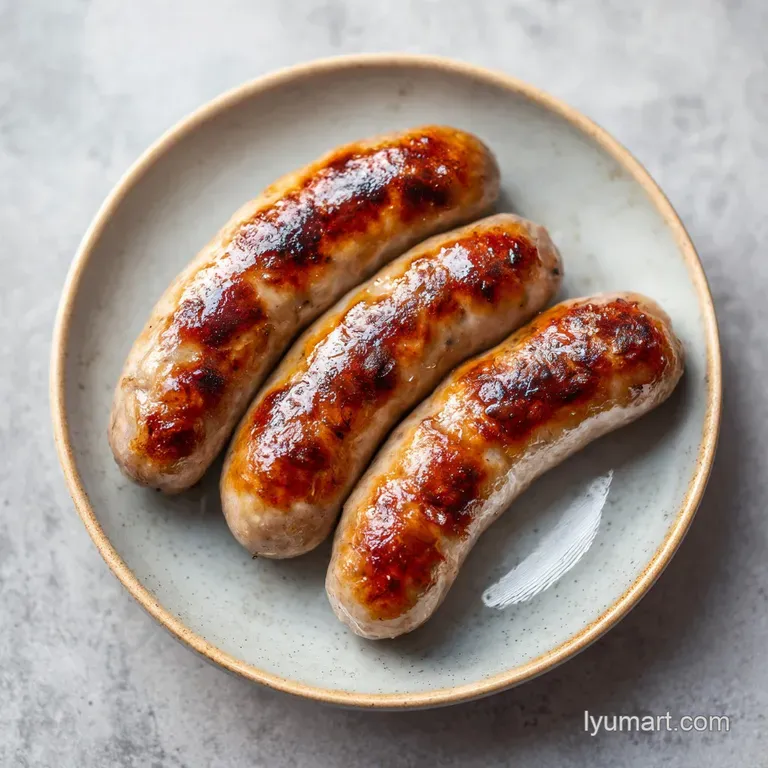
- Time: Active 10 minutes, Passive 20 minutes, Total 30 minutes
- Flavor/Texture Hook: Savory pork notes with a velvety cheese interior and a golden, shatter crisp crust
- Perfect for: Holiday brunches, game day snacks, or easy meal prep for busy mornings
- Master the Ultimate Sausage Balls Bisquick Recipe
- Why This Classic Texture Works
- Ingredient Deep Dive and Science
- Essential Tools for Easy Cleanup
- Essential Ingredients and Smart Substitutions
- Step by Step Baking Success
- Fix Common Baking Disasters
- Scaling the Batch for Crowds
- Flavor Variations to Try
- Storage and Prep Strategies
- Perfect Pairings for Brunch
- Recipe FAQs
- 📝 Recipe Card
Master the Ultimate Sausage Balls Bisquick Recipe
There is nothing quite as disappointing as biting into a holiday appetizer only to have it turn into a mouthful of dry, flavorless dust. We have all seen those "sawdust balls" at parties the ones where the meat is overcooked, the breading is chalky, and the cheese has seemingly evaporated into thin air.
It usually happens because the sausage was pulled straight from the ice cold fridge or, even worse, someone used that pre shredded cheese from a bag that is coated in cellulose. That waxy coating prevents the cheese from actually melting into the dough, leaving you with a crumbly mess that refuses to hold its shape.
When I first started making these for our family brunch, I made the mistake of over mixing the dough in a cold bowl with cold ingredients. The result was a rubbery, tough texture that lacked that signature humble comfort we crave.
I realized the fix was simple: let the ingredients talk to each other at room temperature. By tempering the pork sausage and grating the sharp cheddar by hand, you create a cohesive, moist dough that bakes up into something truly satisfying.
The fat from the sausage needs to be slightly soft so it can hydrate the baking mix, creating a velvety crumb rather than a dry clump.
This specific method focuses on the harmony between the pork fat and the leavening agents in the baking mix. When you get the ratio right, the exterior develops a beautiful golden shatter while the inside stays tender.
We are looking for that classic, nostalgic flavor that reminds you of home but with a few technical tweaks to ensure they never turn out dry again. Right then, let's get into why this method is the gold standard for your kitchen.
Why This Classic Texture Works
- Fat Emulsification: Bringing the pork to room temperature allows the lipids to coat the flour particles in the baking mix, preventing the formation of tough gluten strands.
- Leavening Activation: The pre mixed leaveners in the Bisquick react with the moisture from the milk and sausage, creating micro pockets of air that result in a light, airy bite.
- Fresh Proteolysis: Using hand grated cheese ensures the proteins melt smoothly without the interference of anti caking agents found in bagged varieties.
- Starch Hydration: The 10 minute resting period after mixing allows the starch in the baking mix to fully absorb the juices from the meat, ensuring a consistent bake throughout the batch.
Decision Shortcut: Choosing Your Finish
| Thickness | Internal Temp | Rest Time | Visual Cue |
|---|---|---|---|
| 2.5 cm ball | 71°C | 3 minutes | Deep golden brown with visible cheese bubbles |
| 1.5 cm ball | 71°C | 2 minutes | Light tan with a firm, crispy bottom |
| 3.5 cm ball | 71°C | 5 minutes | Crusty exterior with a soft, moist center |
Understanding the size of your portioning is vital for that perfect finish. If you are planning a big spread for guests, these pair beautifully with a hearty Tater Tot Casserole to keep everyone full and happy throughout the morning.
Ingredient Deep Dive and Science
| Ingredient | Science Role | Pro Secret |
|---|---|---|
| Bulk Pork Sausage | Primary fat and protein source providing structure and moisture. | Temper for 15 minutes to ensure the fat integrates with the dry mix without clumping. |
| Bisquick Mix | Provides starch for bulk and chemical leaveners for a light rise. | Do not overwork the mix; treat it like biscuit dough to keep it tender. |
| Sharp Cheddar | Adds acidity and a "melting bridge" that binds the balls together. | Grate it yourself on the largest hole of a box grater for maximum meltability. |
Essential Tools for Easy Cleanup
To keep things simple for a busy cook, you really only need a few basics. A large, sturdy mixing bowl is non negotiable because you need enough space to really get your hands in there.
While some people swear by a stand mixer like a KitchenAid, I find that using my hands gives me a better feel for the moisture level of the dough. You can feel exactly when the sausage fat has fully "shaken hands" with the flour.
A 1 tablespoon cookie scoop is my secret weapon for consistency. If the balls are different sizes, the small ones will turn into rocks while the large ones stay raw in the middle. Finally, parchment paper is a must. The cheese will naturally leak a little as it melts, and without parchment, you will be scrubbing a baking sheet for an hour. If you want to prep your own meat for other dishes, you might find my guide on Breakfast Sausage Patties useful for getting those seasoning ratios just right.
Essential Ingredients and Smart Substitutions
- 1 lb bulk pork sausage: The backbone of the flavor. Why this? Provides the necessary fat and savory protein base for the appetizer.
- Substitute: Ground turkey sausage with 1 tbsp olive oil. Note: Leaner meat requires extra fat to avoid a dry texture.
- 2 cups Bisquick Original Pancake & Baking Mix: The structural binder. Why this? Contains flour, shortening, and leavening for a perfect rise.
- Substitute: 2 cups All purpose flour + 3 tsp baking powder + 1/2 tsp salt + 2 tbsp cold butter.
- 1 lb sharp cheddar cheese, freshly grated: For that bold, salty kick. Why this? High fat content helps bind the dough and adds moisture.
- Substitute: Monterey Jack or Pepper Jack. Note: Offers a milder or spicier flavor with a similar melting point.
- 2 tbsp whole milk: The hydration agent. Why this? Activates the leaveners and brings a stubborn, dry dough together.
- Substitute: Heavy cream or buttermilk. Note: Buttermilk adds a lovely tang but may require a pinch more baking mix.
- 0.5 tsp garlic powder: The subtle aromatic enhancer. Why this? Cuts through the richness of the pork and cheese.
- Substitute: Onion powder or 1 tsp finely minced fresh chives.
step-by-step Baking Success
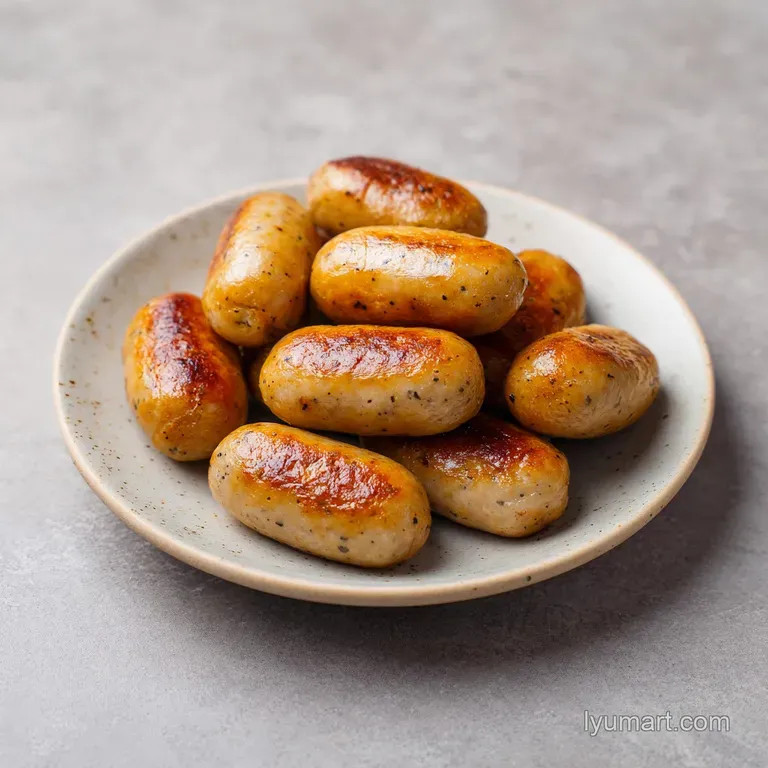
- Preheat your oven to 180°C (350°F) and line a large baking sheet with parchment paper to prevent sticking.
- Remove the 1 lb of bulk pork sausage from the refrigerator exactly 15 minutes before you plan to mix until the chill is gone but the meat is still firm. Note: This prevents the fat from being too hard to incorporate.
- In your largest mixing bowl, add the 2 cups of Bisquick mix, the 1 lb of freshly grated sharp cheddar, and the 0.5 tsp of garlic powder.
- Add the tempered sausage into the bowl, breaking it into small chunks with your fingers.
- Using your hands or a stand mixer on the lowest setting, begin to knead the ingredients together.
- Continue mixing until no dry white flour is visible at the bottom of the bowl.
- If the mixture feels too crumbly or won't hold a ball shape, add the whole milk 1 tablespoon at a time until the dough feels tacky and cohesive.
- Using a 1 tablespoon scoop, portion the dough and roll it between your palms into 2.5 cm (1 inch) spheres.
- Place the balls on the baking sheet, leaving at least 2.5 cm of space between them to allow for air circulation.
- Bake for 20 minutes until the tops are a deep golden brown and the bottoms are crisp. Check for an internal temperature of 71°C (160°F).
Fix Common Baking Disasters
Why are my sausage balls so dry?
This is the number one complaint with this classic dish. It almost always stems from a lack of fat or moisture. If you use a "light" or "lean" sausage, there isn't enough liquid fat to hydrate the flour in the baking mix.
Plus,, if you don't use milk when the dough looks crumbly, you're essentially baking a dry biscuit. Always look for that tacky, slightly sticky feel before you start rolling.
Why did they flatten out into puddles?
When your sausage balls lose their structural integrity and melt into flat disks, it is usually because the cheese was too warm or you used a high moisture processed cheese product. Another culprit is over tempering the meat.
If the sausage is actually warm, the fat begins to liquefy before it even hits the oven, causing the ball to collapse. You want it cool, not cold.
| Problem | Root Cause | Solution |
|---|---|---|
| Tough/Rubbery | Over mixing the dough | Mix just until the flour disappears; do not over knead. |
| Crumbly/Falling Apart | Pre shredded cheese or dry dough | Use freshly grated cheese and add milk 1 tbsp at a time. |
| Burnt Bottoms | Sugary sausage or dark pan | Use parchment paper and place the rack in the center of the oven. |
Common Mistakes Checklist
- ✓ Never use pre shredded cheese; the cellulose coating ruins the bond of the dough.
- ✓ Don't skip the milk if the dough looks like wet sand; it needs that extra hydration.
- ✓ Avoid using extra lean sausage; the fat is what makes these tender.
- ✓ Ensure the oven is fully preheated to 180°C before the tray goes in.
- ✓ Roll the balls tightly to ensure they don't air gap and dry out in the center.
Scaling the Batch for Crowds
If you are hosting a large party, doubling this recipe is a breeze, but you have to be careful with the mechanics. For a 2x batch, you'll be dealing with 2 lbs of meat and 4 cups of mix. I highly recommend working in two separate bowls rather than one giant one.
It is much easier to ensure the cheese is evenly distributed in smaller batches. When scaling up, you don't always need to double the milk exactly; start with 2 tablespoons and see how the dough feels.
When scaling down for a small snack, you can easily halve the ingredients. For the half teaspoon of garlic powder, just use a generous pinch. Since this recipe uses 1 lb of sausage (a standard package), scaling down might leave you with leftover meat.
You can simply roll the remaining meat into small patties and freeze them for later use.
Quick Fix Table
| Problem | Cause | Fix |
|---|---|---|
| Too Salty | Sausage brand or salted butter | Use a mild sausage and ensure no extra salt is added. |
| Greasy Tray | High fat sausage | Increase Bisquick by 2 tablespoons next time. |
| Pale Color | Oven temp too low | Increase temp by 10 degrees for the last 3 minutes. |
Flavor Variations to Try
For a Spicy Tex Mex Kick
Substitute the sharp cheddar for a spicy Pepper Jack and add a teaspoon of dried chili flakes to the dry mix. You can also use "hot" bulk pork sausage instead of the mild version. These are fantastic when dipped into a cool lime sour cream sauce or a chunky salsa.
The heat from the peppers cuts through the heavy fat of the pork beautifully.
For gluten-free Gatherings
You can actually find gluten-free baking mixes (like GF Bisquick) that work surprisingly well here. The trick is to add an extra tablespoon of milk, as gluten-free flours tend to be much thirstier than wheat based ones.
Let the dough rest for a full 15 minutes before rolling to allow the alternative starches to fully hydrate, which prevents that "gritty" mouthfeel often associated with gluten-free baking.
Storage and Prep Strategies
These are the ultimate make-ahead appetizer. You can roll the balls and place them on a tray in the fridge for up to 24 hours before baking. Just cover them tightly with plastic wrap so they don't pick up any "fridge smells." If you want to freeze them, do it while they are raw.
Freeze them on a tray first, then toss them into a freezer bag for up to 3 months. You can bake them straight from frozen; just add about 5-8 minutes to the total baking time.
For leftovers, keep them in an airtight container in the fridge for up to 4 days. Whatever you do, don't use the microwave to reheat them if you want to keep that "shatter" on the crust. A microwave will turn them into soft, spongy lumps.
Instead, pop them back into a 180°C oven or an air fryer for 5 minutes. They will crisp right back up and taste as good as the first day. For zero waste, if you have any broken bits or crumbs, save them!
They make an incredible savory topping for a breakfast bowl or can be sprinkled over a salad for a bit of salty crunch.
Perfect Pairings for Brunch
When serving this sausage balls bisquick recipe, think about balance. Since these are very rich and savory, they love to be paired with something bright or acidic. A simple honey mustard dipping sauce or a spicy pepper jelly provides the perfect contrast to the sharp cheddar and pork.
If you are serving these as part of a larger breakfast spread, a fresh fruit salad or a zingy cranberry sauce works wonders.
They also act as a great side for heavier egg dishes. If you're looking for a complete meal, serve these alongside a veggie heavy omelet or even a light soup. I personally love having a few of these with a strong cup of black coffee the bitterness of the coffee cuts right through the richness of the cheese.
Honestly, don't even bother with low-fat versions of anything here; the whole point of this dish is the humble, satisfying comfort of good fat and hearty grains. Trust me on this, once you nail the moisture level, you'll be the hero of every brunch you ever host.
Quick Decision: Sauce Pairings
- For Sweet & Spicy: Use a classic Red Pepper Jelly.
- For Tangy Balance: Use a Dijon based Honey Mustard.
- For Creamy Cool: Use a Chive and Sour Cream dip.

Recipe FAQs
What is the secret to good sausage balls?
Use freshly grated cheese and room temperature sausage. Pre-shredded cheese contains anti caking agents that prevent a smooth bind, and tempering the sausage for 15 minutes ensures the fat incorporates evenly into the Bisquick mix.
How much Bisquick do you use when making sausage balls?
Use exactly 2 cups of Bisquick for 1 lb of sausage. This specific ratio provides the correct structure to hold the fat from the sausage and cheese without becoming overly dense.
Do you use milk in sausage balls?
Add milk only if the dough is too crumbly to hold its shape. Start with 1 tablespoon at a time; if you enjoyed mastering moisture balance here, apply the same logic to ensure the dough remains tacky but not wet.
How do you make easy sausage balls with cheddar Bay biscuit mix?
Replace the standard Bisquick with the same amount of cheddar bay mix. Because these mixes often contain different seasonings, verify the salt content and adjust the garlic powder addition to taste.
Is it true I should use lean sausage to keep them healthy?
No, this is a common misconception. You must use regular bulk pork sausage because the fat is essential for moisture; lean meat will result in a dry, crumbly texture that refuses to bind.
How to bake sausage balls from frozen?
Arrange the frozen balls on a parchment lined sheet and add 5 8 minutes to the standard 20 25 minute bake time. Ensure your oven is fully preheated to 350°F to guarantee they cook through to an internal temperature of 160°F.
How to store leftover sausage balls?
Keep them in an airtight container in the refrigerator for up to 4 days. For best results, reheat them in a low-temperature oven until warmed through to maintain their original texture.
Classic Bisquick Sausage Balls
Ingredients:
Instructions:
Nutrition Facts:
| Calories | 147 kcal |
|---|---|
| Protein | 6.5 g |
| Fat | 10.8 g |
| Carbs | 5.9 g |
| Fiber | 0.2 g |
| Sugar | 0.6 g |
| Sodium | 353 mg |
