2 Ingredient Cottage Cheese Flatbread with Garlic and Herbs
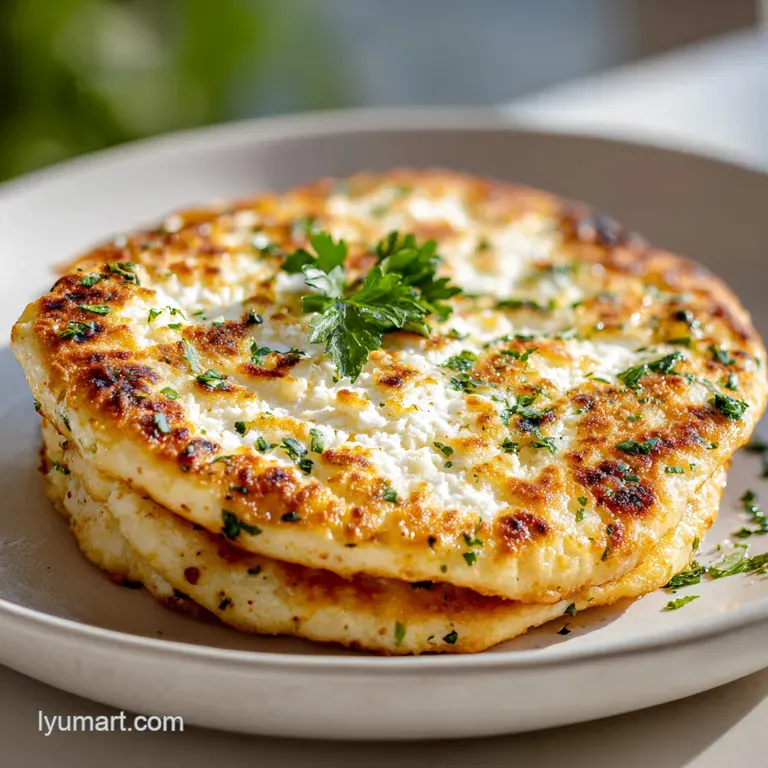
- Time: Active 5 minutes, Passive 30 minutes, Total 35 minutes
- Flavor/Texture Hook: Savory herb aroma with a flexible, slightly chewy center and crisp edges
- Perfect for: Low carb lunches, high protein meal prep, and gluten-free snack cravings
- 2 Ingredient Cottage Cheese Flatbread Recipe with Garlic and Herbs
- Why This High Protein Bread Works
- Ingredient Analysis and Substitutions
- Essential Kitchen Tools
- Step-By-Step Prep and Baking
- Fixing Common Flatbread Issues
- Creative Flavor Variations
- Storing and Keeping It Fresh
- Best Ways to Serve This
- Recipe FAQs
- 📝 Recipe Card
2 Ingredient Cottage Cheese Flatbread Recipe with Garlic and Herbs
Imagine the scent of toasted garlic and dried oregano wafting through your kitchen as a golden sheet of "bread" sizzles on a hot pan. This easy 2 Ingredient Cottage Cheese Flatbread Recipe with Garlic and Herbs will become your new go to bread alternative.
I honestly didn't believe the hype until I saw the batter transform from a liquid mess into a beautiful, pliable wrap that didn't snap in half the moment I rolled it up.
The first time I made this, I was looking for something fast and affordable to replace my usual wraps. I’d seen people rave about it, but I was worried it would just taste like a thin omelet. The trick, I discovered, is all in the blending.
When you blitz the curds into a velvety liquid, the proteins bond differently in the oven, giving you a result that feels much more like a traditional flatbread than a breakfast dish.
You don't need a culinary degree to pull this off, just a blender and a little patience while it bakes. It’s become my favorite way to use up that tub of cottage cheese sitting in the back of the fridge.
Trust me on this once you see those edges start to brown and "shatter" slightly when you touch them, you'll be hooked on the simplicity.
Why This High Protein Bread Works
The chemistry behind this "magic" bread is actually quite straightforward. We aren't relying on yeast or flour to create structure; instead, we are using the unique properties of milk proteins and egg whites.
- Protein Matrix: When the eggs and cottage cheese bake, the proteins denature and cross link, creating a stable web that holds the flatbread together.
- Steam Aeration: The high water content in the cottage cheese turns to steam in the heat, creating tiny air pockets that keep the texture from being too dense.
- Maillard Reaction: The natural sugars in the dairy react with the heat, giving the edges that deep, savory crust and a toasted aroma.
- Flavor Suspension: Because the batter is thick, the garlic and herbs stay perfectly suspended rather than sinking to the bottom.
If you enjoy this texture, you might also like the chewiness of my Cottage Cheese Flagel recipe which uses a similar protein forward base.
| Method | Time | Texture | Best For |
|---|---|---|---|
| Standard Oven | 30 minutes | Evenly golden and flexible | Large batch meal prep |
| Air Fryer | 18 minutes | Crispier edges, firmer center | Quick solo lunches |
| Convection Oven | 25 minutes | More "shatter" on the bottom | Thicker, sturdier wraps |
Choosing the right method depends on how much time you have. The air fryer is the fastest route if you're in a rush, but the oven provides the most consistent results for a larger surface area.
Ingredient Analysis and Substitutions
Each component in this 2 Ingredient Cottage Cheese Flatbread Recipe with Garlic and Herbs plays a specific role in ensuring the final product isn't just a floppy mess. Understanding these roles helps you make smart swaps when your pantry is looking a bit bare.
| Ingredient | Science Role | Pro Secret |
|---|---|---|
| Cottage Cheese | Provides structural bulk and moisture | Use full fat for better flexibility and richness |
| Large Eggs | Acts as the "glue" and leavening agent | Room temperature eggs blend more smoothly |
| Dried Herbs | Adds depth and mask "eggy" notes | Crush them in your palm to release oils |
Ingredient List and Alternatives
- 1 cup (225g) full fat cottage cheese: The backbone of the recipe. Why this? High casein content provides the "bread" structure.
- Substitute: Ricotta cheese (makes it softer but slightly more fragile).
- 2 large eggs: Binds everything together. Why this? Proteins set during baking to prevent crumbling.
- Substitute: 1/2 cup liquid egg whites (lower fat, but the flatbread will be paler).
- 1 tsp garlic powder: Provides a savory kick. Why this? Distributes flavor evenly throughout the liquid batter.
- Substitute: 1/2 tsp onion powder or 1 tsp fresh grated garlic.
- 1 tsp dried Italian herbs: Gives that classic Mediterranean aroma. Why this? Complements the tanginess of the cottage cheese.
- Substitute: Dried rosemary or fresh chopped basil.
- 1/4 tsp sea salt: Sharpens all the other flavors. Why this? Balances the natural sweetness of the dairy.
- Substitute: Kosher salt or a dash of soy sauce for umami.
Essential Kitchen Tools
You don't need a lot of fancy gear to make this work, but having the right surface is non negotiable. If you try to bake this directly on a greased pan, you will be scraping bits of cheese off for an hour.
- High Speed Blender: A NutriBullet or any standard blender works perfectly to get that velvety consistency.
- Rimmed Baking Sheet: I prefer a standard half sheet pan (13x18 inches) to ensure the batter spreads thinly enough.
- Parchment Paper: This is the most important tool. Use high-quality parchment, not wax paper, to prevent the flatbread from becoming one with the pan.
- Offset Spatula: Great for spreading the batter into a perfectly even rectangle.
Chef's Tip: If your parchment paper keeps curling up, crumble it into a ball, then flatten it back out. It will lay perfectly flat on the tray without fighting you.
step-by-step Prep and Baking

Follow these steps for a perfect result every time. The goal is a thin, even layer that bakes through completely without burning the delicate edges.
- Heat the oven. Preheat your oven to 350°F (180°C) and line your tray with parchment.
- Combine the base. Add 1 cup cottage cheese and 2 large eggs into your blender.
- Season the mix. Throw in 1 tsp garlic powder, 1 tsp dried Italian herbs, and 1/4 tsp sea salt.
- Blitz until silky. Blend for 30-45 seconds until no curds remain. Note: This ensures the bread doesn't have "cheese chunks" in it.
- Pour onto parchment. Empty the blender onto the center of your prepared baking sheet.
- Spread it thin. Use a spatula to push the batter toward the edges until it is about 1/4 inch thick.
- Bake the flatbread. Place in the center of the oven and bake for 30 minutes.
- Check for doneness. It is ready when the surface is golden and firm to the touch.
- Cool slightly. Let it sit for 2-3 minutes before peeling it off the parchment paper.
- Slice and serve. Cut it in half for two large wraps or into quarters for smaller sandwiches.
Fixing Common Flatbread Issues
Even with a simple recipe, things can go sideways if the moisture levels aren't quite right. The most common complaint is a soggy center, which usually happens if the batter was too thick in one spot.
Why Your Flatbread Is Soggy
If the center feels damp or falls apart, it’s likely because the water in the cottage cheese didn't evaporate fully. This happens if the oven wasn't preheated long enough or if the batter was spread too thick. Next time, try spreading it out about another inch wider on the tray.
Why It Stays Stuck
If you can't peel it off the parchment, you likely underbaked it. The proteins need to be fully set to release from the paper. Pop it back in for 5 minutes. Also, avoid using "cheap" parchment paper; it often lacks the silicone coating needed for high protein recipes.
| Problem | Root Cause | Solution |
|---|---|---|
| Too "eggy" | Not enough seasoning | Double the herbs or add a pinch of smoked paprika |
| Dry and cracking | Overbaked | Reduce bake time by 5 mins or lower temp to 325°F |
| Bubbling up | Air trapped in batter | Tap the tray on the counter before baking to release air |
Common Mistakes Checklist
- ✓ Always use parchment paper; greasing the pan alone is not enough for this batter.
- ✓ Don't skip the blending step curds will make the bread lumpy and prone to tearing.
- ✓ Ensure your oven is fully preheated to 350°F (180°C) before the tray goes in.
- ✓ Let the bread rest for a few minutes after baking; the steam needs to settle for the best texture.
- ✓ Pat the cottage cheese dry with a paper towel if it looks exceptionally watery before blending.
Creative Flavor Variations
Once you've mastered the basic 2 Ingredient Cottage Cheese Flatbread Recipe, you can start playing with the profile. Since the base is neutral, it takes on other flavors beautifully.
The Everything Bagel Twist
Replace the Italian herbs with 1 tablespoon of everything bagel seasoning. It adds a wonderful crunch and a punch of onion and poppyseed that pairs perfectly with cream cheese and smoked salmon.
Spicy Jalapeño Version
Finely mince half a jalapeño and stir it into the batter after blending (don't blend the peppers or the whole bread will turn green!). This adds a lovely heat and a bright pop of color.
The Almond Flour Variation
If you want a sturdier, more "bread like" bite, add 2 tablespoons of almond flour to the blender. It increases the fat content slightly but gives the flatbread a denser crumb that feels more like a traditional pita.
Storing and Keeping It Fresh
This flatbread is a meal prep superstar. I usually make a double batch on Sundays so I have quick wraps ready for the week.
- Fridge Storage: Store leftovers in an airtight container or a zip top bag for up to 4 days. Place a piece of parchment or a paper towel between layers to prevent them from sticking together.
- Freezing Guidelines: You can freeze these for up to 2 months. I recommend freezing them flat on a tray first, then stacking them with parchment paper in a freezer safe bag.
- Reheating: To regain that "shatter" on the edges, reheat in a dry skillet over medium heat for 1 minute per side. You can also pop it in the toaster oven at 350°F for 3 minutes. Avoid the microwave if possible, as it can make the bread a bit rubbery.
Zero Waste Tip: If you have small scraps or broken pieces, don't throw them away. Cut them into triangles, toss with a little olive oil, and bake at 400°F for 5 minutes to make high protein "crackers" for dipping in hummus.
Best Ways to Serve This
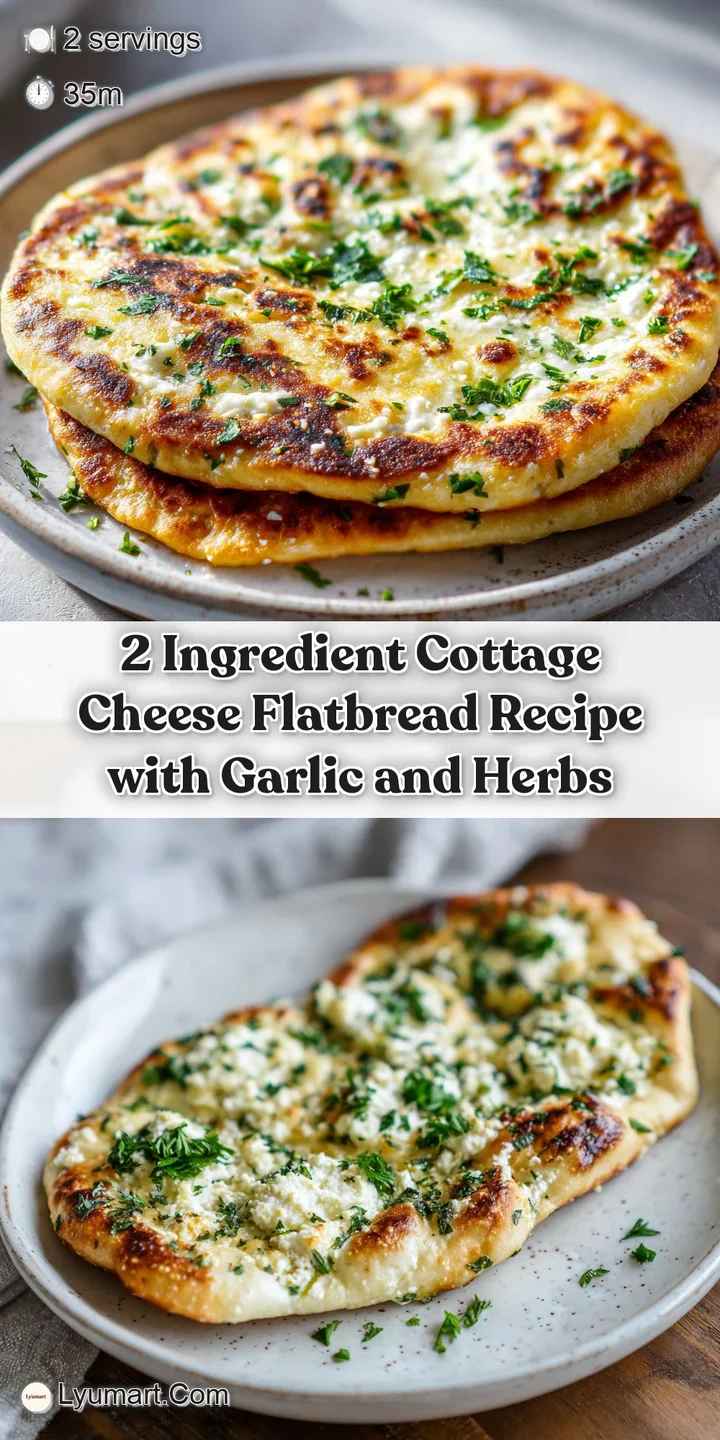
The beauty of this 2 Ingredient Cottage Cheese Flatbread Recipe with Garlic and Herbs is its versatility. It’s strong enough to hold heavy ingredients but light enough not to weigh you down.
For a fast and affordable lunch, I love filling this with sliced turkey, avocado, and a handful of sprouts. If you're feeling fancy, use it as a base for a Chicken Shawarma with recipe wrap. The garlic and herbs in the bread complement the spices in the chicken perfectly.
- If you want a Pizza Base
- Bake the flatbread for 25 minutes, add toppings, and bake for another 10 minutes until cheese is bubbly.
- If you want Breakfast Crepes
- Omit the garlic and herbs, add a drop of vanilla and a pinch of cinnamon.
- If you want Taco Shells
- Drape the warm flatbread over the rungs of an oven rack for the last 5 minutes of baking to create a U shape.
Whatever you choose, remember that the thickness of your spread determines the final utility. Thinner spreads make better wraps, while slightly thicker pours make excellent sandwich "bread" replacements. Enjoy the protein boost!
Recipe FAQs
How to make flatbread with two ingredients?
Combine and blend cottage cheese and eggs until completely smooth. Pour the mixture onto parchment paper and spread very thinly before baking at 350°F (175°C) until golden and firm.
Can you make flatbread with cottage cheese?
Yes, cottage cheese is the main structural ingredient. Its high protein and moisture content allows it to form a cohesive matrix when baked, replacing traditional flour entirely.
What herbs and spices go with cottage cheese?
Garlic powder, dried Italian herbs, and sea salt are the recommended starting profile. These flavors complement the mild tanginess of the cheese beautifully. If you enjoy balancing flavors, see how we handle sweet and savory contrasts in our Juicy Garlic Parmesan recipe.
Why does my cottage cheese flatbread fall apart?
It likely didn't bake long enough or the batter was too thick. The structure relies on the egg proteins fully setting, so if it feels wet underneath, it needs more time in the oven to dry out and firm up.
Is it true I must use full fat cottage cheese for the best result?
No, low-fat works, but full fat is strongly recommended. Higher fat content results in a more flexible, less brittle flatbread that holds together better when rolled.
How do I ensure my flatbread isn't soggy in the middle?
Ensure you use parchment paper and spread the batter extremely thin, about 1/4 inch thick. If you mastered controlling the spread consistency here, you can apply the same technique for thin layering in our French's Green Bean Casserole recipe.
Can I substitute the eggs in this recipe?
Yes, you can substitute, but the structure will change significantly. Use a flax egg or commercial binder if you must avoid eggs, but expect a much denser, potentially more fragile result.
Cottage Cheese Garlic Herb Flatbread

Ingredients:
Instructions:
Nutrition Facts:
| Calories | 187 kcal |
|---|---|
| Protein | 19.3 g |
| Fat | 9.6 g |
| Carbs | 5.3 g |
| Fiber | 0.4 g |
| Sugar | 3.2 g |
| Sodium | 698 mg |
