Roasted Chicken Thighs: Ultra Crispy
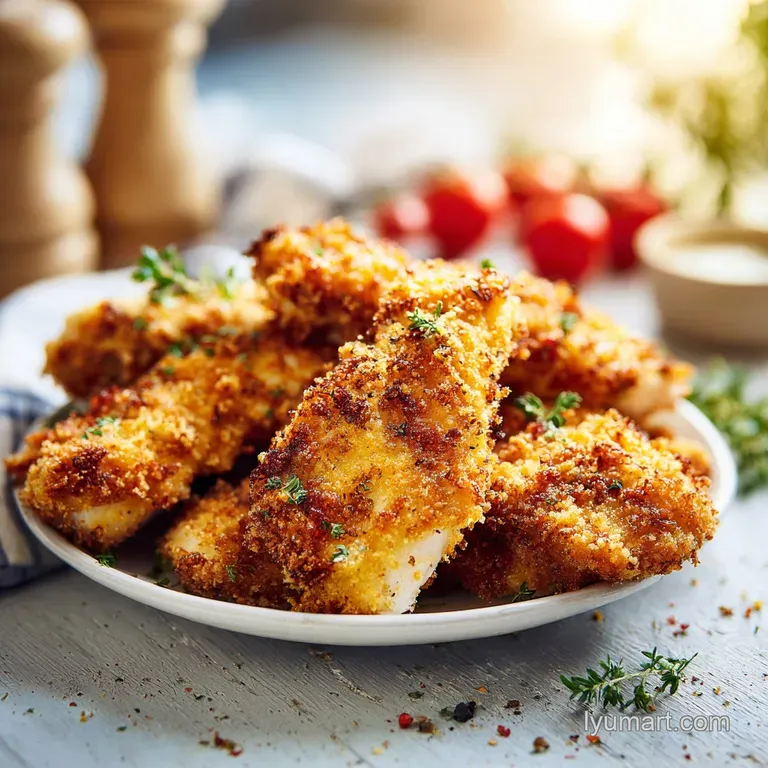
- Time: Active 10 minutes, Passive 35 minutes, Total 45 minutes
- Flavor/Texture Hook: Shatteringly crispy skin with a smoky, garlic herb finish
- Perfect for: Stress free weeknight dinners or reliable meal prep
- The Secret to Shatteringly Crisp Skin on Roasted Chicken Thighs
- Why This Works
- Component Analysis
- Essential Elements and Simple Swaps
- The Right Tools for the Job
- From Prep to Plate
- Solving the Soggy Bottom Syndrome
- Adjusting the Yield
- Kitchen Myths
- Storage and Zero Waste Guidelines
- Plating for Impact
- Recipe FAQs
- 📝 Recipe Card
The Secret to Shatteringly Crisp Skin on Roasted Chicken Thighs
You know that specific sound? The one where you press a fork against a piece of chicken and it sounds like a dry leaf crunching under a boot? That is exactly what we are chasing here.
I used to think that achieving that level of crispiness required a deep fryer or at least twenty minutes of active searing in a heavy pan that inevitably splattered grease across my entire backsplash.
But honestly, I found out the hard way that the real secret isn't about more oil or fancy equipment; it is about managing moisture and airflow.
When you slide these Roasted Chicken Thighs into a hot oven, you aren't just cooking them; you're performing a little bit of kitchen magic where the fat renders out and fries the skin from the inside out.
I remember one Tuesday night when I was particularly exhausted, I almost skipped the step of patting the chicken dry. Big mistake. That batch came out pale and rubbery because the surface moisture turned into steam instead of evaporating. Now, I treat that roll of paper towels like my best friend.
This recipe is my absolute go to because it is humble, satisfying, and works every single time. It is the kind of comfort food that fills the house with the aroma of smoked paprika and garlic, making everyone gravitate toward the kitchen before the timer even goes off.
We are going to use a over high heat approach that bypasses the need for flipping or fussing, giving you a consistent result that looks like it came out of a professional rotisserie but took you less than ten minutes of actual "work."
Why This Works
- Surface Desiccation: Patting the skin bone dry removes the barrier of water that causes steaming, allowing the Maillard reaction to start immediately upon entering the heat.
- Thermal Convection: Using a wire rack lifts the meat, allowing hot air to circulate 360 degrees around the thigh, preventing the "soggy bottom" syndrome.
- Fat Rendering: The 425°F (218°C) temperature is high enough to melt the subcutaneous fat quickly, which then essentially shallow fries the skin in its own juices.
- Osmotic Seasoning: Small grain sea salt draws out deep seated moisture while the smoked paprika provides a dry, insulating layer that helps the skin brown evenly.
Quick Decision Table
| Thickness | Internal Temp | Rest Time | Visual Cue |
|---|---|---|---|
| Standard (2.5 cm) | 79°C (175°F) | 5 minutes | Skin is deeply bronzed and tight |
| Large (3.5 cm) | 79°C (175°F) | 7 minutes | Juices run clear when pierced |
| Small (1.5 cm) | 79°C (175°F) | 3 minutes | Skin starts to pull back from bone |
Selecting the right method for your evening makes a world of difference. While some prefer a low and slow roast, that often leads to soft skin. This over high heat method is the gold standard for those who value texture above all else. If you are looking for more variety in your weekly rotation, you might also enjoy my one pan chicken and veggies which utilizes a similar over high heat principle but incorporates a full side of greens.
Component Analysis
| Component | Science Role | Pro Secret |
|---|---|---|
| Bone in Thighs | Provides thermal mass and collagen for moisture retention. | Leave the trim fat on; it helps baste the meat as it melts. |
| Smoked Paprika | Acts as a natural colorant and adds earthy depth without sugar. | Rub it into the skin firmly to ensure it doesn't just sit on top. |
| Olive Oil | Conducts heat and helps the dry rub stick to the surface. | Use just enough to glisten; too much oil can actually inhibit crisping. |
Essential Elements and Simple Swaps
To get that classic, satisfying result, we need to be specific about our choices. I always go for bone in, skin on thighs because the bone acts as a heat conductor, cooking the meat from the inside out, while the skin provides that much needed fat cap. If you're ever in a pinch and need a faster protein, my Chicken Tenderloin Recipe is a fantastic herb heavy alternative that cooks in under 20 minutes, though it won't have that iconic crunch.
- 1.75 lb bone in, skin on chicken thighs: Why this? The skin protects the meat from drying out at high temperatures.
- Substitute: Chicken drumsticks work perfectly with the same timing.
- 1 tbsp extra virgin olive oil: Why this? It has a high enough smoke point for this roast and adds flavor.
- Substitute: Avocado oil or melted ghee for a higher smoke point.
- 1 tsp fine sea salt: Why this? Finer grains penetrate the skin better than chunky kosher salt.
- Substitute: Table salt, but reduce the amount by 1/4 tsp to avoid over salting.
- 0.5 tsp freshly cracked black pepper: Why this? Freshly cracked oils provide a sharper bite than pre ground.
- Substitute: White pepper for a more subtle, floral heat.
- 1 tsp garlic powder: Why this? Fresh garlic burns at 425°F; powder caramelizes beautifully.
- Substitute: Onion powder (extra) if you are avoiding garlic.
- 1 tsp smoked paprika: Why this? Adds that "roasted all day" color and a subtle backyard BBQ scent.
- Substitute: Sweet paprika mixed with a pinch of cumin.
- 0.5 tsp onion powder: Why this? Provides a savory, umami base that rounds out the salt.
- Substitute: Garlic powder (extra) or celery salt.
- 0.25 tsp dried oregano: Why this? Adds an herbaceous note that cuts through the richness of the fat.
- Substitute: Dried thyme or rosemary.
The Right Tools for the Job
You don't need a kitchen full of gadgets, but there are two must have tools that change the game here. First, a rimmed baking sheet. Please, don't use a glass casserole dish. Glass doesn't conduct heat as efficiently as metal, and the high sides of a casserole dish will trap steam, leading to boiled tasting chicken.
A metal sheet pan allows the heat to hit the meat directly.
Second, the wire cooling rack. This is my number one trick. By placing the chicken on a rack above the pan, you ensure that the bottom of the thigh isn't sitting in a pool of its own grease. This keeps the underside from getting soggy and allows the hot air to hit the bottom skin, too.
If you don't have a rack, you can roughly chop some carrots and onions and use those as a "trivet" to lift the chicken up, but the rack is truly the way to go for the best Roasted Chicken Thighs.
From Prep to Plate

- Heat the environment. Preheat your oven to 425°F (218°C). Note: This high temp is non negotiable for rendering the fat quickly.
- Dry the surface. Use paper towels to pat the chicken thighs completely dry on all sides. Note: If the skin feels tacky or wet, keep blotting; dryness is the key to the shatter effect.
- Mix the aromatics. In a small bowl, whisk together the sea salt, black pepper, garlic powder, smoked paprika, onion powder, and dried oregano until uniform.
- Apply the binder. Lightly coat each thigh with olive oil. Note: Use your hands to ensure every nook and cranny is covered, which helps the seasoning stick.
- Season generously. Sprinkle the dry rub over both sides of the chicken. I like to start with the bottom side, then flip them over and do the skin side last so I don't rub the spices off.
- Position for airflow. Place the thighs skin side up on a wire rack set over a rimmed baking sheet. Ensure they aren't touching so the air can move between them.
- Begin the roast. Slide the pan into the center rack of the oven.
- Monitor the color. Roast for 30–35 minutes until the skin is deeply bronzed and crackling.
- Check the vitals. Use a meat thermometer to ensure the internal temperature reaches 79°C (175°F). Note: Thighs are better at 175°F than the standard 165°F because the extra heat breaks down the connective tissue.
- The patience phase. Transfer the chicken to a plate and let it rest for 5 minutes. Wait for the juices to settle before you even think about cutting into them.
Solving the Soggy Bottom Syndrome
One of the most frequent complaints I hear from friends is that their chicken looks great on top but is a wet mess on the bottom. This usually happens because the chicken is sitting directly on the pan, or the oven wasn't preheated long enough.
If the oven is "climbing" to temperature while the chicken is inside, the fat doesn't render; it just slowly melts, creating a steam bath.
Troubleshooting Your Roast
| Problem | Root Cause | Solution |
|---|---|---|
| Rubberized Skin | Excessive moisture or low oven temperature. | Pat drier next time and ensure oven is at 218°C before entering. |
| Bitter Aftertaste | Spices (especially paprika) burnt under the broiler. | Keep the pan in the center rack, not the top; avoid the broiler. |
| Dry Meat | Overcooking or using boneless thighs without adjusting time. | Pull the meat at 77°C; it will rise to 79°C while resting. |
Common Mistakes Checklist
- ✓ Skipping the "pat dry" step (moisture is the enemy of crisp).
- ✓ Using a cold baking sheet (always put the chicken on a room temp or preheated pan).
- ✓ Crowding the pan (leave at least 2 cm between thighs for air movement).
- ✓ Forgetting to rest (cutting too early lets all that humble, delicious juice escape).
- ✓ Using "old" spices (if your paprika doesn't smell like anything, it won't taste like anything).
Adjusting the Yield
If you are cooking for a crowd or just yourself, scaling this recipe is quite simple. When cutting the recipe in half, use a smaller quarter sheet pan but keep the temperature the same.
The cook time might drop by about 5 minutes because there is less "cold" meat in the oven absorbing the heat, so start checking the temperature at the 25 minute mark.
When doubling the recipe to 8 or 10 thighs, the biggest danger is overcrowding. You might be tempted to squeeze them all onto one tray, but trust me, don't. Use two separate baking sheets on different racks.
About halfway through the cooking time, swap the top tray to the bottom and the bottom to the top to ensure even browning. You may also need to add 5-10 minutes to the total time since the oven has to work harder to maintain that 218°C with all that cold chicken inside.
Kitchen Myths
One of the biggest myths I used to believe was that you had to sear the chicken in a pan first to "lock in the juices." Science actually tells us that searing doesn't seal anything; it just creates flavor through the Maillard reaction.
In a over high heat oven, you get that same reaction across the entire surface without the mess of stovetop frying.
Another common misconception is that you should always cook chicken to 165°F (74°C). While that is the safety standard, dark meat like thighs actually tastes better when cooked to 175°F (79°C).
At this higher temperature, the collagen in the thighs melts into gelatin, giving you that silky, succulent mouthfeel that makes this dish so satisfying.
Storage and Zero Waste Guidelines
Leftover Roasted Chicken Thighs are a gift to your future self. You can store them in an airtight container in the fridge for up to 4 days. When reheating, I highly recommend avoiding the microwave, which turns the skin into wet paper.
Instead, pop them back into a 400°F (200°C) oven or an air fryer for about 6-8 minutes. This brings that crunch back to life almost perfectly.
For long term storage, you can freeze the cooked thighs for up to 3 months. Thaw them overnight in the fridge before reheating. Now, for the zero waste part: don't you dare throw away those bones! Even if you only have four, put them in a freezer bag. Once you have a dozen or so, simmer them with some onion scraps and carrot ends to make a humble, rich bone broth. Also, any leftover meat is incredible shredded into a salad or used in my garlic meatloaf if you're looking for a way to bulk up another protein heavy meal.
Plating for Impact
Even a humble weeknight meal deserves to look good. When you plate these, don't just dump them on the dish. I like to place them on a shallow bed of greens or over a pile of mashed potatoes.
The "Garnish Pop" is real a quick sprinkle of fresh parsley or a few flakes of Maldon salt right before serving makes the bronzed skin look even more appetizing.
Plating for impact also means considering the "rest." When you take the chicken out of the oven, move it to a clean plate or cutting board, not the pan it cooked in. If it sits in the rendered fat while resting, the bottom will lose its crispness.
Lift it out, let it breathe for five minutes, and then serve it skin side up. That first bite, where you hear the skin crack, is the only validation you'll ever need that this recipe is a keeper.

Recipe FAQs
Should I bake chicken thighs at 350 or 400?
Neither, use 425°F (218°C). Higher heat is essential for rendering the fat and achieving the signature crispy skin while keeping the meat juicy.
Can a diabetic eat baked chicken?
Yes, chicken is an excellent protein choice. Since this preparation uses only herbs and olive oil with no added sugars or carbohydrates, it fits well into a blood sugar-conscious diet.
How long should chicken thighs be in the oven?
Roast for 30 35 minutes. Always verify the internal temperature has reached 175°F (79°C) before pulling them out to rest.
Do chicken thighs increase LDL cholesterol?
No, this is a common misconception. While chicken thighs contain more fat than breasts, the impact on LDL cholesterol depends on your overall dietary pattern rather than a single ingredient.
How to avoid rubbery skin when roasting chicken?
Pat the chicken completely dry with paper towels before seasoning, and ensure your oven is fully preheated to 425°F before you slide the pan into the center rack.
How to reheat leftover chicken thighs without losing the crunch?
Avoid the microwave entirely to prevent the skin from becoming soggy. Instead, reheat in a 400°F oven or air fryer for 6 8 minutes to restore the crispy texture.
How to ensure the meat stays juicy after cooking?
Pull the meat at 170°F (77°C) and allow it to rest for 5 minutes. If you mastered the sensory doneness cues here, apply them to our Ritz Cracker Chicken Casserole for consistent, tender results.
Crispy Roasted Chicken Thighs

Ingredients:
Instructions:
Nutrition Facts:
| Calories | 418 kcal |
|---|---|
| Protein | 31.8 g |
| Fat | 31.2 g |
| Carbs | 1.1 g |
| Fiber | 0.3 g |
| Sugar | 0.1 g |
| Sodium | 615 mg |
