Velvety Homemade French Toast Recipe
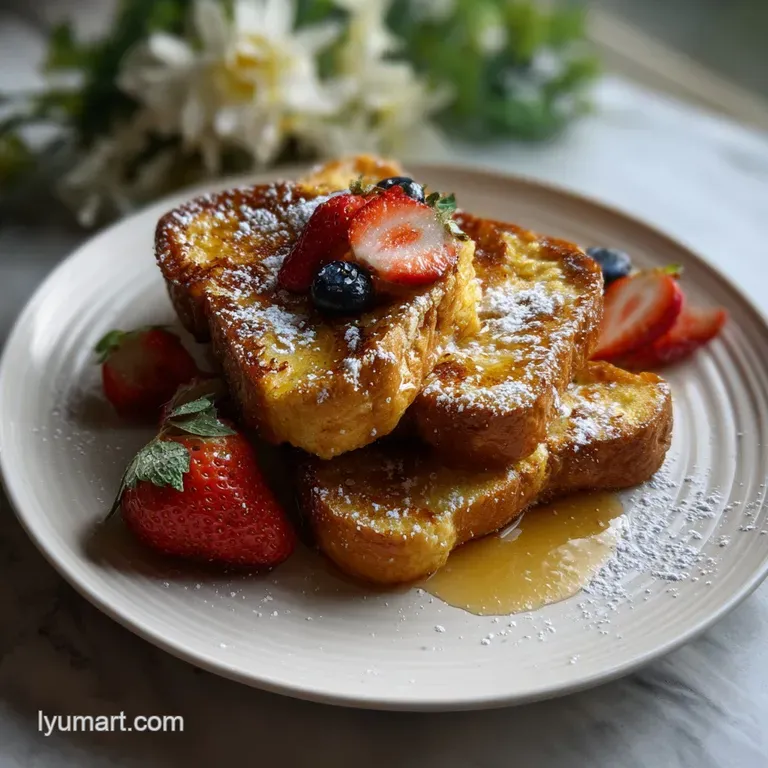
- Time: Active 10 minutes, Passive 15 minutes, Total 25 minutes
- Flavor/Texture Hook: Shatter crisp exterior with a velvety, pudding like interior
- Perfect for: Lazy weekend mornings and foolproof family brunches
- Achieving the Best Homemade French Toast Recipe
- Science Behind the Golden Crust
- Fast Versus Slow Cooking Methods
- Essential Components for Perfect Custard
- Minimal Tools for Better Results
- Simple Steps for Crispy Edges
- Solving Common Soggy Bread Issues
- Tasty Twists for Sunday Morning
- Preserving Texture During Storage
- Serving Ideas Your Family Loves
- Debunking Common Breakfast Cooking Myths
- Recipe FAQs
- 📝 Recipe Card
Have you ever wondered why restaurant breakfast always tastes better than what comes out of your own skillet? I spent years pulling soggy, limp bread out of my pan before I realized I was just making "egg bread" instead of real custard based toast.
There is nothing worse than cutting into a promising slice only to find a raw, weeping center.
This homemade french toast recipe is the solution I finally landed on after dozens of failed attempts. We aren't just dipping bread in eggs; we are engineering a specific texture that relies on the right thickness of bread and a very specific soaking time.
It's the kind of breakfast that makes the whole house smell like a bakery, and honestly, your family will probably start requesting it every single Sunday.
Right then, let's get into how we actually make this work without making a mess or wasting half an hour on prep. We are focusing on minimal tools just a bowl, a whisk, and a solid skillet. You don't need fancy gadgets to get that classic, diner style finish.
Trust me on this: once you nail the custard ratio, you’ll never go back to the "splash of milk and one egg" guessing game again.
Achieving the Best Homemade French Toast Recipe
Why Bread Choice Matters
The structure of your bread is the foundation of the entire dish. I once tried using thin sandwich bread, and it disintegrated the moment it touched the liquid. You need a sturdy, tight crumb bread like thick cut brioche or challah. These breads act like a sponge, holding onto the custard without falling apart.
If you use something too airy, like a baguette, you'll end up with chewy, tough edges rather than a velvety center.
Ratio Affecting Texture
Getting the egg to milk balance right is the secret to a rich mouthfeel. If you use too many eggs, the toast tastes like an omelet. If you use too much milk, the bread stays wet and never crisps up. By using 4 large eggs to 1 cup of whole milk, we create a stable emulsion that browns beautifully.
This specific ratio ensures the proteins set firmly while the fat from the milk provides that signature creamy finish.
Role of Temperature Control
Most people crank the heat too high because they want that quick sear. Don't do that. You want a medium low heat to allow the custard to cook through to the center of the 8 slices of thick cut brioche bread. If the pan is screaming hot, the outside burns before the inside sets.
We use a mix of 2 tbsp unsalted butter and 1 tsp neutral oil to keep the butter from burning while providing that essential salty, nutty flavor.
Science Behind the Golden Crust
To understand why this method is so reliable, we have to look at the physics of the pan. It isn't just about heat; it's about how the ingredients interact under pressure.
- Protein Denaturation: The 4 large eggs provide proteins that uncoil and rebond when heated, turning the liquid custard into a semi solid structure that supports the bread's weight.
- Maillard Reaction: The combination of 2 tbsp granulated sugar and the natural sugars in the brioche reacts with the heat, creating hundreds of flavor compounds and that deep brown color.
- Starch Gelatinization: As the bread heats up, the starches within the flour absorb the moisture from the milk, swelling up to create a soft, pillowy interior that isn't runny.
Fast Versus Slow Cooking Methods
Sometimes you're in a rush, and sometimes you have all morning. While I always recommend the classic soak, here is how the two approaches stack up against each other.
| Method | Texture Outcome | Effort Level | Best For |
|---|---|---|---|
| Quick Dip | Crispy skin, dry bread center | Low | Busy school mornings |
| Classic Soak | Velvety, custard filled middle | Medium | Sunday brunch with family |
| Overnight | Bread pudding like consistency | High | Holiday breakfast prep |
Essential Components for Perfect Custard
Choosing the right ingredients makes a massive difference in the final result. I always reach for Nielsen Massey Pure Vanilla Extract because cheap imitation vanilla loses its punch once it hits the hot pan.
For the milk, stick with full fat whole milk; low-fat versions just don't have the "body" needed to create a rich custard.
Component Analysis
| Ingredient | Science Role | Pro Secret |
|---|---|---|
| 4 Large Eggs | Structural binder | Room temp eggs mix faster |
| 1 Cup Whole Milk | Fat and hydration | Never use skim milk here |
| Brioche Bread | Starch framework | Use bread that is a day old |
| Ground Cinnamon | Flavor and aroma | Whisk into sugar to prevent lumps |
For the Custard Base
- 4 large eggs (room temperature)
- Substitute: 1 cup of heavy cream (if you want it even richer)
- Why this? Provides the essential protein structure to hold the liquid together.
- 1 cup whole milk
- Substitute: 1 cup of full fat coconut milk
- Why this? Adds necessary fat for a velvety, non rubbery mouthfeel.
- 2 tbsp granulated sugar
- Substitute: 2 tbsp of maple syrup
- Why this? Promotes browning through caramelization on the bread's surface.
- 1 tbsp pure vanilla extract
- Substitute: 1 tsp almond extract
- Why this? Deepens the flavor profile and masks any "eggy" scent.
- 1 tsp ground cinnamon
- Substitute: 1/2 tsp ground nutmeg
- Why this? Adds warmth and a classic breakfast aroma to the crust.
- 1/4 tsp fine sea salt
- Substitute: 1/4 tsp kosher salt
- Why this? Balances the sweetness and makes the vanilla notes pop.
For the Bread & Frying
- 8 slices thick cut brioche bread
- Substitute: Challah or thick cut Texas toast
- Why this? Its sturdy crumb prevents the toast from becoming a soggy mess.
- 2 tbsp unsalted butter
- Substitute: 2 tbsp of clarified butter (ghee)
- Why this? Provides the iconic nutty flavor and golden brown finish.
- 1 tsp neutral oil (like canola or grapeseed)
- Substitute: 1 tsp coconut oil
- Why this? Raises the smoke point so the butter doesn't burn during frying.
Minimal Tools for Better Results
You don't need a professional kitchen for this homemade french toast recipe. In fact, fewer tools often mean less cleanup and better focus on the pan.
- Lodge Cast Iron Skillet: I prefer cast iron because it holds heat so evenly. Once it gets warm, it stays warm, which is vital when you're cooking multiple batches. A non stick pan works too, but you won't get quite the same "shatter" on the crust.
- Wide Shallow Bowl: Don't use a deep mixing bowl. A pie plate or a shallow dish allows you to lay the brioche flat so it soaks evenly across the whole slice.
- Flat Spatula: Use a thin, metal spatula if you’re using cast iron. It lets you get right under the crust without tearing the delicate, soaked bread.
Simple Steps for Crispy Edges

Follow these steps exactly to ensure your toast doesn't end up soggy. The key is in the timing of the soak too short and it’s dry, too long and it’s mush.
- Whisk eggs. Beat the 4 large eggs in your shallow dish until no streaks of white remain. Note: Thorough whisking prevents "fried egg" bits on your toast.
- Add liquids. Pour in 1 cup whole milk, 2 tbsp granulated sugar, 1 tbsp vanilla, 1 tsp cinnamon, and 1/4 tsp salt.
- Combine well. Whisk until the cinnamon is distributed. Note: Cinnamon tends to float, so keep whisking as you go.
- Heat skillet. Place your Lodge skillet over medium low heat and add 2 tbsp unsalted butter and 1 tsp oil.
- Soak bread. Place a slice of brioche in the custard for exactly 15 seconds per side. Note: Thick cut bread needs this time to reach the center.
- Drain excess. Lift the bread and let the extra custard drip off for 2 seconds.
- Searing process. Lay the bread into the sizzling butter immediately.
- Cook side one. Fry for about 3 to 4 minutes until golden and smelling like toasted sugar.
- Flip carefully. Turn the slice over and cook for another 3 minutes until the center feels slightly firm when pressed.
- Rest briefly. Transfer to a wire rack for 1 minute. Note: This prevents the bottom from getting soggy on a flat plate.
Chef's Tip: If you find your cinnamon is clumping into little balls in the custard, mix the cinnamon with the sugar first before adding the liquid. The sugar granules act as an abrasive that breaks up the spice clumps, ensuring an even coating on every slice.
Solving Common Soggy Bread Issues
Nothing ruins a morning like a plate of mush. Most issues come down to moisture management and heat levels. If your breakfast feels more like a wet sponge than a crispy treat, check your technique against the table below.
Fixing Soggy Middles
The most common mistake is using bread that is too fresh. Fresh bread is already full of moisture. When you dip it in custard, it can't hold any more, so the structure collapses. If you only have fresh bread, pop it in a 150°C oven for 5 minutes to dry it out before soaking.
Cinnamon Clumping Issues
Cinnamon is hydrophobic, meaning it hates water. Since milk and eggs are mostly water, the spice will try to clump together. By whisking constantly or using the sugar mix trick mentioned above, you ensure every bite of this homemade french toast recipe has that warm, spicy kick.
| Problem | Cause | Fix | Pro Tip |
|---|---|---|---|
| Soggy Center | Bread was too fresh | Use day old bread | Oven dry fresh slices first |
| Burnt Outside | Heat was too high | Lower to medium low | Use a mix of butter and oil |
| Bland Taste | Not enough salt | Increase sea salt slightly | Salt makes the vanilla shine |
Tasty Twists for Sunday Morning
Once you have the base recipe down, you can start playing with the flavors. It’s a great way to use up what you have in the pantry. For example, if you're out of milk, you can try a french toast recipe without milk by using heavy cream or a non dairy alternative like almond milk, though it will be slightly less creamy.
- Homemade French Toast Sticks: Cut your brioche into thick batons before soaking. They are much easier for kids to handle and have more surface area for that crispy crust.
- Cinnamon French Toast Recipe Twist: Double the cinnamon and add a pinch of cardamom to the custard for a more "chai spiced" vibe.
- Berry Stuffed: Sandwich two thin slices with a layer of cream cheese and jam before soaking. It’s like a breakfast version of a grilled cheese.
If you are looking for other sweet treats to round out your brunch table, my Brownies Recipe From Scratch is always a hit with the kids, even if it feels a bit indulgent for 10:00 AM!
Decision Shortcut
- If you want maximum crunch: Use sourdough bread and a cast iron skillet.
- If you want a "dessert" feel: Add a tablespoon of bourbon to the custard.
- If you want a healthier version: Use whole grain bread and skip the sugar in the custard.
Preserving Texture During Storage
French toast is best eaten right out of the pan, but life happens. If you have leftovers, don't just throw them in a plastic bag, or they’ll turn into a gummy mess.
Storage: Store cooked slices in an airtight container in the fridge for up to 3 days. To keep them from sticking, place a piece of parchment paper between each slice.
Freezing: This is a fantastic meal prep hack. Freeze individual slices on a baking sheet for 1 hour, then move them to a freezer bag. They stay good for up to 2 months.
Reheating: Avoid the microwave! It makes the bread rubbery. Instead, pop the slices into a toaster or a 175°C oven for 5 minutes until they sizzle again. This restores the exterior crunch that the fridge usually kills.
Zero Waste Tip: If you have leftover custard, don't pour it down the drain. Whisk in a little more flour and a pinch of baking powder to make a quick "custard pancake" for whoever is cleaning up the kitchen.
Serving Ideas Your Family Loves
Presentation doesn't have to be "fancy," but a few small touches make it feel like a special occasion. I like to serve these 8 slices with a side of crispy bacon to balance the sweetness. If you're looking for a savory side that isn't meat, a simple roasted vegetables recipe can actually provide a nice earthy contrast to the rich brioche.
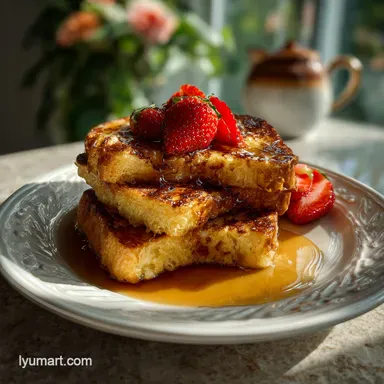
- The Classic: A heavy dusting of powdered sugar and a generous pour of real maple syrup.
- Fresh & Bright: Top with sliced strawberries, blueberries, and a dollop of Greek yogurt.
- Decadent: Add a smear of peanut butter and sliced bananas while the toast is still hot so the butter melts.
Honestly, don't even bother with the "pancake syrup" that is mostly corn syrup. Invest in a small bottle of Grade A maple syrup; the woody, complex flavor is the perfect partner for the cinnamon in this recipe.
Debunking Common Breakfast Cooking Myths
There is a lot of bad advice out there about how to make the "perfect" slice. Let's clear some of that up right now.
Myth: Searing at high heat seals in the custard. The truth is that high heat just shocks the outside and leaves the inside raw. You aren't "sealing" anything; you're just creating a barrier that prevents the middle from cooking. Medium low is your best friend here.
Myth: You need to soak the bread for several minutes. If you soak for minutes, the bread will fall apart before it ever reaches the pan. For 2cm thick brioche, 15 to 20 seconds is the sweet spot. Anything more and you’re making bread pudding, not toast.
Myth: Only expensive bread works. While brioche is my favorite, you can make a great version with any thick cut loaf, even a basic white "Texas Toast." The key isn't the price tag; it's the thickness and the "staleness" of the slice.
Next time you're planning a big dinner, like a Beef Stir Fry Recipe, remember that a solid breakfast like this sets the tone for the whole day. It's simple, it's reliable, and it works every single time. Happy cooking!

Recipe FAQs
how to make homemade french toast?
Whisk eggs, milk, sugar, and spices into a custard. Dip thick cut bread (like brioche) for about 15 seconds per side, allowing excess to drip off. Fry in a butter/oil mix over medium low heat for 3-4 minutes per side until golden brown and the center is set.
how to make homemade french toast sticks?
Yes, cut the bread first. Slice your thick brioche or challah into baton shapes before dipping them into the custard mixture. This increases the surface area for a crispier crust and makes them easy to serve.
how to make homemade french toast with bread?
Use day-old, thick cut bread. The structure of sturdy bread, such as brioche or challah, is crucial for absorbing the custard without disintegrating in the pan. If your bread is too fresh, briefly toast it in a low oven to dry it out first.
how to make homemade french toast without eggs?
No, a true custard requires eggs for structure. Eggs are the primary protein binder that sets when heated, creating that velvety interior texture. Without them, you are essentially just making sweetened, soaked bread, which risks falling apart.
how to make homemade french toast easy?
Keep the heat low and use a wide, shallow dish. Easy execution relies on even cooking; high heat burns the outside before the center cooks through. If you master the texture control here, you’ll find the basic pan-frying process surprisingly quick.
What is the best bread for this recipe?
Brioche or Challah are superior choices. Their high fat and tight crumb structure can absorb the custard deeply without becoming overly saturated. Mastering this dense structure is similar to getting the right texture in rich baked goods.
How long should I soak the bread?
For thick slices, aim for 15-20 seconds per side. This soaking time is the sweet spot required for the starch in the bread to fully hydrate with the milk, creating a pudding like center without dissolving before it hits the heat.
Homemade French Toast Recipe
Ingredients:
Instructions:
Nutrition Facts:
| Calories | 504 calories |
|---|---|
| Protein | 16g |
| Fat | 26g |
| Carbs | 50g |
| Fiber | 2.5g |
| Sugar | 17g |
| Sodium | 385mg |
