Authentic Huli Huli Chicken
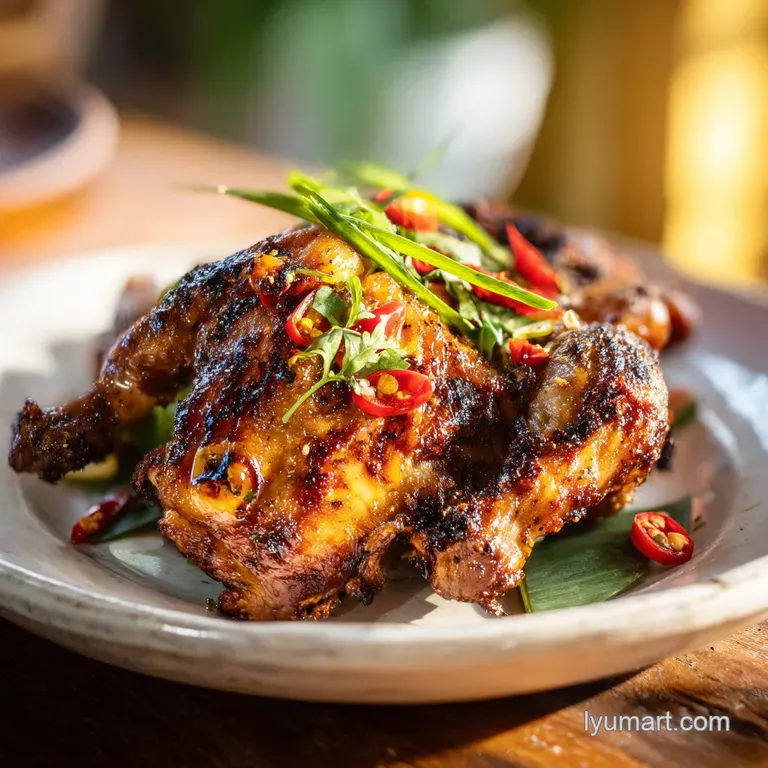
- Time: Active 20 minutes, Passive 25 minutes, Total 45 minutes
- Flavor/Texture Hook: Charred, sticky skin with a tender, tropical interior
- Perfect for: High volume backyard BBQs or easy weeknight meal prep
- Why This Smoky Hawaiian Classic Wins Every Summer BBQ
- Everything You Need To Know Before Heating The Grill
- The Science Of Sweet And Savory In Your Marinade
- Minimalist Kitchen Tools Required For A Perfect Island Feast
- Mastering The Rotation For The Perfect Glazed Chicken Finish
- Common Pitfalls And Pro Fixes For The Best Results
- Creative Ways To Put A Personal Spin On Dinner
- How To Store And Save Every Single Last Bite
- Stunning Ways To Plate Your Island Style Chicken Dinner
- High in Sodium (⚠️)
- Recipe FAQs
- 📝 Recipe Card
Why This Smoky Hawaiian Classic Wins Every Summer BBQ
The first time I encountered this dish, I wasn't in a fancy restaurant. I was standing in a parking lot on the North Shore, following a plume of sweet, woody smoke that seemed to coat everything in a five mile radius.
There was a massive charcoal pit with dozens of chickens spinning slowly, their skin turning a deep, mahogany red that looked almost like stained glass. The sound of the fat hitting the coals that sharp, rhythmic hiss is something you never forget.
I tried to recreate it at home and failed miserably the first three times. I burnt the skin before the meat was cooked, or I ended up with a soggy mess because I didn't understand the "huli" (the turn).
It took a lot of sticky fingers and a few smoke alarms to realize that Huli Huli Chicken isn't just a recipe; it's a technique of layers. You aren't just cooking meat; you're building a structural glaze that shatters when you bite into it.
This recipe is the result of those experiments. We're using bone in thighs because they're virtually impossible to overcook, and the skin provides the perfect canvas for that iconic sauce. It’s the kind of meal that makes people lean over the fence to ask what’s for dinner.
Trust me, once you see that first flip where the sauce starts to bubble and thicken, you’ll be hooked on the process as much as the flavor.
Everything You Need To Know Before Heating The Grill
- Bromelain Enzyme: Pineapple juice contains bromelain, which physically breaks down protein fibers for extreme tenderness.
- Maillard Management: The high sugar content in dark brown sugar (1/2 cup) triggers rapid browning at 300°F (150°C).
- Acid Stabilization: Sherry vinegar (2 tbsp) cuts through the heavy fat of the chicken skin to keep the flavor profile bright.
- Fat Emulsification: Toasted sesame oil (1 tsp) binds the water based juice to the chicken's natural fats for better adhesion.
| Cooking Method | Prep Time | Texture Result | Best Use Case |
|---|---|---|---|
| Outdoor Charcoal | 20 mins | Smoky, charred, crispy | Traditional authentic flavor |
| Indoor Oven (Convection) | 10 mins | Uniformly glazed, tender | Easy weeknight cleanup |
| Air Fryer | 5 mins | Extra crispy skin, fast | Small batches for two |
Choosing your method depends entirely on how much of that charcoal "funk" you want. While the grill is the gold standard for Huli Huli Chicken, an oven at 400°F (200°C) does a surprisingly good job of mimicking the sear if you use a wire rack.
Just remember that without the "huli" (the turn), you need to be vigilant about sugar burn.
The Science Of Sweet And Savory In Your Marinade
| Component | Science Role | Pro Secret |
|---|---|---|
| Pineapple Juice | Protease Tenderizer | Use unsweetened to control the final sugar burn rate. |
| Dark Brown Sugar | Carbonization Agent | The molasses content adds a deeper color than white sugar. |
| Fresh Ginger | Aromatic Diffusion | Grating it releases oils that penetrate deeper than sliced ginger. |
| Soy Sauce (Shoyu) | Ionic Brining | Salt ions move into the meat, carrying moisture with them. |
The interaction between the soy sauce and the chicken is what keeps the meat juicy even if you accidentally leave it on the heat for an extra five minutes. Much like the technique used in my Cajun Chicken Linguine recipe, the salt in the shoyu acts as a brine, changing the protein structure so it can hold onto more liquid during the over high heat cooking process.
Minimalist Kitchen Tools Required For A Perfect Island Feast
You don't need a professional rotisserie to make incredible Huli Huli Chicken. I use a simple large mixing bowl for the marinade and a set of sturdy locking tongs. If you're cooking indoors, a rimmed baking sheet lined with foil (for your sanity during cleanup) and a wire cooling rack are essential.
The rack allows hot air to circulate under the chicken, preventing the bottom from becoming a soggy, boiled mess.
For the sauce reduction, a small heavy bottomed saucepan works best. You want something that distributes heat evenly so the ketchup and sugar don't scorch at the edges. If you have a microplane, use it for the ginger and garlic the finer the paste, the more "velvety" your final glaze will be.
Honestly, don't even bother with a blender; a simple whisking by hand ensures you don't incorporate too much air into the marinade.
Mastering The Rotation For The Perfect Glazed Chicken Finish
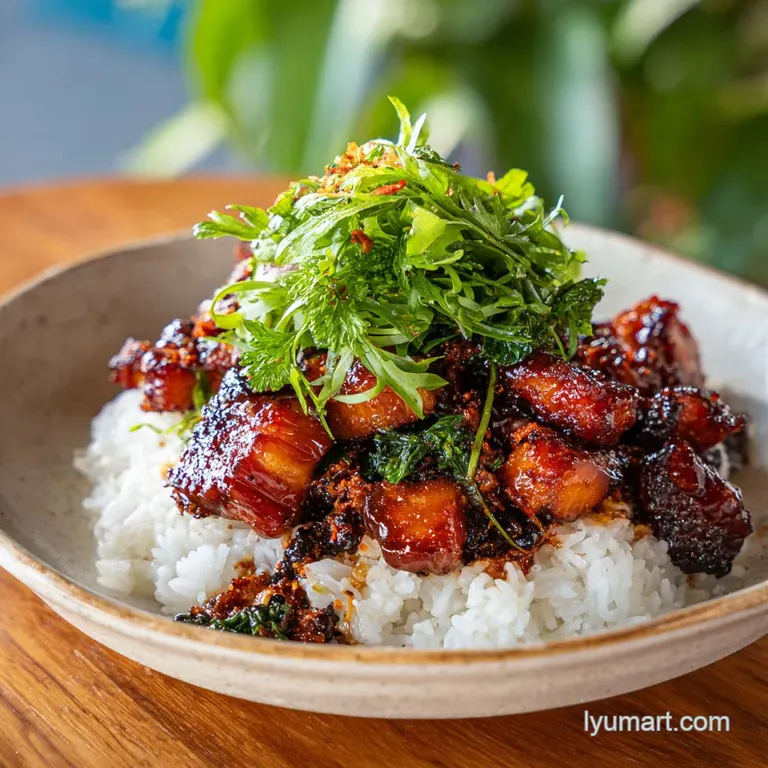
- Whisk the base. Combine 1.5 cups unsweetened pineapple juice, 1/2 cup soy sauce, 1/2 cup dark brown sugar, 1/2 cup ketchup, 2 tbsp vinegar, and 1 tsp sesame oil in a bowl. Note: Whisk until the sugar granules are completely dissolved to ensure even caramelization.
- Infuse the aromatics. Stir in 2 tbsp grated ginger and 4 cloves minced garlic.
- Marinate the protein. Place 3 lbs bone in, skin on chicken thighs in a large bag or bowl; pour over half the marinade. Note: Reserving half the sauce prevents cross contamination and gives you a clean glazing liquid.
- Chill and soak. Refrigerate for at least 4 hours, though 8 hours is the "sweet spot" for flavor depth.
- Simmer the glaze. Pour the reserved (unused) marinade into a saucepan and boil for 10 minutes until it coats the back of a spoon.
- Prepare the heat. Preheat your grill to medium high or oven to 200°C.
- Start the sear. Place chicken skin side down and cook for 5 minutes until the fat begins to sizzle and render.
- Perform the "Huli". Flip the chicken. Brush liberally with the reduced glaze.
- Repeat the rotation. Flip and glaze every 5 minutes for a total of 25 minutes until the internal temp hits 165°F (74°C).
- Final rest. Let the chicken sit for 5 minutes until the juices redistribute and the glaze sets.
Chef's Tip: If you want a "shatter crisp" skin, pat the chicken skin completely dry with paper towels after taking it out of the marinade and before it hits the heat. Moisture is the enemy of the crunch.
Common Pitfalls And Pro Fixes For The Best Results
Why Your Chicken Skin Is Black But The Meat Is Raw
This usually happens because the heat is too high or the chicken was too close to the flame. Because of the 1/2 cup of dark brown sugar, the "burn point" is much lower than plain meat.
If the exterior is darkening too fast, move the chicken to an indirect heat zone (the side of the grill with no active flame) and close the lid to let the ambient heat finish the job.
Solving The Sogginess Problem
If you're cooking in an oven, the chicken often sits in its own juices, which ruins the texture of the skin. Always use a rack. This ensures the skin stays elevated, allowing the rendering fat to drip away while the dry heat turns the glaze into a sticky lacquer. It’s a similar logic to achieving the right crust on my Juicy Garlic Parmesan recipe.
| Problem | Root Cause | Solution |
|---|---|---|
| Bitter Aftertaste | Scorched ginger or sugar | Reduce heat; apply glaze only in the last 15 mins. |
| Tough Meat | Not enough marinating time | Ensure at least 4 hours for the pineapple juice to work. |
| Thin, Runny Sauce | Insufficient reduction | Boil the reserved sauce until it reduces by half. |
Common Mistakes Checklist:
- ✓ Never discard the marinade without boiling it if you plan to use it as a dip.
- ✓ Don't skip the vinegar; the 2 tbsp of sherry vinegar balances the heavy sugar.
- ✓ Avoid using chicken breasts; they dry out far too quickly under this over high heat glazing method.
- ✓ Always use fresh ginger; the powdered stuff lacks the enzymes needed for tenderizing.
- ✓ Wait to glaze until the chicken has cooked for at least 10 minutes to avoid premature burning.
Creative Ways To Put A Personal Spin On Dinner
If you're looking for a "Spicy Volcano" twist, add 1 tbsp of sriracha or 1 tsp of red pepper flakes to the boiling glaze. The heat plays beautifully against the pineapple juice. For those who don't have a grill, the "Oven Hack" is your best friend: broil the chicken for the last 3 minutes of cooking, but watch it like a hawk.
The difference between "perfectly charred" and "ruined" is about 30 seconds under a broiler.
If you are watching your sugar intake, you can swap the dark brown sugar for a monk fruit sweetener, though keep in mind you won't get the same "shatter" texture on the skin. For a completely different vibe, you can use this same marinade on pork ribs or even thick cut cauliflower steaks. If you have leftovers, they make a phenomenal base for a Poblano Chicken Tortilla recipe — the smoky sweetness of the chicken adds a massive layer of complexity to the soup.
How To Store And Save Every Single Last Bite
- Fridge Storage: Keep in an airtight container for up to 4 days. The glaze actually thickens further in the cold.
- Freezer Instructions: You can freeze the raw chicken in the marinade for up to 3 months. As it thaws, it marinates!
- Reheating: Avoid the microwave if possible; it turns the skin rubbery. Use a toaster oven or air fryer at 175°C for 5-8 minutes to restore the crunch.
- Zero Waste Tip: Don't throw away the chicken bones. Simmer them with an onion and a bit of ginger to make a "Hawaiian style" stock for ramen or rice congee.
Stunning Ways To Plate Your Island Style Chicken Dinner
When it comes to the "Luau Style" presentation, go big. I like to serve this on a large wooden platter lined with charred pineapple rings. Since we already have 1.5 cups of juice in the recipe, buy a whole pineapple, slice it into rounds, and throw them on the grill for 2 minutes per side.
The grill marks against the mahogany chicken look professional without any extra effort.
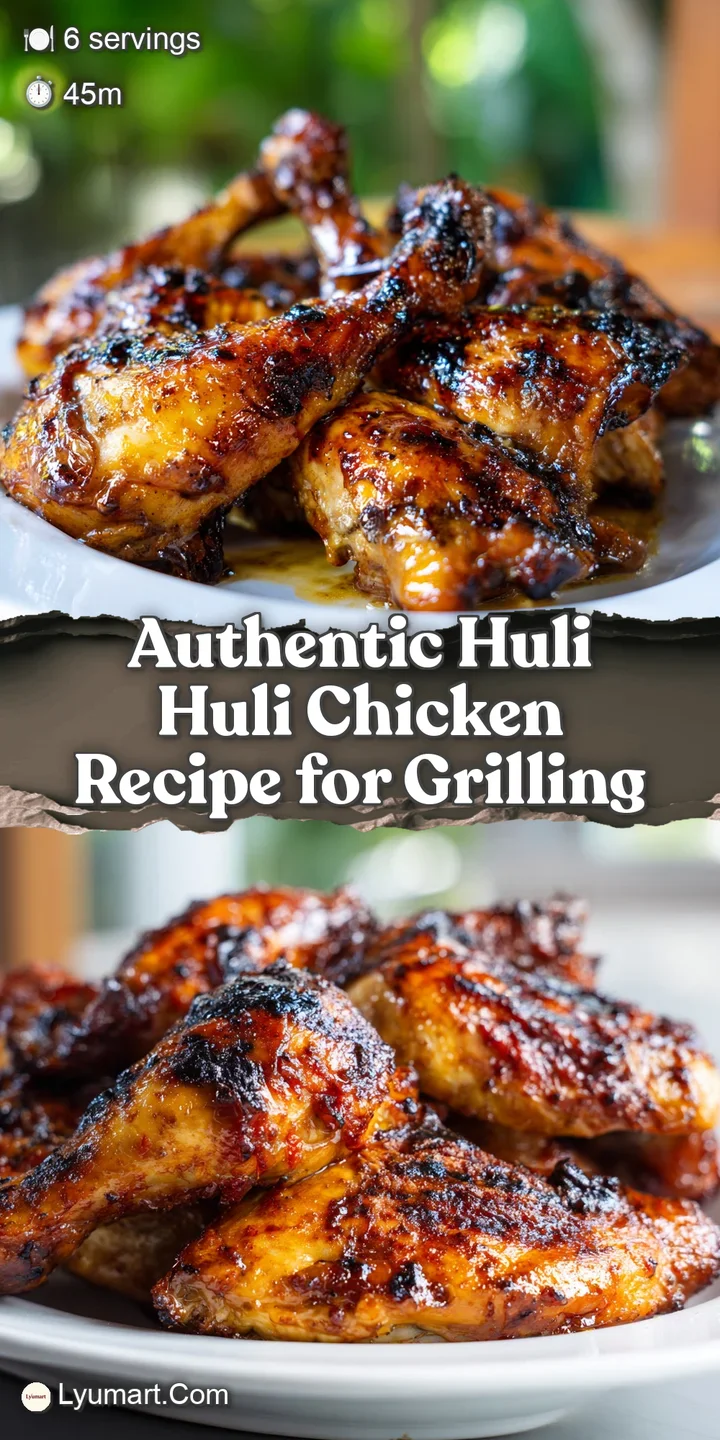
Garnish heavily with sliced green onions and toasted sesame seeds. The bright green pop against the dark red glaze is visually striking. If you want to be truly authentic, serve it alongside a massive scoop of creamy macaroni salad and two scoops of white rice.
The rice is essential for soaking up any extra glaze that drips off the chicken. It’s a messy, glorious meal that proves you don't need fancy techniques to make world class food. Just a bit of heat, a lot of sugar, and the patience to "huli" until it's just right.
High in Sodium (⚠️)
845 mg mg of sodium per serving (37% % of daily value)
The American Heart Association recommends limiting sodium intake to about 2,300mg per day.
Tips to Reduce Sodium in This Recipe:
-
Reduce Soy Sauce-25%
Soy sauce is a major sodium contributor. Use low-sodium soy sauce (shoyu) and reduce the amount by half. This can significantly lower the sodium content without sacrificing flavor.
-
Low Sodium Ketchup-20%
Ketchup also adds sodium. Choose a low-sodium ketchup option. Alternatively, consider replacing some of the ketchup with tomato paste, which has a more concentrated tomato flavor with less sodium.
-
Fresh Pineapple-15%
Use fresh pineapple and blend it to make juice. Fresh pineapple does not have any added salt that is sometimes found in canned or pre-packaged juice.
-
Reduce Brown Sugar-10%
While brown sugar doesn't directly contribute sodium, reducing the amount can help balance the overall flavor profile when other sodium containing ingredients are reduced. Try reducing it by 25%.
-
Spice it Up
Enhance the flavors with sodium free herbs and spices. Experiment with different combinations of ginger, garlic, black pepper, red pepper flakes, or other spices to add depth and complexity without adding sodium.
Recipe FAQs
What is Huli Huli Chicken made of?
It is primarily a sweet and tangy, soy-based glaze. The sauce base relies on pineapple juice for acidity and tenderness, dark brown sugar for caramelization, and soy sauce (shoyu) for umami depth. It's always basted onto the chicken while it cooks over direct heat.
What does "huli huli" mean in Hawaiian?
"Huli huli" literally translates to "turn turn" or "rotate rotate." This name directly references the traditional cooking method where chicken is constantly rotated over hot coals to ensure the sugary glaze caramelizes evenly without burning.
What is the difference between teriyaki chicken and Huli Huli Chicken?
Huli Huli is fruitier and tangier than traditional Teriyaki. While both use soy sauce, Teriyaki relies heavily on mirin and ginger for its flavor profile, whereas Huli Huli’s signature is the inclusion of a strong acidic fruit component, typically pineapple juice, which acts as a powerful
tenderizer.
How do I stop the sugary glaze from scorching on the grill?
Apply the glaze frequently and cook over medium, indirect heat after the initial sear. The high sugar content burns easily; you need to baste it on during the latter half of the cook time and frequently flip the chicken (the "huli") to prevent any one spot from staying over the direct flame too long.
Can I use chicken breasts instead of thighs for Huli Huli Chicken?
No, bone-in thighs are highly recommended over lean breasts. Chicken breasts cook too quickly and dry out under the necessary high heat glazing process required to achieve the signature charred skin.
Is it true that Huli Huli marinade tenderizes the meat through chemical action?
Yes, this is accurate because of the pineapple juice. Pineapple contains the enzyme bromelain, which breaks down muscle fibers, leading to incredibly tender meat. If you enjoy cooking with natural tenderizing enzymes, you can see this powerful technique applied to meat texture control in our Marry Me Chicken recipe.
How long do I need to marinate the chicken before grilling?
Aim for a minimum of four hours, but eight hours is ideal for flavor saturation. The acids and salt in the marinade need time to penetrate the meat effectively, tenderizing it and infusing the base flavor before the sugars start to carbonize on the grill.
Huli Huli Chicken Recipe
Ingredients:
Instructions:
Nutrition Facts:
| Calories | 538 kcal |
|---|---|
| Protein | 43.2 g |
| Fat | 29.4 g |
| Carbs | 22.6 g |
| Fiber | 0.4 g |
| Sugar | 19.8 g |
| Sodium | 845 mg |
