Cheeseburger Casserole: Savory Beef & Cheese
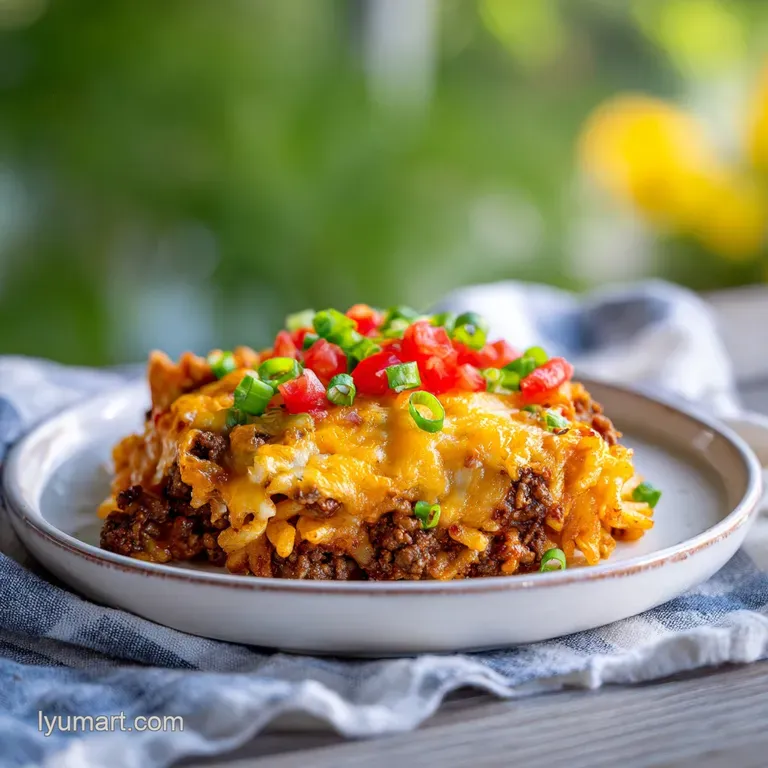
- Time: Active 5 minutes, Passive 15 minutes, Total 20 minutes
- Flavor/Texture Hook: Savory, velvety beef with a sharp cheddar finish
- Perfect for: Busy weeknights and high protein meal prep
- The Ultimate Comforting Cheeseburger Casserole Recipe
- Why This Beefy Bake Actually Works
- Serving Sizes and Quick Cook Times
- Understanding Your Quality Casserole Ingredients
- Minimal Tools for Better Results
- Perfecting the Skillet Cooking Process
- Solving Common Beef Casserole Problems
- Simple Variations for More Flavor
- Proper Storage and Reheating Methods
- Finishing Touches for Better Presentation
- Very High in Sodium
- Recipe FAQs
- 📝 Recipe Card
The Ultimate Comforting Cheeseburger Casserole Recipe
I remember one Tuesday night when the craving for a double bacon cheeseburger hit me like a freight train. I had the beef, I had the bacon, and I definitely had enough cheese to worry my doctor, but I was completely out of buns.
Instead of a sad, lonely patty on a plate, I decided to toss everything into my favorite cast iron skillet. The house filled with that unmistakable aroma of rendering bacon fat and searing beef, a scent so heavy and savory you can almost taste it in the air.
As the heavy cream hit the hot pan and bubbled up around the ground beef, I realized I’d stumbled onto something better than a drive thru. It wasn't just a burger in a bowl; it was a cohesive, rich meal that satisfied that deep, primal hunger for salt and fat.
This Cheeseburger Casserole has since become my go to "I'm too tired to cook" meal because it’s virtually foolproof and tastes even better as leftovers.
The secret I learned that night was all about the binder. If you just throw cheese on beef, you get a greasy mess. But when you whisk those eggs with cream cheese, you create this velvety coating that clings to every morsel of meat.
It’s the difference between a "meat pile" and a proper casserole that you can actually slice into. Trust me, once you see that cheddar bubbling and browning under the broiler, you won’t even miss the bread.
Why This Beefy Bake Actually Works
The Physics of the Velvety Bind
Protein Matrix: Mixing whisked eggs with softened cream cheese creates a stable protein fat emulsion. This "glue" prevents the beef juices from separating into a puddle, ensuring every bite is moist rather than oily.
- Maillard Magic: Searing the beef at high heat creates complex flavor compounds that simple boiling or slow cooking can't touch.
- Fat Emulsification: The heavy cream acts as a bridge between the water based beef juices and the solid fats.
- Structural Integrity: The three large eggs provide a gentle "lift" as they coagulate, making the casserole feel light despite the heavy ingredients.
- Moisture Retention: Full fat cream cheese traps the steam inside the meat mixture, preventing the beef from becoming grainy.
| Thickness | Internal Temp | Rest Time | Visual Cue |
|---|---|---|---|
| 1.5 inches | 160°F | 5 minutes | Bubbles at edges are clear, not cloudy |
| 2 inches | 160°F | 8 minutes | Center feels firm when pressed |
| 0.5 inch (Individual) | 160°F | 2 minutes | Cheese is deeply golden and "shatters" |
This timing is crucial because beef continues to cook after you pull it from the oven. If you wait for the center to look dry, you've already overcooked it. Aim for that slight wobble in the middle; the residual heat will carry it to the finish line while you're setting the table.
Serving Sizes and Quick Cook Times
When I'm cooking for the family, I usually double this and use two skillets. Ground beef is a staple in my kitchen, much like the base for a Tater Tot Casserole Recipe, where the texture of the meat really dictates the success of the whole dish. For this recipe, we are focusing on a 4 serving yield that fits perfectly into a standard 10 inch or 12 inch skillet.
Component Analysis
| Ingredient | Science Role | Pro Secret |
|---|---|---|
| 80/20 Ground Beef | Flavor & Fat Source | Don't drain every drop of fat; it carries the flavor |
| Cream Cheese | Emulsifier | Use "Original" block cheese, never the spreadable tub kind |
| Large Eggs | Structural Binder | Room temperature eggs incorporate faster without curdling |
| Sharp Cheddar | Umami & Texture | Grate it yourself to avoid the powdery anti clumping agents |
The 80/20 ratio for the beef is non negotiable for me. If you go leaner, like 90/10, the casserole ends up feeling like dry crumbles. The fat is what interacts with the heavy cream and eggs to create that silky mouthfeel we’re chasing.
If you find there is a massive pool of grease after browning, you can spoon some out, but leave a tablespoon or two behind.
Understanding Your Quality Casserole Ingredients
To get that classic burger taste, you need ingredients that stand up to high heat. Using a Broccoli Casserole recipe as a side is a great way to round out this meal with some greens, but the star here is the beef and bacon combination.
- 1.5 lbs 80/20 ground beef: The foundation of the dish. Why this? Provides the perfect fat to lean ratio for a moist casserole.
- Substitute: Ground turkey (Add 1 tbsp butter to replace the missing fat).
- 6 slices thick cut bacon: Adds a smoky, salty crunch. Why this? Thick cut holds its texture better when baked.
- Substitute: Pancetta or turkey bacon (though you'll lose the smokiness).
- 4 oz full fat cream cheese: The thickening agent. Why this? Creates a rich, stable sauce without flour.
- Substitute: Mascarpone for a milder, sweeter finish.
- 3 large eggs: Holds everything together. Why this? Acts as the "custard" base for the meat.
- Substitute: No direct substitute for the structure eggs provide here.
- 1.5 cups sharp cheddar cheese: The classic burger topping. Why this? Sharpness cuts through the richness of the beef.
- Substitute: Pepper Jack if you want a spicy kick.
- 0.5 cup heavy cream: Thins the binder for even distribution. Why this? Adds fat and moisture for a velvety result.
- Substitute: Half and half (Note: Slightly less rich).
- 1 tsp sea salt & 0.5 tsp black pepper: Essential seasoning.
Chef's Tip: Freeze your block of cheddar for 10 minutes before grating. This makes it firmer and prevents it from clumping into a ball as you grate it, resulting in longer, prettier shreds that melt more evenly.
Minimal Tools for Better Results
You don't need a kitchen full of gadgets for this. In fact, using fewer tools often leads to a better crust on your meat because you aren't constantly moving things around.
- Cast Iron Skillet (10-12 inch): This is my absolute favorite. It holds heat like a beast and can go from stovetop to oven seamlessly. If you don't have one, any oven safe heavy skillet will do.
- Large Mixing Bowl: For whisking the binder.
- Box Grater: For that fresh cheddar. Seriously, skip the pre shredded bags; they're coated in potato starch that ruins the velvety texture of the sauce.
- Whisk: To ensure the cream cheese and eggs are completely smooth.
If you are looking for more high protein comfort, you might also love my Million Dollar Chicken recipe, which uses a similar creamy logic but with a different protein profile.
Perfecting the Skillet Cooking Process
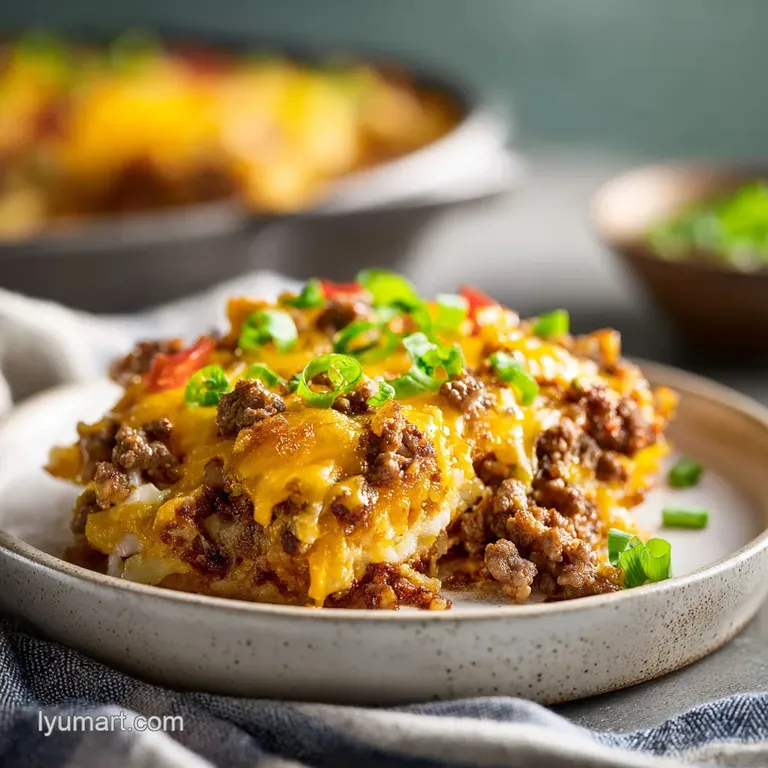
- Render the bacon. Place the 6 slices of diced thick cut bacon in a cold skillet. Turn the heat to medium and cook until the fat has rendered and the bits are crispy. Note: Starting with a cold pan helps the fat render out slowly without burning the meat.
- Brown the beef. Remove the bacon (leave the fat!) and add the 1.5 lbs of ground beef. Break it up with a spatula. Cook until the pink disappears and the edges start to sizzle and brown.
- Season the base. Stir in the 1 tsp sea salt and 0.5 tsp black pepper. If there’s an excessive amount of oil, drain all but 1 tablespoon.
- Soften the cream cheese. While the beef browns, ensure your 4 oz of cream cheese is very soft. Microwave it for 15 seconds if it’s still cold.
- Whisk the binder. In your mixing bowl, beat the 3 large eggs. Whisk in the softened cream cheese and 0.5 cup heavy cream until the mixture is smooth and pale yellow.
- Combine the elements. Pour the egg mixture over the beef in the skillet. Stir gently to make sure the "sauce" gets into all the nooks and crannies.
- Add the bacon. Fold in those crispy bacon bits you set aside earlier.
- Top with cheese. Sprinkle the 1.5 cups of freshly grated sharp cheddar evenly over the top.
- Bake the casserole. Place the skillet in a preheated 350°F oven for 15 minutes.
- Broil for color. Switch to the broiler for the last 2 minutes until the cheese is bubbling and has golden brown spots.
Solving Common Beef Casserole Problems
Why Your Casserole is Watery
One mistake I once made was using frozen beef that hadn't been fully thawed. As it cooked, it released a massive amount of "purge" (the water in the meat), which thinned out my binder. Always pat your meat dry with a paper towel before it hits the pan to ensure you're searing, not steaming.
Preventing a Greasy Skillet
If you use a very high fat beef, the oil can overwhelm the egg binder. The trick is to drain the rendered fat into a glass jar after browning the meat, then add just a tiny bit back for flavor.
| Problem | Root Cause | Solution |
|---|---|---|
| Broken Sauce | Eggs cooked too fast or heat was too high | Whisk cream cheese and cream first to buffer the eggs |
| Dry Texture | Overbaked or used 93/7 lean beef | Stick to 80/20 and pull when the center just sets |
| Bland Flavor | Not enough salt for the amount of fat | Taste the beef after browning; it should be highly seasoned |
Another thing to watch out for is the "egg scramble" effect. If your skillet is screaming hot when you pour in the egg mixture, the eggs will cook instantly into chunks instead of a smooth sauce.
Common Mistakes Checklist:
- ✓ Let the beef cool for 2 minutes before pouring in the egg mixture.
- ✓ Ensure the cream cheese is fully softened to avoid "white lumps" in the final dish.
- ✓ Grate your own cheese; pre shredded cheese will not melt into a velvety layer.
- ✓ Use a heavy bottomed pan to prevent the bottom of the meat from burning while the cheese melts.
- ✓ Don't skip the rest time; 5 minutes of resting allows the protein matrix to firm up.
Simple Variations for More Flavor
If you want to shake things up, there are a few ways to pivot this recipe.
- The Spicy Kick: Add diced jalapeños and use Pepper Jack cheese instead of cheddar.
- The "Everything" Burger: Add a tablespoon of yellow mustard and some chopped pickles into the meat mixture before baking.
- The Carnivore Classic: Stick strictly to the beef, bacon, eggs, and cheese, omitting any seasonings other than salt.
If you are in the mood for something with a bit more crunch on top, you might look at a Ritz Cracker Chicken recipe, which uses a different topping strategy but offers that same comforting bake feel.
Flavor Profile Adjustments
- If you want a tangier finish, add 1 tsp of Dijon mustard to the egg mix.
- If you want more texture, sprinkle crushed pork rinds on top before the final broil.
- If you want a "smash burger" feel, press the beef down firmly into the skillet to get a hard sear before breaking it up.
Proper Storage and Reheating Methods
This Cheeseburger Casserole is a dream for meal prep because the flavors actually deepen after a day in the fridge. The fat and seasonings have more time to meld together.
Storage: Store leftovers in an airtight glass container in the fridge for up to 4 days. I prefer glass because plastic tends to absorb the smell of the onions or beef over time.
Freezing: You can freeze this for up to 3 months. I recommend freezing it in individual portions. Wrap each square tightly in parchment paper, then place in a freezer safe bag. To eat, thaw overnight in the fridge.
Reheating: Avoid the microwave if you can! It can make the beef rubbery and cause the oils to separate. Instead, pop a slice back into a skillet over medium low heat with a lid on. This creates a mini oven effect that melts the cheese again without drying out the meat.
If you must use a microwave, use 50% power in 45 second intervals.
Zero Waste Tip: Don't throw away that bacon grease! Strain it through a coffee filter into a small jar and keep it in the fridge. Use it the next morning to fry your eggs it adds a layer of smoky flavor that regular butter just can't match.
Finishing Touches for Better Presentation
Let's be honest: casseroles aren't always the most photogenic dishes. They can look a bit... brown. But we eat with our eyes first! To make this look as good as it tastes, I love to add a few pops of color right before serving.
Freshly chopped chives or scallions provide a beautiful bright green contrast against the deep orange of the cheddar. If you aren't strictly carnivore, a drizzle of "special sauce" (mayo, mustard, and a splash of pickle juice) can make it look like a gourmet deconstructed burger.
Achieving the Perfect "Pull"
For that Instagram worthy cheese pull, you want to serve the casserole about 5 minutes after it comes out of the oven. If you serve it piping hot, the cheese is too liquid and will just run. If you wait 20 minutes, it sets too firmly.
That 5 to-8 minute window is the "sweet spot" where the cheese is stretchy and the beef is still succulent.
Debunking Kitchen Myths
- Myth: You must wash your mushrooms or vegetables before adding to beef.
- Truth: In this recipe, we aren't using veggies, but if you add them later, just wipe them. Water is the enemy of a good sear!
- Myth: Draining all the beef fat makes it healthier.
- Truth: Fat is where the flavor molecules live. Draining all of it leaves you with a bland, dry casserole. Keep a little bit to emulsify with your cream!
- Myth: Eggs will make the casserole taste like breakfast.
- Truth: When whisked with cream and cheese, the eggs lose their "eggy" identity and simply become a structural binder that enhances the creaminess of the beef.
This dish is proof that you don't need fancy techniques or a long list of ingredients to make something that everyone will ask for seconds of. It’s reliable, it’s fast, and it hits every single savory note you’re looking for in a home cooked meal. Trust me on this one it's a keeper.
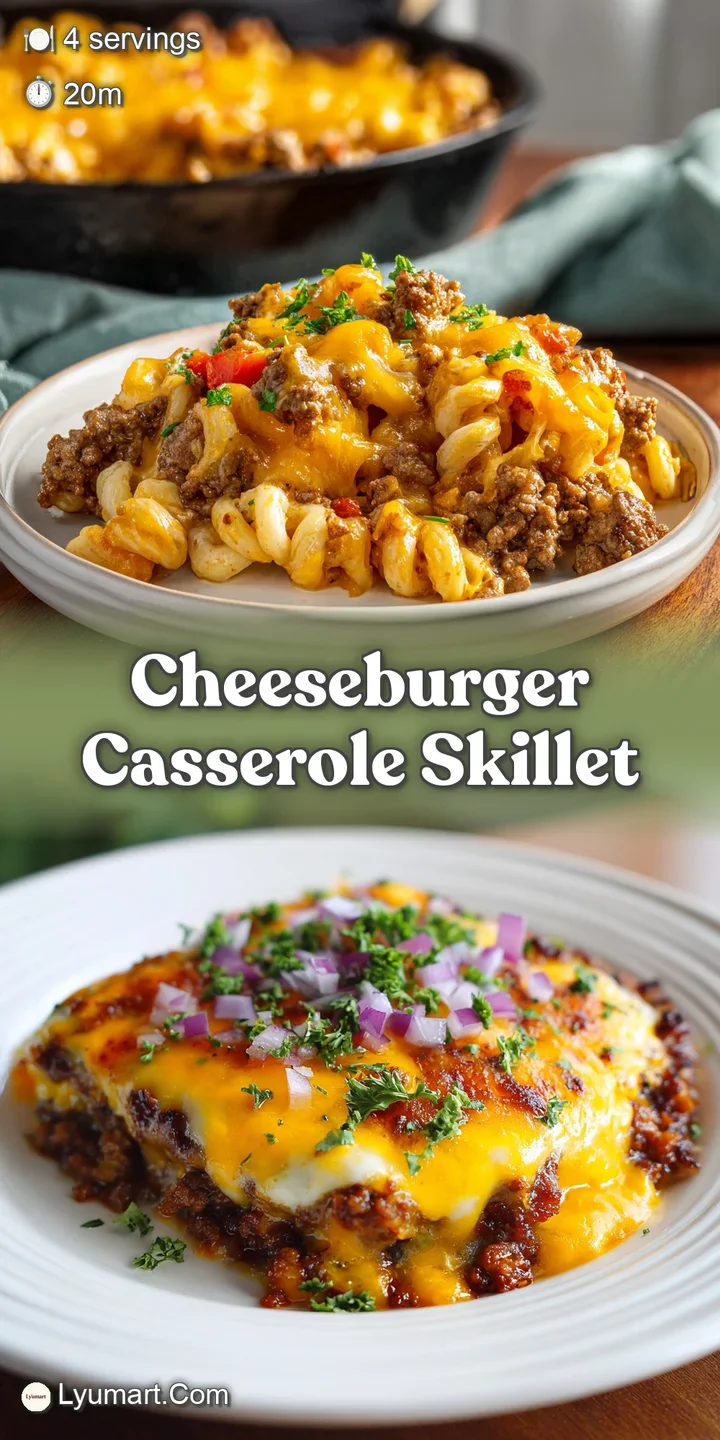
Very High in Sodium
1150 mg mg of sodium per serving (50% % of daily value)
The American Heart Association recommends limiting sodium intake to about 2,300mg per day.
Tips to Reduce Sodium
-
Reduce Bacon-25%
Bacon is a significant source of sodium. Reduce the amount of bacon used by half, or substitute with a low-sodium turkey bacon, if available. This should yield a high reduction.
-
Lower Sodium Cheese-15%
Sharp cheddar is relatively high in sodium. Opt for a lower sodium cheddar cheese or another cheese variety, or reduce the amount by half. Alternatively, use freshly grated cheese.
-
Reduce Added Salt-25%
Eliminate or drastically reduce the added sea salt (1 tsp). Taste the dish before adding any salt, as the other ingredients already contribute sodium. Consider using a salt substitute.
-
Leaner Ground Beef-5%
80/20 ground beef has more fat. Though it has a smaller effect on sodium content, use a leaner ground beef (e.g., 93/7) which may also result in a slight reduction in overall added sodium, as leaner meat sometimes has slightly less sodium.
-
Egg Preparation-5%
Ensure the eggs are not seasoned with salt during preparation to prevent adding unnecessary sodium to the recipe. Consider whisking in a small amount of unsalted milk for a smoother texture.
-
Enhance with Herbs
Use fresh or dried herbs and spices like garlic powder, onion powder, paprika, or oregano to enhance the flavor without adding sodium. Experiment with different flavor combinations to find your preference.
Recipe FAQs
Is it necessary to drain the fat after browning the ground beef?
No, drain only excess. You should leave about one tablespoon of the rendered fat behind; this fat is crucial for flavor and aids in the final emulsification of the creamy sauce.
What is the role of the cream cheese in this casserole?
It acts as the primary emulsifier and thickener. Using block cream cheese mixed with eggs creates a stable protein matrix that binds the meat juices, preventing the final dish from becoming oily or watery.
How to achieve the best, non-rubbery texture when reheating leftovers?
Reheat gently in a skillet over medium low heat with a lid. Covering the skillet traps steam, which rehydrates the beef and melts the cheese evenly, avoiding the rubbery texture the microwave often imparts.
Why must I grate the sharp cheddar cheese fresh instead of using pre-shredded bags?
Pre-shredded cheese contains anti caking agents like potato starch. These additives prevent the cheese from melting into a smooth, velvety layer, resulting in a grainy or clumpy topping instead of a cohesive crust.
How to prevent the egg and cream mixture from scrambling when added to the hot meat?
Ensure the cooked beef has cooled for at least two minutes before pouring in the binder. Also, make sure the cream cheese and egg mixture is thoroughly whisked smooth beforehand to create a uniform liquid.
What beef fat-to-lean ratio is recommended for the most satisfying casserole?
Use 80/20 ground beef for optimal moisture and flavor. Leaner beef, like 90/10, lacks the necessary fat to interact with the cream and eggs, resulting in a dry and crumbly texture.
How long should the casserole rest after being pulled from the oven?
Let the casserole rest for 5 to 8 minutes before serving. This allows the internal temperature to stabilize and the protein structure to set slightly, yielding that perfect, sliceable consistency without the cheese running everywhere.
Keto Cheeseburger Casserole Skillet
Ingredients:
Instructions:
Nutrition Facts:
| Calories | 806 kcal |
|---|---|
| Protein | 54g |
| Fat | 65g |
| Carbs | 3.5g |
| Fiber | 0.1g |
| Sugar | 2.6g |
| Sodium | 1150mg |
