Marry Me Chicken Ramen Recipe
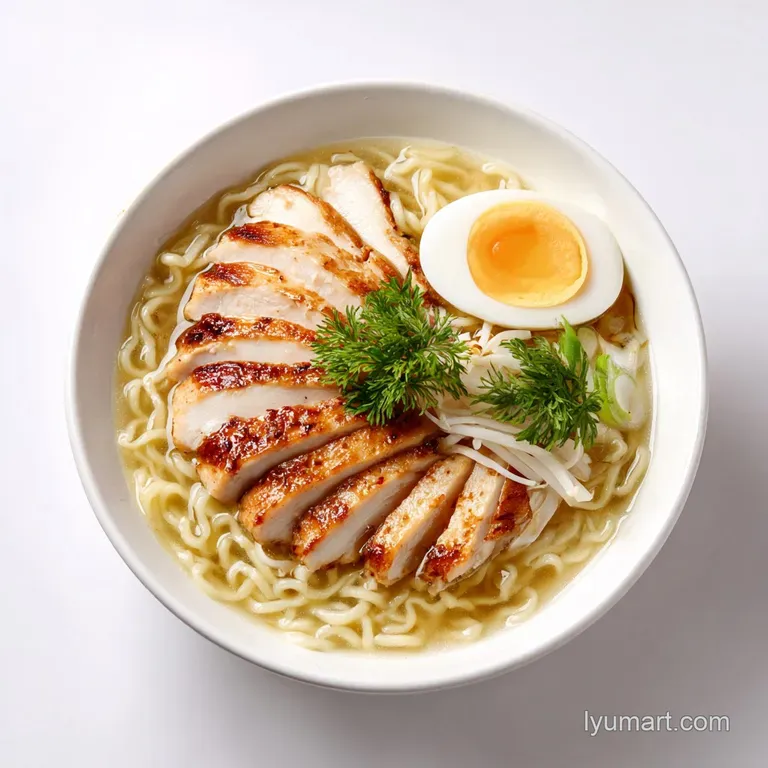
- Time: Active 10 minutes, Passive 20 minutes, Total 30 minutes
- Flavor/Texture Hook: Velvety cream sauce with tangy sun dried tomato pops
- Perfect for: Busy weeknights when you need a high reward, low effort comfort meal
- Mastering the Creamy Marry Me Chicken Ramen
- The Science Behind This Flavorful Fusion
- Crucial Component Analysis for Success
- The Elements Needed for This Pan
- Essential Tools for a Smooth Cook
- Step-by-Step Guide to the Perfect Bowl
- Solving Common Kitchen Hiccups and Blunders
- Creative Ways to Switch Things Up
- Storing and Reheating for Best Quality
- Making Your Bowl Look Restaurant Ready
- Very High in Sodium
- Recipe FAQs
- 📝 Recipe Card
Mastering the Creamy Marry Me Chicken Ramen
Picture this: it is a rainy Tuesday, the fridge is looking a bit sad, and you really just want a hug in a bowl. That was me three months ago when I first threw this together. I had some chicken thighs and a jar of sun dried tomatoes, but I had completely run out of pasta.
Instead of heading back out into the rain, I grabbed three blocks of instant ramen from the back of the pantry. It was a total accident, but the second those crinkly noodles hit the cream and started soaking up that garlic infused oil, I knew I stumbled onto something better than the original.
There is a specific sizzle that happens when chicken thighs hit a hot pan that just signals "dinner is going to be good." You know that sound? It is crisp, rhythmic, and smells like home.
This version of the viral dish is even better than the pasta version because ramen noodles have those tiny ridges that act like little shelves for the Parmesan and cream. It is not about being fancy; it is about finding what actually works when you are hungry and tired.
I have made every mistake possible with this one so you don't have to. I have accidentally turned the noodles into mush, and I have had the sauce split on me because I was too impatient with the heat. We are going to walk through exactly how to avoid those pitfalls.
Trust me, once you see how that heavy cream transforms with a squeeze of lemon at the end, you will be making this at least once a week.
The Science Behind This Flavorful Fusion
The Maillard Magic: Searing the chicken thighs creates a brown crust known as the Maillard reaction, which provides the deep, savory base that water based broths lack.
Starch Emulsification: Boiling the ramen directly in the sauce releases wheat starches that bind the fats from the cream and cheese, preventing a greasy separation.
Acidic Brightness: The citric acid in the lemon wedges breaks down the heavy fat molecules on your palate, making the rich sauce feel lighter and more balanced.
| Cooking Method | Active Time | Resulting Texture | Best For |
|---|---|---|---|
| Standard Stovetop | 20 minutes | Crispy chicken with silky sauce | Every day weeknight meals |
| One Pot Shortcut | 15 minutes | Softer chicken, thicker sauce | Maximum speed and minimal cleanup |
| Slow Cooker | 4 hours | Shredded chicken, very soft noodles | Prep ahead lunches |
If you enjoy the flavor profile of this sauce but want to try it with a different protein base, you might love our Marry Me Chickpeas recipe for a meatless twist. It uses a very similar technique to get that signature sun dried tomato creaminess without the meat.
Crucial Component Analysis for Success
| Ingredient | Science Role | Pro Secret |
|---|---|---|
| Chicken Thighs | Provides essential fats and protein structure | Pat them bone dry with paper towels before seasoning to ensure a golden sear rather than a gray steam. |
| Sun Dried Tomatoes | Adds concentrated glutamates and acidity | Use the oil from the jar to sauté your garlic for a massive boost in aromatic depth. |
| Heavy Cream | Creates a stable fat in-water emulsion | Bring the cream to room temperature before adding to the hot pan to prevent the sauce from breaking. |
| Parmesan Cheese | Acts as a natural thickener and salt source | Use a microplane to grate it finely; large clumps won't melt evenly and can result in a grainy texture. |
We often think about these ingredients as separate parts, but in the pan, they work as a team. The sun dried tomatoes aren't just for flavor the oil they are packed in carries the capsaicin from the red pepper flakes much better than standard olive oil does.
The Elements Needed for This Pan
- 1.5 lbs chicken thighs: Sliced into 1 inch strips. Why this? Thighs stay juicy under heat, whereas breasts can become dry and stringy quickly.
- Substitute: Chicken breasts (slice thinner and cook 2 minutes less).
- 1 tbsp extra virgin olive oil: For searing.
- Substitute: Avocado oil or the oil from the sun dried tomato jar.
- 1 tsp kosher salt: To draw out moisture and season.
- Substitute: Sea salt (use slightly less as the grains are finer).
- 1/2 tsp cracked black pepper: For a bit of earthy heat.
- Substitute: White pepper for a more subtle, floral spice.
- 3 cloves garlic: Minced finely.
- Substitute: 1 tsp garlic powder (add this to the liquid, not the oil).
- 1/2 cup sun dried tomatoes: Drained and chopped. Why this? They provide a "chewy" texture and intense umami that fresh tomatoes lack.
- Substitute: Roasted red peppers (sweeter, less tangy).
- 1 tsp Italian seasoning: A blend of herbs for complexity.
- Substitute: Fresh oregano and thyme (use double the amount).
- 1/4 tsp red pepper flakes: For a back of-the throat warmth.
- Substitute: A dash of cayenne or omit for a mild version.
- 3 cups low sodium chicken broth: The base for our noodle bath.
- Substitute: Vegetable broth or 3 cups water with 1 tbsp bouillon base.
- 1 cup heavy cream: For that signature velvety finish.
- Substitute: Full fat coconut milk (adds a slight tropical note but works well).
- 1/2 cup grated Parmesan cheese: The salty binder.
- Substitute: Pecorino Romano (sharper and saltier).
- 3 blocks instant ramen noodles: Discard those seasoning packets.
- Substitute: 6 oz of linguine (cooks slower) or rice noodles (gluten-free).
- 2 cups fresh baby spinach: For color and nutrients.
- Substitute: Chopped kale (sauté it longer with the garlic).
- 1 tbsp fresh basil: Chiffonade for the final pop.
- Substitute: Fresh parsley for a cleaner, grassy finish.
- 4 lemon wedges: To serve. Why this? The acid cuts through the heavy cream to wake up the whole dish.
When working with creamy bases like this, I often find that the technique of building layers of flavor is similar to what we do in our Cajun Chicken Linguine recipe. The goal is to keep the cream from curdling while ensuring the noodles are fully cooked through.
Essential Tools for a Smooth Cook
You don't need a lot of fancy gear for this. A large, deep skillet or a Dutch oven is your best friend here because we need enough surface area to sear the chicken, but enough depth to hold three cups of broth and those bulky ramen blocks. I usually reach for my 12 inch cast iron skillet because it holds heat so well.
A pair of silicone tipped tongs is also non negotiable. You'll need them to flip the chicken strips individually and later to wiggle the ramen blocks so they submerge and soften. Finally,, make sure you have a sharp knife for that basil chiffonade at the end; a dull blade will just bruise the leaves and turn them black.
step-by-step Guide to the Perfect Bowl
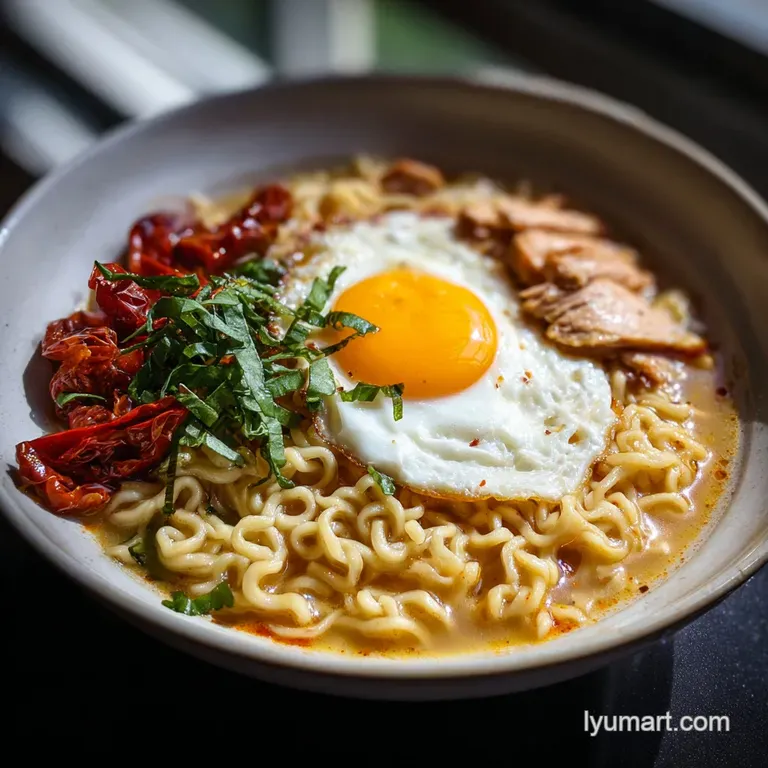
- Prep the chicken. Pat 1.5 lbs chicken thighs dry with paper towels. Note: Excess moisture causes the meat to steam rather than sear.
- Season well. Toss the chicken with 1 tsp kosher salt and 1/2 tsp cracked black pepper until evenly coated.
- Sear the meat. Heat 1 tbsp olive oil in your skillet over medium high heat. Add chicken in a single layer and cook for 5-6 minutes until golden and starting to crisp. Remove and set aside.
- Sauté aromatics. Reduce heat to medium. Add 3 cloves minced garlic, 1/2 cup chopped sun dried tomatoes, 1 tsp Italian seasoning, and 1/4 tsp red pepper flakes. Cook for 1 minute until the garlic is fragrant and translucent.
- Build the base. Pour in 3 cups chicken broth and 1 cup heavy cream. Use a wooden spoon to scrape up any brown bits (the fond) from the bottom of the pan.
- Simmer. Bring the liquid to a gentle bubble. Stir in 1/2 cup Parmesan cheese until the sauce looks smooth and slightly thickened.
- Cook the noodles. Add the 3 blocks of instant ramen noodles. Use tongs to gently press them into the liquid. Cook for 3-4 minutes, turning the blocks over halfway through.
- Combine everything. Return the seared chicken to the pan. Add 2 cups baby spinach and stir until the leaves are wilted and bright green.
- Finish and garnish. Turn off the heat. Sprinkle with 1 tbsp fresh basil.
- Serve immediately. Divide into four bowls and serve each with a lemon wedge for squeezing over the top.
Chef's Tip: If the sauce looks too thick after adding the noodles, splash in a little more broth. The ramen continues to soak up liquid even after you stop cooking, so a slightly "soupy" look in the pan is actually what you want.
When you're comparing noodle styles, you'll notice that the instant ramen used here absorbs liquid much faster than the noodles in a Chicken Lo Mein recipe. This is why timing is so crucial in the final steps.
Solving Common Kitchen Hiccups and Blunders
Why Your Sauce Split
If you see little beads of oil separating from the cream, your heat was likely too high. High heat causes the proteins in the dairy to tighten and push out the fat. To fix this, remove the pan from the heat immediately and whisk in a tablespoon of cold heavy cream or a splash of water.
This lowers the temperature and helps re emulsify the sauce.
Preventing Gummy Noodles
Ramen is notorious for going from "just right" to "mushy mess" in about thirty seconds. The trick is to take the pan off the heat when the noodles still have a tiny bit of bite in the center. The residual heat from the cream sauce will finish the cooking process as you carry the pan to the table.
| Problem | Root Cause | Solution |
|---|---|---|
| Thin, watery sauce | Not enough starch or cheese | Simmer for 2 more minutes or add extra Parmesan. |
| Gray, bland chicken | Pan was not hot enough during searing | Ensure the oil is shimmering and tiny wisps of smoke appear before adding meat. |
| Overly salty dish | Low sodium broth wasn't used | Add a splash of heavy cream and an extra squeeze of lemon to neutralize the salt. |
Common Mistakes Checklist
- ✓ Always discard the ramen seasoning packets; they are salt bombs that will ruin the delicate sun dried tomato balance.
- ✓ Don't overcrowd the pan when searing the chicken; work in two batches if your skillet is smaller than 12 inches.
- ✓ Use fresh Parmesan from a block if possible; pre shredded cheese is coated in potato starch that can make the sauce gritty.
- ✓ Add the spinach at the very end it only needs about 30 seconds to wilt.
Creative Ways to Switch Things Up
If you want a spicier kick, double the red pepper flakes and add a teaspoon of gochujang or sriracha into the broth. The fermented heat of the gochujang plays beautifully with the sweetness of the sun dried tomatoes. It creates a sort of "fusion" flavor that is incredibly addictive.
For a lighter swap, you can replace the heavy cream with half and half or whole milk mixed with a teaspoon of cornstarch. Just know that the sauce won't have that same "clinging" power to the noodles.
You could also swap the chicken for shrimp; just sear them for 2 minutes per side instead of the longer chicken cook time.
If you are feeling like a veggie forward meal, omit the chicken and use a mix of sliced cremini mushrooms and chickpeas. Sauté the mushrooms until they've released all their water and turned deep brown before adding the garlic.
This provides that same meaty texture and savory depth without the poultry.
Storing and Reheating for Best Quality
Fridge Storage: This dish stays good in an airtight container for up to 3 days. However, be warned: the noodles will continue to drink up the sauce. By day two, it will look more like a creamy pasta than a ramen soup.
Freezer Instructions: I generally don't recommend freezing this dish once the noodles are added. Ramen noodles turn to mush when thawed and reheated. If you want to meal prep, cook the sauce and chicken, freeze that for up to 2 months, and then just boil fresh ramen when you're ready to eat.
Reheating: The best way to revive leftovers is on the stovetop. Add a splash of broth or milk to the pan to loosen the sauce, then heat over medium low until warmed through. Avoid the microwave if you can, as it tends to make the chicken rubbery and the sauce oily.
Zero Waste Tip: Don't toss the stems from the basil! Finely chop them and add them into the pan at the same time as the garlic. They have a ton of flavor that usually gets wasted. Also, save the leftover sun dried tomato oil for frying eggs the next morning it is absolute liquid gold.
Making Your Bowl Look Restaurant Ready
We eat with our eyes first, right? To make this look as good as it tastes, don't just dump the spinach in. Fold it in gently so some leaves stay near the surface. When you plate it, use your tongs to twirl the noodles into a high mound in the center of the bowl, then spoon the extra sauce and chicken pieces around the edges.
Place the fresh basil right on top at the very last second so it doesn't wilt into a dark brown mess before it hits the table. A final dusting of fresh Parmesan and a sprinkle of extra red pepper flakes adds that pop of color.
And seriously, don't forget the lemon wedge on the side it adds a bright yellow contrast that makes the deep reds of the tomatoes really stand out.
If you have some toasted panko breadcrumbs in the pantry, sprinkle a tablespoon over the top for a "shatter" of crunch that contrasts with the velvety sauce. It's a small touch that makes a simple weeknight ramen feel like something you'd pay twenty dollars for at a trendy bistro.
This recipe is all about those little wins. Right then, let's get that pan heating up!
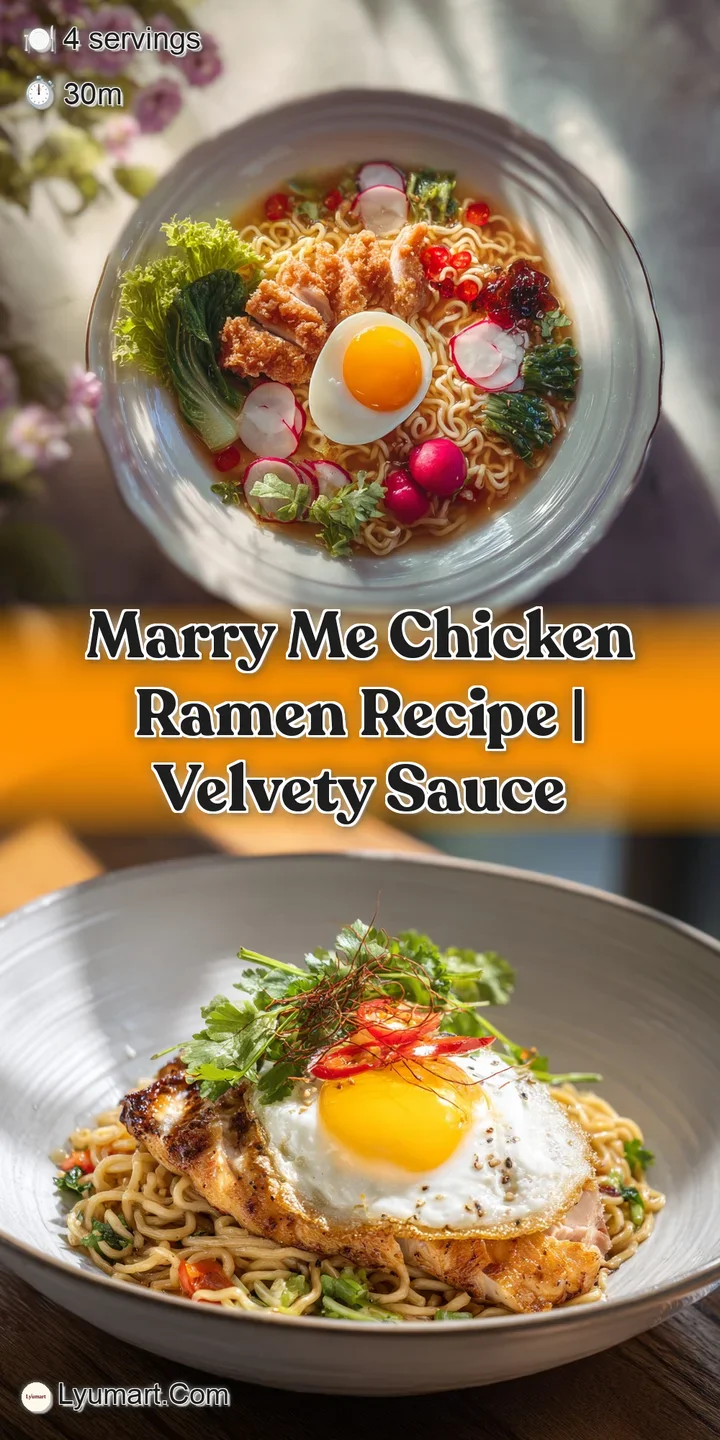
Very High in Sodium
1412 mg mg of sodium per serving (61% % of daily value)
The American Heart Association recommends limiting sodium intake to no more than 2,300mg per day for most adults.
Sodium Reduction Tips for this Recipe
-
Broth Swap-30%
Replace the 3 cups of low-sodium chicken broth with a homemade broth or water. Alternatively, use a no sodium broth instead. This has the greatest impact on sodium reduction.
-
Cheese Control-15%
Reduce the amount of grated Parmesan cheese used in the recipe or substitute it with a low-sodium cheese alternative, such as part skim ricotta. Consider also omitting it entirely for a major sodium decrease.
-
Sun-Dried Tomato Tweak-10%
Rinse the sun-dried tomatoes thoroughly with water to remove excess oil and sodium. Or, even better, use fresh tomatoes instead. Rehydrate sun-dried tomatoes without added salt.
-
Salt Check-25%
Eliminate the added kosher salt. Taste the dish before adding any salt at all, as the broth and other ingredients already contain sodium. Adjust after tasting only if necessary.
-
Noodle Selection-5%
While the seasoning packets are discarded, ramen noodles can still contain sodium. Consider using fresh ramen noodles or unsalted pasta instead.
-
Herb Power
Enhance the flavor with more fresh herbs like basil, oregano, or thyme. Experiment with different combinations to boost taste naturally!
Recipe FAQs
What kind of sauce is on marry me chicken?
It is a rich, creamy sauce built around sun-dried tomatoes and Parmesan cheese. The characteristic flavor comes from blending heavy cream, garlic, Parmesan, and the oil from the sun-dried tomato jar, which creates a deep, savory, and slightly tangy base.
How to make a simple chicken ramen?
Sear seasoned chicken thighs, then sauté garlic and sun-dried tomatoes in the same pan. Deglaze with broth and heavy cream, simmer, then add the ramen blocks directly to cook in the sauce base.
What noodles go with marry me chicken?
Instant ramen noodles are recommended for their texture and starch release. Their crinkly surface holds the heavy cream sauce exceptionally well, and the starch they release helps thicken the sauce for a foolproof emulsion.
What can I put in my chicken ramen to make it better?
A final squeeze of fresh lemon juice is essential for balancing the richness. This acid cuts through the heavy cream and Parmesan, brightening the overall flavor profile significantly; if you enjoy bold flavor bases, see how we use acid balancing in the Green Chicken Chili recipe.
Is it true I must discard the instant ramen seasoning packets?
Yes, you must discard the seasoning packets. These packets contain excessive sodium and artificial flavorings that will overpower the delicate, savory notes of the sun-dried tomato cream sauce you are building.
Can I use chicken breasts instead of thighs?
Yes, but adjust your cooking time significantly. Chicken breasts cook faster and are prone to drying out, so sear them for only 3 to 4 minutes per side before removing them from the pan.
What is the key to keeping the cream sauce from separating?
Control the heat and introduce thickeners slowly. Never allow the sauce to boil rapidly once the cream is added, and use the starch released by the noodles or a small amount of finely grated Parmesan to stabilize the emulsion; mastering stable emulsions is key, much like in our Irresistible Garlic Parmesan recipe.
Marry Me Chicken Ramen
Ingredients:
Instructions:
Nutrition Facts:
| Calories | 968 kcal |
|---|---|
| Protein | 45.7 g |
| Fat | 64.1 g |
| Carbs | 51.2 g |
| Fiber | 3.4 g |
| Sugar | 5.8 g |
| Sodium | 1412 mg |
