Speedy Cherry Tomato Sauce Recipe
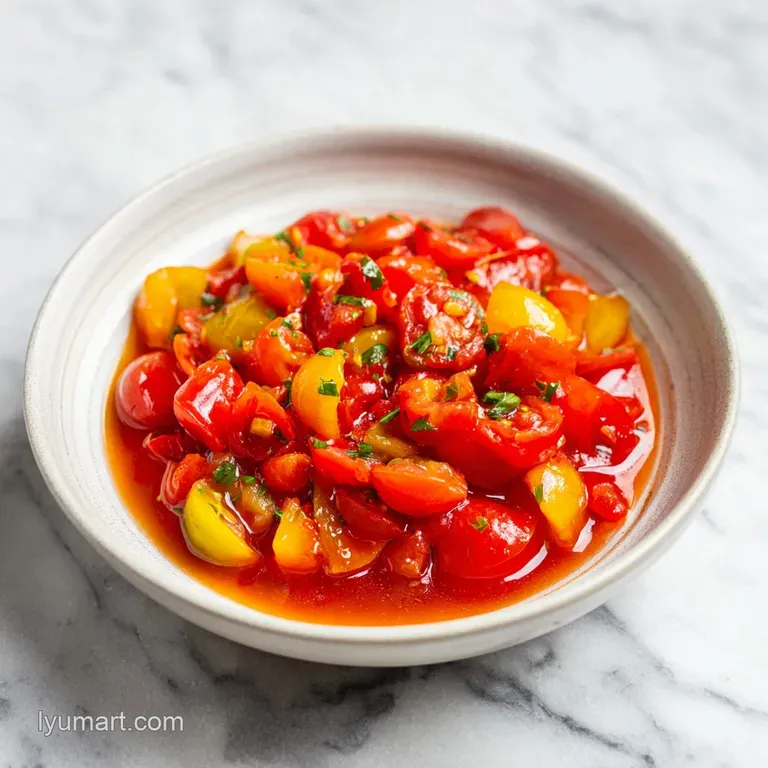
- Time: Active 5 minutes, Passive 10 minutes, Total 15 minutes
- Flavor/Texture Hook: Vibrant, silky, and bright
- Perfect for: Busy weeknight dinners and budget-friendly meal prep
- Fast Fresh Cherry Tomato Sauce Masterclass
- Why You'll Love This Sauce
- Quick Planning and Recipe Specs
- Essential Ingredient Deep Dive
- Tools for Stress Free Cooking
- Step-By-Step Cooking Timeline
- Avoid These Common Sauce Mistakes
- Creative Ways to Mix It Up
- Scaling for Different Crowds
- Myths About Fresh Tomato Sauce
- Storage and Smart Zero Waste
- Perfect Pairings for This Meal
- Cherry Tomato Sauce FAQs
- 📝 Recipe Card
Fast Fresh Cherry Tomato Sauce Masterclass
Imagine walking into the kitchen after a long shift, the kind where your feet ache and the last thing you want is a complex 20 step recipe. You see a bowl of cherry tomatoes on the counter, maybe a little wrinkly but still full of potential. You toss them into a pan with a generous pour of olive oil.
Suddenly, the kitchen fills with a sharp, sweet aroma as the first tomato "pops" against the hot metal. It’s a rhythmic sizzle pop that feels like the start of something genuinely restorative.
That’s the magic of this sauce. It isn't a heavy, long simmered Sunday gravy. It’s a bright, punchy, 15 minute miracle that feels like high end bistro food but costs pennies to make.
I’ve made the mistake of trying to overcomplicate this adding onions, carrots, or fancy wines but honestly, it just mutes the star of the show. The tomatoes provide their own sugar, acid, and thickener if you treat them right.
We’re going to let the heat do the heavy lifting here. By the time your pasta hits the colander, you’ll have a velvety sauce that clings to every strand. It’s the ultimate stress free win for any home cook who values speed without sacrificing the "wow" factor.
Let’s get that pan preheated and transform those little red gems into a meal you’ll want to make every single week.
Why You'll Love This Sauce
The Pectin Pressure Valve: High heat turns internal moisture into steam, forcing the tomato skins to shatter and release natural pectins.
Instant Lipid Emulsion: Sizzling olive oil binds with the released juices, creating a creamy texture without any dairy involved.
Cold Start Infusion: Placing garlic in room temperature oil before heating ensures the flavor blooms without turning bitter or burnt.
Maillard Reaction Shortcut: The high natural sugar content in cherry tomatoes carmelizes quickly against the pan, adding depth in minutes.
Stovetop vs Oven Method
| Method | Time | Texture | Best For |
|---|---|---|---|
| Stovetop (Pan) | 10 minutes | Saucy & Emulsified | Quick weeknight pasta |
| Oven (Roasted) | 25 minutes | Concentrated & Jammy | Crostini or grain bowls |
| Air Fryer | 8 minutes | Charred & Intense | Topping for grilled meats |
While roasting is great for hands off cooking, the stovetop method is superior for pasta because you can control the emulsion with pasta water. The physical agitation of stirring the tomatoes in the pan helps break them down into a cohesive sauce that the oven just can't replicate in such a short window.
Quick Planning and Recipe Specs
When you're working against the clock, having a plan is the difference between a relaxing dinner and a chaotic kitchen. This recipe is designed for a 15 minute total turnaround. The key is to start your pasta water first. By the time the water reaches a rolling boil, you'll be halfway through the sauce prep.
This "overlap" method is how I manage to feed my family on nights when we have soccer practice and work deadlines looming.
| Servings | Ingredient Adjustments | Pan Size | Cook Time |
|---|---|---|---|
| 2 People | 1 pint tomatoes, 2 garlic cloves | 8 inch skillet | 8 minutes |
| 4 People | 2 pints tomatoes, 4 garlic cloves | 12 inch skillet | 10 minutes |
| 8 People | 4 pints tomatoes, 8 garlic cloves | Large Dutch oven | 15 minutes |
If you are scaling this up for a crowd, remember that overcrowding the pan is the enemy of the "burst." If the tomatoes are piled three layers deep, they will steam rather than sear. Use the widest pan you own to ensure every tomato has direct contact with the heat.
Essential Ingredient Deep Dive
The beauty of this Cherry Tomato Sauce is that it only requires a handful of items, so the quality of each really shines through. Don't stress if you can't find the most expensive olive oil, but do try to avoid the "light" versions which lack the peppery bite needed to balance the sweetness of the fruit.
| Component | Science Role | Pro Secret |
|---|---|---|
| Cherry Tomatoes | Acid & Pectin | Use a mix of red and yellow for balanced acidity |
| Extra Virgin Olive Oil | Flavor Carrier | Add half at the start and a drizzle at the end |
| Starchy Pasta Water | Emulsifier | Never salt the water until right before adding pasta |
| Fresh Garlic | Aromatic Base | Slice thin enough to see through for instant melting |
Right then, let's talk about those tomatoes. You want 2 pints of cherry or grape tomatoes. If they are slightly past their prime, they are actually better for sauce because the cell walls are already starting to break down.
For the garlic, 4 cloves might seem like a lot, but since we are slicing them "paper thin," they mellow out significantly in the hot oil.
You'll also need 1/4 cup of extra virgin olive oil don't skimp here, as it’s a major part of the "velvety" mouthfeel. To finish, 1/2 cup of fresh basil leaves (torn by hand, never chopped) and 1/2 tsp of red pepper flakes for a tiny hint of warmth.
Finally, 1 tsp of fine sea salt and that crucial 1/4 cup of starchy pasta water to bind it all together.
Tools for Stress Free Cooking
You don't need a kitchen full of gadgets for this. A simple, wide bottomed skillet is your best friend here. Stainless steel is great because it allows you to see the color change in the garlic, but a well seasoned cast iron skillet also works wonders for getting a deep sear on the tomato skins.
Avoid non stick pans if you can, as they don't develop the same level of "fond" (those little brown bits) on the bottom that adds so much flavor.
Chef's Tip: If your tomatoes are stubborn and won't pop, use a heavy bottomed glass or a potato masher to give them a gentle nudge. This releases the juices instantly and speeds up the thickening process by about 3 minutes.
If you're feeling fancy, a garlic mandoline or a truffle shaver can help you get those translucent garlic slices. But honestly, a sharp chef's knife and a little patience are all you really need. Just remember to keep the heat at a steady medium high; you want a sizzle, not a smoke show.
step-by-step Cooking Timeline
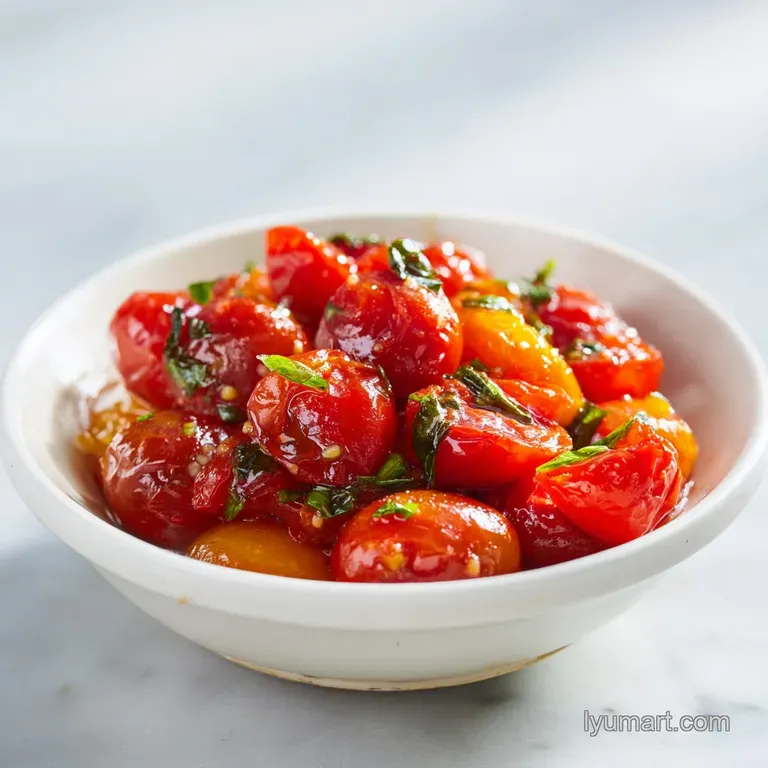
This process is fast, so have your ingredients prepped before you turn on the stove. This is a classic "mise en place" situation it’s much more stress free when you aren't frantically slicing garlic while the oil is already smoking.
- Boil the pasta water in a large pot with plenty of salt.
- Slice 4 cloves fresh garlic paper thin. Note: This ensures they melt into the oil without leaving crunchy bits.
- Heat 1/4 cup extra virgin olive oil in a large skillet over medium heat.
- Infuse the garlic and 1/2 tsp red pepper flakes in the oil until the garlic is fragrant and pale gold.
- Add 2 pints cherry tomatoes and 1 tsp fine sea salt to the pan.
- Crank the heat to medium high and cover with a lid for 3 minutes. Note: The lid traps steam to soften the skins faster.
- Uncover and stir until the tomatoes shatter and release their juices.
- Simmer for another 4 minutes, pressing down on any whole tomatoes with a wooden spoon.
- Splash 1/4 cup starchy pasta water into the pan until the sauce looks glossy and thick.
- Toss in 1/2 cup fresh basil leaves and your cooked pasta, stirring vigorously to coat.
The total time for the sauce is roughly 10 minutes, which perfectly aligns with the boiling time of most dried pastas like spaghetti or fusilli. If you are using fresh pasta, which cooks in 2-3 minutes, make sure your sauce is almost finished before you drop the noodles into the water.
Avoid These Common Sauce Mistakes
One of the biggest blunders people make with this recipe is using too much heat too early. If you burn that thinly sliced garlic, the whole sauce will taste acrid and bitter. It’s better to start the garlic in cool oil and let it come up to temperature slowly.
This "cold start" method is a game changer for flavor extraction.
Why Your Sauce Isn't Perfect
| Problem | Root Cause | Solution |
|---|---|---|
| Sauce is watery | Not enough reduction | Simmer uncovered for 2 more mins on high heat |
| Bitter aftertaste | Burnt garlic | Start garlic in cold oil and watch for gold, not brown |
| Sauce won't cling | Missing pasta water | Add 2 tbsp of starchy water and stir vigorously |
Common Mistakes Checklist
- ✓ Forget to salt the tomatoes? Add salt early to draw out moisture and intensify flavor.
- ✓ Pan too small? Work in batches or use a larger skillet to prevent "steaming" the fruit.
- ✓ Using low quality oil? The fat is the sauce's body; use the best EVOO your budget allows.
- ✓ Tossing the basil too early? Add it at the very end to keep the color vibrant and the oils aromatic.
- ✓ Dumping all the pasta water? Always save a cup before draining, just in case you need more "glide."
If you find the sauce is a bit too acidic which can happen with certain grape tomato varieties don't reach for the sugar immediately. Instead, add a tiny knob of butter or an extra drizzle of olive oil.
The fat will coat the tongue and naturally "tame" the perception of acid without changing the flavor profile of the dish.
Creative Ways to Mix It Up
While the classic version is hard to beat, this sauce is a fantastic canvas for other flavors. If you're looking for something a bit more substantial, you might want to try a version similar to the Marry Me Chickpeas recipe, which uses coconut milk to create a rich, creamy vibe that pairs beautifully with sun dried tomatoes.
1. The Mediterranean Twist
Add a tablespoon of drained capers and some chopped Kalamata olives during the last 2 minutes of simmering. This adds a salty, briny punch that transforms the sauce into something reminiscent of a quick Puttanesca. It's especially good with a firmer pasta shape like penne or rigatoni.
2. The Creamy Rosé Hack
If you want a silkier, richer finish, stir in 2 tablespoons of heavy cream or full fat Greek yogurt right at the end. It turns the bright red sauce into a beautiful pastel orange and mellows out the sharp garlic notes. This is a favorite for kids who might find the "burst" tomatoes a bit too intense.
3. The Low Carb Alternative
You don't have to serve this over wheat pasta. It’s incredible over zucchini noodles or even as a poaching liquid for white fish. If you want to keep the meal light, try serving it alongside a batch of Sauteed Vegetables in recipe for a vitamin packed dinner that doesn't feel like "diet" food.
Scaling for Different Crowds
When scaling this recipe down for one or two people, it’s remarkably simple. Just halve everything. However, because the volume of liquid in the pan will be lower, it will evaporate faster.
You might need to add that pasta water a minute or two earlier than the recipe suggests to keep it from drying out and sticking to the pan.
If you're doubling or tripling this for a dinner party, the biggest challenge is heat management. You’ll need a very large wide pan think a 14 inch skillet or a wide Dutch oven. If you don't have one, it’s better to cook the sauce in two separate pans simultaneously rather than crowding one.
This ensures you still get that "shatter" and "burst" effect rather than just stewing the tomatoes.
For baking applications, if you decide to double the recipe to use as a base for a casserole, lower the oven temperature to 375°F (190°C) and increase the roasting time by about 10 minutes.
This prevents the edges from burning while the center reaches that jammy consistency.
Myths About Fresh Tomato Sauce
There is a long standing myth that you must peel tomatoes for a "proper" sauce. For large Romas, maybe, but for cherry tomatoes? Absolutely not. The skins are where the pectin lives, and when they burst and curl into the sauce, they provide a rustic texture that is highly prized in Italian home cooking.
Plus, who has time to peel a hundred tiny tomatoes on a Tuesday?
Another common misconception is that "fresh is always better than canned." While fresh cherry tomatoes are amazing, they have a different flavor profile than canned San Marzano. Canned tomatoes are often more consistent in acidity, while fresh ones vary by season.
If your fresh tomatoes aren't quite sweet enough, that’s where the over high heat carmelization technique becomes your best friend to bridge the flavor gap.
Finally,, don't believe the lie that you need a lot of herbs to make it taste good. While basil is the classic pairing, the true flavor comes from the interaction of the olive oil, the toasted garlic, and the tomato sugars. The herbs are just the garnish, not the foundation.
Storage and Smart Zero Waste
If you have leftovers, this sauce keeps remarkably well. Store it in an airtight glass jar in the fridge for up to 4 days. When reheating, the oil will likely have solidified, and the sauce will look thick. Simply pop it back into a skillet with a tiny splash of water or a drizzle of fresh oil to loosen it back up.
It will return to its silky state in about 3 minutes.
Freezing is also an option! I like to freeze the sauce in silicone ice cube trays. Once frozen, pop the "sauce cubes" into a freezer bag. They stay fresh for up to 3 months. This is perfect for when you just need a little bit of sauce for a single serving of pasta or to top a piece of grilled chicken.
To minimize waste, don't throw away your basil stems! You can toss them into your pasta boiling water to infuse the noodles with a subtle herbal note. If you have a few tomatoes that are way too far gone (soft and leaky), don't toss them either they are actually at their peak sugar level and will melt into the sauce faster than the firm ones. You can even use the leftover oil from a jar of Pickled Vegetables recipe to start your sauce for an extra hit of tang and spice.
Perfect Pairings for This Meal
This sauce is quite light, so I usually pair it with a crisp green salad or some crusty sourdough bread to soak up the extra oil. If you want to make it a more well rounded meal, it goes beautifully with grilled shrimp or a simple pan seared chicken breast.
The acidity of the tomatoes cuts through the richness of the protein perfectly.
- Wine Pairing: A cold glass of Pinot Grigio or a light Rosé balances the acidity.
- Cheese: Freshly grated Pecorino Romano adds a salty funk that Parmesan sometimes lacks.
- Side Dish: A tray of roasted broccoli or these Sauteed Vegetables in recipe keeps things fresh and healthy.
Trust me, once you see how easy it is to create a restaurant quality meal from a handful of pantry staples and a couple of pints of tomatoes, you'll never look at a jar of pre made sauce the same way again.
It’s fast, it’s cheap, and it’s honestly one of the most satisfying things you can cook in under 15 minutes. Enjoy the sizzle!
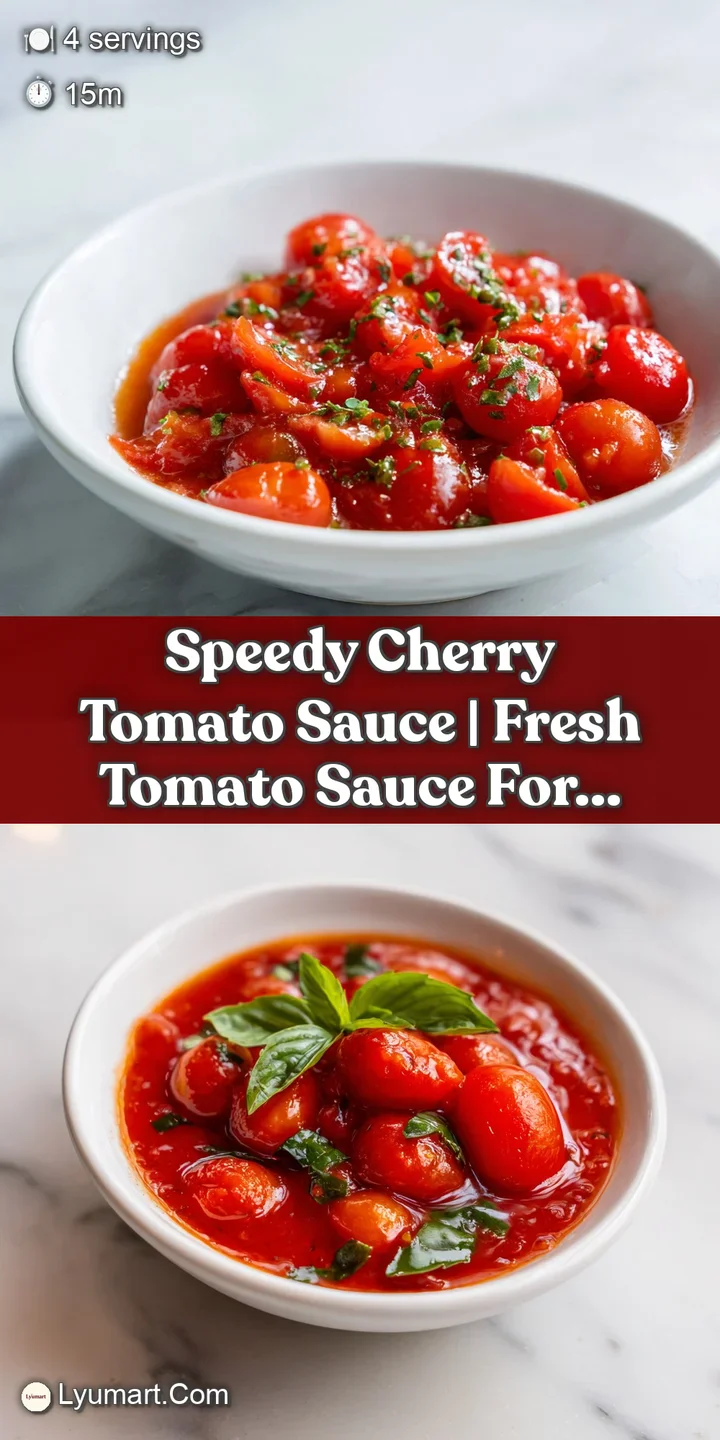
Cherry Tomato Sauce FAQs
What is the one ingredient that makes spaghetti sauce so much better?
Starchy pasta water. This water, thick with dissolved starch from boiling the noodles, acts as a natural emulsifier when tossed with the olive oil and tomato juice.
Can diabetics eat cherry tomatoes?
Yes, in moderation, they are fine. Cherry tomatoes have a low glycemic index and are rich in fiber, which helps regulate blood sugar absorption, making them safe for most diabetic diets.
What is the best pre-made tomato sauce?
San Marzano DOP certified crushed tomatoes are the gold standard. They offer the best natural balance of sweetness and low acidity compared to most jarred options.
What is the most popular tomato sauce in Italy?
Sugo al Pomodoro (simple tomato sauce) is the foundation. This basic sauce, often made with San Marzanos, garlic, and basil, is the bedrock for countless regional dishes.
How to quickly thicken a thin cherry tomato sauce?
Increase the heat and vigorously stir in pasta water. The high temperature helps evaporate excess liquid, while the starch in the reserved water binds the sauce into a glossy emulsion.
Is it true you must simmer fresh tomato sauce for hours to develop deep flavor?
No, this is a common misconception, especially with cherry tomatoes. The high natural sugar content in cherry tomatoes allows for rapid caramelization over high heat, developing depth in under 15 minutes.
What can I serve with this simple sauce to make it a complete meal?
Protein like fish or crusty bread works best. This bright, acidic sauce pairs wonderfully with mild white fish, similar to how we balance flavors in the Baked Cod in recipe.
Speedy Cherry Tomato Sauce
Ingredients:
Instructions:
Nutrition Facts:
| Calories | 157 kcal |
|---|---|
| Protein | 1.9 g |
| Fat | 13.8 g |
| Carbs | 8.1 g |
| Fiber | 2.1 g |
| Sugar | 4.5 g |
| Sodium | 602 mg |
