Sweet Cornbread Recipe with Buttermilk
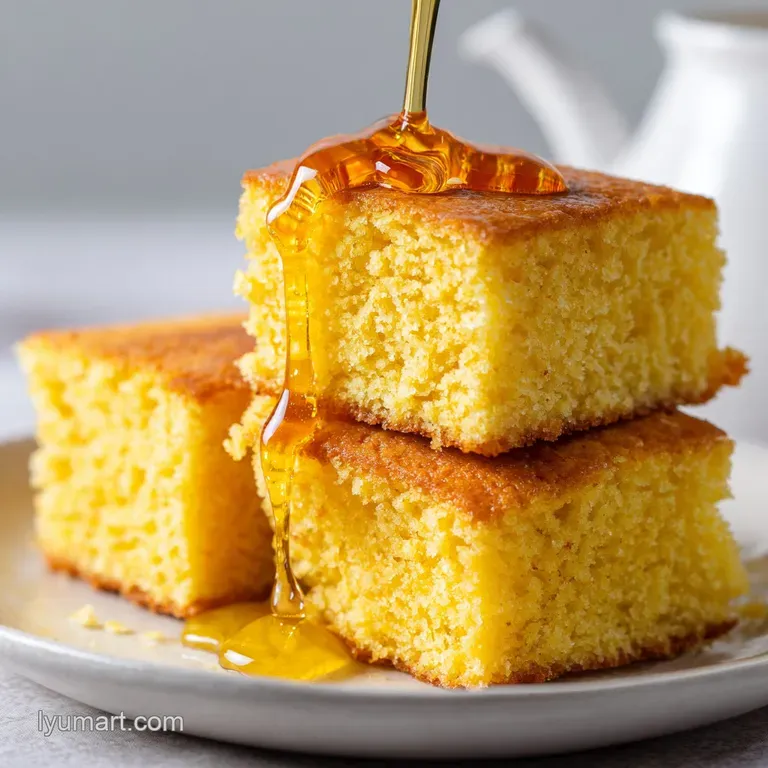
- Time: Active 10 minutes, Passive 20 minutes, Total 30 minutes
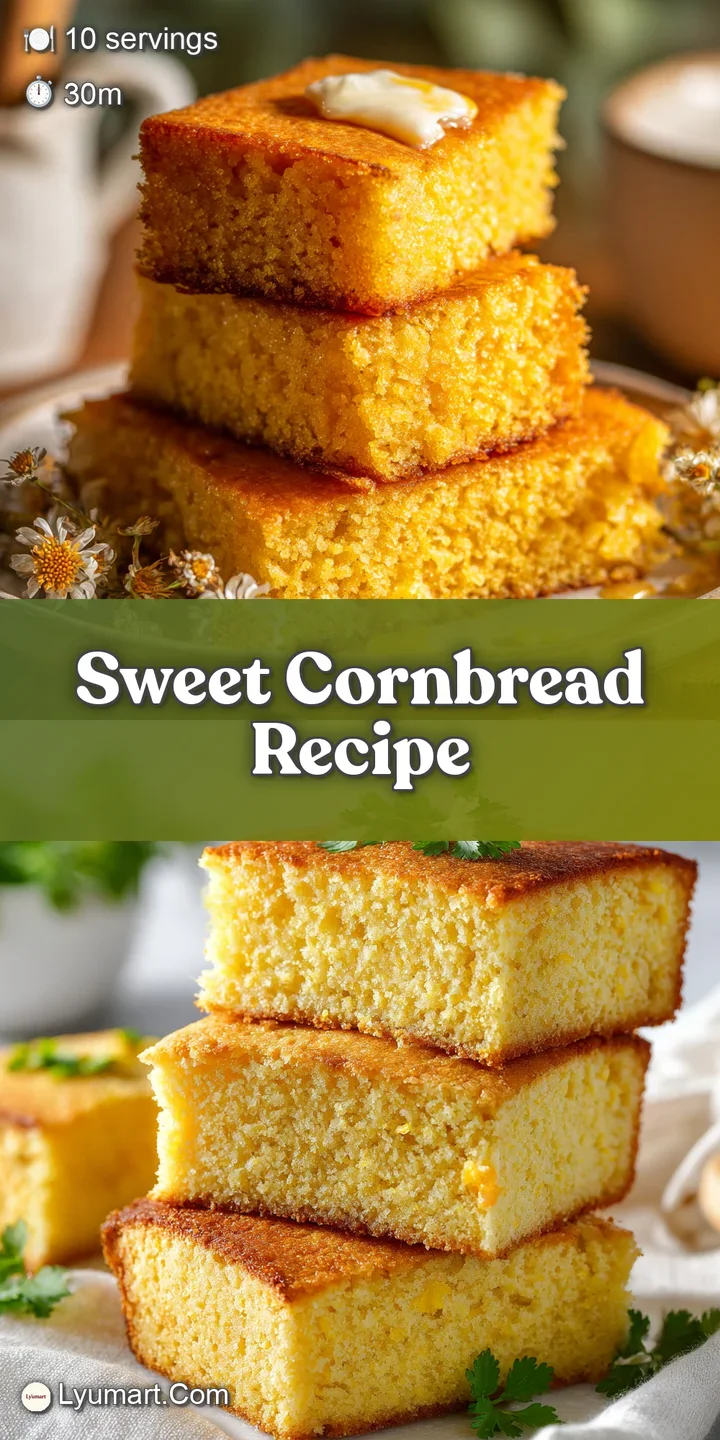
- Flavor/Texture Hook: Sizzling buttery edges with a velvety, honeycomb crumb
- Perfect for: Holiday gatherings, Sunday dinners, or ultimate comfort food cravings
- Why This Golden Sweet Cornbread Recipe Wins
- The Honey Buttermilk Hydration Logic
- Essential Metrics for Your Perfect Bake
- Selecting Ingredients for the Soul
- Vital Tools for a Golden Crust
- The Secret Stages of Flavor Building
- Avoiding Pitfalls and Baker Mistakes
- Southern Inspired Variations and Swaps
- Keeping Your Bake Fresh and Moist
- Perfect Pairings for Your Meal
- Recipe FAQs
- 📝 Recipe Card
Why This Golden Sweet Cornbread Recipe Wins
Picture this: you pull a heavy cast iron skillet from a 200°C oven, and the aroma of toasted corn and melting butter instantly fills the room. I remember the first time I tried this specific method at my Grandma’s house.
She didn't just pour the batter into a cold pan; she waited for that butter to foam and hiss. That sound is the secret to a crust that actually snaps when you bite into it, protecting a center so soft it almost feels like cake.
We've all had that dry, choking cornbread that requires a gallon of water just to swallow. This isn't that. By balancing granulated sugar with thick, amber honey, we create a moisture trapping duo that keeps every slice plush. It's the kind of side dish that usually disappears faster than the main course, especially when served alongside a holiday favorite like my French's Green Bean Casserole recipe.
Right then, let's talk about why this works so well. It’s not just about mixing ingredients; it’s about the chemistry between the tang of the buttermilk and the grit of the cornmeal. We are looking for a specific harmony where the sweetness doesn't overpower the earthy corn flavor.
Trust me on this, once you hear that first sizzle in the pan, you'll never go back to a boxed mix again.
The Honey Buttermilk Hydration Logic
Science: The acidity in the buttermilk triggers a rapid release of carbon dioxide from the baking soda, creating an airy lattice that prevents the heavy cornmeal from becoming a brick.
Simultaneously, the honey acts as a humectant, physically grabbing onto water molecules to ensure the crumb stays velvety even after cooling.
| Premium Ingredient | Budget Alternative | Flavor Impact | Savings |
|---|---|---|---|
| Manuka Honey (115g) | Clover Honey (115g) | Slightly less earthy/floral but still sweet | Save $15.00 |
| Organic Stone Ground Cornmeal | Store Brand Fine Cornmeal | Less "toasty" depth but smoother texture | Save $3.50 |
| European High Fat Butter | Standard Unsalted Butter | Less richness in the crust shatter | Save $2.00 |
Selecting high-quality ingredients transforms this from a simple bread into a soulful experience. While the budget options work beautifully for a weeknight, using a local honey can add layers of floral notes that dance through the saltiness of the butter.
Essential Metrics for Your Perfect Bake
| Component | Science Role | Pro Secret |
|---|---|---|
| Fine Yellow Cornmeal (150g) | Provides structural "grind" | Whisk it with dry ingredients first to avoid clumps. |
| Full fat Buttermilk (240ml) | Tenderizes gluten via acidity | Always use room temperature to keep butter liquid. |
| Granulated Cane Sugar (50g) | Aids in "Maillard" browning | Creates the characteristic golden brown speckled top. |
| Honey (115g) | Adds complex sweetness | Coat your measuring cup in oil so the honey slides out. |
Selecting Ingredients for the Soul
To get this sweet cornbread recipe exactly right, you need to be precise with your elements. We aren't just tossing things in a bowl; we are building a foundation of flavor.
- All purpose flour (160g): This provides the gluten structure needed to hold the cornmeal together. Why this? It ensures the bread doesn't crumble into dust when sliced.
- Fine ground yellow cornmeal (150g): We want that classic yellow hue and a subtle crunch. Why this? Fine ground offers a more refined, cake like texture than coarse meal.
- Full fat buttermilk (240ml): The thick, tangy liquid is non negotiable for soul food authenticity. Why this? The fat content adds a necessary richness to the crumb.
- Unsalted butter (113g melted + 1 tbsp for skillet): Butter is the carrier for all the other flavors. Why this? It provides a nutty aroma that oil simply cannot replicate.
- Honey (115g): This is our liquid gold for moisture. Why this? Honey creates a tacky, soft texture that stays fresh longer than sugar alone.
- Large eggs (2 units): These act as the binder and provide lift.
- Baking powder (1 tbsp) & Baking soda (0.5 tsp): Our double threat leavening team.
- Fine sea salt (0.75 tsp): To balance the heavy sweetness.
Vital Tools for a Golden Crust
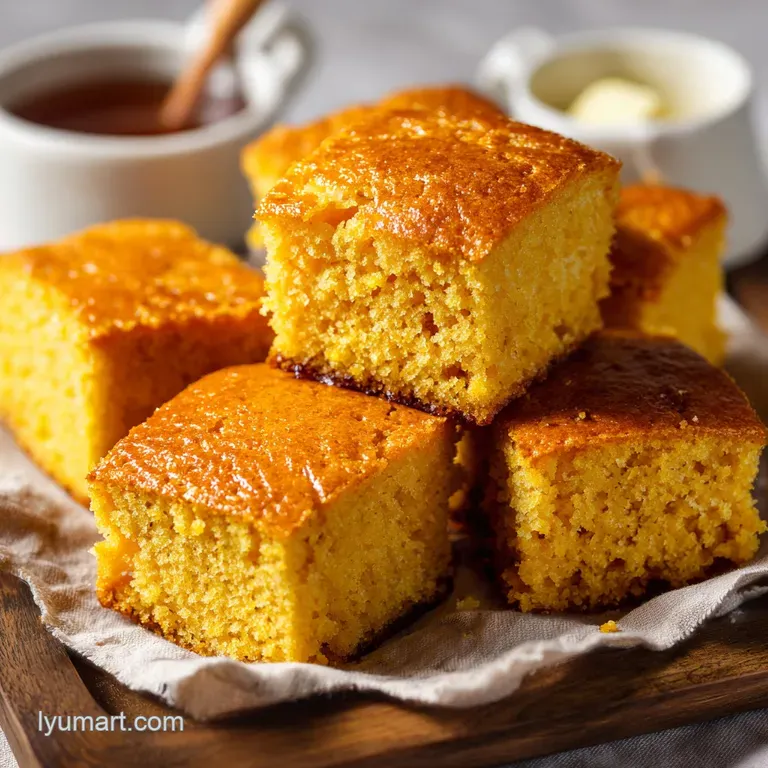
You don't need a professional bakery to pull this off, but one piece of equipment is the absolute king here: the 10 inch cast iron skillet. It holds heat like nothing else, which is vital for that "shatter crisp" bottom. If you don't have one, a heavy cake tin will do, but you'll miss out on that iconic Southern sear.
You'll also need two mixing bowls one for the dry team and one for the wet. A sturdy whisk is better than a fork here because we want to aerate the buttermilk and eggs until they are frothy.
Honestly, don't bother with an electric mixer; over beating is the fastest way to turn a soulful cornbread into a tough piece of leather.
The Secret Stages of Flavor Building
The Dry Base Mix
Start by whisking together your 160g of flour, 150g of cornmeal, sugar, baking powder, baking soda, and sea salt. You want this to look like a uniform, pale yellow sand. This ensures the leavening agents are evenly distributed so you don't end up with one side of the bread rising higher than the other.
Liquid Gold Component
In your second bowl, whisk the 2 beaten eggs into the 240ml of room temperature buttermilk. Slowly stream in your 113g of melted (but cooled!) butter and the 115g of honey. If your buttermilk is too cold, that butter will seize up into little waxy chunks we want a silky, golden emulsion instead.
Phase One: Skillet Sizzle
Place your 10 inch skillet in the oven while it preheats to 200°C. Once the oven is ready, carefully pull the hot skillet out and drop in that extra tablespoon of butter. It should melt, foam, and start to smell nutty within seconds. Swirl it around so the bottom and sides are completely coated.
Phase Two: Gentle Fold
Pour your wet ingredients into the dry bowl. Use a spatula to fold them together until just combined. If you see a few small streaks of flour, stop! Over mixing develops gluten, which we want to avoid for a tender result.
Phase Three: Golden Bake
Pour the batter into the screaming hot, buttery skillet. You should hear a satisfying sizzle that’s the crust forming instantly. Smooth the top and slide it into the center rack. Bake for 20 minutes until the edges are mahogany and a toothpick comes out clean.
Avoiding Pitfalls and Baker Mistakes
The biggest mistake I ever made was rushing the cooling process. If you cut into the bread the second it leaves the oven, the steam escapes too fast, and the center can collapse or feel gummy. Let it sit for at least 10 minutes; the carryover heat finishes the crumb perfectly.
Dry Cornbread Fixes
If your bread feels like a desert, it's usually one of two things: you over measured the flour or over baked the dish.
| Problem | Root Cause | Solution |
|---|---|---|
| Dry, sandy texture | Too much cornmeal or flour | Use a kitchen scale for 160g/150g precision. |
| Burnt bottom | Skillet was too hot or rack too low | Move the rack to the middle; reduce preheat time. |
| Flat, dense bread | Expired baking powder | Test powder in hot water; it should bubble vigorously. |
Common Mistakes Checklist
- ✓ Never use cold eggs or buttermilk (it clumps the melted butter)
- ✓ Do not skip the skillet preheat (the crust depends on it)
- ✓ Measure your honey after the butter (the grease helps it slide out)
- ✓ Stop mixing the moment the flour streaks disappear
- ✓ Let the bread rest for 10 minutes before slicing
Southern Inspired Variations and Swaps
Sometimes you want to take this sweet cornbread recipe and give it a bit of a "flare." If you're craving something even more decadent, you could try a method similar to my Homemade French Toast Recipe where you emphasize the custard like center.
| Original Ingredient | Substitute | Why It Works |
|---|---|---|
| Full fat Buttermilk | Greek Yogurt + Milk (50/50) | Maintains the acidity needed for the rise. |
| Granulated Sugar | Light Brown Sugar | Adds a subtle molasses undertone and more moisture. |
| Fine Cornmeal | Medium Ground Cornmeal | Note: Adds a much crunchier, rustic "pebbly" texture. |
What if I Want a Savory Kick?
Try folding in 100g of sharp cheddar cheese and a handful of chopped jalapeños. The sweetness of the honey plays incredibly well against the heat of the peppers. It turns the bread into a complex side that stands up to heavy chilis and stews.
The Sweet Breakfast
If you have leftovers, slice a piece in half, toast it in a pan with more butter, and drizzle with extra honey. It’s basically a cornmeal pound cake at that point. You can even serve it alongside some fruit for a rustic brunch vibe.
Keeping Your Bake Fresh and Moist
To keep your cornbread from turning into a rock, wrap it tightly in foil or plastic wrap once it has cooled completely. It will stay soft on the counter for about 2 to 3 days. If you want to keep it longer, the fridge is an option, but it tends to dry out the crumb faster, so I usually recommend the freezer for long term storage.
Chef's Tip: To revive "day old" cornbread, wrap a slice in a damp paper towel and microwave for 15 seconds. It recreates the steam and softens the honey sugar bonds.
Freezing: You can freeze individual slices by wrapping them in parchment paper and then placing them in a freezer bag. They’ll stay good for up to 3 months. To reheat, just pop them in a 175°C oven for 5 to 8 minutes until the edges get that "shatter" texture back.
Zero Waste: Don't throw away the crumbs! If you have leftover scraps that are too small to serve, toast them in the oven until they are bone dry. Pulse them in a blender to make "cornbread crumbs." These make an unbelievable topping for macaroni and cheese or a crunchy coating for fried chicken.
Perfect Pairings for Your Meal
This cornbread is a team player. It’s traditional to serve it with a big bowl of smoky pinto beans or a slow simmered chili. The sweetness cuts through the spice and salt like a dream. If you are looking for a green side that isn't too heavy, it pairs beautifully with my Baked Green Beans recipe.
The Classic Soul Food Spread
For a true Southern feast, serve this with collard greens, fried catfish, and a cold glass of sweet tea. The way the honey in the bread interacts with the vinegar in the greens is a flavor profile that has sustained families for generations.
Scaling the Recipe
- To Double (2x): Use a 12 inch skillet or two 10 inch skillets. Do not try to crowd a single 10 inch pan or the center will remain raw while the edges burn.
- To Half (1/2): Use an 8 inch skillet or a small loaf pan. Reduce the baking time by about 5 minutes and keep a close eye on the browning.
Debunking Cornbread Myths
One common myth is that you must soak the cornmeal in buttermilk overnight. While this does soften the "grit," it's completely unnecessary if you're using a fine ground meal like we do here. Another myth is that "real" Southern cornbread never has sugar.
While that might be true for some savory versions, the sweet, honey heavy style is a staple of soul food culture and frankly, it tastes a lot better with a spicy bowl of chili!
Recipe FAQs
How do I make my cornbread sweet?
Increase the sugar and honey content. We use both granulated sugar and honey because the honey acts as a humectant to retain moisture, ensuring the sweetness doesn't dry out the crumb.
What is the difference between Southern cornbread and sweet cornbread?
Southern cornbread is traditionally unsweetened or minimally sweetened. Sweet cornbread, often favored in Northern styles, contains significant amounts of added sugar and sometimes flour, resulting in a texture closer to cake.
What is the secret to the best cornbread?
Preheat a cast iron skillet with butter in the oven until sizzling hot. Pouring the batter into this screaming hot fat instantly creates that desired, shatteringly crisp, golden brown crust around the edges.
How sweet should cornbread be?
Sweetness should balance the corn and salt, not dominate it. Aim for a flavor profile where the sweetness complements, rather than masks, the earthy cornmeal flavor, much like balancing flavors in a dessert such as a Homemade Vanilla Cupcakes Recipe.
Why is my cornbread crumbly and dry?
You likely overmixed the batter or used too little liquid/fat. Overmixing develops gluten, making it tough, while insufficient honey or buttermilk prevents proper moisture retention.
Can I substitute buttermilk with regular milk?
No, you must maintain the acid content for the leavening reaction. If you must substitute, mix regular milk with a teaspoon of lemon juice or white vinegar and let it sit for five minutes before using it as a buttermilk substitute in recipes like this one.
How long should I bake sweet cornbread for a perfect, moist center?
Bake for 20 to 25 minutes at 200°C until golden brown. Crucially, let the bread rest in the pan for at least 10 minutes after removal; this allows the interior structure to set without collapsing from rapid steam release.
Sweet Cornbread Recipe From Scratch
Ingredients:
Instructions:
Nutrition Facts:
| Calories | 287 kcal |
|---|---|
| Protein | 5.0 g |
| Fat | 12.7 g |
| Carbs | 39.4 g |
| Fiber | 1.8 g |
| Sugar | 20.2 g |
| Sodium | 284 mg |
