Christmas Dinner Idea with Roasted Turkey
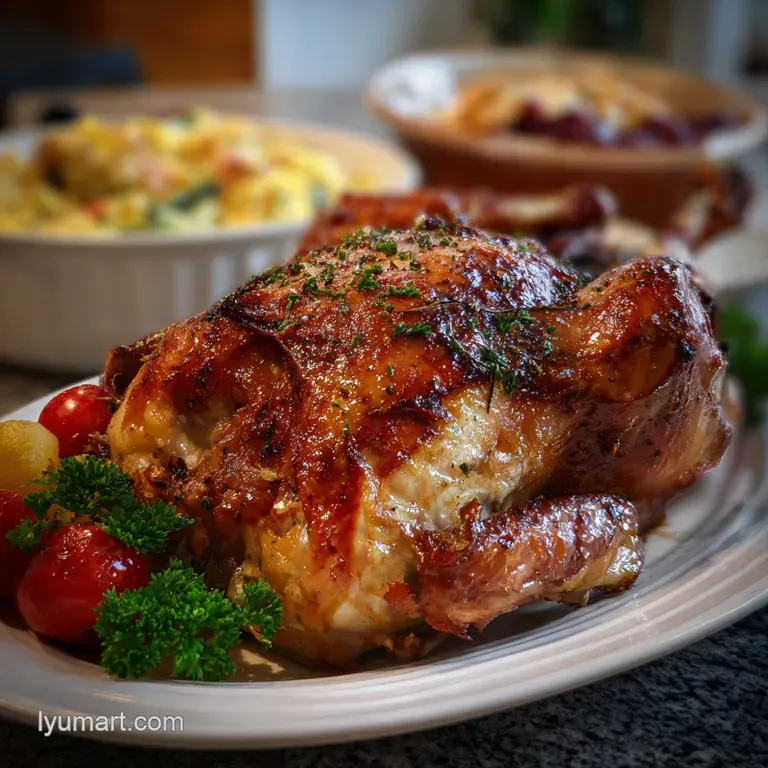
- Time: Active 30 minutes, Passive 2 hour 30 mins, Total 3 hour
- Flavor/Texture Hook: Shatter crisp skin with a velvety, herb infused interior.
- Perfect for: A low stress family Christmas dinner or a Budget-Friendly holiday feast.
- A Crowd-Pleasing Christmas Dinner Idea with Roasted Turkey
- Essential Metrics for the Roast
- Examining the Core Components
- Essential Tools for the Bird
- Step-by-Step Guide to Golden Skin
- Fixing Common Roasting Pitfalls
- Budget-Friendly Swaps and Flavor Twists
- Managing Leftovers and Reducing Waste
- Sides That Complement the Turkey
- Debunking Traditional Holiday Cooking Myths
- Recipe FAQs
- 📝 Recipe Card
Can you hear that faint, rhythmic sizzle coming from the oven? That’s the sound of fat rendering under turkey skin, turning it into something that snaps like a cracker when you carve it.
I used to think holiday cooking had to be a frantic, multi day ordeal involving complicated marinades, but I found out that simplicity usually wins. This article highlights one fantastic Christmas dinner idea: roasted turkey.
Most of us have suffered through a dry, flavorless bird at some point, right? I remember my first attempt where I basted the turkey every twenty minutes, only to end up with soggy skin and a kitchen that felt like a sauna. It was a mess. Now, I stick to a method that prioritizes salt and air over constant fussing.
The goal here isn't just to get food on the table, but to make sure you actually enjoy the process. We’re using basic pantry staples to create a profile that tastes expensive without draining your wallet.
By focusing on a few key techniques, we can transform a standard 13 lb turkey into the focal point of your holiday.
A Crowd Pleasing Christmas Dinner Idea with Roasted Turkey
The secret to why this specific method works comes down to how we treat the moisture. Most people try to add moisture during cooking, but the real trick is managing the moisture already inside the meat.
- Osmosis: The 3 tbsp Kosher salt draws out moisture, dissolves into a brine, and is then reabsorbed into the muscle fibers to season them deeply.
- Protein Denaturation: Salt helps break down tightly wound proteins, allowing the meat to hold onto its juices rather than squeezing them out as it heats.
- Maillard Reaction: The combination of 1 cup unsalted butter and high initial heat creates that deep brown color and complex savory flavor on the skin.
- Thermal Insulation: The thick layer of herb butter acts as a barrier, slowing down the heat transfer to the breast meat so it doesn't overcook before the legs are done.
Chef's Note: For the loudest crunch, let the salted turkey sit uncovered in the fridge for a full night. This air drying step is the difference between "okay" skin and "shatter crisp" skin.
Essential Metrics for the Roast
| Component | Metric | Importance |
|---|---|---|
| Turkey Weight | 13 lb | Determines the cooking timeline and salt ratio. |
| Oven Temperature | 230°C to 175°C | High heat starts the crisping; lower heat finishes the interior. |
| Internal Temperature | 74°C (165°F) | The safety standard where meat is juiciest. |
Examining the Core Components
| Ingredient | Science Role | Pro Secret |
|---|---|---|
| 3 tbsp Kosher salt | Moisture Regulator | Use Diamond Crystal for better coverage without over salting. |
| 1 cup unsalted butter | Fat Conductor | Mix with herbs while soft, then chill slightly for easier spreading. |
| 13 lb whole turkey | Protein Base | Ensure it is fully thawed; even a small icy core ruins the timing. |
| 1 lemon | Acid/Steam | The steam from the cavity prevents the breast from drying from the inside. |
Essential Tools for the Bird
You don't need a kitchen full of gadgets, but a heavy duty roasting pan is a must. If you’re working with a budget, a sturdy disposable foil pan on top of a baking sheet can work, though it’s less stable.
I personally swear by my Lodge Cast Iron Skillet for smaller roasts, but for a 13 lb turkey, a large stainless steel roasting pan with a V rack is the gold standard.
The rack is vital because it allows hot air to circulate under the bird. Without it, the bottom of the turkey just boils in its own juices, and nobody wants soggy "bottom skin." If you don't have a rack, you can hack one by lining the bottom of the pan with thick rings of onion and celery.
It’s a clever way to keep the meat elevated while adding flavor to the drippings.
step-by-step Guide to Golden Skin
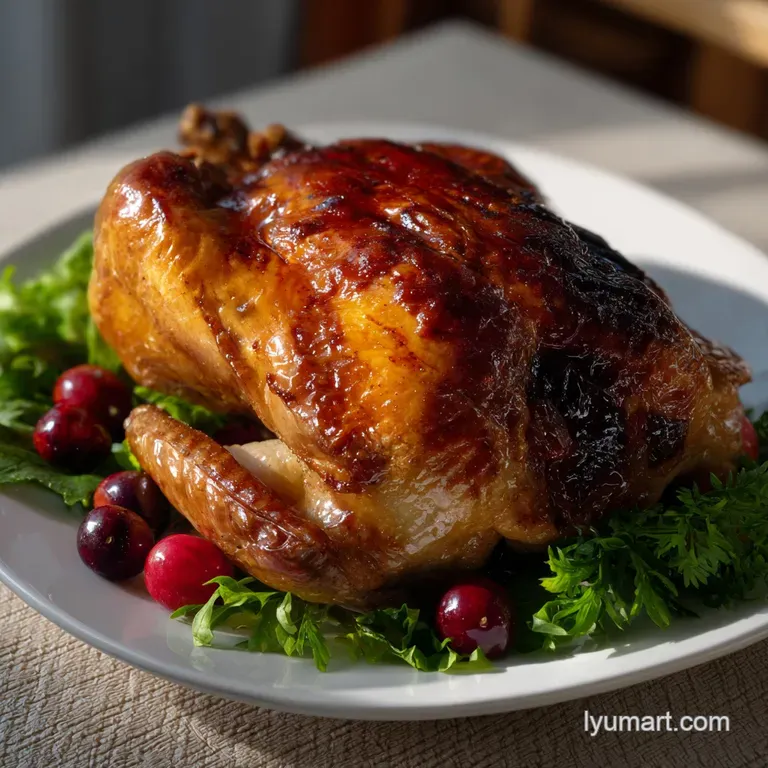
- Dry the turkey. Pat the 13 lb whole turkey inside and out with paper towels until the skin feels like parchment. Note: Surface moisture is the enemy of crispiness.
- Apply the brine. Rub the 3 tbsp Kosher salt, 1 tbsp smoked paprika, and 1 tsp cracked black pepper over every inch of the bird.
- Prepare the butter. Mix 1 cup unsalted butter with 2 tbsp fresh sage, 2 tbsp fresh rosemary, 1 tbsp fresh thyme, and 4 cloves grated garlic.
- Stuff the cavity. Place 1 large yellow onion, 1 head halved garlic, 1 halved lemon, and the bunch of poultry herbs inside.
- Loosen the skin. Gently slide your fingers between the breast meat and the skin to create a pocket. Note: Be careful not to tear the skin.
- Butter the bird. Spread half the herb butter under the skin and the rest all over the outside until the turkey is completely coated.
- Start the heat. Roast at 230°C for 20 minutes until the skin starts to sizzle and brown.
- Lower and finish. Drop the temp to 175°C and roast for about 2 hours until the thigh hits 74°C.
- Monitor the color. If the skin darkens too fast, tent it loosely with foil.
- Rest the meat. Move the bird to a board and wait 30 minutes until the juices settle back into the fibers.
Similar to the technique used in our One Pan Chicken recipe, letting the bird rest is non negotiable for a velvety texture.
Fixing Common Roasting Pitfalls
The Breast is Dry
This usually happens because the white meat cooks faster than the dark meat. If the legs aren't moving easily but the breast is already at 70°C, it's time to intervene.
The Skin is Pale
Lack of heat or too much moisture is the culprit. You need that initial blast of high heat to jumpstart the rendering process.
| Problem | Cause | Fix | Pro Tip |
|---|---|---|---|
| Soggy Skin | Constant basting | Stop opening the oven. | Pat the skin extra dry before buttering. |
| Burnt Herbs | Exposed butter | Put herbs under the skin. | Mix herbs into a paste with the butter. |
| Raw Thighs | Cold start | Let bird sit out 1 hour. | Use a meat thermometer in the thickest part. |
Budget Friendly Swaps and Flavor Twists
If you can't find fresh herbs, don't panic. Dried herbs are fine, just use a third of the amount because they’re more concentrated. I’ve often used a mix of dried oregano and thyme when the grocery store was picked over, and it still tasted great.
| Original Ingredient | Substitute | Why It Works |
|---|---|---|
| Unsalted Butter | Margarine or Oil | Margarine has more water, so the skin might be slightly less crisp. |
| Fresh Rosemary | Dried Rosemary | Same earthy flavor. Note: Crush it in your palm to release oils. |
| Kosher Salt | Table Salt | Works fine. Note: Use only 1.5 tbsp as it's much saltier by volume. |
For a different flavor profile, you might try adding some citrus zest to the butter. If you're looking for something simpler for a smaller crowd, you could even adapt this to a Baked Salmon with Lemon recipe for a lighter Christmas alternative.
Managing Leftovers and Reducing Waste
Store any remaining turkey in airtight containers in the fridge for up to 4 days. If you have a lot left over, you can freeze it for up to 3 months, though the texture is best when it's reheated in a bit of gravy or stock to keep it moist.
Don't you dare throw away that carcass! The bones, the neck, and any veggie scraps from the pan are gold. Put them in a pot with water and a splash of cider vinegar, simmer for 4 hours, and you have a stock that beats anything in a carton.
You can use that stock for a silky risotto or a quick soup the next day. Even the leftover fat in the pan (liquid gold!) can be used to roast potatoes the following week.
Sides That Complement the Turkey
You want sides that can hold their own against the savory turkey. A classic Garlic Mashed Potatoes Recipe is the perfect vessel for all that herb infused gravy you're going to make from the pan drippings.
If you're craving something green, a roasted vegetables recipe with balsamic glaze provides a nice acidic contrast to the rich meat.
- For a rich finish: Add a dollop of sour cream to your mash.
- For crunch: Toss some toasted almonds over your green beans.
- For sweetness: A quick cranberry sauce with orange zest cuts through the fat.
Debunking Traditional Holiday Cooking Myths
Many people still believe that basting the turkey keeps it moist. In reality, every time you open the oven door, the temperature drops significantly, which actually increases the cooking time and leads to a drier bird.
The moisture comes from the internal fat and the salt brining process, not from pouring liquid over the skin.
Another common mistake is thinking you must cook stuffing inside the bird. While traditional, it's actually quite risky because the stuffing needs to reach 74°C to be safe, which often means the breast meat has reached 85°C and turned into sawdust.
It's much better to cook your stuffing in a separate dish and use the turkey's cavity purely for aromatics like the lemon and garlic we used here. Trust me, your taste buds will thank you for the juicy meat, and your guests will still love the stuffing.
Recipe FAQs
Is it necessary to dry brine the turkey overnight for the best results?
Yes, absolutely. Uncovered refrigeration allows the skin to thoroughly air-dry, which is the single most important step for achieving shatteringly crisp skin.
Should I baste the turkey frequently while it cooks to keep it moist?
No, avoid constant basting. Opening the oven drops the temperature drastically, slowing the cook time and potentially leading to soggy skin.
What internal temperature should the turkey reach before resting?
Aim for 74°C (165°F) in the thigh. Pull it slightly before this, around 72°C, as the temperature will continue to rise during the mandatory 30-minute rest period.
Can I use dried herbs instead of fresh herbs for the compound butter?
Yes, but use less. Dried herbs are more potent, so substitute dried for fresh using a 1:3 ratio, crushing the dried herbs slightly before mixing them into the butter.
Why should I avoid cooking stuffing inside the turkey cavity?
It complicates safe cooking and dries the meat. The stuffing often requires a higher internal temperature than the turkey breast can safely sustain, resulting in overcooked white meat.
If my turkey skin browns too quickly, how should I adjust the cooking?
Tent it loosely with foil immediately. This shields the skin from direct intense heat while allowing the lower temperature to finish cooking the dense thigh and leg meat.
What is a good low-stress side dish that pairs well with the rich turkey gravy?
Creamy mashed potatoes are ideal. If you enjoyed mastering the smooth texture achieved by tempering eggs for pastry, the same slow incorporation principles apply to getting a velvety sauce base in our Creamy Mac and Cheese Recipe: Stovetop Silky.
Turkey Dinner Idea Roast
Ingredients:
Instructions:
Nutrition Facts:
| Calories | 612 kcal |
|---|---|
| Protein | 67.4g |
| Fat | 35.8g |
| Carbs | 1.8g |
| Fiber | 0.4g |
| Sugar | 0.3g |
| Sodium | 845mg |
