Best Italian Meatball Recipe: Tender and Juicy
- Time: Active 15 minutes, Passive 15 minutes, Total 30 minutes
- Flavor/Texture Hook: Velvety interior with a savory, browned exterior
- Perfect for: Stress free weeknight dinners or high volume meal prep
- Experience the Best Meatball Recipe Ever Made
- Stop Making Tough And Rubbery Meatballs Today
- Deep Dive Into Component Roles
- The Essential Components For Perfect Flavor
- Tools For A Smooth Cooking Process
- A Systematic Guide To Meatball Assembly
- Fixing Common Problems In The Kitchen
- Creative Ways To Change The Flavor
- Adjusting The Batch Size
- Kitchen Legends And Myths
- Preserving And Warming Your Finished Meatballs
- Perfect Sides For A Complete Meal
- Recipe FAQs
- 📝 Recipe Card
Experience the Best Meatball Recipe Ever Made
Imagine walking into the kitchen and catching that first scent of garlic and oregano hitting the heat. You know that specific aroma, right? It's the one that makes everyone suddenly appear at the counter asking when dinner is ready.
For years, I struggled with meatballs that were either soggy and falling apart or, worse, so tough you could practically use them as golf balls. I used to think the secret was just more fat, but honestly, that just left me with a greasy pan and heavy results.
This recipe changes that whole dynamic. We're going for something that feels humble and classic but tastes like it came from a high end Italian spot. The payoff here is huge compared to the effort.
You're getting a texture that is absolutely velvety on the inside while the over high heat roasting creates a beautiful, browned crust on the outside. It's a satisfying win that works just as well for a quick Tuesday night as it does for a big Sunday family gathering.
We're going to use a specific technique involving a panade, which is basically just a fancy word for a starch and liquid paste. But we're adding a twist with ricotta and zucchini. This combo is brilliant because it provides "internal irrigation" for the meat.
Even if you accidentally overcook them by a minute or two, they stay moist. Trust me on this, once you try this specific ratio, you'll never go back to those dry, frozen bags again.
Stop Making Tough And Rubbery Meatballs Today
The biggest mistake most people make is overworking the meat. When you squeeze and mash ground beef too much, you're actually linking proteins together, which turns the finished product rubbery. This is why we mix all our flavorings and binders before the meat even touches the bowl.
By creating a flavor slurry first, you only have to fold the meat in gently, keeping the structure light and airy.
Moisture Mesh: The zucchini and ricotta create physical barriers between meat proteins, preventing them from bonding too tightly.
Hydration Lock: Letting the Panko sit in the milk and ricotta for 5 minutes ensures the breadcrumbs are fully saturated so they don't suck moisture out of the meat.
Steam Pockets: As the zucchini releases its natural water during baking, it creates tiny steam vents that keep the interior tender.
Fat Balance: Using a mix of 90/10 beef and lean pork provides enough fat for flavor without leaving the meatballs sitting in a pool of grease.
| Thickness | Internal Temp | Rest Time | Visual Cue |
|---|---|---|---|
| 1.5 inch (3.8 cm) | 165°F (74°C) | 3 minutes | Juices run clear when poked |
| 1 inch (2.5 cm) | 165°F (74°C) | 2 minutes | Golden brown exterior |
| 2 inch (5 cm) | 165°F (74°C) | 5 minutes | Firm to the touch but yielding |
Getting the internal temperature right is the most important part of this process. Even with the extra moisture from the zucchini, taking the meat past 175°F (80°C) will start to dry it out. Use a digital thermometer if you have one.
If you don't, look for that specific moment when the surface goes from looking "wet" to having a matte, browned finish with little bubbles of fat dancing on the top.
Deep Dive Into Component Roles
| Ingredient | Science Role | Pro Secret |
|---|---|---|
| Panko | Structural Binder | Use Panko instead of Italian crumbs; the larger flakes create better "lift." |
| Ricotta | Emollient & Fat | Full fat is better, but part skim (as used here) still provides incredible creaminess. |
| Zucchini | Internal Hydrator | Squeeze it dry! You want the fiber and residual moisture, not a swamp in your bowl. |
| Garlic Paste | Flavor Distribution | Microplane your garlic into a paste so you don't get a huge chunk of raw garlic in one bite. |
The zucchini is the hidden hero of the best meatball recipe. Most people are skeptical when I tell them there's a vegetable in their comfort food, but honestly, you can't even taste it. It disappears into the meat, leaving behind nothing but moisture.
It's a great way to use up garden scraps, and it keeps the calories slightly lower while boosting the volume of the dish.
The Essential Components For Perfect Flavor
To get these meatballs exactly right, we need to be specific about our elements. Every ingredient has a job to do, and swapping them out without thought can change the texture entirely.
- 1/2 cup (45g) Panko breadcrumbs: These are lighter than traditional crumbs and keep the meatballs from becoming dense.
- 1/3 cup (80ml) low-fat milk: This hydrates the Panko to form our panade.
- 1/4 cup (60g) Part skim ricotta cheese: Adds a subtle creaminess and fat that beef alone lacks.
- 1/2 cup (60g) Finely grated zucchini: Ensure you squeeze this in a paper towel until it's quite dry. Why this? It provides moisture without making the meatball fall apart.
- 1 lb (450g) Extra lean ground beef chuck (90/10): Provides the classic meaty base.
- 1/2 lb (225g) Lean ground pork: Pork has a finer grain than beef, which helps soften the overall texture. Why this? Mixed meats always have a better "mouthfeel" than single protein meatballs.
- 1 Large egg, beaten: This is our primary glue.
- 1/2 cup (50g) Freshly grated Parmesan cheese: Adds saltiness and a savory punch.
- 3 cloves Garlic, minced into a paste: Use a garlic press or microplane for even distribution.
- 1/4 cup Fresh parsley, finely chopped: Adds a necessary hit of brightness.
- 1 tsp Dried oregano: Provides that classic Italian American herbaceous note.
- 1 tsp Sea salt: Essential for bringing out the flavors of the meat.
- 1/2 tsp Freshly cracked black pepper: For a subtle, warm heat.
| Original Ingredient | Substitute | Why It Works |
|---|---|---|
| Panko (45g) | Rolled Oats (ground) | Provides a similar structure and is naturally gluten-free. |
| Ricotta (60g) | Plain Greek Yogurt | Similar acidity and moisture. Note: Slightly tangier finish. |
| Ground Pork (225g) | Ground Turkey (93/7) | Lower fat. Note: Result will be slightly firmer/drier. |
| Zucchini (60g) | Grated Carrots | Adds moisture and sweetness. Note: Won't "melt" as much as zucchini. |
Using high-quality Parmesan makes a huge difference here. Avoid the stuff in the green shaker can if you can help it. The fresh stuff melts better and provides a much more nuanced flavor. If you find yourself with extra cheese, it goes beautifully over a Steak Sandwich the next day. The sharp saltiness of the parm is what really defines the "Italian" profile of this dish.
Tools For A Smooth Cooking Process
You don't need a professional kitchen, but a few specific tools will make this best meatball recipe much easier to execute. First, a large rimmed baking sheet is a must. If you use a flat cookie sheet, the fat might run off and cause a smoky mess in your oven.
Lining it with parchment paper isn't just for easy cleanup; it prevents the meatballs from sticking and tearing when you try to move them.
A box grater or a food processor with a shredding disk is needed for the zucchini. I prefer the fine holes on a box grater so the zucchini pieces are small enough to "melt" into the meat. You'll also want a large mixing bowl - bigger than you think you need.
Having extra space allows you to toss and fold the meat gently without smashing it against the sides of the bowl.
Finally, a 1.5 inch (4 cm) cookie scoop is a secret weapon for consistency. If all your meatballs are the same size, they'll all finish cooking at the exact same time. This prevents the "some are raw, some are burnt" syndrome. If you're using your hands, just try to keep them to roughly the size of a golf ball.
A Systematic Guide To Meatball Assembly
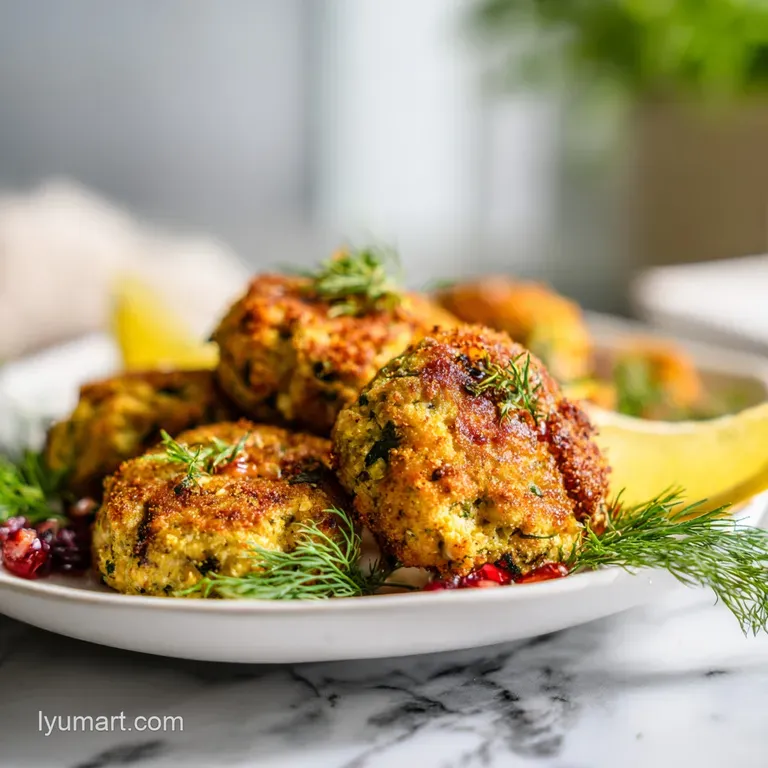
- Hydrate the panade. In your large mixing bowl, combine the 1/2 cup (45g) Panko, 1/3 cup (80ml) milk, 1/4 cup (60g) ricotta, and the 1/2 cup (60g) squeezed zucchini. Note: This creates the moisture foundation before the meat is added.
- Wait for absorption. Let this mixture sit for 5 minutes. Watch for the milk to disappear into the breadcrumbs until it looks like a thick, grainy paste.
- Create the flavor slurry. Add the beaten egg, 1/2 cup (50g) Parmesan, minced garlic paste, parsley, oregano, salt, and pepper to the panade. Whisk with a fork until it looks like a uniform, speckled batter.
- Incorporate the proteins. Add the 1 lb (450g) beef and 1/2 lb (225g) pork to the bowl.
- Fold gently. Use clean hands or a large fork to lift and fold the meat into the slurry. Stop the moment no large streaks of plain meat remain.
- Prep for roasting. Preheat your oven to 425°F (220°C) and line your baking sheet with parchment paper.
- Form the spheres. Scoop the mixture into 1.5 inch (4 cm) balls. Roll them between dampened palms until they are smooth and round.
- Arrange for airflow. Place them on the baking sheet, leaving at least 1 inch (2.5 cm) of space between each one.
- Flash roast. Bake for 15 minutes. Listen for a faint sizzle and look for a deep golden brown color on the surface.
- Check for doneness. Ensure the internal temperature has reached 165°F (74°C). Let them rest for 3 minutes until the juices settle back into the meat.
Preventing the "Meatloaf" Texture
The "meatloaf" texture happens when the meat is packed too tightly. Think of it like a snowball; the harder you press, the more it turns into ice. We want ours to be like a light, fluffy cloud. When rolling them, use the lightest touch possible.
If you find the meat is sticking to your hands, don't add flour - just dip your fingers in a little bit of cold water. This creates a barrier that lets the meat slide right into a perfect sphere.
Optimizing the Maillard Reaction
By roasting at a high temperature of 425°F (220°C), we're triggering a rapid browning on the exterior. This creates a complex, savory flavor that you just don't get from simmering in sauce alone. This is why I always bake them first.
Even if I'm planning to put them in a slow cooker later, that initial roast is what builds the "soul" of the flavor.
Fixing Common Problems In The Kitchen
Why Your Meatballs Fall Apart
If your meatballs are crumbling, it's usually a binder issue. Most often, people forget to let the panade sit, so the breadcrumbs stay dry and don't "grab" the meat. Another culprit is the zucchini - if you didn't squeeze it dry enough, the extra water will turn the meatball into mush.
Think of the panade like mortar in a brick wall; it needs to be the right consistency to hold everything together.
Why Your Meatballs Are Dry
Even with the zucchini, you can still dry these out if you overcook them. Remember that "carryover cooking" is real. When you take the meatballs out of the oven at 165°F (74°C), they will actually rise another few degrees while they rest.
If you wait until they look dark brown and "done" inside the oven, they'll likely be over done by the time they hit the plate.
| Problem | Root Cause | Solution |
|---|---|---|
| Rubbery Texture | Over mixing the meat | Fold the meat gently; stop as soon as it's combined. |
| Bland Flavor | Not enough salt/cheese | Season the panade slurry before adding meat and taste a tiny cooked bit. |
| Greasy Pan | High fat meat used | Stick to 90/10 beef and lean pork; don't use 80/20 for this recipe. |
Common Mistakes Checklist
- ✓ Don't skip the zucchini squeeze: Use a clean kitchen towel or paper towels to get as much water out as possible.
- ✓ Use cold meat: Keeping the fat cold until it hits the oven ensures it doesn't melt out prematurely.
- ✓ Preheat the oven fully: If the oven isn't at 425°F (220°C) when the meat goes in, you won't get that nice crust.
- ✓ Check your spices: If your dried oregano has been in the pantry for three years, it's basically just green dust. Rub it between your palms to wake up the oils.
- ✓ Space them out: Overcrowding the pan causes the meatballs to steam rather than roast. Use two pans if you have to.
Creative Ways To Change The Flavor
You can easily adapt this best meatball recipe to fit different cuisines. Since the base is so solid, it handles variations beautifully. For a Mediterranean vibe, swap the oregano for dried mint and add a little bit of lemon zest to the panade. You could even serve them with a dollop of tzatziki instead of marinara.
It's a humble way to keep the menu feeling fresh without learning a whole new technique.
If you're looking for a leaner option, turkey is a great choice. Just be aware that turkey is naturally much wetter than beef, so you might need to add an extra tablespoon of Panko to keep the shape. If you want something a bit more festive, you could even look at my Crispy Sausage Stuffing Balls for inspiration on how to use different binders and spices for holiday themed appetizers.
For a Zesty Turkey Variation
When using turkey, I like to double the garlic and add a pinch of red pepper flakes. Turkey can be a bit of a blank canvas, so it needs that extra punch. You should also be careful not to over roast them, as turkey goes from "juicy" to "sawdust" very quickly.
Aim for exactly 165°F (74°C) and not a degree more.
Adjusting The Batch Size
Scaling this recipe is fairly straightforward because the ratios are quite forgiving. If you're cooking for a crowd, you can easily double or triple the ingredients.
- To Half the Recipe: Use half the quantities listed. For the egg, beat one whole egg in a small cup, then use about 2 tablespoons of it. Use a smaller 8x8 baking pan to keep things contained.
- To Double the Recipe: Use 2 lbs beef and 1 lb pork. Increase the salt and spices to 1.5x rather than a full 2x to avoid over seasoning. You will definitely need two large baking sheets.
- To Triple the Recipe: This is great for parties. Again, scale spices to about 2.25x the original amount. Work in batches when mixing so you don't overwork the meat by trying to move a massive 4.5 lb pile of protein at once.
| Servings | Meat Total | Pan Size | Cook Time |
|---|---|---|---|
| 3 people | 0.75 lb (340g) | 8x8 inch | 12-14 mins |
| 6 people | 1.5 lbs (675g) | 13x18 inch | 15 mins |
| 12 people | 3 lbs (1350g) | Two 13x18 inch | 15-18 mins |
When doubling or tripling, make sure you aren't overcrowding the pans. If you put too many meatballs on one sheet, the temperature of the oven will drop, and they won't get that satisfying "flash roast" crust.
It’s better to bake them in two separate batches or on two different racks (rotating the pans halfway through).
Kitchen Legends And Myths
One of the biggest myths in the meatball world is that you have to fry them in oil to get good flavor. While frying does create a crust, it often leaves the meatballs greasy and unevenly cooked. Roasting at high heat gives you the same Maillard reaction (the browning) but with much more control and less mess.
Plus, you don't have to stand over a splattering pan for 20 minutes.
Another misconception is that the "best meatball recipe" must use a "three meat blend" (beef, pork, and veal). While veal adds tenderness, it’s often hard to find and expensive.
The combination of ricotta and zucchini in this recipe provides even more tenderness than veal ever could, and it does so with humble, everyday ingredients. You really don't need the veal to get that restaurant quality silkiness.
Finally, some people swear that you need to soak bread in milk (a traditional panade) and that crumbs don't work. While soaked stale bread is great, Panko crumbs actually provide more consistent results for home cooks because they have a standardized moisture absorption rate.
The "science" of the panade is about the starch liquid ratio, and Panko does that job perfectly.
Preserving And Warming Your Finished Meatballs
These meatballs are a meal prepper's dream. They hold up incredibly well to being chilled or frozen. If you have leftovers, let them cool completely before putting them in an airtight container. They'll stay fresh in the fridge for up to 4 days.
When you're ready to eat, don't just microwave them on high power, or they'll get rubbery. Instead, reheat them in a simmering sauce on the stove or in a 350°F (180°C) oven for about 10 minutes.
For freezing, I recommend "flash freezing" them first. Place the cooked and cooled meatballs on a clean baking sheet (not touching each other) and pop the whole tray in the freezer for about an hour. Once they're frozen solid, you can toss them all into a freezer bag.
This prevents them from sticking together into one giant meat brick. They'll stay good for up to 3 months. To reheat from frozen, just drop them directly into a simmering pot of marinara for about 20 minutes.
Zero Waste Tips
Don't throw away those zucchini ends! You can toss them into a freezer bag for your next batch of vegetable stock. Same goes for the parsley stems; they have tons of flavor and are great for flavoring soups or sauces.
If you have leftover meatballs that are starting to get a bit dry after a few days, crush them up and use them as a "meat sauce" topping for a pizza or inside a grilled cheese sandwich. It's a satisfying way to make sure nothing goes to waste.
Perfect Sides For A Complete Meal
While the classic choice is obviously spaghetti, there are so many other ways to serve these. If you want something a bit lighter, serve them over a bed of sautéed spinach with a squeeze of lemon. The richness of the ricotta in the meatball pairs perfectly with the slight bitterness of the greens.
If you're going for ultimate comfort food, try serving them alongside some creamy polenta or even mashed potatoes. The sauce from the meatballs will mingle with the potatoes for a truly satisfying bite. And of course, you can't go wrong with a classic meatball sub.
Get a good hoagie roll, toast it with some garlic butter, nestle these meatballs inside with plenty of sauce, and top with more Parmesan. It's a classic for a reason.
- Classic Spaghetti: Toss with a simple marinara and fresh basil.
- Low Carb Style: Serve over zoodles (zucchini noodles) or roasted spaghetti squash.
- Meatball Sliders: Use small brioche buns and a slice of provolone cheese.
- Grain Bowls: Serve over quinoa with roasted peppers and a tahini drizzle for a modern twist.
Whatever you choose, the key is to let the meatballs be the star. They have enough flavor and moisture to carry the meal on their own. Just remember to let them rest for those three minutes after they come out of the oven. It's the difference between a good meatball and the best meatball you've ever had.
Enjoy the process, and don't be afraid to get your hands a little messy!
Recipe FAQs
What is the secret to making good meatballs?
Handle the mixture gently and avoid over mixing. Overworking the ground beef and pork breaks down the protein structure, leading to a tough, dense result rather than a tender one.
How does Gordon Ramsay make meatballs?
Focus on creating a uniform panade with breadcrumbs and milk. By letting the Panko and milk sit for 5 minutes, you ensure the meat retains moisture during the 15-minute bake time at 425°F.
What is the secret ingredient to make meatballs moist?
Ricotta cheese and squeezed zucchini are the keys. These additions provide internal hydration without relying on excessive fat, ensuring the final product remains juicy once it reaches an internal temperature of 165°F.
Is it better to pan fry or oven bake meatballs?
Oven baking at 425°F is more efficient for consistent browning. This method uses high heat to create a golden crust quickly, allowing you to master the high heat roasting technique used in our Crispy Roasted Carrots and Green Beans.
Why is my zucchini making the meatballs fall apart?
Excess water in the zucchini is likely the culprit. You must squeeze the grated zucchini dry using a clean towel before mixing; otherwise, the extra liquid interferes with the structural integrity of the meat mixture.
How to ensure the meatballs don't dry out in the oven?
Check the internal temperature carefully and pull them at exactly 165°F. Over baking past this point will draw out the moisture regardless of your ingredients, turning your tender meatballs into dry, crumbly portions.
Is it true I should pack the meat tightly to keep them from breaking?
No, this is a common misconception. You should only gently roll the mixture between your palms; packing them too tightly creates a rubbery texture that prevents the flavors of the Parmesan, garlic paste, and herbs from distributing properly.
Best Italian Meatball Recipe
Ingredients:
Instructions:
Nutrition Facts:
| Calories | 285 kcal |
|---|---|
| Protein | 27.1 g |
| Fat | 15.7 g |
| Carbs | 7.2 g |
| Fiber | 0.6 g |
| Sugar | 1.1 g |
| Sodium | 588 mg |
