Amazing Cottage Cheese Flagel with Everything
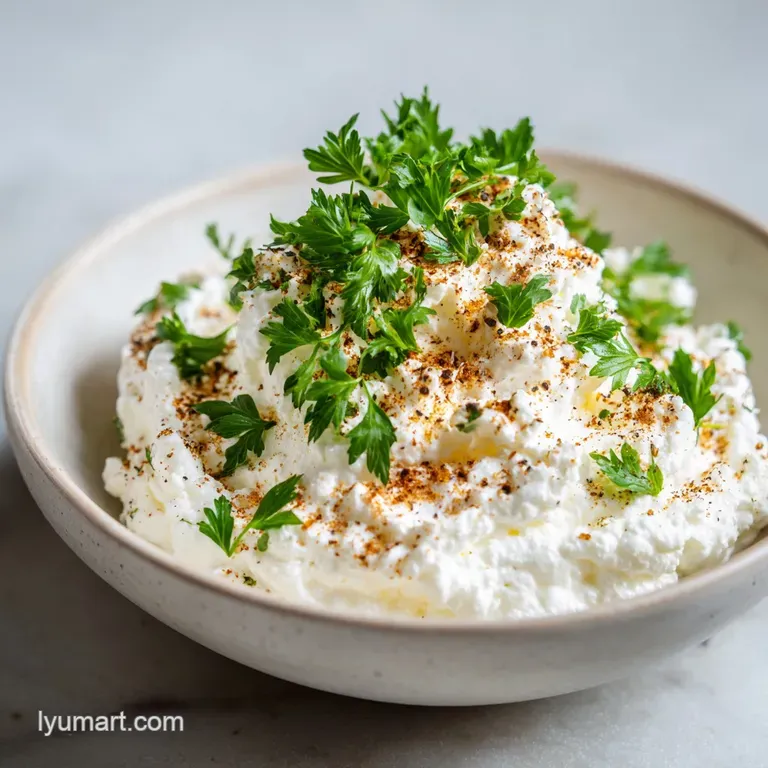
- Time: Active 10 minutes, Passive 22 minutes, Total 32 minutes
- Flavor/Texture Hook: Savory, garlic forward crunch with a velvety, chewy interior
- Perfect for: High protein breakfast meal prep or a quick snack
- Bake Amazing Cottage Cheese Flagel with Everything Seasoning
- Unique Benefits of This Dough
- Quick Recipe Technical Specs
- Essential Elements for Better Baking
- Recommended Tools for Daily Use
- Step by Step Method
- Fixing Common Dough Problems
- Scaling the Recipe
- Myths About Cottage Cheese Baking
- Storing and Reheating Guidelines
- Ideal Pairings for Every Meal
- Recipe FAQs
- 📝 Recipe Card
Bake Amazing Cottage Cheese Flagel with Everything Seasoning
Picture this: you've slept through your alarm, the fridge is looking suspiciously empty, but you are absolutely craving that salty, oniony crunch of a fresh bagel. Most people would give up or settle for a piece of dry toast, but that is where this dough changes everything.
I remember the first time I tried making these; I was skeptical that two main ingredients could actually produce something that didn't taste like a soggy sponge. I stood by the oven window, watching as the pale dough rounds slowly puffed up and the garlic in the seasoning started to toast, filling my kitchen with that unmistakable bakery aroma.
The result was a total surprise. When I took that first bite, the crust gave way with a satisfying crackle what I like to call the "shatter factor" while the inside remained tender and moist. It solved my problem of wanting a fancy breakfast without the three hour commitment of traditional yeast dough.
Since that morning, these have become a staple in my house because they are foolproof and actually keep me full until lunch.
We are going to walk through exactly how to handle this sticky dough without losing your mind. If you've ever struggled with dough sticking to every finger or bagels that come out flat as pancakes, don't worry. I have made all those mistakes so you don't have to.
We will focus on the specific textures you need to look for, from the shaggy initial mix to the golden brown finish that signals they are ready to hit your plate.
Unique Benefits of This Dough
Acid Leavening Synergy: The lactic acid in the cottage cheese reacts immediately with the baking powder in the self rising flour, creating instant lift.
Protein Grid Formation: Cottage cheese provides a structural protein boost that mimics the chewiness of gluten without requiring extensive kneading or resting.
Moisture Distribution: The fat and water trapped in the cheese curds release slowly during baking, which prevents the flagel from drying out in the over high heat environment.
The Physics of the Rise
The magic happens when the heat hits the moisture in the cottage cheese, causing it to evaporate and expand within the gluten pockets. This creates a "steam leavened" effect that results in a dense yet airy crumb that holds up perfectly to heavy cream cheese.
| Method | Time | Texture | Best For |
|---|---|---|---|
| Standard Oven | 22 minutes | Uniformly crisp crust, soft center | Traditional flagel experience |
| Stovetop Skillet | 12 minutes | Very flat, charred spots, extra chewy | Quick "flatbread" style snacks |
| Air Fryer | 15 minutes | Deeply browned, extra crunchy exterior | Maximum "shatter" on the crust |
Choosing the oven is usually your best bet for even cooking, especially since we want that everything seasoning to toast without burning. While the stovetop is fast, it tends to squash the air pockets we worked so hard to create. If you are looking for a more traditional breakfast experience, stick with the rack.
Quick Recipe Technical Specs
To get these right every single time, we need to talk about the physical state of your ingredients. Not all cottage cheese is created equal, and the moisture content can vary wildly between brands. If your cheese is particularly watery, your dough will turn into a puddle.
If it’s too dry, you’ll end up with a hockey puck. I always aim for a full fat version because the lipids interfere with gluten development just enough to keep things tender.
Component Deep Dive
| Ingredient | Science Role | Pro Secret |
|---|---|---|
| Self Rising Flour | Structural base & leavening | Sift it first to avoid clumps of baking powder in the dough. |
| Full Fat Cottage Cheese | Fat source & moisture binder | Use small curd for more even distribution throughout the dough. |
| Everything Seasoning | Flavor & textural contrast | Press the seeds firmly into the egg wash so they don't fall off. |
When you are mixing these, you aren't looking for a smooth, satiny dough like you would with a sourdough loaf. You want it to look a bit "shaggy" and slightly lumpy. Those lumps are the cheese curds, and they are going to melt into little pockets of gold while baking. It's a bit like the technique used in my Broccoli Casserole recipe, where keeping specific textures separate leads to a much better mouthfeel in the final dish.
Essential Elements for Better Baking
For this recipe, we are using the official measurements to ensure the ratio of moisture to starch is spot on. Trust me, even a few extra grams of flour can turn these from "amazing" to "average."
- 1 cup (225g) full fat cottage cheese: Why this? The fat provides a velvety interior that low-fat versions simply cannot replicate.
- 1 cup (125g) self rising flour: Why this? It contains the exact ratio of salt and leavening needed for the instant rise.
- 0.5 tsp garlic powder: Why this? This builds a base savory layer that complements the "everything" topping.
- 1 large egg: Why this? Used for the wash to create a glossy, mahogany crust that holds the seeds.
- 2 tbsp everything bagel seasoning: Why this? Provides the essential salt, crunch, and aromatic punch.
Substitution Table
| Original Ingredient | Substitute | Why It Works |
|---|---|---|
| Self Rising Flour | AP Flour + 1.5 tsp baking powder + 0.5 tsp salt | Recreates the leavening. Note: Crumb may be slightly less fine. |
| Full Fat Cottage Cheese | Plain Greek Yogurt (Full fat) | Similar acidity and protein. Note: Dough will be stickier and tangier. |
| Everything Seasoning | Toasted Sesame Seeds & Sea Salt | Provides the crunch. Note: Lacks the garlic/onion depth of the original. |
If you decide to go the yogurt route, just be prepared to add an extra tablespoon of flour. Yogurt is generally more "fluid" than cottage cheese curds, so the dough can be a bit more temperamental. It’s a great pivot if you’ve run out of cheese, but the cottage cheese version remains the king of texture.
Recommended Tools for Daily Use
One of the reasons I love this recipe is that it doesn't require a stand mixer or any heavy machinery. It's a "one bowl and a spoon" kind of morning. However, there are a couple of small things that make the process much less messy.
A silicone spatula is your best friend here. Because the dough is naturally tacky, metal spoons tend to get "gummed up," making it hard to fold the flour in properly. A flexible spatula allows you to scrape the sides of the bowl clean, ensuring every bit of that 125g of flour is incorporated.
You will also want a piece of parchment paper or a silicone baking mat. Do not try to bake these directly on a greased cookie sheet; the cheese curds can stick and tear the bottom of your flagel when you try to flip it.
I also recommend a small kitchen scale. While "1 cup" is a standard measure, flour is notoriously easy to pack down. If you pack your cup, you might accidentally end up with 150g instead of 125g, which makes the bread dry. Weighing out 125g takes five seconds and guarantees that velvety center we are after.
step-by-step Method
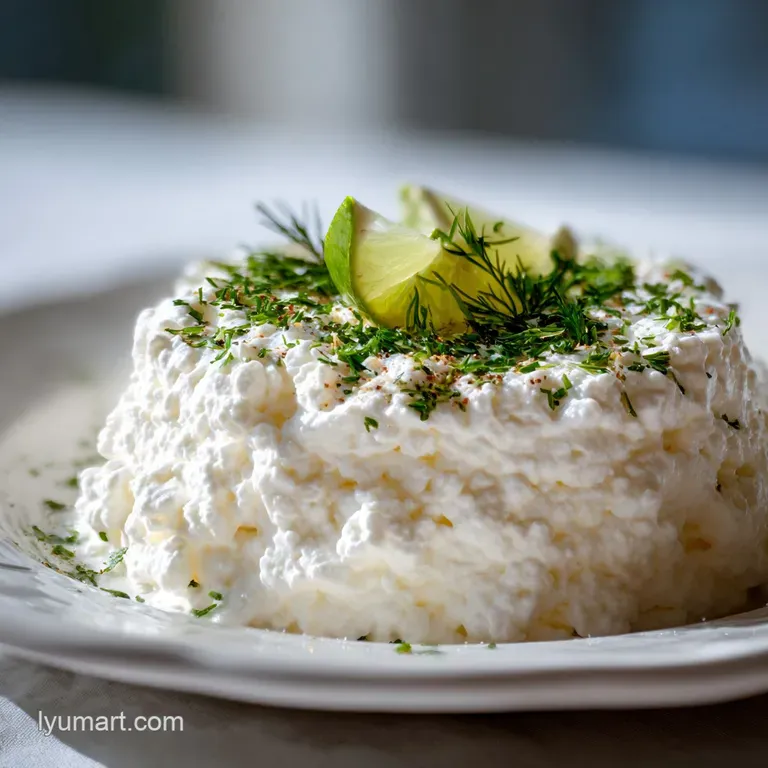
- Heat the oven. Set your temperature to 190°C (375°F) and line a baking sheet with parchment paper. Note: A hot oven is vital for the initial "pop" of the dough.
- Combine the wet and dry. In a medium bowl, stir together the 225g of cottage cheese and 0.5 tsp of garlic powder.
- Fold in the flour. Add the 125g of self rising flour to the cheese. Mix gently until a shaggy dough forms and no dry flour streaks remain.
- Divide the dough. Turn the dough onto a well floured surface. Divide into 4 equal portions (about 85-90g each).
- Shape the flagels. Roll each piece into a ball, then flatten it into a disc about 2cm thick. Poke a hole in the center and stretch it slightly. Note: Flagels are flatter than traditional bagels, so don't worry about height.
- Prepare the egg wash. Whisk the large egg in a small ramekin with a splash of water until completely smooth.
- Apply the coating. Brush the tops of the dough rounds generously with the egg wash. The dough should look wet and glossy.
- Season heavily. Sprinkle the 2 tbsp of everything seasoning over the 4 flagels, pressing down slightly with your fingers.
- Bake to perfection. Place in the oven for 22 minutes until the tops are deep golden and the bottom sounds hollow when tapped.
- Cool and set. Transfer to a wire rack for 5 minutes. Note: This allows the internal steam to redistribute, preventing a gummy center.
Fixing Common Dough Problems
Even with a simple recipe, things can go sideways. The most common complaint I hear is about the stickiness of the dough. It is a high hydration dough, which is exactly what makes it so tender, but it can be a nightmare for your hands.
Why Your Flagel Is Flat
If your flagels are spreading out like cookies rather than holding their shape, it usually comes down to the temperature of the cottage cheese or the vigor of the mixing. If you over mix, you break down the curds too much, releasing all their moisture at once. This turns the dough into a batter.
Keep your movements light and stop the moment the flour disappears.
| Problem | Root Cause | Solution |
|---|---|---|
| Dough is too sticky to shape | Too much moisture in cheese curds | Add flour 1 tbsp at a time or chill dough for 15 mins. |
| Seasoning burns before bread is done | Oven rack is too high | Move the tray to the middle or lower third of the oven. |
| Bottom is soggy | Steam trapped under the bread | Ensure you use parchment paper and move to a wire rack immediately. |
Common Mistakes Checklist
- ✓ Never use fat free cottage cheese; the lack of lipids results in a rubbery, tough texture.
- ✓ Don't skip the egg wash; without it, your everything seasoning will fall off the moment you take a bite.
- ✓ Avoid over working the dough on the counter; you want to keep as much air in the mix as possible.
- ✓ Check your self rising flour's expiration date; old leavening agents won't give you the necessary lift.
- ✓ Always use a floured surface for shaping; it creates a thin "skin" that makes the dough manageable.
Scaling the Recipe
If you are cooking for a crowd or just want to prep for the week, scaling this recipe is quite simple, though there are a few rules to follow.
To Double (8 servings): Use 450g of cottage cheese and 250g of flour. For the spices and egg wash, you don't actually need to double them perfectly. One large egg is usually enough for up to 8 flagels. For the seasoning, 3 tablespoons is often plenty.
When doubling, make sure not to overcrowd your baking sheet; leave at least 5cm between each flagel so the air can circulate and crisp up the sides.
To Halve (2 servings): Use 112g of cottage cheese and 62g of flour. For the egg, whisk it first, then use about half for the wash. You can save the other half of the egg for a quick scramble!
Because the volume is smaller, keep an eye on the oven around the 18 minute mark, as smaller batches can sometimes cook a few minutes faster.
Myths About Cottage Cheese Baking
You can't taste the cheese. This is the biggest misconception. People think the bread will taste like a tub of cottage cheese, but the heat transforms the curds. The cheese loses its "chunkiness" and becomes a structural element that provides a mild, sourdough like tang rather than a strong dairy flavor.
It needs a long rest time. Unlike traditional yeast breads, resting this dough for too long can actually hurt it. Since the leavening is chemical (baking powder), it starts working the second it hits the wet cheese.
If you let the dough sit on the counter for an hour, the "bubbles" will exhaust themselves, and your flagels won't rise in the oven. Mix and bake immediately for the best results.
Storing and Reheating Guidelines
Storage: These are best eaten fresh, but they keep well in an airtight container at room temperature for up to 2 days. If you want them to last longer, keep them in the fridge for up to 5 days.
Just be aware that the salt in the everything seasoning can draw moisture out of the air, making the topping slightly "weepy" over time.
Freezing: These freeze beautifully! Wrap each flagel individually in plastic wrap and store in a freezer bag for up to 2 months. To eat, let them thaw at room temperature for 30 minutes.
Zero Waste Tip: If you have leftover cottage cheese that’s nearing its date, you can blend it into a smooth sauce for a Broccoli Casserole recipe or use it as a protein packed base for pancakes. If you have extra everything seasoning at the bottom of the bag, toss it with some olive oil and roast a head of cauliflower it’s a total game changer for weeknight sides.
Ideal Pairings for Every Meal
While these are fantastic with just a smear of butter, they really shine when treated like a proper bagel. For a classic breakfast, try a thick layer of herb cream cheese and some smoked salmon. The acidity of the cottage cheese in the dough cuts through the richness of the fish perfectly.
If you are feeling like a more indulgent brunch, these flagels make a surprisingly good base for a savory version of a Homemade French Toast Recipe. Instead of the usual sweet custard, dip the sliced flagel in a savory egg mix with chives and fry it up. It’s a bit unconventional, but the texture holds up remarkably well to the soaking.
For a quick lunch, I love to toast these and top them with smashed avocado, a squeeze of lemon, and a few red pepper flakes. The extra crunch from the toasted garlic and onion in the everything seasoning means you don't even need to add extra salt. If you’re hosting a brunch, serving these alongside a Stuffed French Toast recipe gives your guests a perfect balance of sweet and savory options that all feel like they came from a high end cafe.

Recipe FAQs
Can you put everything bagel seasoning on cottage cheese?
Yes, it is highly recommended. Everything bagel seasoning provides a perfect counterpoint of salt, garlic, and onion crunch to the mild, creamy base of cottage cheese.
What's a good seasoning to add to cottage cheese?
Everything bagel seasoning is one of the best options available. For savory twists, try black pepper and chives, or a drizzle of hot sauce for a kick.
What is everything bagel seasoning best on?
It is incredibly versatile, perfect on eggs and avocado toast. It also shines when pressed onto doughs like this flagel, providing instant flavor and texture contrast.
Is everything bagel seasoning healthy to eat every day?
Generally yes, in moderation, but check the sodium content. Since it is mostly dehydrated seeds and spices, it adds flavor without many calories, but the salt content can add up quickly.
How do I prevent my cottage cheese flagel dough from sticking to my hands?
Lightly dust your hands and surface with self rising flour before handling. Since the dough is naturally high hydration, using a silicone spatula helps fold everything together before you resort to using your fingers.
Why are my flagels coming out flat instead of puffy?
Your chemical leavening agents are likely exhausted or the dough was over mixed. Because this dough relies on the instant reaction between cheese acid and baking powder, you must mix minimally and bake immediately to capture the rise.
Can I use this cottage cheese dough technique to make pizza bases?
Yes, you can adapt this concept for a quick pizza base, though the texture will be different. If you enjoyed the speed of this fast dough, you might also appreciate how we apply similar rapid technique principles in our Pizza Burger Burger recipe for quick meal assembly.
Cottage Cheese Flagel With Everything
Ingredients:
Instructions:
Nutrition Facts:
| Calories | 182 kcal |
|---|---|
| Protein | 10.3 g |
| Fat | 3.9 g |
| Carbs | 25.8 g |
| Fiber | 1.1 g |
| Sugar | 2.1 g |
| Sodium | 605 mg |
