Creamy Mushroom Asiago Chicken with Asiago
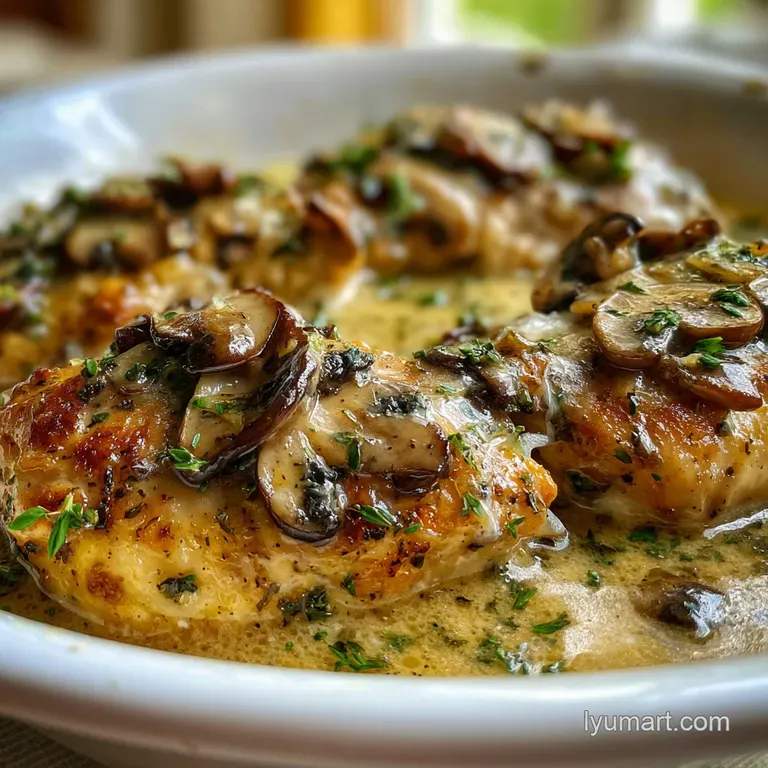
- Time: Active 10 minutes, Passive 20 minutes, Total 30 minutes
- Flavor/Texture Hook: Velvety sauce with earthy undertones and a sharp, nutty finish
- Perfect for: A fast weeknight meal that feels like a weekend treat
- Perfecting the Creamy Mushroom Asiago Chicken
- Why This Pan Sauce Works
- Understanding Your Essential Ingredients
- The Components You Need
- Tools for Professional Results
- Step-by-Step Cooking Process
- Solving Common Preparation Issues
- Tasty Customizations and Tweaks
- Pro Scaling Strategies
- The Truth About Searing Meat
- Smart Storage Guidelines
- Ideal Side Dish Pairings
- Recipe FAQs
- 📝 Recipe Card
Perfecting the Creamy Mushroom Asiago Chicken
The sound of a cold chicken thigh hitting a hot pan with a fierce sizzle is my favorite kind of kitchen music. I remember the first time I tried making a Creamy Mushroom Asiago Chicken for my family. I was in a rush, the kids were loud, and I threw the cold cream into a scorching pan.
The sauce broke instantly, leaving me with a greasy, separated mess that looked nothing like the glossy pictures in my head. It was a disaster, but it was also the best lesson I ever learned about temperature control and the magic of aged cheese.
Since that Tuesday night failure, I have tweaked every step of this recipe to make it foolproof. We are talking about thighs that have a golden, crispy skin and a sauce that is so thick and velvety it actually stays on the meat instead of pooling at the bottom of your plate.
You don't need fancy culinary school skills to get this right. You just need to know how the ingredients react to heat and why we don't rush the browning process for those mushrooms.
This Mushroom Asiago Chicken has become my go to when I want to impress someone but only have 30 minutes to pull it off. The combination of dry white wine and Dijon mustard cuts through the richness of the heavy cream, while the aged Asiago brings a sharp, complex saltiness that parmesan just can't replicate.
It's comfort food, sure, but it has a sophisticated edge that makes you feel like you've actually put in real effort. Trust me, once you see that sauce come together in the pan, you'll never go back to the jarred stuff.
Why This Pan Sauce Works
The Maillard Reaction: Searing the meat and mushrooms at high heat creates browned bits called fond, which dissolve into the wine to provide the primary flavor base.
Fat in-Water Emulsion: The proteins in the aged Asiago act as a bridge between the fats in the cream and the liquid in the wine, creating a smooth, cohesive texture.
Acid Balance: White wine and Dijon mustard provide necessary acidity that prevents the heavy cream from feeling heavy or cloying on the palate.
Starch Suspension: The natural moisture in the mushrooms, when cooked down, releases subtle starches that help slightly thicken the surrounding liquid without flour.
| Thickness | Internal Temp | Rest Time | Visual Cue |
|---|---|---|---|
| 1.5 cm | 74°C | 3 minutes | Juices run clear when pierced |
| 2 cm | 74°C | 5 minutes | Firm to the touch, no pink |
| 3 cm | 74°C | 5 minutes | Deep golden crust on both sides |
Choosing the right cut of meat is just as important as the sauce itself. While many people reach for breasts, I find that this recipe truly shines with chicken thighs. They are more forgiving under heat and carry enough fat to stand up to the boldness of the Asiago. If you are looking for a different texture profile, you might enjoy comparing this to my Baked Chicken Thighs recipe which focuses more on skin crispness than pan sauces.
Understanding Your Essential Ingredients
The chemistry of this dish relies on high-quality dairy and fresh aromatics. Using pre shredded cheese is a common mistake because it is often coated in potato starch or cellulose.
These additives prevent the cheese from clumping in the bag, but they also prevent it from melting smoothly into your sauce, often leading to a gritty or grainy mouthfeel. Always grate your cheese fresh from the block for that signature velvety finish.
| Component | Science Role | Pro Secret |
|---|---|---|
| Heavy Cream | Provides fat for a stable emulsion | Use room temperature cream to prevent the sauce from breaking |
| Aged Asiago | Adds umami and acts as a thickening agent | Grate it on a microplane for instant melting |
| Cremini Mushrooms | Contribute deep, earthy flavor through moisture loss | Don't crowd the pan or they will steam instead of brown |
| Dry White Wine | Deglazes the pan and balances fat | Use a Pinot Grigio or Sauvignon Blanc for the best acidity |
The interaction between the wine and the pan's surface is where the soul of the dish is born. When you pour that liquid into the hot skillet, it lifts all the caramelized proteins left behind by the chicken and mushrooms.
This is not just cleaning the pan it is capturing concentrated flavor that would otherwise be lost.
The Components You Need
- 1.5 lbs chicken thighs: Pounded to even thickness. Why this? Ensures the meat cooks at the same rate throughout.
- 10 oz cremini mushrooms: Sliced thick. Why this? They hold their shape better than white button mushrooms when sautéed.
- 3 cloves garlic: Minced. Why this? Provides the aromatic backbone for the entire sauce.
- 1 large shallot: Finely diced. Why this? Offers a sweeter, more delicate onion flavor than standard yellow onions.
- 1 tbsp fresh thyme leaves: Stripped from the stem. Why this? The woody citrus notes perfectly complement mushrooms and cream.
- 3/4 cup heavy cream: Full fat. Why this? Lower fat milks will curdle when mixed with wine and mustard.
- 1/2 cup aged Asiago cheese: Freshly grated. Why this? Aged versions have more salt and a deeper nutty flavor.
- 1/4 cup dry white wine: Like Sauvignon Blanc. Why this? The acidity is vital for balancing the heavy dairy components.
- 1 tsp Dijon mustard: Smooth variety. Why this? Acts as an emulsifier to keep the sauce from separating.
- 2 tbsp avocado oil: High smoke point. Why this? Allows for a hard sear without the oil burning or smoking.
- 0.5 tsp kosher salt: Plus more for seasoning. Why this? Enhances all other flavors without being overly "salty."
- 0.25 tsp cracked black pepper: Freshly ground. Why this? Provides a subtle heat that cuts through the cream.
| Original Ingredient | Substitute | Why It Works |
|---|---|---|
| Heavy Cream | Full fat Coconut Milk | Similar fat content. Note: Adds a slight tropical sweetness to the dish |
| White Wine | Chicken Stock + 1 tsp Lemon | Provides depth and acidity without the alcohol content |
| Cremini Mushrooms | Shiitake Mushrooms | Offers an even deeper umami flavor and a firmer texture |
| Aged Asiago | Sharp White Cheddar | Provides the same saltiness and melting profile, though less nutty |
If you find yourself out of white wine, don't worry. A splash of chicken stock with a squeeze of lemon juice mimics that brightness perfectly. The goal is to keep the flavors balanced so the cream doesn't become overwhelming. Much like the balance in my Honey Garlic Chicken recipe, it is all about that dance between sweet, salty, and acidic elements.
Tools for Professional Results
You do not need a kitchen full of gadgets, but a heavy bottomed skillet is non negotiable here. A cast iron pan or a tri ply stainless steel skillet (like an All Clad) distributes heat evenly, preventing the hot spots that cause garlic to burn.
Since we are searing the meat and then building a sauce in the same vessel, you want something that retains heat well.
A good whisk is also your best friend for the final phase. When you add the cream and cheese, a vigorous whisking motion helps the molecules bond together, ensuring that velvet texture.
Avoid using non stick pans if possible, as they don't allow for the same level of "fond" (the browned bits) to develop on the bottom, which is where half the flavor lives.
step-by-step Cooking Process
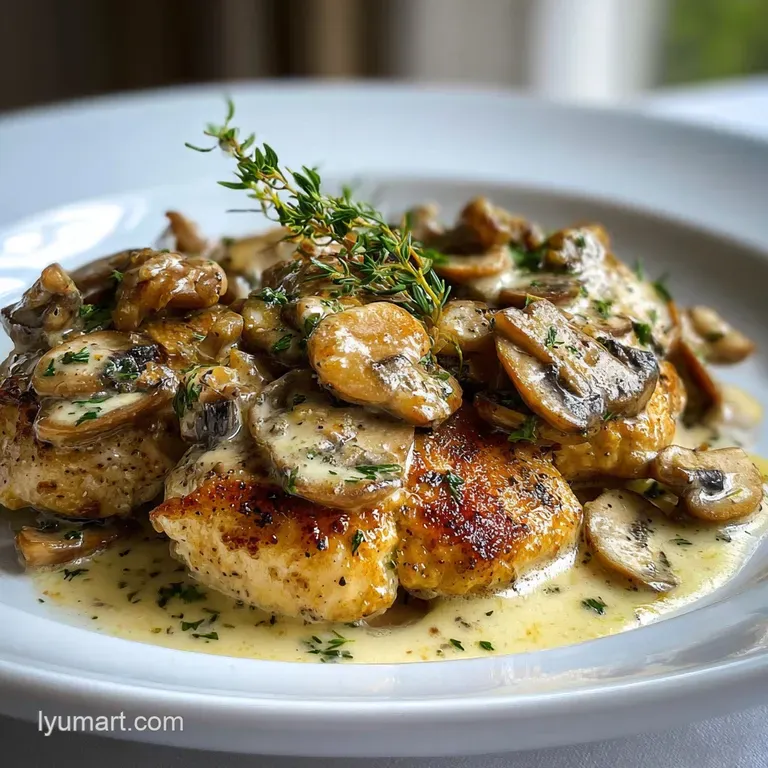
Phase 1: The Golden Sear
Start by drying your 1.5 lbs of chicken thighs with paper towels. Season them generously with kosher salt and black pepper. Heat 2 tbsp of avocado oil in your skillet over medium high heat until it shimmers. Place the chicken in the pan and leave it alone for 5 to 6 minutes.
You are looking for the skin to release naturally from the pan if it sticks, it isn't ready. Flip and cook for another 5 minutes until a deep golden crust forms. Remove the chicken and set it aside on a plate.
Phase 2: The Mushroom Reduction
In the same pan, add the 10 oz of sliced cremini mushrooms. Resist the urge to stir them immediately. Let them sit in the chicken fat for 2 minutes to brown, then toss them. Once they have shrunk and turned dark, add the diced shallot and 3 cloves of minced garlic.
Sauté for 1 minute until the aroma fills the kitchen.
Phase 3: The Velvet Finish
Pour in the 1/4 cup of dry white wine to deglaze the pan. Use a wooden spoon to scrape up all those flavorful browned bits. Let the wine reduce by half, which should take about 2 minutes. Stir in 1 tsp of Dijon mustard and 1 tbsp of fresh thyme. Reduce the heat to medium low.
Phase 4: Emulsifying the Sauce
Slowly pour in the 3/4 cup of heavy cream, stirring constantly. Once the liquid begins to simmer gently, whisk in the 1/2 cup of grated Asiago cheese in small handfuls. Continue stirring until the sauce thickens and coats the back of a spoon.
Add the chicken and any accumulated juices back into the pan. Simmer for 2 to 3 minutes to finish cooking the meat and let the flavors meld.
Chef's Tip: If the sauce looks too thick after adding the cheese, add a tablespoon of chicken broth or water to thin it out without losing the creamy texture.
Solving Common Preparation Issues
The sauce is grainy or clumpy
This usually happens for two reasons: the heat was too high when the cheese was added, or you used pre shredded cheese. When cheese hits boiling liquid, the proteins tighten up and squeeze out the fat, creating those little clumps. Always lower your heat to a bare simmer before the cheese goes in.
If it's already happened, try whisking in a splash of warm cream very quickly to see if you can smooth it out.
The chicken is dry despite the sauce
Even though thighs are hardy, they can still overcook. This often happens if the thighs are of varying thicknesses. Pounding them to a uniform 2 cm thickness before cooking is the best preventative measure.
If you find the meat is already dry, slice it thin before serving so the sauce can penetrate the fibers more effectively.
| Problem | Root Cause | Solution |
|---|---|---|
| Broken Sauce | Heat too high or cold cream added | Whisk in a teaspoon of warm water or stock to re emulsify |
| Rubber like Mushrooms | Mushrooms were steamed, not seared | Cook in a single layer and don't salt until they are browned |
| Bitter Aftertaste | Garlic was burned during sautéing | Add garlic only after the shallots have softened and cook briefly |
Common Mistakes Checklist
- ✓ Pat the chicken completely dry before searing to ensure a crust instead of steam.
- ✓ Grate the Asiago cheese yourself to avoid anti clumping starches.
- ✓ Use room temperature heavy cream to prevent the sauce from "shocking" and breaking.
- ✓ Don't skip the deglazing step; the wine is essential for lifting the flavor from the pan.
- ✓ Let the chicken rest for 3 minutes before serving to keep the juices inside the meat.
Tasty Customizations and Tweaks
The "Florentine" Twist
If you want to sneak some greens into this dish, stir in two handfuls of fresh baby spinach during the final 2 minutes of simmering. The heat from the cream will wilt the spinach perfectly without making it mushy.
This adds a pop of color and a slight iron rich earthy note that pairs beautifully with the mushrooms. You could even add a pinch of nutmeg to lean into those classic Florentine flavors.
For a Low Carb Powerhouse
This recipe is naturally keto friendly, but you can swap the white wine for a mixture of chicken broth and white wine vinegar if you are strictly monitoring sugar alcohols. To keep it filling, serve it over a bed of roasted cauliflower or zoodles.
The Asiago sauce is so rich that you won't even miss the traditional pasta or rice sides.
- If you want more heat: Add 0.5 tsp of red chili flakes when sautéing the garlic.
- If you want a crunch: Top the finished dish with toasted pine nuts or panko breadcrumbs.
- If you want it herb heavy: Replace thyme with fresh sage or rosemary for a more autumnal feel.
Pro Scaling Strategies
When you are cooking for a crowd, you cannot simply double everything and expect the same results in one pan. The biggest issue with scaling this recipe is "crowding." If you put 3 lbs of chicken in one skillet, they will boil in their own juices rather than sear.
Work in batches for the meat and mushrooms, then combine everything in a large pot or a deep braiser for the final sauce assembly.
For scaling down to a single serving, use a small 8 inch skillet. You will need to watch the sauce reduction very closely, as smaller volumes of liquid evaporate much faster. I usually suggest making the full amount of sauce even for two people, because the leftovers are incredible the next day.
| Servings | Chicken Weight | Cream Volume | Pan Size |
|---|---|---|---|
| 2 people | 0.75 lbs | 1/2 cup | 10 inch skillet |
| 4 people | 1.5 lbs | 3/4 cup | 12 inch skillet |
| 8 people | 3 lbs | 1.5 cups | Large braiser or two pans |
The Truth About Searing Meat
There is a long standing myth that searing meat "seals in the juices." In reality, moisture loss occurs regardless of how hard you sear the exterior. The actual purpose of searing is the Maillard reaction, which is a chemical reaction between amino acids and reducing sugars that gives browned food its distinctive flavor.
The crust doesn't stop juices from leaving; it just makes the chicken taste exponentially better.
Another common misconception is that you should wash your chicken before cooking it. Please, don't do this. Washing chicken under a tap doesn't kill bacteria; it actually spreads it across your sink and countertops via water droplets. The heat of the pan is what makes the food safe to eat.
Focus on drying the surface with paper towels instead, which is the real secret to a perfect sear.
Smart Storage Guidelines
Storage: Keep leftovers in an airtight container in the fridge for up to 3 days. The sauce will thicken significantly as it cools, turning into a sort of savory jelly. This is normal! When reheating, add a splash of milk or water to the pan to bring the sauce back to its original consistency.
Reheat gently over medium low heat to prevent the cheese from becoming oily.
Freezing: I don't generally recommend freezing cream based sauces, as the texture can become grainy and separated upon thawing. However, if you must, freeze the cooked chicken and mushrooms in the sauce for up to 2 months.
Thaw overnight in the fridge and whisk vigorously while reheating to try and restore the emulsion.
Zero Waste: If you have leftover sauce but no chicken, it makes an incredible base for a quick pasta dish or a topping for baked potatoes. Mushroom stems and shallot skins can be saved in a bag in the freezer to make a rich homemade vegetable stock later.
Even the rinds of the Asiago cheese can be tossed into soups or stews for an extra hit of salt and umami.
Ideal Side Dish Pairings
Because this dish is quite rich, it benefits from sides that can either soak up the sauce or provide a sharp contrast. A simple bed of buttery noodles or garlic mashed potatoes is the classic choice. The sauce acts as a ready-made gravy that elevates even the simplest starch.
For a lighter option, a crisp green salad with a lemon vinaigrette helps cut through the heavy cream and cheese.
If you are looking for other chicken ideas that fit into a busy schedule, you might want to try this Mini Chicken Pot recipe. It shares that same comforting, creamy profile but in a portable, crust topped format. Alternatively, if you want something with a bit more structure, the Irresistible Garlic Parmesan recipe for meatloaf uses similar flavor profiles of garlic and cheese but in a completely different texture. Both are excellent for meal prepping throughout the week.
Recipe FAQs
Can I substitute Parmesan for the Asiago cheese?
No, you should use Asiago if possible. Parmesan is harder and saltier, whereas Asiago melts better and provides the necessary emulsifying fats for the sauce to become truly velvety.
How to prevent the cream sauce from breaking or separating?
Reduce the heat to low before adding the cheese. Once the liquid is simmering gently, whisk in the cheese slowly; high heat causes the fats and proteins in the dairy to separate, resulting in an oily texture.
Is it safe to skip resting the chicken before slicing?
No, skipping the rest will result in dry chicken. Allow the chicken to rest covered for at least 3 minutes after cooking; this allows the muscle fibers to relax and reabsorb the juices, making the meat tender.
How to manage searing if I am cooking for 8 people?
Cook the chicken and mushrooms in separate batches using high heat. Overcrowding the pan steams the ingredients instead of browning them, preventing the crucial flavorful fond from developing on the pan bottom.
What is the best technique to use when deglazing the pan?
Pour the white wine into the hot pan and immediately use a wooden spoon to scrape. This lifts the browned flavor particles (fond) left by the chicken and mushrooms, which form the flavor foundation for the entire sauce.
Can I use chicken breasts instead of thighs for this recipe?
Yes, but you must pound them uniformly first. Chicken breasts are leaner and dry out faster, so ensure they are pounded to an even thickness similar to how we manage thickness in our Chicken Burger Recipe—to guarantee even cooking alongside the sauce.
How to incorporate vegetables like spinach without wilting them too much?
Stir in baby spinach during the final 2 minutes of simmering. The residual heat from the finished cream sauce is sufficient to wilt the spinach perfectly, maintaining its bright color and slight texture.
Creamy Mushroom Asiago Chicken
Ingredients:
Instructions:
Nutrition Facts:
| Calories | 506 kcal |
|---|---|
| Protein | 39.8 g |
| Fat | 34.2 g |
| Carbs | 7.4 g |
| Fiber | 1.1 g |
| Sugar | 3.2 g |
| Sodium | 485 mg |
