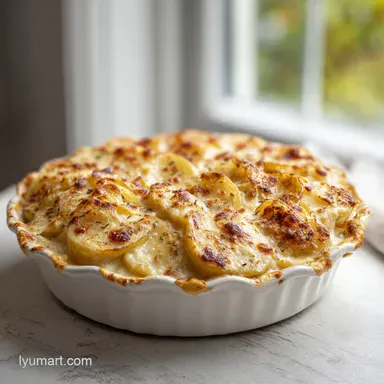
Potatoes Au Gratin: Failure-Proof and Silky
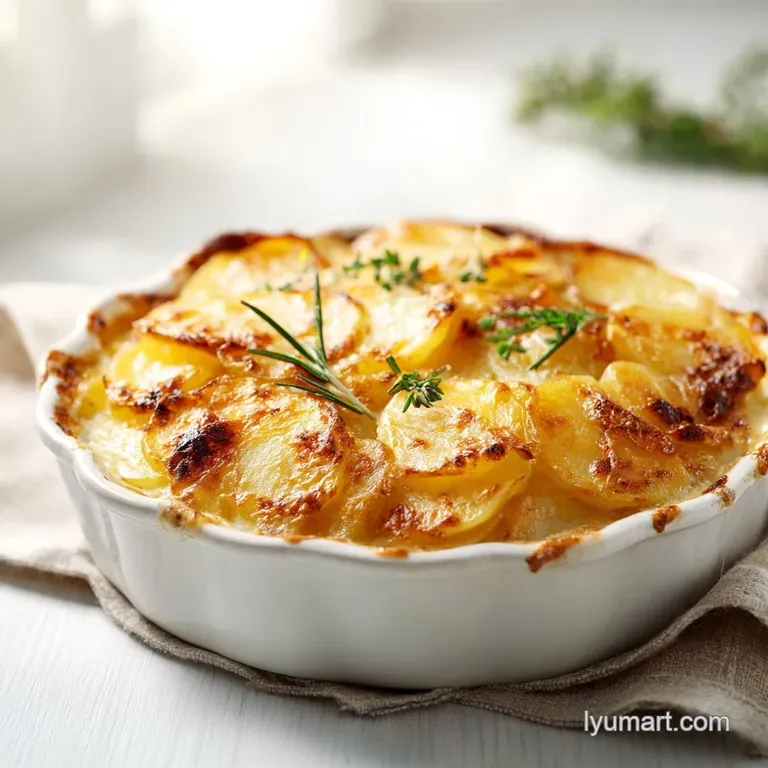
- Time: 20 min active + 90 min bake = Total 1 hours 50 mins
- Flavor/Texture Hook: Shatter crisp cheese crust with a silky, buttery interior
- Perfect for: Sunday family dinners or holiday feasts
- The Secret to Creamy Potatoes Au Gratin
- Why the Sauce Stays Silky
- The Necessary Ingredients
- Essential Kitchen Gear
- Step-by-Step Cooking Guide
- Solving Common Gratin Issues
- Troubleshooting Common Issues
- Fun Flavor Twists
- Adjusting the Portion Size
- Common Kitchen Myths
- Storage and Waste Tips
- Plating Your Masterpiece
- Recipe FAQs
- 📝 Recipe Card
That smell of bubbling Gruyère and toasted garlic hitting the air is just... everything. I remember the first time I tried making this for a dinner party. I followed some random online guide, and I ended up with "potato soup with chunks" - it was a soggy, pale mess that looked like it had given up on life.
I was honestly mortified.
The problem was that I just dumped everything in a pan and hoped for the best. But we've all been there, right? The trick is all in the sauce and the slice. When you get the thickness of the potato just right and pre blend your cream and cheese, the texture changes from "mushy" to "velvety".
This recipe for Potatoes Au Gratin is my targeted fix for those common fails. We're talking about a dish that actually holds its shape but melts in your mouth. No more rubbery edges or raw centers, just a classic, satisfying bake that'll have everyone asking for the recipe.
The Secret to Creamy Potatoes Au Gratin
Why does this version actually work? I used to think it was just about the amount of cheese, but it's actually about how the ingredients interact under heat.
The Potato Starch Magic: Using Yukon Golds means you get a naturally buttery flavor and a starch content that thickens the sauce without making it gluey.
The Heat Shield: Covering the dish with foil for the first hour traps the steam, which cooks the potato slices through before the top burns.
The Sauce Bond: Simmering the cream and cheese together first creates a stable base that won't separate or "oil off" in the oven.
The Nutmeg Kick: A tiny pinch of nutmeg doesn't make it taste like a pumpkin spice latte, it actually cuts through the heavy fat of the cream to make the flavor pop.
| Method | Prep Time | Texture | Best For |
|---|---|---|---|
| Quick (Pre boiled) | 15 mins | Softer, less structure | Weeknight meals |
| Classic (Raw Layered) | 20 mins | Velvety, distinct layers | Special occasions |
I've found that if you're in a rush, pre boiling the slices for 5 mins helps, but you lose that beautiful, distinct layering. For the real deal, stick to the raw layering method.
Why the Sauce Stays Silky
The way the ingredients play together is what separates a basic potato bake from a true gratin. If you've ever noticed a weird layer of oil on top of your casserole, it's usually because the cheese was added too late or the heat was too high.
Component Analysis
| Ingredient | Science Role | Pro Secret |
|---|---|---|
| Yukon Gold | Structure/Thickener | Slice exactly 1/8 inch for even cooking |
| Heavy Cream | Fat Stabilizer | Don't swap for milk or the sauce will break |
| Gruyère | Flavor/Meltability | Grate it yourself; pre shredded has starch coatings |
| Nutmeg | Flavor Balance | Use a microplane for a tiny, precise amount |
It's a bit like making a béchamel-style sauce, but we're letting the potato starch do the heavy lifting instead of a flour roux. This keeps the taste cleaner and more focused on the butter and cream.
The Necessary Ingredients
Get these ready on your counter. Trust me, once you start layering, you don't want to be hunting for the thyme.
- 3 lbs Yukon Gold potatoes, peeled and thinly sliced Why this? Naturally creamy and holds shape well
- 1 tbsp unsalted butter, melted
- 2 cups heavy cream Why this? High fat prevents the sauce from splitting
- 3 cloves garlic, minced
- 1 tsp kosher salt
- ½ tsp black pepper
- ¼ tsp ground nutmeg
- 2 cups sharp cheddar cheese, shredded Why this? Adds a bold, salty punch
- 1 cup Gruyère cheese, shredded Why this? The gold standard for melting
- ½ cup Parmesan cheese, freshly grated Why this? Creates that shatter crisp top
- 1 tbsp fresh thyme leaves
- 1 tbsp melted butter (for the final dotting)
| Original Ingredient | Substitute | Why It Works |
|---|---|---|
| Gruyère (1 cup) | Swiss Cheese (1 cup) | Similar melting point. Note: Slightly milder, less nutty flavor |
| Heavy Cream (2 cups) | Half and Half (2 cups) | Still creamy. Note: Sauce will be thinner and less rich |
| Yukon Gold (3 lbs) | Russet Potatoes (3 lbs) | Very starchy. Note: More likely to crumble; texture is fluffier |
If you're trying to keep things a bit lighter, you can use a bit of Greek yogurt in the sauce, but honestly, don't even bother with low-fat cheese here. It won't melt the same and you'll miss that velvety pull.
Essential Kitchen Gear
You don't need a professional kitchen for this, but a few specific tools make it way easier. I mostly use a simple mandoline for the potatoes, but a sharp chef's knife works if you have a steady hand.
- 9x13 inch ceramic baking dish (Ceramic holds heat more evenly than glass)
- Medium saucepan (For the cheese sauce)
- Whisk (Essential for a smooth sauce)
- Vegetable peeler
- Aluminum foil
Chef's Note: If you don't have a mandoline, just aim for the thickness of a coin. If some are thicker than others, it's fine, but try to keep them consistent so they all finish cooking at the same time.
Step-by-step Cooking Guide
Right then, let's crack on with the actual assembly.
- Slice the potatoes into consistent 1/8 inch (3mm) rounds. Grease a 9x13 inch ceramic baking dish thoroughly with melted butter. Note: This prevents the edges from sticking and adds flavor
- In a saucepan over medium heat, combine heavy cream, minced garlic, salt, pepper, and nutmeg. Bring to a gentle simmer.
- Whisk in the shredded cheddar and Gruyère cheese until the mixture is smooth and the cheese is fully melted.
- Arrange a single layer of potato slices at the bottom of the dish, overlapping slightly. Pour a portion of the cheese sauce over the layer.
- Repeat the layering process of potatoes and sauce until all ingredients are used, finishing with a layer of sauce on top.
- Cover the dish tightly with aluminum foil and bake at 375°F (190°C) for 60 minutes.
- Remove the foil and bake for another 20-30 minutes until the sauce bubbles vigorously around the edges.
- Sprinkle Parmesan cheese and fresh thyme over the top, dot with melted butter, and broil for 2-4 minutes until a golden brown crust forms.
Solving Common Gratin Issues
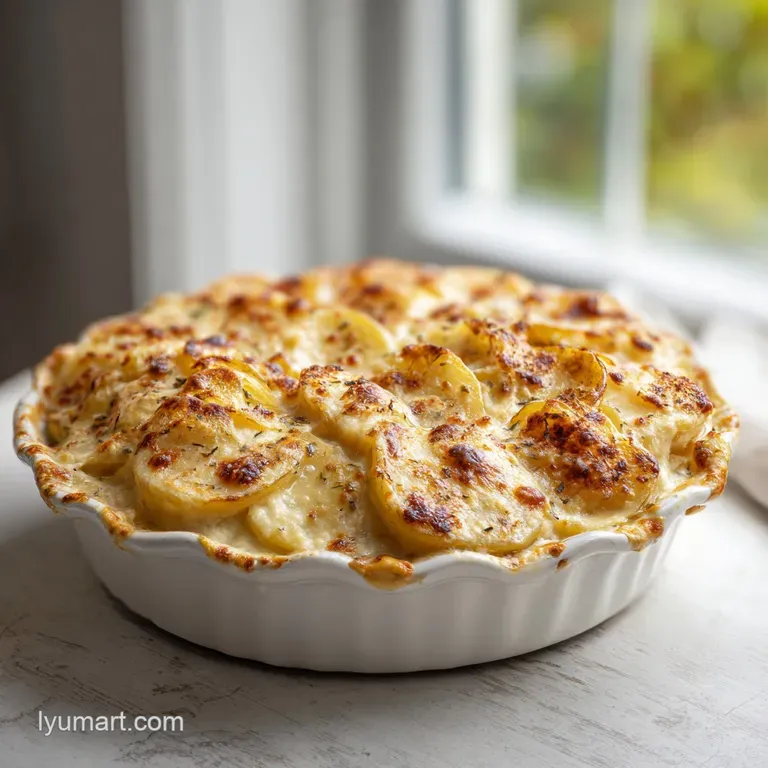
The most frustrating thing is pulling a dish out and finding a raw potato in the middle. Usually, this happens because the slices were too thick or the oven temperature was off. If you're wondering about different potato styles, EPICURIOUS has some great breakdowns on the difference between Scalloped potatoes and gratins.
Troubleshooting Common Issues
| Issue | Solution |
|---|---|
| Why Your Sauce Is Grainy | If your sauce looks like it has little clumps of cheese, you probably overheated the cream. Cheese proteins clump when they hit a rolling boil. Keep it at a gentle simmer. |
| Why Your Bottom Is Soggy | This usually happens if you don't overlap the potatoes enough or if you use too much liquid. Ensure the slices are snug, which helps them support the weight of the sauce. |
| Why the Top Burnt Too Fast | If the top is dark but the potatoes are hard, your oven might run hot. Lower the temp by 25°F next time or keep the foil on for an extra 10 minutes. |
Common Mistakes Checklist
- ✓ Slicing potatoes too thick (leads to raw centers)
- ✓ Boiling the cream too hard (breaks the sauce)
- ✓ Forgetting the foil (burns the top before inside is cooked)
- ✓ Using pre shredded cheese (prevents a smooth melt)
- ✓ Not greasing the pan (sticks to the sides)
Fun Flavor Twists
Once you've got the basic Potatoes Au Gratin down, you can really play around with the additions. I love adding a handful of chopped leeks to the cream sauce for a more earthy, oniony vibe.
If you want something with a bit more kick, try adding a teaspoon of smoked paprika or a pinch of cayenne pepper to the sauce. It gives it a subtle warmth that pairs brilliantly with the Gruyère. For those who love greens, this pairs perfectly with my Broccoli Casserole recipe.
You can also swap the thyme for fresh rosemary or sage. Just be careful with rosemary, as it can be a bit overpowering if you use too much. If you're feeling fancy, a drizzle of truffle oil right before serving takes it to another level.
Adjusting the Portion Size
Scaling this recipe is pretty straightforward, but the baking time is where people usually trip up.
Scaling Down (Half Batch) Use an 8x8 inch pan. You can keep the ingredients exactly the same (just halved), but reduce the covered baking time by about 15-20 minutes. Since the mass is smaller, the heat penetrates the center faster.
Scaling Up (Double Batch) If you're cooking for a crowd, use two 9x13 pans rather than one giant deep dish. If you pile the potatoes too high, the middle will stay raw while the outside overcooks.
Keep the temperature at 375°F, but check for doneness at the 80 minute mark for the covered portion.
Pro Tip for Large Batches When doubling, don't double the salt and nutmeg exactly. Go for about 1.5x the seasonings first, then taste the sauce. Over seasoning is much harder to fix than under seasoning.
Common Kitchen Myths
There are a lot of "rules" about potatoes that are actually just myths. Let's clear a few up.
Myth: You must soak the potato slices in water first. Some people say this removes excess starch to prevent gumminess. For this recipe, we actually want some of that starch to help thicken the cheese sauce into that velvety consistency.
Myth: Only expensive French potatoes work. While some high end varieties are great, the humble Yukon Gold is the gold standard for a reason. It has the perfect balance of waxiness and starchiness for a home cook.
Myth: Searing the potatoes first adds flavor. Some recipes suggest pan frying the slices first. While it adds a nuttiness, it adds a ton of extra work and fat. The oven baked crust from the Parmesan and butter is more than enough.
Storage and Waste Tips
If you have leftovers, you're in luck because this actually tastes great the next day.
Storage Guidelines Store leftovers in an airtight container in the fridge for up to 4 days. To reheat, avoid the microwave if you can, as it can make the potatoes rubbery.
Instead, put a portion in a small oven safe dish, add a splash of milk or cream, cover with foil, and bake at 325°F for 15-20 minutes.
Freezing I don't recommend freezing Potatoes Au Gratin. The dairy in the sauce tends to separate during the freezing and thawing process, leaving you with a grainy texture.
Zero Waste Tips Don't throw away your potato peels! Toss them in a bit of oil and salt and roast them at 400°F for 10 minutes for a quick, crispy snack. Also, if you have leftover cheese sauce, it makes a killer base for a mac and cheese or a topping for a steak. If you're unsure about potato prep in general, check out my guide on How Long to Bake a Potato for other helpful tips.
Plating Your Masterpiece
To get that "wow" factor when you bring the dish to the table, let it rest for 10-15 minutes after taking it out of the oven. This allows the sauce to set slightly, so you get clean squares instead of a puddle of cheese.
Use a wide spatula to lift the portions. If you've done it right, you'll see those distinct, silky layers of potato held together by a thick, creamy sauce. Garnish with a few extra sprigs of fresh thyme or a sprinkle of chopped chives for a pop of color.
Serve it in the baking dish for a rustic, family style feel, or plate it individually for something more formal. It's a satisfying, classic side that brings a bit of comfort to any meal. Now, go get that crust golden brown and enjoy!
Recipe FAQs
What is a potato au gratin?
A baked potato dish layered with a creamy cheese sauce. It is typically characterized by thinly sliced potatoes and a golden-brown crust created by broiling the top.
What's the difference between scalloped potatoes and potato au gratin?
The addition of cheese. While scalloped potatoes use a basic cream sauce, au gratin features shredded cheeses like cheddar and Gruyère melted directly into the sauce and on top.
Should I boil potatoes before gratin?
No, there is no need to pre-boil. Slicing the Yukon Gold potatoes to a consistent 1/8-inch ensures they cook through perfectly during the 60-minute covered bake at 375°F.
What's the secret to perfect au gratin?
Consistent slicing and temperature control. Uniform rounds prevent uneven cooking, while keeping the cream at a gentle simmer prevents the cheese from breaking. If you enjoyed mastering the texture of a cheese-based sauce here, see how we apply similar richness in our savory scones.
Why is my cheese sauce grainy?
You likely overheated the cream. Cheese proteins clump when they hit a rolling boil, so keep the saucepan on medium heat to maintain a gentle simmer while whisking.
How to reheat leftovers without them becoming rubbery?
Bake in a small oven-safe dish at 325°F. Add a splash of cream and cover with foil for 15-20 minutes to restore the creamy consistency.
Is it true that this dish can be frozen for long-term storage?
No, this is a common misconception. The dairy in the sauce tends to separate during the freezing and thawing process, which ruins the texture.
Potatoes Au Gratin for 8 Servings