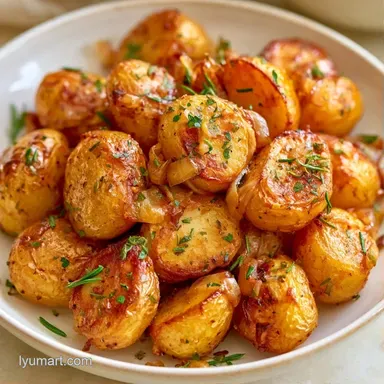
Simple Garlic Foil Packet Potatoes
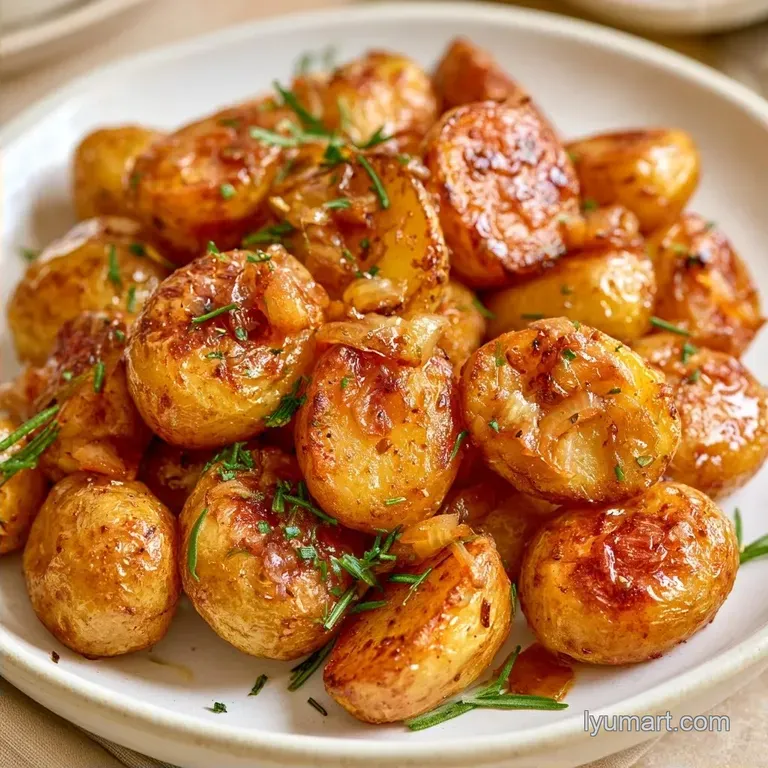
- Time: 15 min active + 30 min roasting
- Flavor/Texture Hook: Garlic infused with a velvety interior and browned edges
- Perfect for: Easy weeknight sides or camping style dinners
Simple Garlic Foil Packet Potatoes
The smell of roasting garlic and charred rosemary always takes me back to those old family cookouts. We used to wrap everything in foil and toss it onto the grill, waiting for that specific moment when the packets puffed up and smelled like a professional kitchen.
It was humble food, but it felt like a treat because you got your own individual bundle to open.
I've spent years tweaking the timing on this, and the trick is all in the seal. If you wrap them too loosely, the steam escapes and you just get dry potatoes. If you wrap them too tight, they boil instead of roast.
Making Foil Packet Potatoes a tradition in my house means less time scrubbing baking sheets and more time actually eating. You get that comforting, buttery taste but a lighter touch of olive oil and smoked paprika.
What Makes This Method Work
- Steam Trapping: The foil seals in moisture, creating an environment that breaks down potato starches quickly for a tender interior.
- Oil Searing: After the internal temperature reaches its peak, the potato juices and olive oil fry the edges to produce those browned bits.
Let's see how this differs from traditional roasting. While a sheet pan provides more overall crispiness, the packet approach protects the herbs and garlic from burning against the hot metal.
| Method | Texture | Cleanup | Total Time |
|---|---|---|---|
| Classic Tray Roast | Very Crispy / Dry | Scrubbing Pan | 45-60 mins |
| Foil Packet | Tender / Juicy | Toss Foil | 45 mins |
Quick Recipe Details
This approach focuses on using basic tools to get a high-quality result. You don't need any fancy gadgets, just a bowl and some heavy duty foil. Trust me on the foil choice, as thin foil can rip when you're folding, which lets all that precious steam leak out.
Since these cook in individual portions, it's a great way to handle different preferences. If someone in your family hates rosemary, you can just leave it out of one packet without affecting the rest of the batch.
Why These Ingredients Work
Each part of this recipe serves a specific purpose to ensure the potatoes don't just turn into mush.
| Component | Purpose | Substitute Notes |
|---|---|---|
| Baby Gold Potatoes | Holds shape well | Red potatoes work; slightly waxier |
| Smoked Paprika | Adds depth and color | Sweet paprika; less smoky |
| Olive Oil | Conducts heat/browns | Melted butter; richer but heavier |
| Fresh Rosemary | Earthy aroma | Dried thyme; use half the amount |
The Shopping List
Gather these ingredients. Baby gold potatoes are my top choice because their naturally buttery flavor blends wonderfully with garlic.
- 1.5 lbs baby gold or red potatoes, halved or quartered Why this? Smaller cuts ensure they cook through evenly in 30 mins
- 4 cloves garlic, minced Why this? Fresh cloves give a bolder, sharper taste
- ½ small yellow onion, thinly sliced Why this? Provides a sweet, caramelized base
- 1 tbsp fresh rosemary, finely chopped Why this? A perfect partner for roasted root veg
- 2 tbsp extra virgin olive oil Why this? Ideal for high temperature roasting
- ½ tsp sea salt Why this? Heightens all the natural tastes
- ¼ tsp cracked black pepper Why this? Contributes a touch of warmth
- ½ tsp smoked paprika Why this? Adds a mahogany tint and a fire roasted essence
You can adjust the ingredients depending on your pantry staples.
| Original Ingredient | Substitute | Why It Works |
|---|---|---|
| Olive Oil (2 tbsp) | Melted Butter (2 tbsp) | Similar fat content. Note: Creates a creamier, richer flavor |
| Fresh Rosemary (1 tbsp) | Dried Thyme (1 tsp) | Similar earthy profile. Note: Less intense than fresh |
| Yellow Onion (½) | Shallots (2-3) | Similar allium family. Note: More subtle and refined |
Tools You'll Need
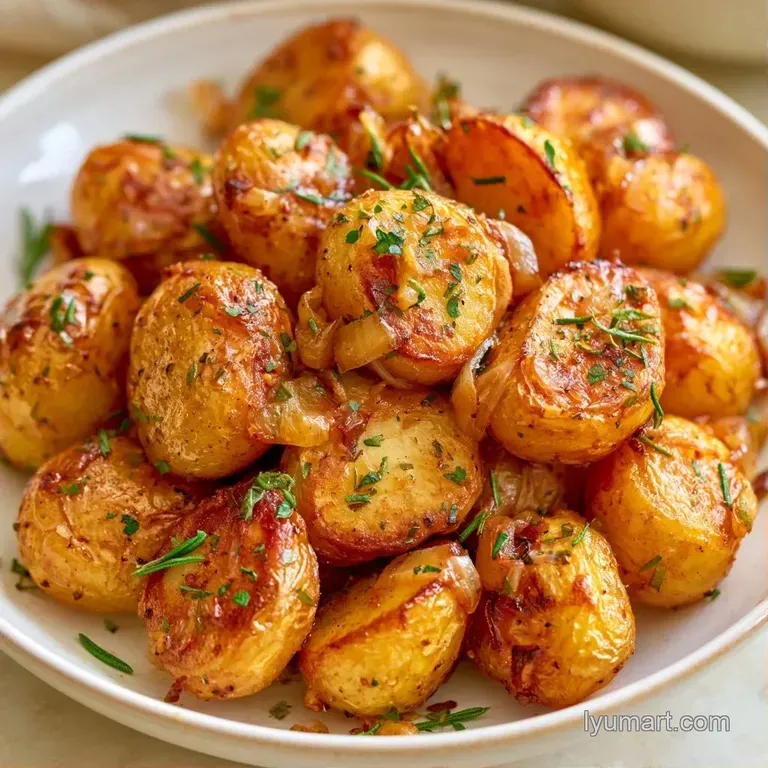
Keep it simple. You only need a few basic items to get this on the table.
- Large mixing bowl (to toss everything together)
- Heavy duty aluminum foil (12x12 inch squares)
- Large baking sheet (to hold the packets)
- Knife and cutting board
Avoid using the very thin "budget" foil if you can. The heavier gauge handles the 400°F heat better and creates a more secure seal, which is vital for the steaming process.
From Prep to Plate
Phase 1: The Infusion Prep
Heat your oven to 400°F (200°C). In a large bowl, combine the halved potatoes, sliced onions, and minced garlic. Drizzle with olive oil and stir in the salt, pepper, smoked paprika, and rosemary.
Toss thoroughly until the vegetables are shimmering and completely coated in the red-tinted oil, ensuring your Foil Packet Potatoes are seasoned perfectly throughout.
Phase 2: The Secure Seal
Cut four 12x12 inch squares of heavy duty foil and divide the potato mixture evenly among them. Fold the long sides together tightly twice, then fold in the ends to create a closed pouch. Leave a small pocket of air inside each portion of Foil Packet Potatoes to ensure the heat circulates effectively.
Phase 3: The Roast & Reveal
Arrange the packets on a baking sheet and roast for 30 minutes until the packets puff up and smell fragrant. Carefully peel back the foil watch out for the hot steam and let the Foil Packet Potatoes rest for 2 minutes.
This short waiting period allows the moisture to transform into a glossy glaze.
Fixing Common Issues
Achieving the perfect consistency with Foil Packet Potatoes can be tricky. Most issues usually stem from how the potatoes are sliced or how the foil is wrapped.
Fixing Mushy Texture
If your potatoes seem more steamed than roasted, your packet was probably sealed too tight. Creating a little head space inside the foil helps the heat brown the edges instead of just boiling the contents.
Solving Foil Leaks
Escaping oil makes for a dirty pan and lackluster potatoes. To keep the flavor locked in, double fold every seam.
Fixing Pale Potatoes
Lacking color usually means the oven wasn't hot enough or the pieces were too chunky. Opt for baby potatoes and make sure your oven reaches 400°F.
| Problem | Root Cause | Solution |
|---|---|---|
| Mushy inside | Excessive moisture/tight seal | Create an air pocket in the foil |
| Burnt garlic | Garlic is too small or exposed | Coat garlic well in oil |
| Underdone centers | Pieces are too big | Slice into quarters or halves |
Best Ways to Serve
I love serving these exactly as they come out of the foil. It makes the meal feel a bit more rustic, and it keeps the potatoes hot for longer. If you're hosting, you can just hand the packets directly to your guests.
These pair beautifully with a protein that also loves the oven. For example, you could make some foil packet salmon at the same time to keep the cleanup minimal. If you're going for a bigger feast, these are a great side for shrimp boil packets on a summer evening.
To add a bit of freshness, sprinkle some chopped parsley or a squeeze of lemon over the top just before eating. The acidity cuts through the richness of the olive oil and garlic.
Storage and Zero Waste
Store any remaining Foil Packet Potatoes in a closed container in the refrigerator for up to 3 days. For reheating, I recommend using an air fryer or toaster oven at 350°F for about 5-8 minutes to restore the crispiness of the edges.
If you peeled your potatoes, don't toss the skins. Instead, toss them with a bit of salt and oil and roast them on a separate tray for 10 minutes to make crunchy potato chips.
Freezing is not advised for this recipe, as the potato's texture changes during the process and becomes grainy once thawed.
Twists and Flavor Swaps
You can easily change the vibe of your Foil Packet Potatoes by swapping the herbs. For a more Mediterranean feel, use dried oregano and add a few kalamata olives into the mix before sealing the packet.
If you want something different, you can try adding sliced carrots or zucchini. Just keep in mind that zucchini releases a lot of water, so you might need to extend the cook time by 5 minutes to evaporate the extra moisture.
Here are a few quick ways to change the result: Extra spice? → add 1/2 tsp cayenne pepper More tang? → squeeze half a lemon over the finished dish Extra cheesy? → sprinkle 2 tbsp parmesan before sealing
For those who prefer a different cooking vessel, you might like the results of a foil wrapped baked potato for a more classic experience.
Scaling the Batch
If you're cooking for just one person, you can halve the recipe. Use smaller foil squares and reduce the roasting time to about 25 minutes.
When doubling or tripling the recipe for a crowd, don't crowd the packets too closely on the baking sheet. If they are touching, the air can't circulate, and the sides of the packets won't brown. Work in batches if you need to.
For larger batches, keep the salt and paprika at 1.5x the original ratio rather than 2x to avoid over seasoning.
Recipe FAQs
How to cook foil packet potatoes in the oven?
Preheat your oven to 400°F and toss halved potatoes with oil and seasonings. Seal them in foil pouches and roast for 30 minutes on a baking sheet.
How long do you bake these at 400 degrees?
Bake them for 30 minutes. This duration allows the potatoes to soften and the flavors to meld inside the pouch.
What temperature is best for roasting foil packets?
Set your oven to 400°F (200°C). This temperature ensures the vegetables cook through without burning the exterior of the foil.
Is it true that potatoes cook faster when wrapped in foil?
Actually, no. Foil traps steam to tenderize the potato rather than speeding up the heat penetration. Similar moisture control is used to create silky crumbs in baking.
Can aluminum foil be used in the microwave for this recipe?
This one's false: you should never put foil in the microwave. The metal can cause sparking and permanently damage your appliance.
Which potato varieties work best for this method?
Stick with baby gold or red potatoes. Their waxy texture prevents them from turning mushy during the steaming process.
Garlic Foil Packet Potatoes