Tender & Seared
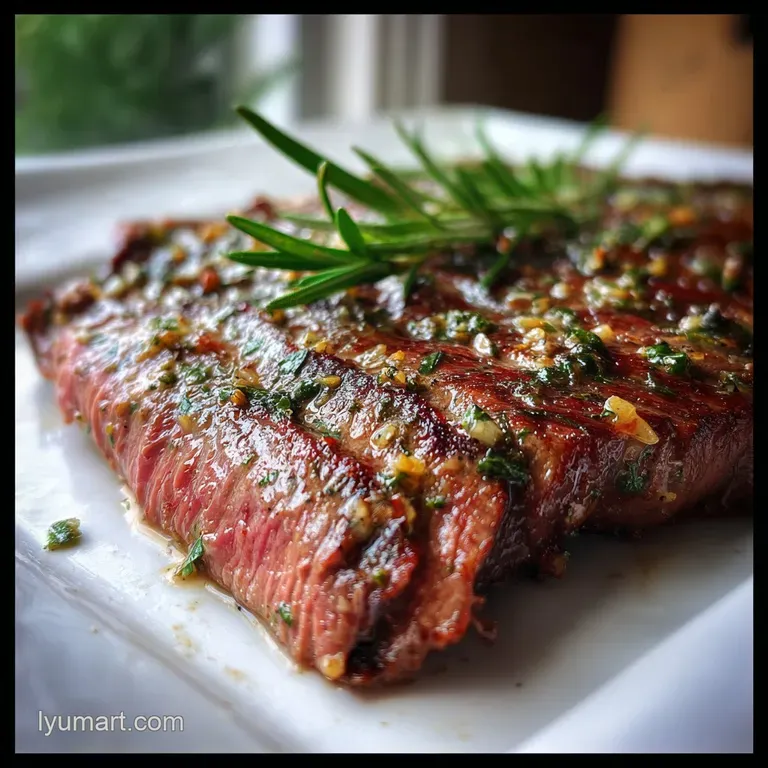
- Time: Active 15 minutes, Passive 10 minutes, Total 25 minutes
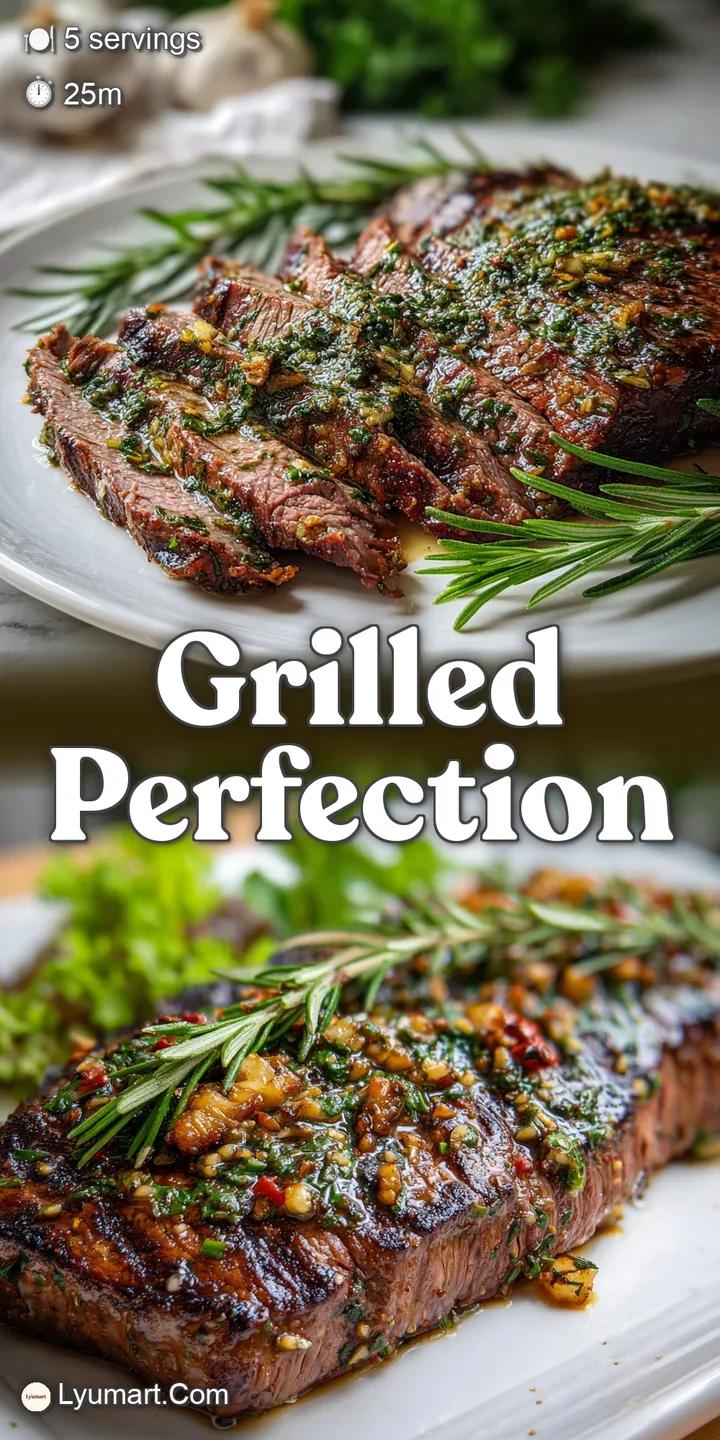
- Flavor/Texture Hook: Savory herb crusted exterior with a velvety, tender center
- Perfect for: Fast weeknight dinners or high protein meal prep
- Master This Flank Steak Recipe with Garlic and Herbs
- Official Recipe Stats and Yields
- Selecting High Quality Fresh Ingredients
- Essential Skillets and Sharp Knives
- Cooking Steps for Deep Crust
- Solving Toughness and Heat Issues
- Customizing Your Garlic Herb Blend
- Best Storage and Reheating Methods
- Side Dishes for Hearty Dinners
- Expert Cooking Tips and Answers
- Recipe FAQs
- 📝 Recipe Card
Can you hear that? The high pitched hiss of meat hitting a smoking hot Lodge Cast Iron Skillet is probably my favorite sound in the kitchen. There is something so satisfying about watching a plain 1.75 lbs Flank Steak transform into a mahogany masterpiece in under ten minutes.
This post features a delicious flank steak recipe with garlic and herbs.
Honestly, I used to be terrified of flank steak. It is a lean, mean muscle that can turn into a literal shoe sole if you look at it wrong. I remember one specific Tuesday where I overcooked it so badly we ended up ordering pizza because we couldn't chew through the "steak." I learned the hard way that you cannot treat this like a ribeye.
But once you understand how to navigate those long, stringy muscle fibers, it becomes a total staple. We are talking about a cut that is relatively affordable, cooks in the blink of an eye, and feeds a family of five easily. It’s about the strategy of the sear and the patience of the rest.
Trust me on this, once you nail the herb crust, you won't go back to basic salt and pepper.
Master This Flank Steak Recipe with Garlic and Herbs
The secret to success with this Flank Steak Recipe with Garlic and Herbs isn't just the heat, it is the chemistry happening before the steak even touches the pan. When we combine the balsamic vinegar with the Dijon mustard, we aren't just adding flavor.
We are creating an enzymatic environment that begins to soften the exterior of the meat.
Maillard Reaction: High heat triggers a chemical bond between amino acids and reducing sugars, creating that signature brown crust and savory scent.
Acidic Denaturation: The balsamic vinegar breaks down tight protein strands on the surface, allowing the garlic and herbs to penetrate deeper into the grain.
Emulsification Stability: Using Dijon mustard helps the oil and vinegar stay bonded, ensuring the 1.75 lbs Flank Steak is coated evenly rather than the marinade just sliding off.
Capillary Action: Resting the meat after cooking allows the internal juices, which were pushed to the center by heat, to redistribute back toward the edges.
The Role of High Heat
When you use a heavy skillet, the thermal mass prevents the temperature from dropping when the cold meat hits the surface. This is vital because if the pan cools down, the steak will steam in its own juices instead of searing.
You want a "shatter" level of crust on the outside, which only happens when the surface moisture evaporates instantly.
Why The Grain Direction Matters
Flank steak has very distinct, long muscle fibers that run the length of the cut. If you slice with those fibers, you’re asking your teeth to do the work of a commercial meat grinder. By slicing against the grain, you shorten those fibers to about a quarter inch, making every bite feel tender and buttery.
The Power of Fresh Aromatics
Using four cloves of Garlic, minced into a paste, provides more surface area than sliced garlic. This means more flavor contact with the beef. When those tiny garlic particles hit the hot oil, they toast rapidly, creating a nutty profile that complements the earthy Rosemary and Thyme perfectly.
Official Recipe Stats and Yields
| Component | Metric | Notes |
|---|---|---|
| Total Weight | 1.75 lbs | Standard flank steak size |
| Servings | 5 people | Based on 5-6 oz portions |
| Active Prep | 15 minutes | Mostly mincing and whisking |
| Cook Time | 10 minutes | Depends on desired doneness |
| Resting Time | 10 minutes | Essential for juice retention |
Chef's Tip: To get a more intense crust, pat the marinated steak completely dry with paper towels before searing. Any moisture on the surface will create steam, which is the enemy of a good sear. Don't worry, the flavor has already penetrated!
Selecting high-quality Fresh Ingredients
The beauty of this recipe with garlic and herbs lies in the simplicity of the components. Because we aren't using a dozen ingredients, the quality of each one matters immensely.
- 1.75 lbs Flank Steak: Look for a piece with consistent thickness so it cooks evenly. Why this? It offers a rich beefy flavor and excellent surface area for searing.
- 1 tsp Diamond Crystal Kosher Salt: This has larger grains that are easier to pinch and distribute. Why this? It draws out surface moisture to aid in the Maillard reaction.
- 4 cloves Garlic: Must be fresh, not the stuff from a jar. Why this? Fresh garlic has sulfur compounds that mellow into sweetness when toasted.
- 0.25 cup Pompeian Extra Virgin Olive Oil: Use a high-quality oil with a decent smoke point. Why this? It carries the fat soluble flavors of the herbs into the meat.
- 2 tbsp Balsamic Vinegar: Adds a touch of sugar and acidity. Why this? The sugars help the steak caramelize into a dark, rich color.
- 1 tbsp Fresh Rosemary: Finely chopped to avoid "pine needle" texture. Why this? It provides a sturdy, woodsy aroma that stands up to beef.
- 1 tsp Maille Dijon Mustard: Acts as a binder for the marinade. Why this? It creates a thick paste that clings to the steak's surface.
| Original Ingredient | Substitute | Why It Works |
|---|---|---|
| Flank Steak | Skirt Steak | Similar grain structure but thinner; cooks faster and has more fat. |
| Balsamic Vinegar | Red Wine Vinegar | High acidity but lacks the sweetness; add a pinch of sugar to compensate. |
| Fresh Rosemary | Dried Rosemary | Use only 1 tsp. Note: Texture is crunchier and flavor is more concentrated. |
| Dijon Mustard | Ground Mustard Powder | Provides the tang but lacks the emulsifying creamy texture of prepared mustard. |
Essential Skillets and Sharp Knives
You don't need a kitchen full of gadgets for this Flank Steak Recipe with Garlic and Herbs, but you do need the right heavy duty tools. If you use a thin non stick pan, you'll likely end up with a grey, sad looking piece of meat.
I always reach for my Lodge Cast Iron Skillet for this. It holds heat like a champion. If you're using a stainless steel pan, make sure it has a thick, heavy bottom. You'll also need a very sharp Chef's knife.
Since we are slicing against the grain, a dull blade will just tear the meat and ruin that beautiful presentation.
A pair of long stainless steel tongs is also non negotiable. You need to be able to flip the 1.75 lbs Flank Steak without getting too close to the splattering oil. Finally, an instant read thermometer is your best friend here.
It takes the guesswork out of the equation so you never have to cut into the meat to check for doneness.
Cooking Steps for Deep Crust

Phase 1: Flavor Immersion
Whisk the 0.25 cup Extra Virgin Olive Oil, 2 tbsp Balsamic Vinegar, 1 tsp Dijon Mustard, and minced Garlic in a small bowl. Stir in the finely chopped Rosemary and Thyme leaves until you have a thick, fragrant paste. Place the steak in a glass dish and pour the marinade over it, turning to coat every inch.
Note: Let this sit for at least 30 minutes at room temperature to take the chill off the meat.
Phase 2: Tempering the Meat
Remove the steak from the marinade and let the excess drip off. Sprinkle both sides evenly with 1 tsp Coarse Kosher Salt and 0.5 tsp Cracked Black Peppercorns. Note: Salting right before cooking prevents the salt from drawing out too much internal moisture too early.
Phase 3: The High Sizzle
Heat your cast iron skillet over high heat until a drop of water flicked onto the surface dances and evaporates instantly. Add a tablespoon of over high heat oil if the pan looks dry. Lay the steak into the pan, laying it away from you to avoid splashes.
Cook 4 minutes until a dark, mahogany crust forms.
Phase 4: Reaching Internal Temp
Flip the steak using your tongs. Cook another 3 to 4 minutes until the internal temperature reaches 130°F for medium rare. Note: The temperature will continue to rise during the rest, so pull it slightly early.
Phase 5: Resting the Fibers
Transfer the steak to a wooden cutting board, not a plate. Let it sit undisturbed for 10 minutes. Wait until the juices have settled and the exterior looks slightly matte. This ensures the moisture stays in the meat when you cut it.
Phase 6: Precision Carving
Identify the direction of the long muscle fibers. Position your knife perpendicular to those lines. Slice into thin 1/4 inch strips at a slight diagonal. This creates more surface area for the herb juices to coat each piece.
Solving Toughness and Heat Issues
Even with a simple Flank Steak Recipe with Garlic and Herbs, things can go sideways. The most common issue is the steak becoming "rubbery." This usually happens because the heat wasn't high enough, or the slicing was done incorrectly. If you notice your steak is grey instead of brown, your pan wasn't hot enough.
Why Your Steak Stays Tough
If you followed the timing but the meat is hard to chew, you likely sliced with the grain. I've done this when I'm in a rush, and it's a tragedy every time. Another culprit is overcooking. Flank steak is at its best between medium rare and medium. Once it hits well done, the fibers tighten significantly.
This recipe with garlic and herbs is much more forgiving if you keep it on the rarer side.
| Problem | Cause | Fix | Pro Tip |
|---|---|---|---|
| Grey Surface | Pan not hot enough | Use cast iron; wait for wisps of smoke | Pat the meat bone dry before searing |
| Bitter Garlic | Garlic burnt in pan | Garlic was in huge chunks | Mince into a fine paste so it melts in |
| Blood on Board | Didn't rest long enough | Wait full 10 mins before slicing | Tent loosely with foil to keep warm |
Precision Checkpoints
- Temp Check: Pull the meat at exactly 130°F for a 135°F finish.
- Rest Time: 10 minutes minimum. Don't touch it!
- Slice Width: Keep slices under 1/4 inch for maximum tenderness.
Customizing Your Garlic Herb Blend
While this version is my go to, you can easily pivot based on what's in your pantry. If you want a more "steakhouse" vibe, you can swap the balsamic for a splash of Worcestershire sauce. It adds a fermented, salty depth that works beautifully with the herbs.
Spicy Garlic Version
Add 1 tsp of crushed red pepper flakes to the marinade. The heat from the flakes blooms in the hot oil during the sear, infusing the crust with a slow burn that balances the richness of the beef.
Keto and Whole30 Adjustments
To keep this strictly Keto or Whole30, ensure your Dijon mustard has no added sugars and swap the balsamic vinegar for apple cider vinegar. It will be slightly tangier, but it still delivers that punchy flavor profile we want. If you're looking for a side that fits this lifestyle, this steak pairs exceptionally well with my Crispy & Velvety recipe for garlic mashed potatoes, though you might want to try cauliflower mash for keto!
Stovetop vs Oven Method
| Method | Texture Result | Best For |
|---|---|---|
| Pure Stovetop | Heaviest, crunchiest crust | Achieving a true "char" |
| Sear & Oven Finish | More even edge to edge pink | Thicker cuts (over 2 lbs) |
Best Storage and Reheating Methods
Steak is notoriously tricky to reheat without turning it into leather. If you have leftovers from this Flank Steak Recipe with Garlic and Herbs, the best way to handle them is to avoid the microwave at all costs.
- Fridge: Store in an airtight container for up to 4 days. The garlic flavor actually intensifies overnight.
- Freezer: Wrap the cooked, sliced steak tightly in plastic wrap, then place in a freezer bag. It stays good for 2 months.
- Zero Waste: Save any leftover herb marinade or pan drippings! Toss them with some leftover pasta or use them to sauté mushrooms the next day.
- Reheating: The "Low and Slow" method is best. Place slices in a pan with a splash of beef broth over low heat just until warmed through. This prevents the proteins from tightening up again.
Side Dishes for Hearty Dinners
This steak is a superstar, but it needs a supporting cast. I love serving this with something that can soak up the herb infused juices. A classic Garlic Mashed Potatoes Recipe is the ultimate partner here. The creamy texture of the potatoes provides a beautiful contrast to the charred crust of the steak.
If you're in the mood for something lighter, a simple arugula salad with shaved parmesan and lemon juice cuts through the richness of the 1.75 lbs Flank Steak. For those nights when you want a full "meat and starch" experience, a bowl of Creamy Garlic Pasta Recipe is an absolute dream. The garlic in the pasta echoes the garlic in the steak, creating a cohesive, high flavor meal that feels much fancier than a 25 minute recipe should.
Expert Cooking Tips and Answers
Searing meat seals in juices
This is one of those things people say all the time, but it's not actually true. Moisture loss happens regardless of the sear. We sear the meat specifically for the Maillard reaction, which creates those complex, savory flavor compounds. The crust tastes good, but it isn't a waterproof barrier.
Marinating overnight makes it tender
While it adds flavor, leaving a steak in an acidic marinade for 24 hours can actually turn the surface mushy. The acid breaks down the proteins too much, giving the meat a mealy texture. Stick to the 2 to 8 hour window for the best results with this Flank Steak Recipe with Garlic and Herbs.
Only flip the steak once
You can actually flip the steak as often as you want! In fact, flipping every minute can help the steak cook more evenly and faster. However, if you want that deep, thick crust, letting it sit undisturbed for 4 minutes on the first side is the easiest way to ensure the surface gets hot enough to brown properly.
Use a fork for flipping
Never use a fork to flip your steak. Poking holes in the meat creates escape routes for the juices you're trying to keep inside. Stick to your stainless steel tongs to keep the integrity of the 1.75 lbs Flank Steak intact throughout the process.
Cutting the steak immediately
I know it smells incredible, but if you cut that steak the second it leaves the pan, you will see a pool of juice flood the cutting board. That juice belongs inside the meat. During the 10 minute rest, the muscle fibers relax and reabsorb that moisture, ensuring every bite is succulent rather than dry.
Recipe FAQs
Can I substitute flank steak with a tougher cut, like chuck roast?
No, this recipe requires a quick sear. Flank steak benefits from the high heat, fast cook method to remain tender; chuck requires long, slow braising to break down connective tissue.
Is it necessary to rest the steak for the full 10 minutes?
Yes, this resting period is critical for texture. Resting allows the pressurized juices, driven to the center during searing, time to redistribute throughout the meat fibers.
What temperature should the skillet be before the steak hits the pan?
It needs to be ripping hot, near smoking point. You are aiming for immediate surface dehydration to achieve the Maillard reaction crust instantly, not steaming the meat.
Can I use dried herbs instead of fresh rosemary and thyme?
Yes, but adjust the quantity significantly. Use about one-third the amount of dried herbs compared to fresh, as dried herbs concentrate flavor and can become bitter if overused.
What is the best way to ensure I slice the steak correctly against the grain?
Identify the long, visible muscle lines and cut perpendicular to them. If you master slicing against the grain here, that same precision logic applies when preparing proteins for dishes like our Carne Asada Marinade for Tacos: Zesty Blend.
My marinade includes vinegar; can I make this steak ahead of time?
Marinate for a maximum of 8 hours for best results. Too long in the acidic marinade will begin to denature the surface proteins, leading to a soft, mushy exterior when cooked.
Can I use this garlic and herb technique for a different holiday meat?
You can adapt the herb paste, but adjust the cooking temperature drastically. This high heat searing is perfect for thin cuts; for a massive bird, look at the lower, slower heat principles in our Christmas Dinner Idea with Roasted Turkey.
Garlic Herb Flank Steak Recipe
Ingredients:
Instructions:
Nutrition Facts:
| Calories | 392 kcal |
|---|---|
| Protein | 33.5 g |
| Fat | 26.8 g |
| Carbs | 2.4 g |
| Fiber | 0.2 g |
| Sugar | 1.1 g |
| Sodium | 485 mg |
