Garlic Parmesan Roasted Shrimp
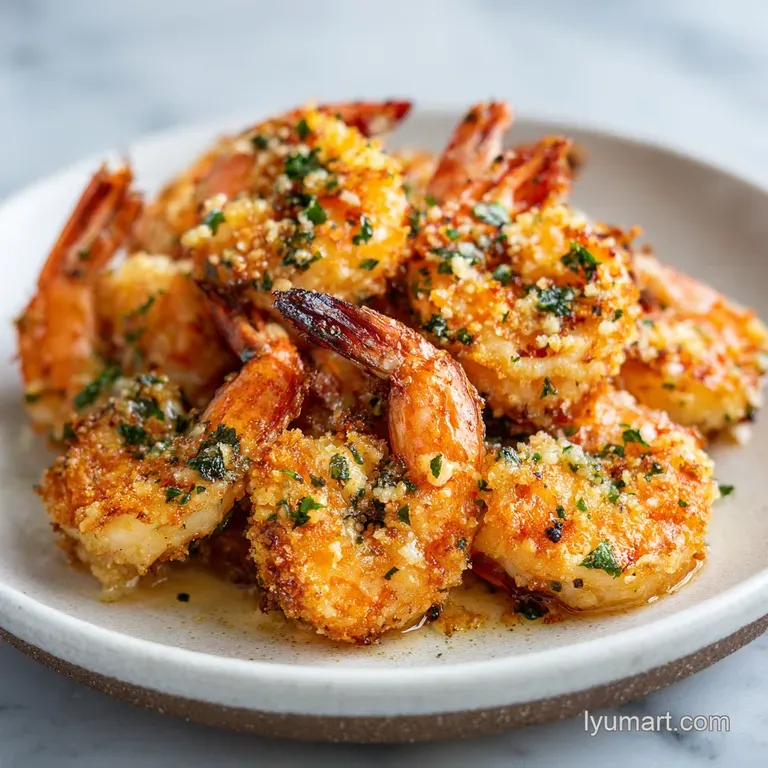
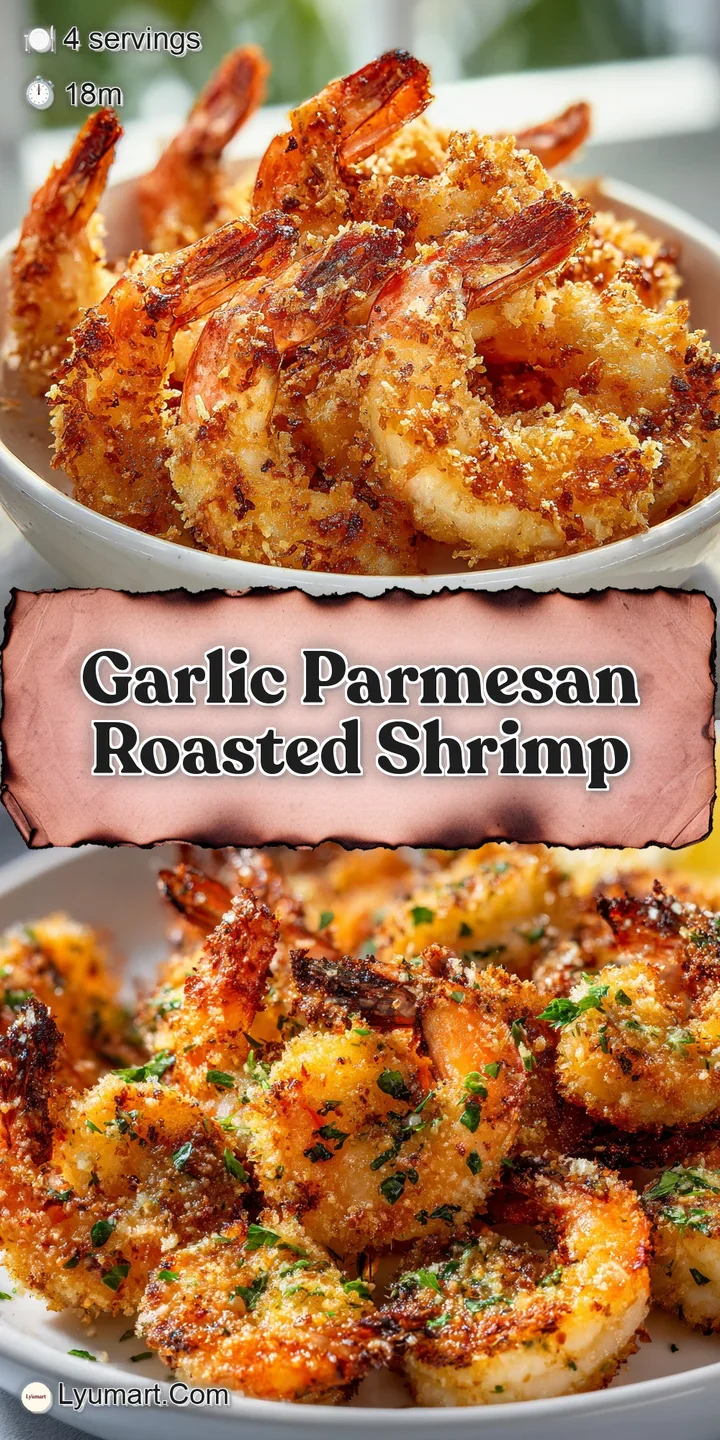
- Time: Active 10 mins, Passive 8 mins, Total 18 mins
- Flavor/Texture Hook: Savory, salty parmesan shatter with a zingy lemon finish
- Perfect for: Busy weeknights, impressive appetizers, or beginner meal prep
- The Physics of Achieving a Perfectly Golden Crust
- Essential Component Analysis for Savory Results
- Gathering the Flavor Essentials for Your Kitchen
- Simple Tools for a Flawless Roasting Experience
- Transforming Raw Ingredients Into a Savory Masterpiece
- Avoiding Common Mistakes and Maximizing Bold Flavors
- Smart Swaps and Myths Worth Debunking Today
- Managing Leftovers and Serving Your Seafood Right
- Recipe FAQs
- 📝 Recipe Card
The Physics of Achieving a Perfectly Golden Crust
The secret to this texture lies in the Maillard Reaction and moisture management. By roasting at a high temperature, we evaporate surface moisture quickly, allowing the proteins in the shrimp and the fats in the Parmesan to brown and crisp before the interior overcooks.
- Lipid Infusion: Fat soluble compounds in the garlic dissolve into the olive oil, coating every crevice of the shrimp for deep flavor.
- Protein Binding: The finely grated Parmesan acts as a structural "glue," adhering to the shrimp's surface as it melts and then hardens into a crisp lattice.
- Thermal Momentum: Using a preheated pan (if you're feeling extra) ensures the bottom of the shrimp sears instantly, preventing the dreaded "steaming" effect.
| Method | Time | Texture | Best For |
|---|---|---|---|
| over High heat Roast | 8 mins | Crispy edges, juicy core | Quick weeknight dinner |
| Stovetop Sauté | 5 mins | Uniformly soft, buttery | Tacos or pasta toppings |
| Air Fryer | 6 mins | Maximum crunch | Small batch snacking |
This dish reminds me of the texture profile in my Irresistible Garlic Parmesan recipe for chicken meatloaf, where the cheese provides that essential savory bite.
Essential Component Analysis for Savory Results
To get that specific "shatter" from the cheese, you really need to understand how these ingredients interact under heat. It isn't just about throwing things together; it's about how the fat and the aromatics create a protective, flavorful barrier.
| Ingredient | Science Role | Pro Secret |
|---|---|---|
| Large Shrimp | Primary protein | Pat them bone dry to avoid steaming instead of roasting. |
| Parmesan Cheese | Texture agent | Use a microplane for "snow like" cheese that melts instantly. |
| Fresh Garlic | Aromatic base | Microplaning creates a paste that coats better than mincing. |
| Lemon Zest | Essential oils | Add before roasting to bake the citrus aroma into the crust. |
If you find yourself wanting to experiment with different proteins after mastering this, the technique of over high heat flavor infusion is very similar to what I use in my Tender & Seared recipe for flank steak.
Gathering the Flavor Essentials for Your Kitchen
When shopping for this recipe, the quality of your shrimp is the biggest factor. I always look for "21-25 count" shrimp because they are large enough to withstand the oven's heat without shrinking into nothingness before the cheese has a chance to brown.
- 1.5 lbs large shrimp: Look for peeled and deveined, but leave the tails on for a better handle and more flavor. Why this? Tails act as a thermal buffer and look beautiful.
- 2 tbsp extra virgin olive oil: This is your heat conductor. Why this? Carries garlic flavors into the shrimp's surface.
- 4 cloves fresh garlic: Don't use the jarred stuff here; the flavor is too metallic. Why this? Fresh garlic contains natural sugars that caramelize beautifully.
- 0.5 cup Parmesan cheese: Grate it yourself from a wedge if you can. Why this? Pre shredded cheese has cellulose that prevents proper melting.
- 0.5 tsp red pepper flakes: Just enough for a subtle back of-the throat warmth.
- 0.5 tsp kosher salt & 0.25 tsp black pepper: Essential seasoning basics.
- 1 large lemon: We’ll use the zest for the bake and the juice for the finish.
- 2 tbsp Italian flat leaf parsley: Adds a hit of freshness to cut the richness.
- 1 tbsp unsalted butter: The final "velvety" touch.
| Original Ingredient | Substitute | Why It Works |
|---|---|---|
| Parmesan Cheese | Pecorino Romano | Saltier and sharper profile. Note: Reduce added salt slightly. |
| Extra Virgin Olive Oil | Avocado Oil | Higher smoke point. Note: Very neutral flavor profile. |
| Fresh Parsley | Fresh Cilantro | Adds a bright, herbal note. Note: Changes the dish to a more "fusion" vibe. |
Simple Tools for a Flawless Roasting Experience
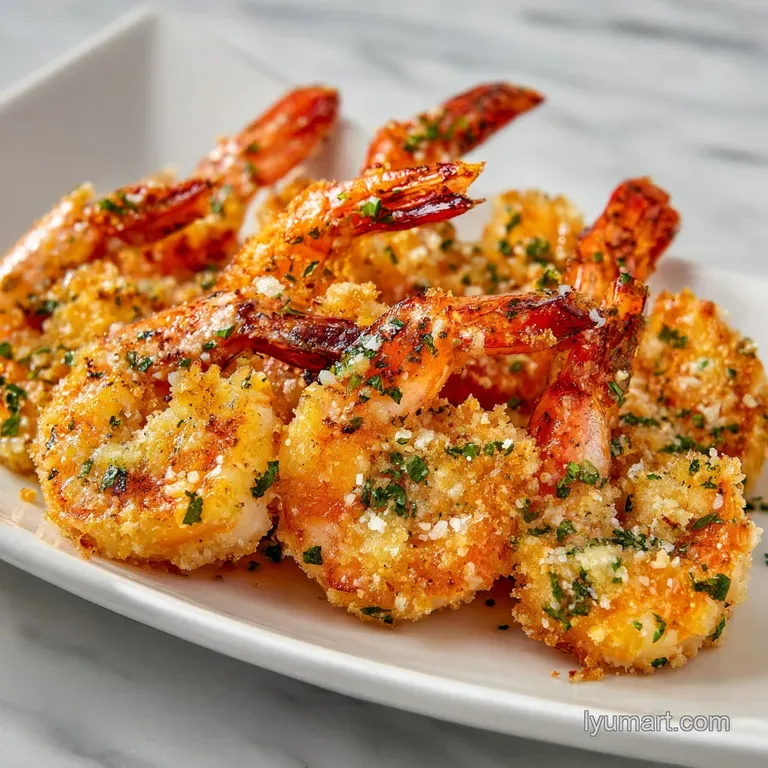
You don't need a kitchen full of gadgets, but a few specific items make this Garlic Parmesan Roasted Shrimp much easier to pull off. I used to use a glass baking dish, but I quickly learned that it doesn't conduct heat as well as metal, which is why my shrimp always came out a bit pale.
- Large Rimmed Baking Sheet: An 18x13 inch "half sheet" pan is perfect. It gives the shrimp enough space so they aren't crowded.
- Microplane Grater: This is my favorite tool for both the garlic and the cheese. It creates a fine texture that disappears into the oil to create a cohesive paste.
- Small Glass Bowl: For melting that final tablespoon of butter.
- Kitchen Towels or Paper Towels: Absolutely vital for drying the shrimp.
Chef's Tip: Freeze your Parmesan wedge for 10 minutes before grating. It makes the cheese firmer and prevents it from clumping as you grate it over the shrimp.
Transforming Raw Ingredients Into a Savory Masterpiece
- Dry the protein. Pat the 1.5 lbs of shrimp with paper towels until they are completely dry to the touch. Note: Excess water creates steam, which makes shrimp rubbery.
- Prepare the aromatics. Microplane the 4 cloves of garlic and zest the lemon into a large mixing bowl.
- Create the infusion. Add the 2 tbsp olive oil, salt, pepper, and red pepper flakes to the bowl, whisking to combine.
- Toss the shrimp. Add the shrimp to the bowl and use your hands to massage the garlic oil into every fold. Wait until they are fully coated.
- Add the cheese. Sprinkle the 0.5 cup grated Parmesan over the shrimp and toss gently one more time. Note: We do this last so the cheese sticks to the oil on the shrimp.
- Arrange the pan. Spread the shrimp onto the baking sheet in a single layer. Ensure no shrimp are touching.
- Roast at high heat. Bake at 400°F for 6 to 8 minutes until the shrimp are opaque and the cheese is sizzling.
- Prepare the finish. While roasting, melt the 1 tbsp butter and mix it with the juice from half the lemon.
- The sensory finish. Drizzle the lemon butter over the hot shrimp and shower them with the 2 tbsp chopped parsley. Listen for the sizzle as the citrus hits the pan.
Avoiding Common Mistakes and Maximizing Bold Flavors
The biggest mistake I see people make is overcrowding the pan. If the shrimp are huddling together for warmth, they’ll just boil in their own juices. You want air circulating around each one to get that crispy, roasted edge.
Preventing Rubbery or Tough Roasted Seafood
Shrimp cook incredibly fast. If you leave them in just 60 seconds too long, they go from "velvety and tender" to "bouncy and dry." Always check them at the 6 minute mark. They should be shaped like a "C" if they’ve curled into a tight "O," they’re likely overdone.
Managing a Soggy Cheese Crust
If your cheese isn't crisping, it’s usually because the oven wasn't fully preheated or the shrimp were too wet. Make sure your oven thermometer actually reads 400°F before the pan goes in.
| Problem | Root Cause | Solution |
|---|---|---|
| Shrimp are watery | Overcrowded pan | Use two sheets or roast in batches. |
| Garlic is burnt | Garlic pieces too large | Use a microplane to create a fine paste. |
| Cheese slid off | Didn't use enough oil | Ensure shrimp are fully "tacky" with oil before adding cheese. |
Common Mistakes Checklist
- ✓ Never skip the drying step; dry shrimp equals crispy shrimp.
- ✓ Avoid pre grated cheese which contains starches that prevent melting.
- ✓ Don't use a cold baking sheet; let it sit in the oven for 2 mins while preheating.
- ✓ Check for the "C" shape doneness cue at exactly 6 minutes.
Smart Swaps and Myths Worth Debunking Today
If you're cooking for a crowd, you might be tempted to just double everything and throw it on one pan. Don't do it! For scaling up to 3 lbs of shrimp, you absolutely must use two separate baking sheets and rotate them halfway through the cooking time.
If you scale down to 0.75 lbs, reduce the cook time by about 20% and keep a close eye on the browning.
Myth: You must devein shrimp or they’ll taste "dirty." Truth: While the "vein" is actually the digestive tract, in large shrimp, it’s mostly a matter of aesthetics and texture. Removing it makes the shrimp look cleaner and allows the garlic oil to penetrate deeper into the meat.
Myth: Frozen shrimp are inferior to fresh. Truth: Unless you live right on the coast, "fresh" shrimp at the counter are usually just frozen shrimp that the grocer thawed for you.
Buying them frozen and thawing them yourself in a bowl of cold water (it takes about 15 minutes) actually ensures better quality.
If you want...
- Extra Crunch: Add 2 tbsp of Panko breadcrumbs to the Parmesan mix.
- More Heat: Double the red pepper flakes and add a dash of smoked paprika.
- A Full Meal: Toss some thin asparagus spears in the same garlic oil and roast them alongside the shrimp.
Managing Leftovers and Serving Your Seafood Right
Roasted shrimp are best eaten immediately while the cheese is still "shatter crisp." However, if you do have leftovers, they make a fantastic cold addition to a salad the next day. I personally love tossing them into some cold pasta with a bit of extra lemon juice.
Storage: Store in an airtight container in the fridge for up to 2 days. I do not recommend freezing them after they've been roasted, as the texture becomes quite mealy upon thawing.
Reheating: Avoid the microwave! It will turn your shrimp into rubber. Instead, pop them back into a toaster oven or a regular oven at 350°F for about 4 minutes until they just start to sizzle again.
Zero Waste Tip: Don't throw away that lemon you zested and juiced! Toss the spent rinds into a pot of simmering water with a cinnamon stick to make your kitchen smell incredible, or use them to scrub your wooden cutting board after working with the garlic.
This dish is a total powerhouse on its own, but if you're looking for something heartier, it pairs beautifully with the creamy vibes of a Chicken and Noodles recipe for a truly comforting Sunday spread. Enjoy the sizzle!
Recipe FAQs
How do you bake garlic Parmesan shrimp?
Dry the shrimp thoroughly, then toss with a paste of fresh minced garlic, oil, salt, and pepper. Finally, mix in the grated Parmesan and spread the coated shrimp in a single layer on a rimmed baking sheet before roasting at 400°F.
What's the secret to a creamy garlic Parmesan finish?
No, this recipe achieves a crispy shatter, not a creamy sauce. To get a creamy texture, you would typically melt butter and garlic, then whisk in heavy cream and a touch of stock after roasting to create a quick pan sauce.
How long to cook garlic shrimp in the oven?
Roast for 6 to 8 minutes at 400°F. Shrimp cook very rapidly; check them at the six-minute mark, looking for them to curl into a 'C' shape and become opaque. Overcooking by even a minute leads to a rubbery texture.
Does garlic powder taste good on shrimp?
No, use fresh garlic if possible for superior flavor. Fresh garlic, microplaned into a paste, caramelizes and infuses the oil with soluble compounds during roasting; powder can taste metallic or burn easily.
Can I use frozen shrimp for this roasted recipe?
Yes, but you must thaw and dry them completely first. Thaw the shrimp in cold water for about 15 minutes, then pat them aggressively dry with paper towels; excess moisture will steam the shrimp instead of roasting them.
Why is my Parmesan crust turning greasy instead of crispy?
The pan was likely overcrowded, causing the shrimp to steam instead of roast. For maximum crispness, ensure every piece has space around it on the baking sheet to allow surface moisture to evaporate quickly.
What temperature is required to properly crisp the Parmesan?
A high oven temperature of 400°F is essential for crispness. This high heat encourages the Maillard reaction in the cheese and quickly evaporates surface moisture, preventing the dreaded "steaming" effect common at lower temperatures.
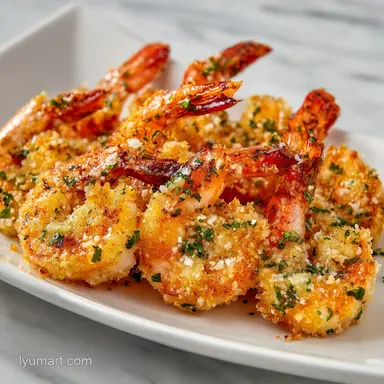
Garlic Parmesan Roasted Shrimp
Ingredients:
Instructions:
Nutrition Facts:
| Calories | 275 kcal |
|---|---|
| Protein | 37.8 g |
| Fat | 14.2 g |
| Carbs | 2.1 g |
| Fiber | 0.4 g |
| Sugar | 0.3 g |
| Sodium | 745 mg |
