Ground Sausage Recipe with Peppers and Onions
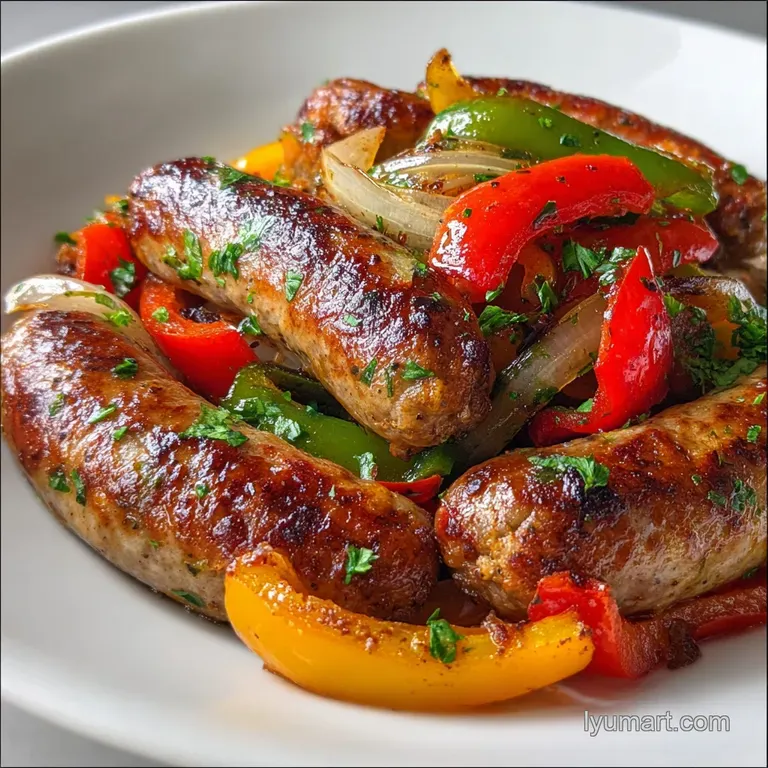
- Time: Active 10 minutes, Passive 15 minutes, Total 25 minutes
- Flavor/Texture Hook: Sizzling, caramelized sausage with tender crisp peppers
- Perfect for: Busy weeknight dinners or high protein meal prep
- Best Ground Sausage Recipe with Peppers
- The Secret to Perfect Sizzle
- Component Analysis
- Ingredients for Maximum Flavor Impact
- Essential Tools for Kitchen Success
- Step by Step Cooking Instructions
- Solving Common Cooking Problems
- Recipe Scaling and Adjustments
- Debunking Common Kitchen Myths
- Storage and Reheating Tips
- Best Side Dishes to Serve
- High in Sodium
- Recipe FAQs
- 📝 Recipe Card
Best Ground Sausage Recipe with Peppers
Picture this: You just walked through the door after a long day, and the last thing you want to do is hover over a stove for an hour. I’ve been there more times than I can count. Last Tuesday, I stood in my kitchen staring at a pack of sausage and a couple of lonely peppers in the crisper drawer.
I threw them into a hot skillet, and within minutes, the kitchen smelled like a five star Italian deli.
This satisfying ground sausage recipe with peppers and onions makes a flavorful and easy weeknight dinner. It is the kind of meal that feels like a warm hug but actually comes together in less time than it takes to order takeout.
We aren't doing anything fancy here, just using good heat and the right timing to let the ingredients speak for themselves.
Trust me on this, once you see how those peppers pick up the browned bits from the bottom of the pan, you'll never go back to boring stir fries. We’re going to focus on getting that perfect sear on the meat while keeping the vegetables vibrant and sweet.
It’s simple, honest cooking that works every single time.
The Secret to Perfect Sizzle
Maillard Reaction: High heat creates a chemical reaction between amino acids and reducing sugars, resulting in that savory, browned crust on the sausage.
Deglazing Physics: Adding balsamic vinegar releases the fond (browned bits) from the pan, emulsifying the fats into a glossy, concentrated sauce.
Hygroscopic Softening: Salt draws moisture out of the onions and peppers through osmosis, allowing them to soften and caramelize without burning.
| Method | Time | Texture | Best For |
|---|---|---|---|
| High Heat Skillet | 15 minutes | Crispy, caramelized edges | Quick weeknight dinner |
| Low Heat Sauté | 25 minutes | Soft, jammy vegetables | Deep, sweet flavor profiles |
| Sheet Pan Roast | 30 minutes | Roasted, charred skins | Hands off meal prep |
Choosing the right cooking method depends entirely on how much crunch you want in your peppers. I personally love the over high heat skillet method because it gives the meat those "shatter"-crisp edges that contrast so well with the velvety onions. This approach is quite similar to the Beef Stir Fry Recipe where heat control is everything.
Component Analysis
| Ingredient | Science Role | Pro Secret |
|---|---|---|
| Ground Sausage | Primary fat source | Don't drain it; use that rendered fat to cook the veg. |
| Bell Peppers | Natural sugar source | Slicing them thin ensures they soften at the same rate as onions. |
| Balsamic Vinegar | Acid catalyst | It cuts through the heavy fat, brightening the entire dish instantly. |
| Kosher Salt | Moisture regulator | Season the peppers early to break down their cell walls faster. |
Ingredients for Maximum Flavor Impact
- 1 lb ground Italian sausage: I prefer mild for the family, but hot sausage adds a fantastic kick. Why this? It provides both the protein and the essential seasoning base.
- Substitute: Ground turkey sausage (add 1 tbsp extra oil for fat).
- 1 large yellow onion: Thinly sliced to match the texture of the peppers. Why this? Onions provide the base sweetness and aromatic depth.
- Substitute: Red onion for a sharper, slightly more peppery bite.
- 2 cloves garlic: Minced finely. Why this? Adds a savory back note that complements the pork.
- Substitute: 1/2 tsp garlic powder if you're in a rush.
- 2 large bell peppers: Sliced into thin strips for even cooking. Why this? They provide the "snap" and essential vitamin C.
- Substitute: Mini sweet peppers sliced into rings.
- 1 tsp dried oregano: For that classic Mediterranean aroma. Why this? Oregano stands up well to the high heat of the skillet.
- Substitute: Fresh oregano (use 3x the amount).
- 1/2 tsp red pepper flakes: For a gentle warmth. Why this? It wakes up the palate without being overwhelming.
- Substitute: A pinch of cayenne pepper.
- 1 tbsp extra virgin olive oil: Just enough to get the pan going. Why this? Helps with initial heat transfer before sausage fat renders.
- Substitute: Avocado oil for a higher smoke point.
- 1 tbsp balsamic vinegar: The secret weapon for depth. Why this? It deglazes the pan and balances the richness.
- Substitute: Red wine vinegar with a tiny pinch of sugar.
- 1/4 cup fresh parsley: For a burst of green at the end. Why this? It cuts through the cooked flavors with freshness.
- Substitute: Fresh basil leaves torn by hand.
- 0.5 tsp kosher salt: To season the vegetables. Why this? Kosher salt flakes distribute more evenly than table salt.
- Substitute: Sea salt.
- 0.25 tsp cracked black pepper: For a sharp finishing touch. Why this? Freshly cracked pepper has more volatile oils than pre ground.
- Substitute: White pepper for a more subtle heat.
Essential Tools for Kitchen Success
You don't need a pantry full of gadgets, but a large cast iron or heavy bottomed stainless steel skillet is a must. Why? Because we want heat retention. If you use a thin, cheap pan, the temperature will drop the second you add the peppers, and they'll end up steaming instead of searing.
A sharp chef's knife is your second best friend here. Slicing the onions and peppers into uniform strips isn't just about looking pretty; it’s about making sure every bite is cooked to the same level of tenderness.
Grab a wooden spoon or a sturdy metal spatula to scrape up those delicious browned bits from the bottom of the pan that’s where all the magic lives.
step-by-step Cooking Instructions
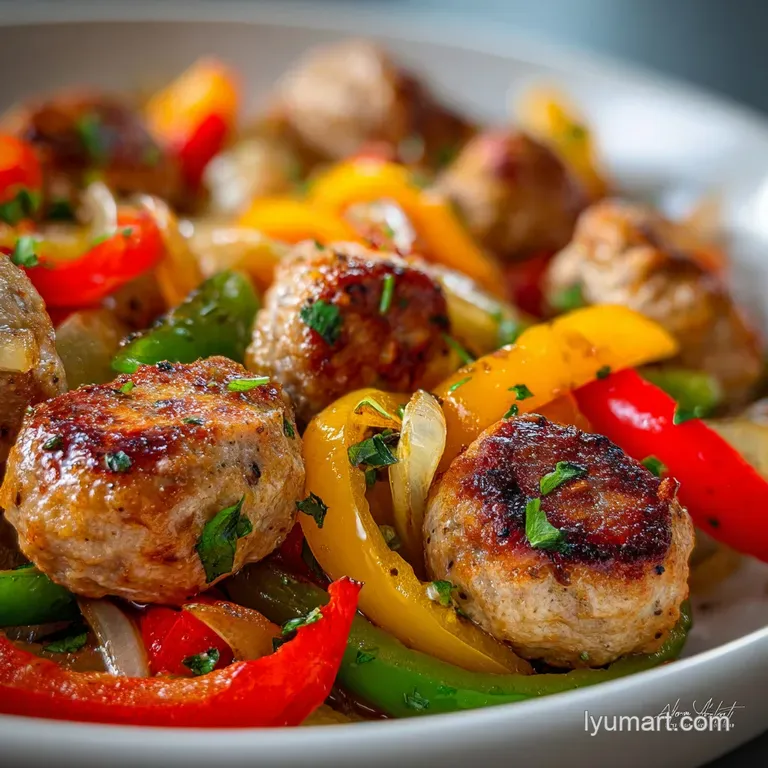
- Heat the skillet. Place your 1 tbsp extra virgin olive oil in a large pan over medium high heat until the oil shimmers and barely wisps smoke. Note: This ensures the meat won't stick.
- Sear the sausage. Add the 1 lb ground Italian sausage to the pan, breaking it into bite sized chunks with your spoon.
- Develop the crust. Cook the sausage for 5-7 minutes until browned and crispy on the edges. Note: Don't over stir; let it sit to get that Maillard browning.
- Remove and rest. Use a slotted spoon to move the sausage to a plate, leaving the rendered fat in the pan.
- Sauté the aromatics. Toss in the 1 large yellow onion and 2 large bell peppers.
- Season the vegetables. Add the 0.5 tsp kosher salt, 0.25 tsp black pepper, 1 tsp dried oregano, and 1/2 tsp red pepper flakes.
- Softened and charred. Cook the vegetables for 6-8 minutes until the onions are translucent and the peppers have dark, caramelized spots.
- Add the garlic. Stir in the 2 cloves minced garlic and cook for 1 minute until fragrant but not browned. Note: Garlic burns easily, so keep it moving.
- Combine and deglaze. Return the sausage to the pan and pour in the 1 tbsp balsamic vinegar.
- Final toss. Scrape the bottom of the pan vigorously while the vinegar bubbles, then stir in the 1/4 cup fresh parsley and serve.
Solving Common Cooking Problems
The biggest hurdle with any recipe with peppers is moisture management. If your pan is too crowded, the water released by the vegetables will turn into steam, leaving you with a soggy mess instead of a sizzle. Right then, let's look at how to fix things if they go south.
To Fix Excess Grease
Sometimes sausage can be extra fatty, leaving a pool of oil in the pan. If it looks like more than a tablespoon or two, tilt the pan and use a crumpled paper towel held by tongs to carefully soak up the excess before adding your vegetables.
You want enough fat to coat the peppers, but not so much that they're deep frying.
To Avoid Burnt Garlic
Garlic is the heart of this dish, but it's fragile. If you add it at the same time as the onions, it will be bitter and black by the time the peppers are soft. Always wait until the very end.
If you see it turning dark brown too quickly, immediately add the balsamic vinegar to drop the pan temperature and stop the cooking process.
| Problem | Root Cause | Solution |
|---|---|---|
| Soggy Peppers | Overcrowded pan or low heat | Cook in two batches or increase heat to high immediately. |
| Gray Sausage | Too much stirring too early | Let the meat sit undisturbed for 3 minutes to develop a sear. |
| Bitter Aftertaste | Burnt garlic or spices | Add a tiny pinch of sugar or extra balsamic to balance the bitterness. |
- ✓ Preheat your pan for a full 3 minutes before adding ingredients.
- ✓ Pat the sliced peppers dry with a paper towel if they seem moist.
- ✓ Don't skimp on the balsamic it’s the bridge between the fat and the veg.
- ✓ Use a wide skillet (12 inches) to give everything room to breathe.
- ✓ Keep the heat at medium high; if you see smoke, just turn it down slightly.
Recipe Scaling and Adjustments
Scaling this recipe is fairly straightforward, but you have to watch the pan space. If you are doubling the recipe to 8 servings, you absolutely must work in batches. Two pounds of sausage and four peppers will not fit in one standard skillet without steaming everything.
Sear all the meat first, set it aside, then do the vegetables in two rounds before combining everything in a large bowl at the end.
If you are cutting the recipe in half for a solo dinner, the cook time for the sausage will stay about the same, but the vegetables will soften much faster because there is more surface area in the pan relative to the food. Reduce the vegetable sauté time by about 2 minutes.
For spices, I usually keep the red pepper flakes the same because I like the heat, but you can certainly halve them if you're sensitive.
Debunking Common Kitchen Myths
One of the biggest myths is that you have to drain all the fat from the sausage to make it "healthy." Honestly, don't even bother. That fat contains all the seasonings from the sausage and is the best cooking medium for the peppers. If you remove it, you're just removing flavor and will have to add more oil anyway.
Another misconception is that you need to peel your peppers or onions for a "gourmet" texture. In a rustic skillet meal like this, the skins provide structural integrity. Without them, the peppers would turn into a mushy puree rather than holding that beautiful "snap" we're looking for.
Storage and Reheating Tips
This dish is a meal prep superstar. You can keep it in an airtight container in the fridge for up to 4 days. The flavors actually meld and deepen over time, making it even better on day two. For freezing, it will last about 3 months, though the peppers will lose some of their crispness once thawed.
To reheat, I highly recommend using a skillet over medium heat with a tiny splash of water. This helps re steam the peppers slightly without making them rubbery. Microwave works in a pinch (2 minutes on high), but you'll lose that "sizzle" texture. If you have leftovers, try tossing them with some pasta or stuffing them into a hoagie roll with some melted provolone. If you're looking for more morning inspiration, you'll love this Breakfast With Sausage Recipe.
Best Side Dishes to Serve
While this is a complete meal on its own, I love serving it over a bed of creamy polenta or some buttered pasta to soak up that balsamic glaze. If you want to keep things lighter, a simple arugula salad with a lemon vinaigrette provides a nice peppery crunch that cuts through the richness of the Italian sausage.
For those who want a heartier vibe, a piece of crusty sourdough bread is non negotiable for cleaning the plate. You worked hard for that sauce, so don't let a drop go to waste! If you prefer a grain based side, some fluffy quinoa or even a side of roasted potatoes works brilliantly to turn this into a feast. For another variation on quick meat and veg, check out our Beef Stir Fry Recipe for your next busy evening.
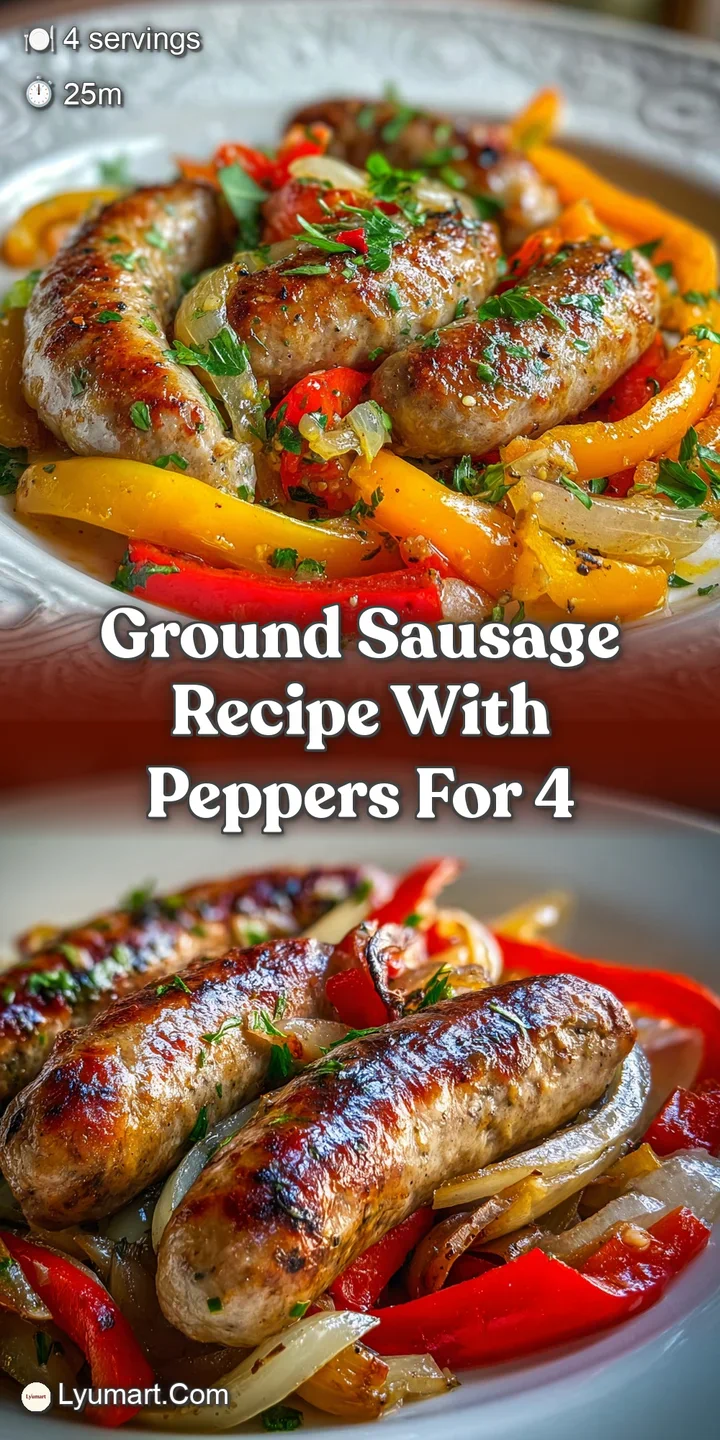
High in Sodium
845 mg mg of sodium per serving (37% % of daily value)
American Heart Association recommendation: Limit sodium intake to 2,300mg per day for overall health.
Sodium Reduction Strategies for this Recipe
-
Swap Sausage-25%
Italian sausage is a significant sodium source. Substitute with fresh ground pork or chicken and add your own Italian inspired spices to control the sodium content. Consider using a 'sweet' Italian sausage if reducing the salt, as it uses less salt in the process.
-
Reduce Added Salt-15%
Reduce the added kosher salt from 0.5 tsp to 0.25 tsp, or eliminate it entirely. Taste the dish before adding any salt, as the sausage already contains sodium.
-
Enhance with Herbs
Increase the amount of dried oregano and fresh parsley to boost flavor without adding sodium. Consider adding other sodium free herbs and spices like garlic powder, onion powder, or fennel seeds.
-
Spice it Up
Enhance flavor with the red pepper flakes. Using spice helps to mask the need for sodium and is a great sodium free flavor alternative.
-
Vinegar Boost
Use balsamic vinegar to add a tangy flavor, which can help compensate for reduced salt. Try adding a splash more at the end of cooking.
Recipe FAQs
Should I drain the fat rendered from the sausage before cooking the peppers?
No, keep the fat in the pan. That rendered fat carries the majority of the sausage seasoning and is the best medium to sear the vegetables in for maximum flavor.
How do I prevent the peppers from steaming instead of searing when I add them to the skillet?
Ensure your pan is hot enough before adding the vegetables. The temperature must remain high so the moisture released evaporates quickly rather than pooling and lowering the heat.
How long can I safely store leftovers of the sausage and peppers?
Up to 4 days refrigerated in an airtight container. The flavors tend to deepen overnight, making this an excellent dish for meal prepping the next day.
Is it true that I must use sweet Italian sausage in this recipe?
No, you can use hot Italian sausage. If you opt for hot sausage, consider slightly reducing the added red pepper flakes, as the overall heat level will increase significantly.
How to ensure the garlic flavor is potent and not bitter?
Add minced garlic only in the last minute of vegetable cooking. Garlic burns very quickly under high heat, turning bitter, so introduce it right before deglazing the pan.
What is the best way to use leftover sausage and peppers?
Toss them with pasta or stuff them into a roll with cheese. If you’re looking for a completely different flavor profile using a pan sear technique, see how we manage heat control in the Beef Stir Fry Recipe.
Can I make this recipe ahead of time for meal prep?
Yes, this reheats well, but manage expectations for texture. While it stores nicely, the peppers will lose their crispness upon reheating, softening considerably, so aim to eat within 4 days.
Ground Sausage Peppers Recipe
Ingredients:
Instructions:
Nutrition Facts:
| Calories | 328 kcal |
|---|---|
| Protein | 18.6 g |
| Fat | 23.4 g |
| Carbs | 10.8 g |
| Fiber | 2.4 g |
| Sugar | 5.2 g |
| Sodium | 845 mg |
