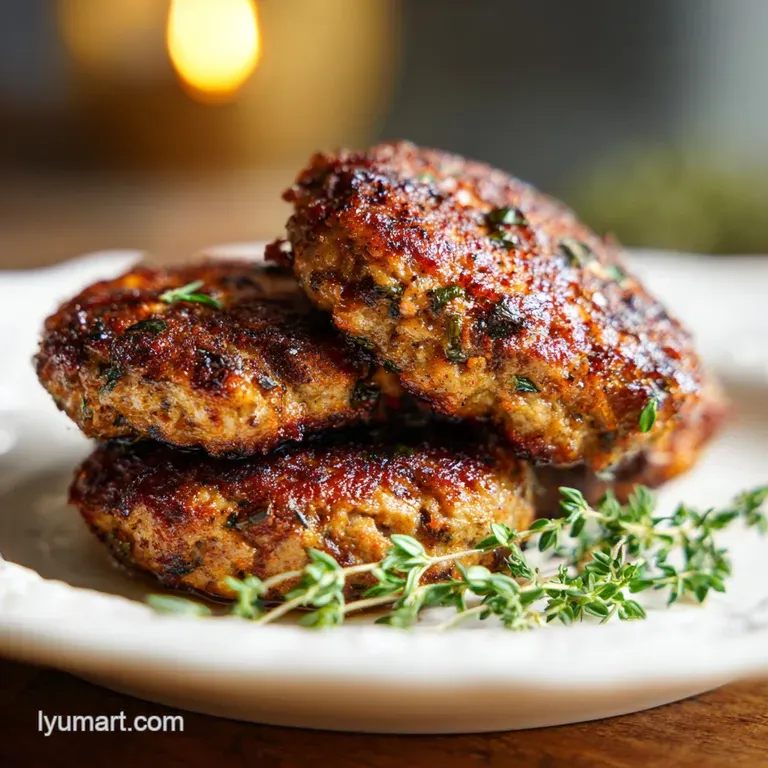
Homemade Breakfast Sausage Patties
- Time: Active 15 minutes, Passive 0 mins, Total 25 minutes
- Flavor/Texture Hook: Savory, sage forward, and remarkably juicy
- Perfect for: Weekend family brunch or meal prepping breakfast sandwiches
- Why This Recipe Works For You
- Recipe Specs and Critical Ratios
- Pantry Essentials for Better Sausage
- Essential Kitchen Tools for Success
- Step-by-Step Shaping and Searing
- Avoiding Dry or Tough Results
- Flavor Variations and Easy Swaps
- Storing and Repurposing Leftover Meat
- Serving Ideas for Family Mornings
- Myths About Homemade Sausage
- Breakfast Sausage Patties FAQs
- 📝 Recipe Card
Why This Recipe Works For You
Making your own sausage is the ultimate budget friendly move because you aren't paying for the branding and packaging of a premium "farm style" roll. By starting with plain ground pork, you control the quality and the seasoning intensity.
It is a simple, humble process that relies on a bit of kitchen physics rather than fancy equipment.
- Myosin Activation: Mixing the salt thoroughly with the meat breaks down proteins, creating a sticky texture that binds the patty together without needing breadcrumbs or eggs.
- Fat Suspension: Adding ice cold water keeps the pork fat from melting during the mixing process, which prevents the cooked sausage from becoming grainy or greasy.
- Thermal Contraction Control: Creating a small dimple in the center of each patty compensates for the muscle fibers tightening as they heat, ensuring your sausage stays flat instead of doming.
- Spice Hydration: Using rubbed sage instead of fresh allows the dried oils to rehydrate in the meat juices, providing a more consistent flavor throughout every bite.
When you look at the cost of a high end organic sausage roll versus a pound of ground pork and spices you already have in your cabinet, the savings add up fast. It’s a smart way to get that comfort food feeling without the "premium" price tag.
Plus, you can tailor the spice level to your family's exact preference, which is something a cardboard tube can never offer.
| Comparison Point | Fresh Homemade Patties | store-bought Shortcut |
|---|---|---|
| Texture | Silky and cohesive | Often spongy or rubbery |
| Ingredient Control | 100% (No nitrates/fillers) | High sodium and preservatives |
| Cost per Ounce | Significantly lower | Higher due to processing |
The difference in texture is where you’ll really notice the win. A homemade patty has a distinct "snap" when you bite into it, while the store-bought versions often feel a bit uniform and mashed. Using these patties in a Breakfast Sausage Skillet is a great way to see how well they hold up against other ingredients like potatoes and peppers.
Recipe Specs and Critical Ratios
For this recipe, we are looking for a specific balance between lean meat and fat. Standard ground pork is usually around an 80/20 ratio, which is exactly what we want. If you go too lean, the patties will turn into dry pebbles. If you go too fat, they’ll shrink into nothingness in the pan.
The timing is also key. Because these are relatively thin, they cook fast. We’re looking for a total of about 8 to 10 minutes of heat. Overcooking is the enemy of the breakfast sausage; even 60 seconds too long can turn a velvety patty into something tough.
Keep your eye on the color and the internal sizzle.
The Protein Base
Ground pork is the traditional choice for a reason. Its mild flavor acts as a blank canvas for the sage and pepper. However, the quality of the "grind" matters. Look for meat that still has visible white flecks of fat. If the meat looks entirely pink or translucent, it might be too lean or over processed.
The Signature Seasoning Blend
We aren't just tossing in salt and pepper. The combination of rubbed sage and thyme creates that classic "breakfast" profile. The maple syrup isn't there to make it a dessert; it provides a necessary counterbalance to the salt and helps with the browning process.
The sugar in the syrup caramelizes on the surface, giving you those dark, tasty bits that everyone fights over.
Controlled Moisture Retention
The 2 tablespoons of ice cold water are non negotiable. It sounds weird to add water to meat, but it’s the secret to a professional texture. It helps the salt distribute and creates a slight emulsion with the fat.
Without it, the seasonings tend to clump, and the meat can feel "short" or crumbly once it hits the heat.
Pantry Essentials for Better Sausage
I keep these ingredients in my pantry specifically for when I find ground pork on sale. You don't need a massive spice rack to pull this off, just the heavy hitters. If you have these basics, you’re always 20 minutes away from a better than the diner breakfast.
| Ingredient | Science Role | Pro Secret |
|---|---|---|
| Kosher Salt | Protein denaturant | Dissolves better than table salt for an even bind |
| Ice Cold Water | Temperature regulator | Keeps fat solid during mixing so it stays inside the meat |
| Maple Syrup | Maillard reaction aid | Provides the glucose needed for a deep, dark crust |
Most people reach for the pre mixed "sausage seasoning" packets, but those are often 50% salt and 50% cheap fillers like dried parsley. By mixing your own, you’re getting pure flavor.
- 1 lb ground pork: Why this? The fat to lean ratio is built in for moisture. (Sub: Ground turkey with 1 tbsp oil)
- 2 tbsp ice cold water: Why this? Binds the meat and keeps it juicy. (Sub: Cold apple cider)
- 1.5 tsp kosher salt: Why this? Critical for texture and flavor. (Sub: 1 tsp table salt)
- 1 tsp rubbed sage: Why this? The quintessential breakfast aroma. (Sub: 1/2 tsp ground sage)
- 0.5 tsp dried thyme: Why this? Adds an earthy, floral undertone. (Sub: Dried rosemary)
- 0.5 tsp crushed red pepper flakes: Why this? Provides a subtle back end heat. (Sub: 1/4 tsp cayenne)
- 0.5 tsp coarse black pepper: Why this? For sharp, pungent spice notes. (Sub: White pepper)
- 0.25 tsp ground nutmeg: Why this? The "secret" ingredient that adds depth. (Sub: Ground mace)
- 1 tbsp pure maple syrup: Why this? Encourages browning and balances salt. (Sub: Brown sugar)
| Original Ingredient | Substitute | Why It Works |
|---|---|---|
| Ground Pork | Ground Turkey | Lower fat. Note: Must add 1 tbsp olive oil to prevent drying |
| Pure Maple Syrup | Brown Sugar | Provides sweetness/browning. Note: Use 1 tbsp firmly packed sugar |
| Rubbed Sage | Fresh Sage | Fresher flavor. Note: Use 1 tbsp finely minced fresh leaves |
Adding the red pepper flakes gives it a "hot" sausage vibe, but if you have kids who are sensitive to heat, you can easily pull those back. The nutmeg is the real hero here it’s that flavor you can’t quite name but would miss if it was gone.
Essential Kitchen Tools for Success
You don't need a vertical stuffer or a specialized press for these. We’re keeping it humble and practical. I usually just use my hands, but there are a couple of things that make the job cleaner and more consistent.
- Large Mixing Bowl: You need room to move the meat around without it flying over the sides. Glass or stainless steel is best because they stay cold.
- Heavy Skillet: A cast iron skillet (like a Lodge) is the gold standard here. It holds heat like a champ, which is what gives you that "shatter"-crisp crust on the outside while the middle stays tender.
- Small Cookie Scoop: If you want 12 perfectly even patties, a scoop ensures they all finish cooking at the exact same time.
- Parchment Paper: Useful if you’re stacking the raw patties to cook later; it prevents them from welding themselves into a single meat block.
I once tried making these in a thin non stick pan, and it was a disaster. The pan couldn't stay hot enough once the cold meat hit it, so the pork just kind of steamed in its own juices. It tasted fine, but it lacked that beautiful, dark sear.
If you’re serious about your Breakfast Sausage Patties, invest in a heavy pan.
step-by-step Shaping and Searing
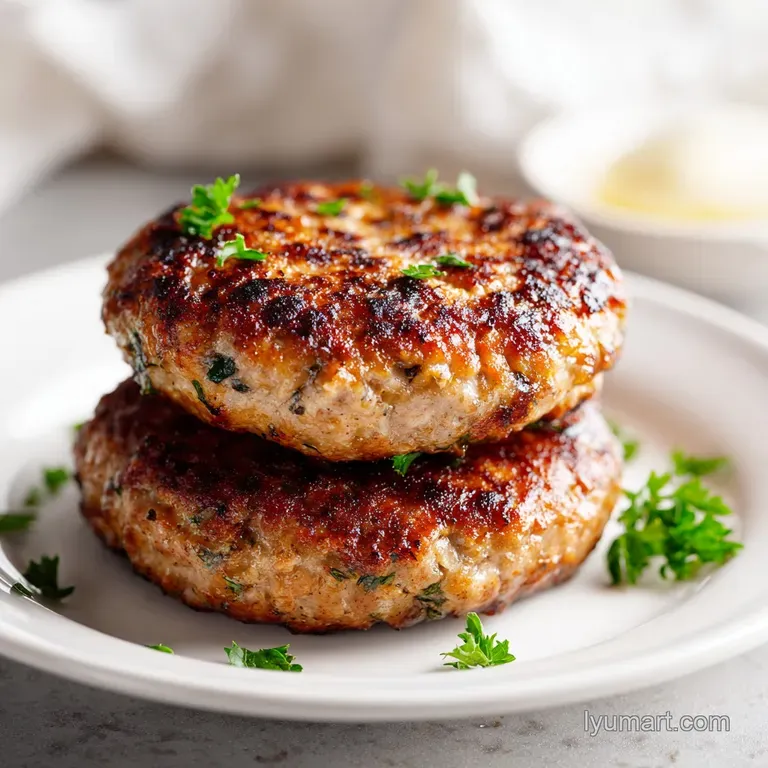
The trick to a great sausage is minimal handling. You want to mix it enough to bind, but not so much that you turn the pork into a tough paste. Think of it like making biscuits; you want to keep that fat intact.
- Chill your bowl. Place your mixing bowl in the fridge for 10 minutes before starting. Note: Cold surfaces prevent the pork fat from smearing.
- Combine the dry spices. Mix the salt, sage, thyme, red pepper, black pepper, nutmeg, and maple syrup in a small ramekin. Note: Premixing ensures you don't end up with a "salt bomb" in one patty.
- Break up the pork. Place the 1 lb ground pork in the chilled bowl and use your fingers to spread it out.
- Add the liquids. Pour the 2 tbsp ice cold water over the meat, followed by the spice mixture.
- Mix with intent. Use your hands to fold the meat over itself until it feels tacky and pulls away from the bowl. Stop as soon as it looks uniform.
- Portion the patties. Divide the mixture into 12 equal balls (about 1.3 oz each). Note: Use a scoop for precision.
- Shape and dimple. Flatten each ball into a disc about 1/2 inch thick and press a thumbprint into the center.
- Heat the skillet. Set your pan over medium high heat. Cook until a drop of water dances on the surface.
- Sear the first side. Place patties in the pan (don't overcrowd!) and cook for 4-5 minutes until deep brown.
- Flip and finish. Turn them over and cook 3-4 more minutes until the juices run clear.
Chef's Tip: If you have time, let the mixed meat sit in the fridge for an hour before shaping. This "cure" time allows the salt to fully penetrate the fibers, resulting in a much deeper flavor profile.
Avoiding Dry or Tough Results
Even the best recipe can go sideways if the heat is too high or the meat is too lean. The biggest problem I see is people pressing down on the patties with a spatula while they cook. Please, for the love of breakfast, don't do that! You're just squeezing out all the moisture you worked so hard to keep inside.
To Prevent the "Golf Ball" Effect
Have you ever noticed how sausage patties tend to puff up in the middle and turn into spheres? This happens because the connective tissue on the edges shrinks faster than the center.
By pressing that dimple into the raw patty, you give the meat room to expand upward, leaving you with a perfectly flat surface for your sandwich.
The Dry Turkey Dilemma
If you’re making these as "healthy" turkey sausages, you’re dealing with a much leaner protein. Turkey doesn't have the internal fat to stay moist under high heat. To fix this, I always add a tablespoon of olive oil or even a tablespoon of unsweetened applesauce to the mix.
It mimics the fat content of pork and keeps things velvety.
| Problem | Root Cause | Solution |
|---|---|---|
| Patties are crumbly | Insufficient mixing or salt | Mix until the meat feels "sticky" or "tacky" to the touch |
| Sausage is dry | Overcooking or meat too lean | Pull at 160°F (71°C); add fat if using turkey |
| Rubbery texture | Over mixing the meat | Stop mixing once spices are just incorporated |
A little bit of carryover cooking will happen once you pull them off the heat. If you wait until they look bone dry in the pan, they’ll be leather by the time they hit the plate. Serve them alongside a perfectly executed Scrambled Eggs Recipe for a texture contrast that works every time.
Common Mistakes Checklist: ✓ Use ice cold water (warm water melts the fat prematurely) ✓ Don't skip the nutmeg (it provides the "secret" flavor depth) ✓ Avoid lean pork (look for 80/20 fat ratio) ✓ Don't press the patties with a spatula (keeps juices inside) ✓ Ensure
the pan is preheated (prevents sticking and steaming)
Flavor Variations and Easy Swaps
Once you have the base down, you can start playing with the profile. Breakfast is personal, and some people want more heat, while others want something that tastes like a Sunday roast.
- The "Clean" Keto Variation: Swap the maple syrup for a teaspoon of erythritol or just leave it out entirely. The nutmeg and sage provide enough complexity that you won't miss the sugar.
- Spicy Fennel Twist: Add 1/2 teaspoon of toasted fennel seeds. This moves the flavor closer to an Italian sausage but still pairs beautifully with eggs.
- Apple & Onion: Finely grate half an apple (squeeze out the juice!) and a tablespoon of onion into the mix. This adds incredible moisture and a natural sweetness.
| Method | Time | Texture | Best For |
|---|---|---|---|
| Cast Iron | 8-10 mins | Crispy, dark crust | Ultimate flavor |
| Oven Baked | 15-18 mins | Evenly cooked, less mess | Large crowds/batch prep |
| Air Fryer | 8-12 mins | Very crispy edges | Quick morning cleanup |
If you decide on Oven Baked Breakfast Sausage Patties, set your oven to 400°F (200°C) and use a rack over a sheet pan. This allows the heat to circulate all the way around the patty, so you don't even have to flip them.
It's the best way to handle a double or triple batch without standing over a smoky stove.
Storing and Repurposing Leftover Meat
One of the smartest things you can do is make a double batch. Raw sausage patties freeze beautifully. I like to lay them out on a baking sheet, freeze them solid, and then toss them into a freezer bag. This way, they don't stick together, and I can grab just one or two for a quick weekday sandwich.
- Fridge: Store cooked patties in an airtight container for up to 4 days.
- Freezer: Raw or cooked patties will last up to 3 months. If raw, place parchment paper between layers.
- Reheating: Use a toaster oven or a dry skillet. Avoid the microwave if possible, as it can make the pork feel "rubbery" and lose that crisp exterior.
Zero Waste Tip: If you have leftover cooked patties that are starting to get a bit dry, crumble them up! They are fantastic tossed into a pasta sauce, folded into an omelet, or used as a topping for a homemade breakfast pizza. Never throw away sausage; it's concentrated flavor gold.
Serving Ideas for Family Mornings
A great patty is just the beginning. To turn this into a full "occasion" meal, think about what's going on the side. These patties are quite savory and herbal, so they need something bright or creamy to cut through the fat.
I personally love serving these as part of a "build your own" sandwich bar. Lay out some toasted English muffins, sharp cheddar cheese, a bowl of Velveeta Cheese Dip recipe for the truly bold, and some sliced avocado. It turns a simple breakfast into something that feels like a celebration.
If you're going the low carb route, these are the star of a "Power Bowl." Sauté some kale or spinach in the leftover sausage fat (the flavor is incredible), add two over easy eggs, and top with the patties. The runny yolk acts as a natural sauce for the meat.
It’s the kind of humble, satisfying meal that keeps you full until dinner.
If you want X, do Y: If you want a crunchier crust, coat the raw patties in a tiny bit of flour or cornstarch before searing. If you want a softer bite, increase the ice water to 3 tablespoons and mix for an extra 30 seconds.
If you want a smoky flavor, add 1/4 teaspoon of liquid smoke or smoked paprika to the spice blend.
There’s no "right" way to eat these, but there is definitely a "right" way to make them. Stick to the cold mixing method, don't overwork the meat, and always always add that pinch of nutmeg. You'll be the hero of the breakfast table, and your wallet will thank you too.
Myths About Homemade Sausage
People are often intimidated by making sausage because of a few persistent kitchen tales. Let's clear those up so you can cook with confidence.
Myth: You need a meat grinder for good texture. The truth is that standard "ground pork" from the grocery store is perfectly fine. The texture comes from the way you handle the meat and the addition of salt and liquid, not from the initial grind itself.
As long as the meat isn't "extra lean," you’re good to go.
Myth: Sausage must be cooked until it's grey all the way through. While you want to ensure the pork is safe (160°F or 71°C), a tiny hint of blush in the center isn't the end of the world. Modern pork is much safer than it was forty years ago.
Cooking it until it's grey and dry is the fastest way to ruin a perfectly good patty.
Myth: You have to use "sausage fat" or lard. You don't need to go hunting for specialized fats. The fat already present in a standard pound of ground pork is enough to create a juicy result. Adding extra fat often just leads to more shrinkage and a messier pan.
Focus on keeping the fat you have inside the meat by using the ice water technique.

Breakfast Sausage Patties FAQs
Is breakfast sausage ok for diabetics?
Potentially, but homemade is better. Commercially prepared patties are often high in hidden sugars, sodium, and fillers that impact blood sugar control. Opt for a homemade version where you control all ingredients, eliminating sweeteners like maple syrup or brown sugar if necessary.
Where can I buy sausage patties like McDonald's?
You cannot buy the exact commercial product retail. McDonald's uses proprietary blends and processing techniques to achieve their specific texture and flavor profile. For a comparable homemade taste, focus on using rubbed sage, black pepper, and ensuring an 80/20 ground pork ratio.
How to properly cook sausage patties?
Sear in a preheated, heavy skillet over medium high heat. Place the patties in the hot pan and cook undisturbed for 4 to 5 minutes until deep brown. Flip and continue cooking for 3 to 4 minutes until the internal temperature reaches 160°F (71°C).
What are McDonald's breakfast sausage patties made of?
They primarily consist of pork, water, salt, spices, and dextrose. The main components are ground pork shoulder with various seasonings; the dextrose is a sugar used for browning and preservation. If you are mastering texture control here, the same principles of fat suspension apply when making batter for our Homemade French Toast Recipe, which also benefits from precise mixing.
Can I freeze breakfast sausage patties?
Yes, freezing is an excellent method for meal prepping. You can freeze them raw or cooked; ensure raw patties are frozen flat before bagging to prevent clumping. Cooked patties reheat best in an oven or toaster oven to maintain the exterior crust.
Why are my homemade sausage patties shrinking and doming while cooking?
This occurs because the outer muscle fibers tighten unevenly during heating. To counteract this, always press a small dimple or thumbprint into the center of the raw patty before it hits the pan. This technique compensates for the contraction, ensuring a flatter, more usable shape, similar to how you manage dough surface tension when following the instructions for Jens Baked Meatballs recipe.
Can I substitute ground turkey for the ground pork?
No, not without making significant adjustments. Ground turkey is much leaner and will result in a dry, crumbly patty if used straight up. You must add extra fat, such as one tablespoon of olive oil or melted butter per pound of turkey, to mimic the necessary moisture content of pork.
Homemade Breakfast Sausage Patties
Ingredients:
Instructions:
Nutrition Facts:
| Calories | 105 kcal |
|---|---|
| Protein | 6.4 g |
| Fat | 7.8 g |
| Carbs | 1.3 g |
| Fiber | 0.1 g |
| Sugar | 1.1 g |
| Sodium | 262 mg |
