Eel Sauce Recipe: Savory Sweet Glaze
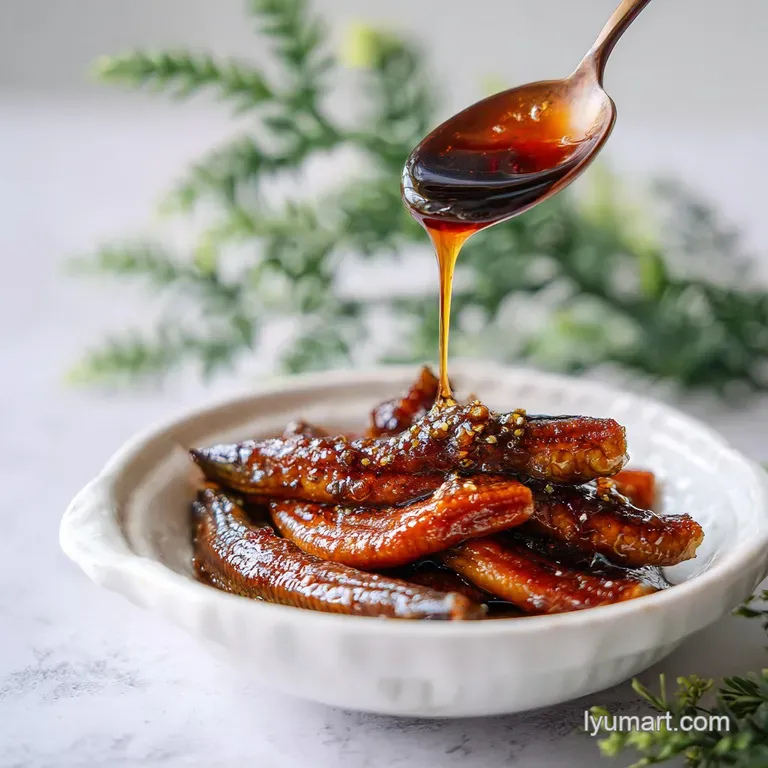
- Time: Active 5 minutes, Passive 15 minutes, Total 20 minutes
- Flavor/Texture Hook: Savory sweet and velvety smooth
- Perfect for: Sushi night, grilled salmon, or budget-friendly meal prep
- Master This Glossy Eel Sauce Recipe Easily
- Why This Reduction Actually Works
- The Core Elements You Need
- Minimal Kitchen Gear for Results
- Step-by-Step Guide to Success
- Solving Common Sauce Problems Now
- Budget Swaps and Smart Flavors
- Keeping Your Sauce Fresh Longer
- Perfect Ways to Serve This
- Eel Sauce Recipe FAQs
- 📝 Recipe Card
Master This Glossy Eel Sauce Recipe Easily
The scent of soy and mirin is unmistakable. It’s that salty, sweet perfume that hits you the second you walk into a sushi joint. For years, I honestly thought this was some guarded secret that required actual eel or some crazy expensive ingredients.
I used to pay six or seven bucks for a tiny bottle at the grocery store that tasted like corn syrup and disappointment.
Then I tried making it at home. The first time, I cranked the heat too high and ended up with a literal rock of burnt sugar stuck to my pan. But after a few attempts, I realized the trick isn't about fancy skills. It’s about patience and the way the sugar interacts with the soy proteins.
Now, this is a staple in my kitchen. We use it for everything from topping homemade rolls to glazing chicken. It’s foolproof, family friendly, and costs about fifty cents to make a whole batch.
Trust me, once you see that velvety liquid coat the back of your spoon, you’ll never go back to the store-bought stuff. It's a classic example of how a few simple ingredients can create something that tastes incredibly rich.
Why This Reduction Actually Works
- Maillard Magic: The proteins in the soy sauce react with the granulated sugar under heat, creating deep, savory flavor compounds that aren't there when cold.
- Starch Free Thickening: As water evaporates from the sake and mirin, the sugar concentration increases, creating a natural syrupy body without needing cornstarch.
- Alcohol Evaporation: Simmering the sake and mirin removes the harsh "bite" of the alcohol while leaving behind the fermented rice aroma and natural sweetness.
Similar to how we build flavor layers in our Million Dollar Chicken recipe, this sauce relies on the concentration of liquids to achieve a heavy, clingy texture.
| Method | Time | Texture | Best For |
|---|---|---|---|
| Stovetop | 15 minutes | Thick, glossy, and syrupy | Maximum control and flavor |
| Microwave | 8 minutes | Thinner, light consistency | Quick dinner emergencies |
| Slow Cooker | 1 hours | Very dark and intensely rich | Large batches for gifting |
This table shows that while the stovetop is my go to for that specific "cling," you have options if you're in a massive rush. The heat source changes how fast the water leaves the pan, which directly impacts how the sauce feels on your tongue.
The Physics of Gloss
The glossy sheen comes from the high sugar content in the mirin and granulated sugar. As the mixture reduces, the sugar molecules become more tightly packed, reflecting light more effectively. If you boil it too fast, you risk breaking these bonds and getting a gritty texture.
| Ingredient | Science Role | Pro Secret |
|---|---|---|
| Soy Sauce (1/2 cup) | Provides salt and umami | Use a naturally brewed version for better depth |
| Mirin (1/2 cup) | Adds shine and acidity | high-quality mirin prevents a "tinny" aftertaste |
| Sugar (1/2 cup) | Controls the viscosity | Whisk until fully dissolved before the boil |
| Sake (1/4 cup) | Cuts through the sweetness | Don't skip this; it balances the heavy sugar |
The Core Elements You Need
- Soy Sauce: 1/2 cup (120ml). Why this? It provides the salt base and the deep amber color.
- Substitute: Tamari for a gluten-free version.
- Mirin: 1/2 cup (120ml). Why this? This Japanese rice wine provides a unique tangy sweetness.
- Substitute: Dry sherry mixed with a pinch of extra sugar.
- Granulated Sugar: 1/2 cup (100g). Why this? It’s the structural backbone that creates the syrup.
- Substitute: Brown sugar for a more molasses heavy flavor.
- Sake: 1/4 cup (60ml). Why this? It adds a complex fermented note that balances the salt.
- Substitute: Dry white wine if sake isn't in your pantry.
Minimal Kitchen Gear for Results
You don't need much, but a small, heavy bottomed saucepan is your best friend here. Cheap, thin pans have "hot spots" that will scorch the sugar before the rest of the sauce even gets warm. I learned that the hard way when I ruined a stainless steel pot in college.
A silicone whisk is also better than a spoon. It helps you scrape the edges where the sugar likes to hide and crystallize. Finally,, grab a glass jar for storage. Plastic tends to absorb the soy smell, and honestly, this sauce looks beautiful in a clear mason jar on the fridge shelf.
step-by-step Guide to Success
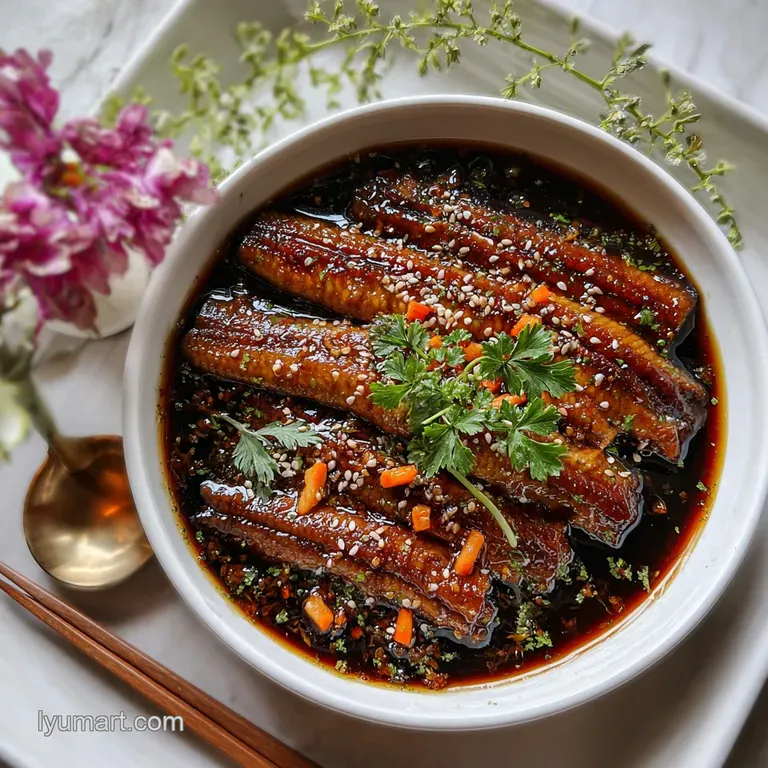
- Combine ingredients. Pour 1/2 cup soy sauce, 1/2 cup mirin, 1/2 cup sugar, and 1/4 cup sake into your saucepan. Note: Mixing them cold prevents the sugar from clumping at the bottom.
- Whisk thoroughly. Stir the mixture over medium high heat until the sugar crystals completely vanish.
- Bring to boil. Watch the pot closely as it starts to bubble. Note: Sugar mixtures can foam up and boil over in seconds.
- Lower the heat. Once it hits a rolling boil, drop the heat to medium low.
- Simmer steadily. Let the liquid bubble gently until it has reduced by about one third.
- Perform the drip test. Dip a spoon in; the sauce should coat the back without immediately running off.
- Check the volume. You should have roughly 3/4 cup to 1 cup of liquid left.
- Cool completely. Remove from heat and let it sit. The sauce will thicken significantly as it cools.
- Transfer to jar. Pour the cooled glaze into a clean glass container.
Chef's Tip: To get a professional, glass like sheen, add a tiny teaspoon of honey right at the end of the simmer. It adds a different type of sugar molecule that prevents crystallization.
Solving Common Sauce Problems Now
Sometimes things go sideways. If your sauce is too thin, it usually just needs more time. People get scared of burning it and pull it off the stove too early. Remember, it won't look like syrup while it's boiling hot it looks like water. The "cold plate test" is the only way to be sure.
Why Your Sauce Is Gritty
If you notice tiny crystals in your sauce after it cools, it means the sugar didn't fully dissolve or some splashed onto the side of the pan and fell back in. It's still edible, but the texture is off.
| Problem | Root Cause | Solution |
|---|---|---|
| Bitter Aftertaste | Heat was too high | Add a tablespoon of water and a pinch of sugar |
| Too Runny | Not enough evaporation | Simmer for another 5 minutes on low |
| Too Salty | Brand of soy was too strong | Balance with a splash of mirin or honey |
Common Mistakes Checklist
- ✓ Avoid high heat for the whole process; it burns the delicate mirin flavors.
- ✓ Use a pot larger than you think you need to prevent boil overs.
- ✓ Don't stir constantly once it starts simmering; let the reduction happen naturally.
- ✓ Never judge the thickness while the sauce is still bubbling hot.
- ✓ Ensure your storage jar is bone dry to prevent spoilage.
Budget Swaps and Smart Flavors
Making a homemade eel sauce recipe is already a huge money saver, but you can stretch your ingredients even further. If you don't want to buy a whole bottle of sake, just use a little extra mirin and a splash of water. It won't have the same "clean" finish, but for a Tuesday night dinner, nobody will notice.
To Achieve a Glass Like Sheen
If your sauce looks dull, you might have simmered it too slowly. A vigorous (but controlled) simmer helps the sugars align. Also, using granulated sugar instead of honey as the primary base ensures a clearer, brighter look.
For a No Alcohol Version
If you need to skip the sake and mirin entirely, you can use 1/2 cup white grape juice mixed with a tablespoon of rice vinegar. You'll need to add a bit more sugar to compensate for the lack of mirin, but the acidity from the vinegar helps mimic that fermented tang.
This is a great trick for keeping things kid friendly while maintaining the spirit of the dish.
You can also use this sauce as a base for other recipes. It works surprisingly well when drizzled over a Broccoli Cheese Rice Casserole recipe to add a hit of salt and sweetness that cuts through the heavy cheese.
Keeping Your Sauce Fresh Longer
Because of the high sugar and salt content, this sauce is a champion in the fridge. I usually keep mine in a glass jar for up to 3 weeks. If you see any mold or it smells "funky" (beyond the usual soy smell), toss it, but that rarely happens if you use a clean spoon every time.
Don't freeze it. The sugar structure changes when frozen and then thawed, often leaving you with a weird, separated mess that won't ever get that velvety texture back. If you have leftovers you can't use, try brushing them onto some carrots or sweet potatoes before roasting.
The sugars will caramelize in the oven and create a localized flavor explosion on your veggies.
Perfect Ways to Serve This
The obvious choice is sushi, but don't stop there. I love using this as a "finish" for grilled meats. Brush it on during the last 60 seconds of cooking. If you put it on too early, the sugar will burn on the grill and get bitter.
- Unagi Don: Pour it over grilled eel and a hot bowl of white rice.
- Salmon Glaze: Use it as a dip for Baked Salmon with Lemon recipe to add a sweet contrast to the citrus.
- Veggie Stir fry: Toss a tablespoon in at the very end of cooking your greens for a glossy coating.
- Pizza Drizzle: Sounds crazy, but it’s amazing on a chicken and green onion pizza.
For a 15 Minute Dinner
On nights when I'm exhausted, I’ll just sear some chicken thighs, steam some broccoli, and dump a generous amount of this glaze over the top. It tastes like I spent hours in the kitchen when it actually took less time than ordering takeout.
That's the beauty of having a jar of this stuff ready to go in the fridge. It’s the ultimate "cheat code" for flavor.
To Balance the Intense Umami
If you find the sauce too heavy, serve it alongside something bright and acidic, like pickled ginger or a cucumber salad. The contrast makes the savory notes of the sauce pop without overwhelming your palate.
This is why you always see it paired with vinegared sushi rice the acid in the rice is doing the heavy lifting to keep the meal balanced.
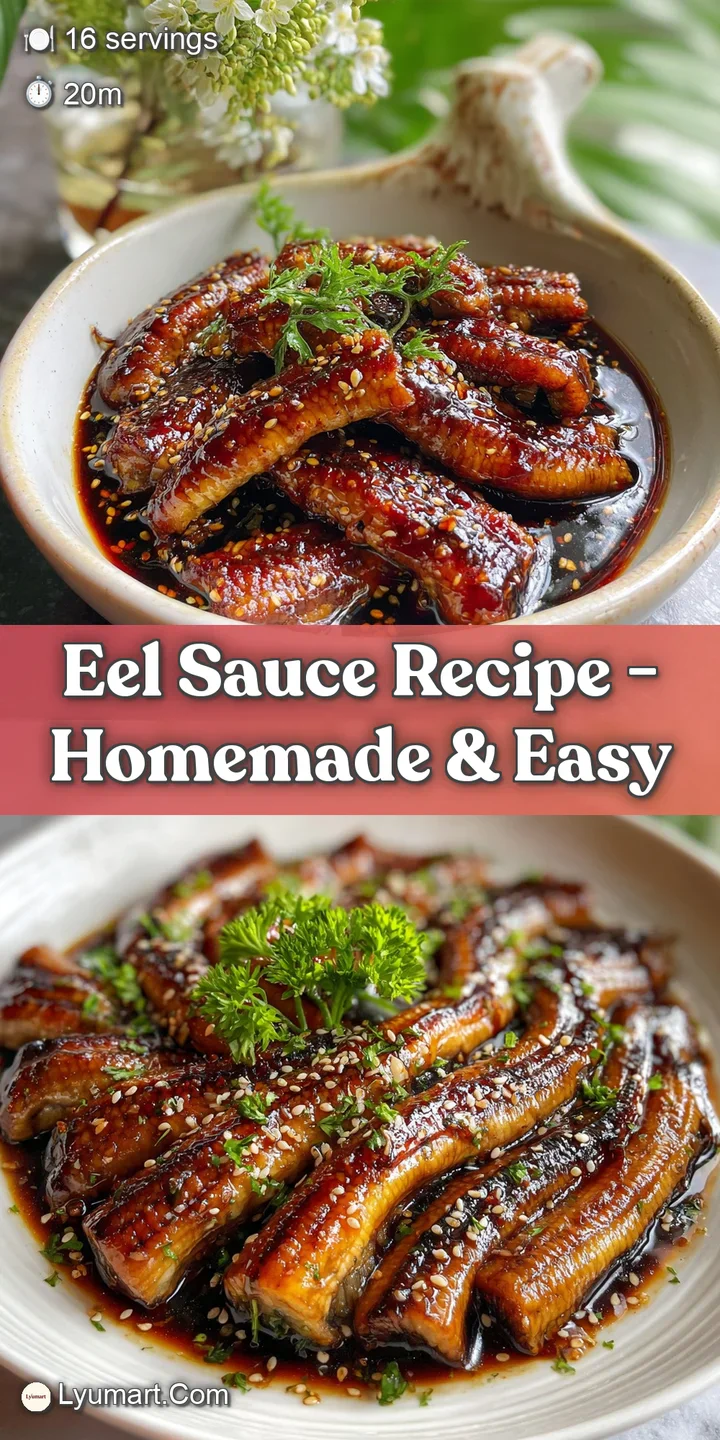
Eel Sauce Recipe FAQs
What is eel sauce made of?
Soy sauce, mirin, sugar, and sake. It's a simple reduction of these four ingredients, simmered to create a thick, glossy glaze. The process concentrates the flavors and creates a syrupy texture without any added thickeners.
Does eel sauce actually contain eel?
No, not traditionally. Despite its name, authentic eel sauce, also known as unagi sauce or nitsume, is typically made from soy sauce, mirin, sugar, and sake. The name comes from its traditional pairing with grilled eel (unagi) in Japanese cuisine.
Why is it called eel sauce?
It's named for its traditional pairing with grilled eel. The sweet and savory glaze complements the rich flavor of unagi (Japanese grilled eel) perfectly. It's a classic condiment used in dishes like unadon (eel over rice).
What is the closest thing to eel sauce?
A simple homemade reduction of soy sauce, mirin, and sugar. While sake adds complexity, you can approximate the flavor profile by simmering equal parts soy sauce and mirin with a bit of sugar until thickened. This process of creating a flavorful reduction is similar to building flavor layers in dishes like our Chicken Divan Recipe: Creamy Comfort Bake.
Can I make eel sauce without sake?
Yes, you can substitute it. If you don't have sake, use a little extra mirin or a dry white wine, though the authentic fermented note will be slightly different. Some recipes even use a splash of rice vinegar to add a bit of acidity to balance the sweetness.
How do I get my homemade eel sauce thick and glossy?
Simmer it slowly until reduced. The key is allowing the water content from the mirin and sake to evaporate while the sugar concentrates, creating a natural syrup. The sauce will thicken significantly as it cools, so avoid over reducing while hot. Mastering controlled simmering here is similar to achieving the perfect texture in our Chicken Fried Steak Recipe with Velvety Gravy.
How long does homemade eel sauce last?
Up to 3 weeks in the refrigerator. Thanks to its high sugar and salt content, homemade eel sauce is quite stable. Store it in an airtight glass container to maintain its best flavor and texture.
Homemade Eel Sauce
Ingredients:
Instructions:
Nutrition Facts:
| Calories | 51 kcal |
|---|---|
| Protein | 0.7 g |
| Fat | 0 g |
| Carbs | 11 g |
| Fiber | 0 g |
| Sugar | 10.2 g |
| Sodium | 295 mg |
