Korean Spicy Chicken Stir Fry with Chewy Rice Cakes
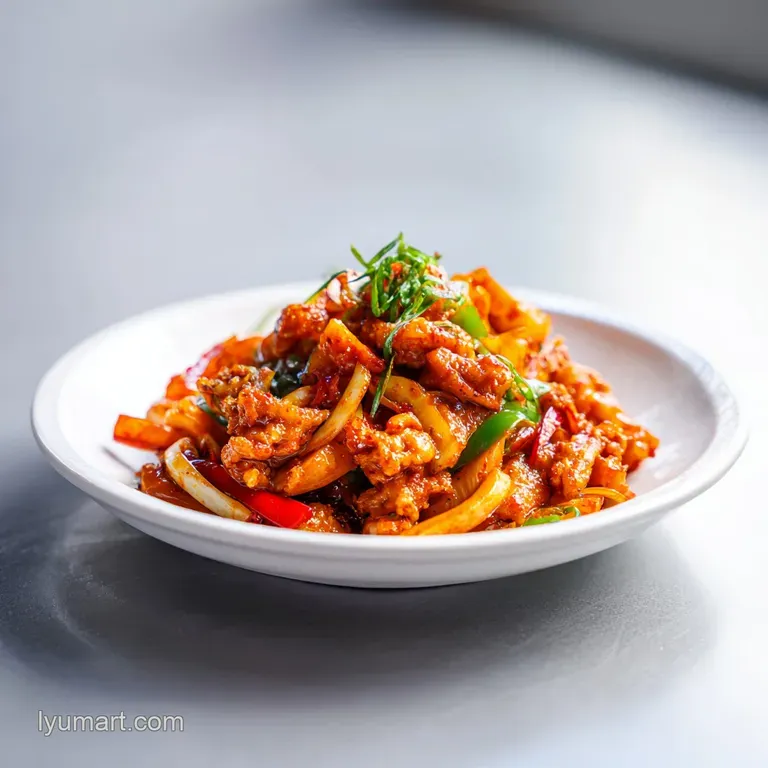
- Time: Active 20 minutes, Passive 15 minutes, Total 35 minutes
- Flavor/Texture Hook: Velvety, spicy glaze with chewy rice cakes and charred edges
- Perfect for: Weeknight dinners that need a serious flavor kick
- Key Success Markers and Timing for Your Weeknight Chicken Dinner
- The Flavor Chemistry Behind Our Essential Spicy Stir Fry Ingredients
- Essential Minimalist Tools for a Perfectly Seared Spicy Chicken Dish
- Step by Step Guide to a Perfectly Glazed Chicken Sizzle
- Solving Common Texture Issues and Fixing the Level of Heat
- How to Scale Your Spicy Chicken for Crowds or Diets
- Clever Ways to Store Leftovers and Minimize Kitchen Food Waste
- Serving Ideas and Debunking Common Myths About Spicy Stir Fries
- Very High in Sodium
- Recipe FAQs
- 📝 Recipe Card
The first time I tried to make this at home, I turned my kitchen into a haze of smoke and pepper flakes. I was so determined to get that charred, street food smell that I forgot about the high sugar content in gochujang.
My chicken was black on the outside and raw in the middle, and the sauce tasted like scorched earth. I stood there with a glass of milk, staring at a ruined pan, and realized that "hot and fast" needs a little bit of strategy.
Since then, I've spent months tweaking the heat levels and the timing. You want that sizzle the moment the meat hits the metal, but you also need the sweet potato to soften without the sauce turning into charcoal. It’s all about the order of operations.
We're chasing that specific aroma - a mix of toasted sesame, fermented chili, and the sharp bite of fresh ginger - that makes your mouth water before the plate even hits the table.
This version is what I call my "reliable Friday night feast." It’s bold enough to feel like a treat but fast enough that you aren't standing over the stove for an hour. We aren't doing anything fancy here; we're just using a few staple ingredients in a way that respects how they react to heat.
Grab your heaviest pan, and let’s get into the details.
Key Success Markers and Timing for Your Weeknight Chicken Dinner
The Science of the Fiery Glaze: The high concentration of glucose in gochujang undergoes rapid caramelization when it hits 320°F (160°C), creating a thick, sticky coating.
The rice wine (mirin) acts as a deglazer, preventing the sugars from burning too quickly while helping the sauce emulsify with the chicken fat.
- Enzymatic Tenderization: The ginger and garlic contain protease enzymes that start breaking down the chicken proteins during the 15 minute resting period, ensuring the thigh meat stays supple.
- Starch Gelatinization: Pre soaking the rice cakes allows them to absorb water, so when they hit the pan, they soften into a chewy, bouncy texture instead of remaining hard or becoming gummy.
- The Maillard Reaction: By using a neutral oil with a high smoke point, we can sear the chicken at high heat to develop those brown, savory flavor compounds before the sugary sauce is added.
- Osmotic Pressure: The salt in the soy sauce draws a tiny bit of moisture out of the cabbage and onions, which then mixes with the thick chili paste to create a self basting sauce that coats every ingredient.
| Thickness | Internal Temp | Rest Time | Visual Cue |
|---|---|---|---|
| 1 inch cubes | 165°F (74°C) | 3 minutes | No pink, fibers separate easily |
| Thin matchsticks | N/A | 0 minutes | Soft enough to pierce with a fork |
| 2 inch lengths | N/A | 0 minutes | Bright green and slightly wilted |
Finding the right balance of heat and texture is the secret to a great Korean Spicy Chicken Stir Fry. If you've ever had a soggy stir fry, it's usually because the pan wasn't hot enough or too many vegetables were added at once. We're going to avoid that by layering the ingredients.
The Flavor Chemistry Behind Our Essential Spicy Stir Fry Ingredients
Understanding why we use specific ingredients helps you become a better cook. It’s not just about the heat; it's about how the fermented components interact with the fresh ones. For instance, the gochujang isn't just spicy; it’s a source of deep umami that you can't get from standard chili flakes alone.
| Component | Science Role | Pro Secret |
|---|---|---|
| Gochujang | Emulsifier and base | Never skip the sugar; it balances the fermented funk. |
| Rice Wine (Mirin) | Solvent for aromatics | Use it to scrape the "fond" (brown bits) off the pan. |
| Toasted Sesame Oil | Volatile aromatic | Add half to the marinade and half at the very end for scent. |
| Sweet Potato | Texture contrast | Slicing into thin matchsticks ensures they cook as fast as the meat. |
If you're looking for a different kind of comfort meal that uses similar chicken searing techniques, you might want to try my Chicken Divan Recipe for something creamy instead of spicy.
- 1.5 lbs chicken thighs
- Boneless and skinless, cut into 1 inch cubes. Why this? Thighs have enough fat to stay juicy under high stir fry heat.
- 3 tbsp Gochujang
- The heart of the dish. Why this? Provides the thick, fermented base for the glaze.
- 2 tbsp Gochugaru
- Korean red chili flakes. Why this? Adds a clean, smokey heat without making the sauce too thick.
- 2 tbsp Soy sauce
- For that essential salty, savory backbone.
- 1 tbsp Oyster sauce
- Adds a hidden layer of savory depth.
- 2 tbsp Rice wine (Mirin)
- Helps thin the paste and tenderize the meat.
- 1 tbsp Brown sugar
- Essential for the caramelization of the glaze.
- 1 tbsp Toasted sesame oil
- Provides the signature nutty aroma.
- 4 cloves Garlic, minced
- Aromatic base.
- 1 tsp Fresh ginger, grated
- Cuts through the heavy heat with brightness.
- 1 cup Green cabbage
- Roughly chopped for texture.
- 1 medium Sweet potato
- Sliced into thin matchsticks.
- 0.5 large White onion
- Sliced into half moons.
- 3 Green onions
- Cut into 2 inch lengths.
- 1 cup Korean Rice Cakes (Tteokbokki)
- The "chew" factor.
- 1 tbsp Neutral oil
- For over high heat searing (like canola or vegetable oil).
| Original Ingredient | Substitute | Why It Works |
|---|---|---|
| Gochujang | Miso + Sriracha | Similar fermented depth. Note: Won't be as thick or sweet. |
| Mirin | Dry Sherry | Similar acidity and sugar content. |
| Sweet Potato | Carrots | Provides the same crunch and subtle sweetness. |
| Rice Cakes | Gnocchi | Surprisingly similar "chew" and starch content. |
Essential Minimalist Tools for a Perfectly Seared Spicy Chicken Dish
You don't need a professional kitchen to make a stellar Korean Spicy Chicken Stir Fry. In fact, keeping the tools simple actually helps you focus on the heat management, which is where the magic happens.
A heavy bottomed skillet is your best friend here because it holds onto heat even when you drop cold chicken into it.
I usually reach for a 12 inch cast iron skillet or a high-quality carbon steel pan. If you use a thin, non stick pan, you'll struggle to get those charred edges because the pan temperature drops too quickly. Also, grab a solid metal spatula.
You'll need it to scrape up those caramelized bits of sauce that's where the most concentrated flavor lives.
Chef's Tip: Freeze your ginger for 10 minutes before grating. It makes the fibers much easier to break down, and you'll get a velvety paste instead of woody chunks.
step-by-step Guide to a Perfectly Glazed Chicken Sizzle
- Whisk the sauce. Combine 3 tbsp Gochujang, 2 tbsp Gochugaru, 2 tbsp Soy sauce, 1 tbsp Oyster sauce, 2 tbsp Rice wine, 1 tbsp Brown sugar, 1 tbsp Toasted sesame oil, 4 cloves minced garlic, and 1 tsp grated ginger in a bowl. Note: This allows the flavors to meld before they hit the heat.
- Marinate the meat. Toss the 1.5 lbs chicken thigh cubes with half of the sauce mixture. Let it sit for at least 15 minutes. Note: The salt and ginger will begin tenderizing the protein fibers.
- Prep the rice cakes. Soak the 1 cup rice cakes in lukewarm water for 10 minutes, then drain. Note: This ensures they become soft and chewy rather than staying hard in the center.
- Heat the pan. Add 1 tbsp neutral oil to your skillet over medium high heat until the oil shimmers and a drop of water flicked in sizzles instantly.
- Sear the chicken. Add the chicken in a single layer. Let it cook undisturbed for 3 minutes until a deep brown crust forms on the bottom.
- Add the hard veggies. Stir in the sweet potato matchsticks and onion. Cook for 4 minutes until the sweet potato is slightly flexible.
- Introduce the crunch. Add the 1 cup cabbage and the drained rice cakes. Pour in the remaining sauce. Note: The moisture from the cabbage will help steam the rice cakes.
- The final glaze. Stir constantly for 3-5 minutes until the sauce has reduced into a thick, velvety coating that clings to every piece.
- Finish with greens. Toss in the 3 green onions during the last 60 seconds of cooking. Cook until they are bright green and just starting to wilt.
- Rest and serve. Remove from heat and let it sit for 2 minutes. Note: This allows the juices to redistribute so the chicken stays moist.
Solving Common Texture Issues and Fixing the Level of Heat
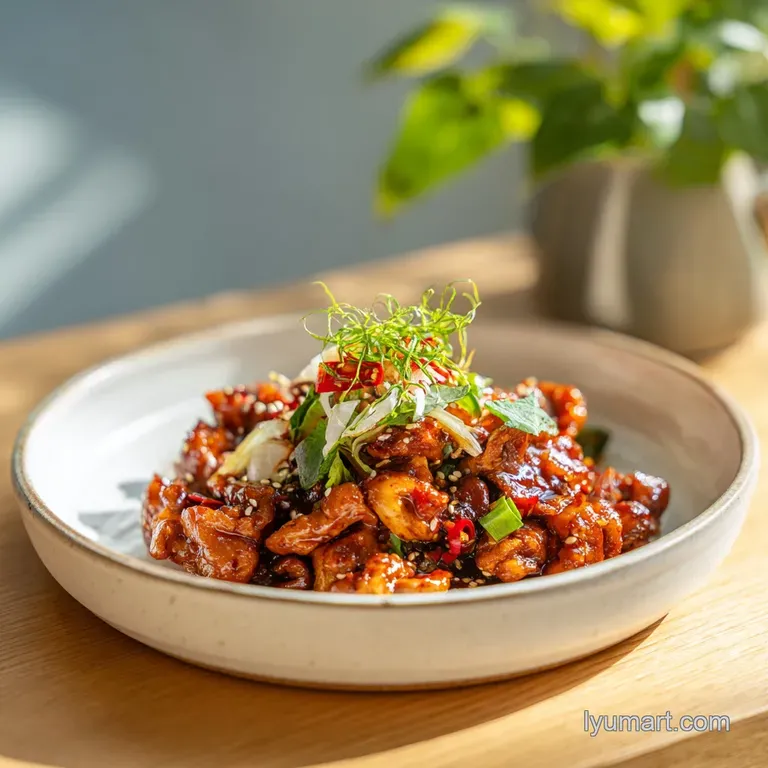
One of the biggest hurdles with this dish is moisture control. If you see a puddle of liquid at the bottom of your pan, it means your heat was too low or you overcrowded the pan. Don't panic! You can fix it, but you have to act fast before the chicken overcooks.
Why Is My Stir Fry Watery?
This usually happens because the cabbage releases its water all at once. If the pan isn't hot enough to evaporate that moisture immediately, you end up "stewing" the meat instead of searing it.
To fix this, turn the heat to its highest setting and move the ingredients to the edges of the pan, leaving the center open for the liquid to boil off rapidly.
Why Are My Rice Cakes Still Hard?
If the rice cakes are stubborn, it's likely they didn't get enough moisture during the final stage of cooking. You can add 2 tablespoons of water or chicken broth to the pan and cover it with a lid for 60 seconds. The steam will penetrate the starch and soften them right up.
| Problem | Root Cause | Solution |
|---|---|---|
| Burnt Sauce | Heat too high/No stirring | Add a splash of water and turn heat to medium low immediately. |
| Dry Chicken | Overcooked | Reduce total cook time by 2 minutes next time; use thighs only. |
| No Spice Kick | Old Gochugaru | Add a teaspoon of fresh chili oil or extra flakes at the end. |
Common Mistakes Checklist
- ✓ Pat the chicken dry with a paper towel before marinating (excess water prevents searing).
- ✓ Slice the sweet potatoes into thin matchsticks (if they are too thick, they’ll stay raw).
- ✓ Don't stir the chicken the second it hits the pan; let that crust develop!
- ✓ Use a neutral oil (like canola) rather than olive oil, which can't handle the high heat.
- ✓ Soaking the rice cakes is non negotiable for that perfect "tteok" texture.
How to Scale Your Spicy Chicken for Crowds or Diets
If you're cooking for a larger group, don't just double everything and throw it in one pan. The volume of cold ingredients will drop the pan temperature so much that you'll lose that beautiful sear.
Instead, cook the chicken in two separate batches, then combine everything at the very end when you add the sauce and vegetables.
For a smaller portion, you can easily halve the recipe. When doing this, use a smaller skillet (like an 8 inch) to ensure the sauce doesn't spread too thin and evaporate before it can glaze the meat. If you're looking for a similarly fast but different flavor profile, my Cajun Chicken Linguine recipe is another great way to use 1.5 lbs of chicken.
| Fresh Approach | Shortcut Method | Flavor Impact |
|---|---|---|
| Whole Ginger Grated | Jarred Ginger Paste | Slightly less "zing" but saves 5 minutes. |
| Fresh Cabbage | Bagged Coleslaw Mix | Same crunch; much faster prep. |
| Dried Rice Cakes | Pre steamed Cakes | No soaking required; softer texture. |
Decision Shortcut If you want a crispier texture, skip the rice cakes and double the sweet potato. If you want it extra spicy, add 1 tbsp of chopped Thai bird's eye chilies to the garlic.
If you want a milder version, replace one tablespoon of gochujang with a tablespoon of tomato paste.
Clever Ways to Store Leftovers and Minimize Kitchen Food Waste
This stir fry actually holds up surprisingly well in the fridge. The flavors in the Korean Spicy Chicken Stir Fry sauce continue to develop overnight, though the rice cakes will inevitably harden as the starch cools and recrystallizes (a process called retrogradation).
Storage GuidelinesFridge: Store in an airtight container for up to 3 days. To reheat, add a splash of water and microwave, or better yet, toss it back in a hot skillet for 2 minutes. The water is key to softening those rice cakes again!
Freezer: I don't recommend freezing the rice cakes or cabbage as the texture becomes spongy. However, you can freeze the marinated raw chicken for up to 2 months. It's a lifesaver for busy Tuesdays.
Zero Waste Tips Don't throw away those green onion roots! Put them in a jar of water on your windowsill, and they’ll regrow in about a week. Also, if you have leftover cabbage, it's the perfect base for a quick slaw the next day just dress it with a little rice vinegar and the leftover sesame oil.
Serving Ideas and Debunking Common Myths About Spicy Stir Fries
There is a common misconception that "authentic" Korean food has to be so spicy it hurts. That’s just not true. Traditional cooking is all about balance. The brown sugar and the sweetness of the sweet potato are there to round out the heat of the gochugaru, not just to mask it.
Another myth is that you need a wok for a "real" stir fry. While woks are great for gas stoves, most home cooks on electric or induction ranges will actually get better results with a flat bottomed cast iron skillet. The surface area contact provides a much more consistent sear than the sloped sides of a wok.
Debunking the Heat Myth: Searing the meat with the sauce already on it does not "lock in" juices. In fact, if the sauce is too thick, it can prevent the meat from getting a proper sear.
That’s why we only use half the sauce for the marinade and add the rest later once the chicken has developed some color.
When it comes to serving, a bowl of fluffy white rice is the classic choice to soak up that velvety glaze. If you want something even faster, this works incredibly well as a Chicken Shawarma with recipe — just toss in some cooked udon or ramen at the very end. Finish the dish with a generous sprinkle of toasted sesame seeds and a few extra sliced green onions for a fresh, sharp crunch that cuts through the rich, spicy sauce. Enjoy!
Very High in Sodium
1140 mg of sodium per serving (50% of daily value)
The American Heart Association recommends limiting sodium intake to no more than 2,300mg per day.
Tips to Reduce Sodium in Your Korean Chicken & Rice Cakes
-
Low-Sodium Soy Sauce-20%
Replace regular soy sauce with a low-sodium or reduced sodium version. This simple swap can significantly cut down the overall sodium content.
-
Reduce Oyster Sauce-15%
Oyster sauce is a major sodium contributor. Use only 1/2 tablespoon of oyster sauce, or eliminate it entirely and add a touch more sesame oil and brown sugar for flavor.
-
DIY Gochujang-15%
While convenient, store-bought Gochujang often has high sodium. Consider making your own Gochujang at home to control the ingredients, especially the salt content.
-
Unsalted Rice Cakes-10%
Some rice cakes may contain added salt. Check the ingredient list and choose unsalted rice cakes or soak the rice cakes in water before cooking to leach out some of the sodium.
-
More Veggies-10%
Increase the amount of low-sodium vegetables like cabbage and sweet potato to balance out the flavor and reduce the proportion of high sodium ingredients in each serving.
-
Sodium Free Seasoning
Replace some of the sodium in the recipe with salt free seasoning blends that complement Korean flavors. A pinch of smoked paprika or a blend with garlic, onion, and pepper can add depth.
-
Flavor Boost
Enhance the flavor with fresh herbs and spices! Adding more fresh ginger, garlic, and green onions will improve taste without increasing sodium.
Recipe FAQs
What is the Korean spicy sauce for stir fry made of?
The base is Gochujang and Gochugaru. The key components are fermented red chili paste (Gochujang) for depth and Korean chili flakes (Gochugaru) for clean heat, balanced with soy sauce, sugar, and rice wine.
What is the spicy sauce often used on Korean fried chicken similar to?
It is very similar, but thinner for stir fry consistency. The fried chicken glaze relies on a high concentration of Gochujang and sweeteners like corn syrup; this stir fry sauce uses rice wine (Mirin) to keep it more fluid for coating ingredients.
What’s the secret to authentic Korean chicken’s flavor?
The secret is balancing fermented flavor with high heat caramelization. You need the umami depth from the fermented chili paste alongside a touch of sugar to achieve that sticky, slightly charred exterior flavor common in many popular dishes.
What is a Korean dish that features spicy chicken similar to this stir fry?
Dakgalbi is the closest relative, featuring spicy marinated chicken. While this stir fry is quicker, Dakgalbi is traditionally cooked tableside with cabbage and rice cakes, sharing that core spicy, savory profile.
How do I prevent the sauce from burning before the chicken cooks through?
Add the main sauce mixture only after the chicken has seared. Sear the meat first over high heat to build color, then reduce the heat slightly when incorporating the sugary sauce to prevent scorching the sugars.
Can I use a different type of meat instead of chicken thighs?
No, stick with fattier cuts for best results in this high heat dish. Chicken thighs remain supple under the intense heat needed for proper searing; leaner cuts like breast can dry out quickly, much like when preparing a delicate roast.
How do I ensure the rice cakes (tteokbokki) are chewy and not hard in the final dish?
Soak the rice cakes in warm water for ten minutes before cooking. This pre-hydration allows them to soften when they hit the hot pan, ensuring they achieve that perfect bouncy chewiness.
Korean Spicy Chicken Stir Fry
Ingredients:
Instructions:
Nutrition Facts:
| Calories | 632 kcal |
|---|---|
| Protein | 36.1 g |
| Fat | 29.4 g |
| Carbs | 42.8 g |
| Fiber | 3.9 g |
| Sugar | 11.2 g |
| Sodium | 1140 mg |
