Oven Cooked Asparagus with Lemon and Garlic
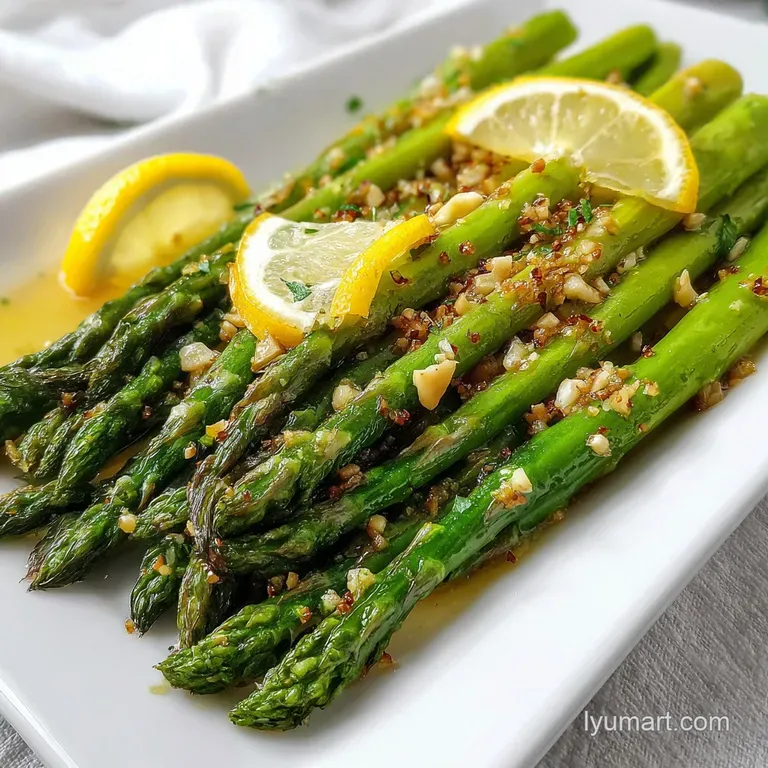
- Time: Active 5 minutes, Passive 10 minutes, Total 15 minutes
- Flavor/Texture Hook: Zesty, garlicky, and slightly charred with a salty parmesan finish
- Perfect for: Busy weeknight dinners or as a reliable side for Sunday roasts
- Easy Oven Cooked Asparagus with Lemon and Garlic
- Core Success Factors and Kitchen Logic
- Essential Timings and Cooking Specs
- Component Deep Dive and Ingredient Science
- Minimal Equipment for Daily Preparation
- Key Roasting Steps and Techniques
- Solving Common Texture Problems
- Reliable Ingredient Swaps and Substitutions
- Storage and Waste Prevention Tips
- Flavor Pairings and Serving Ideas
- Scaling Strategies for Larger Crowds
- Common Vegetable Roasting Myths Debunked
- Recipe FAQs
- 📝 Recipe Card
Easy Oven Cooked Asparagus with Lemon and Garlic
The sizzle of cold asparagus hitting a hot, oiled sheet pan is a sound I never get tired of hearing in my kitchen. I used to think the only way to eat these greens was steamed into a sad, grey mush, but that all changed when I accidentally left a batch in a hot oven for too long.
Instead of a disaster, I found spears with tips that would shatter like glass and stalks that held a tender, buttery center. This article shares a simple oven cooked asparagus with lemon and garlic recipe that's sure to become a new favorite.
It took me a few tries to realize that the secret isn't just the heat, it's the space you give the vegetables. I once crowded two pounds onto a tiny tray because I was too lazy to wash a second pan. The result was a soggy, steamed mess that lacked any of that signature roasted flavor.
Now, I'm religious about giving every spear its own personal bubble on the pan. It's the difference between a side dish people tolerate and one they actually fight over.
You don't need fancy tools or a culinary degree to get this right. We are leaning on basic pantry staples like olive oil, salt, and garlic to do the heavy lifting. By the time the kitchen starts smelling like a toasted lemon grove, you'll know you’re minutes away from a side dish that pairs with just about anything.
Let’s get into the specifics of why this method is a total win for your weeknight rotation.
Core Success Factors and Kitchen Logic
Roasted vegetables rely on a specific set of physical reactions to turn out right. When we talk about oven cooked asparagus with lemon and garlic, we are really talking about moisture management. If the water inside the vegetable escapes too slowly, it creates steam, which softens the cell walls too much.
High heat allows that moisture to evaporate quickly, letting the natural sugars on the surface caramelize before the inside turns to mush.
- over High heat Convection: Blasting the spears at 400°F (205°C) triggers the Maillard reaction, creating those dark, savory spots on the tips.
- Fat Conductivity: The 2 tbsp of extra virgin olive oil acts as a heat conductor, ensuring the heat from the pan and air reaches every crevice of the vegetable.
- Acid Balance: Adding the lemon juice at the very end prevents the acid from turning the bright green chlorophyll into a dull olive brown during the bake.
- Aromatic Infusion: The 3 cloves of minced garlic mellow out in the oil, losing their raw bite and becoming sweet and toasted.
| Method | Total Time | Resulting Texture | Best For |
|---|---|---|---|
| oven-roasted | 15 minutes | Snappy with charred tips | Deep flavor and hands off cooking |
| Stovetop Sauté | 8 minutes | Very crisp and bright | Quick meals with constant attention |
| Steaming | 5 minutes | Soft and uniform | low-fat diets or cold salads |
Roasting is my preferred choice because it develops a depth of flavor you just can't get in a steamer basket. The oven does all the work while you focus on the main course. If you are looking for a more varied tray, you might try a similar technique with my roasted vegetables recipe to clear out the crisper drawer.
Essential Timings and Cooking Specs
Precision matters when you are working with delicate greens. Asparagus can go from "perfectly al dente" to "unpleasant string" in a matter of sixty seconds. I recommend checking your oven temperature with a thermometer if you suspect it runs cool, as a lower heat will result in a longer cook time and a softer texture.
- Oven Temperature: 400°F (205°C) is the sweet spot for a 10 minute roast.
- Thickness Check: Thin spears (pencil size) need 8 minutes, while jumbo spears may need up to 12 minutes.
- Rest Time: Let the pan sit for 2 minutes before serving to let the internal juices redistribute.
| Servings | Asparagus Amount | Sheet Pan Size | Typical Cook Time |
|---|---|---|---|
| 2 People | 0.5 lb (225g) | Small (9x13) | 8-10 minutes |
| 4 People | 1 lb (450g) | Half Sheet (13x18) | 10-12 minutes |
| 8 People | 2 lb (900g) | Two Half Sheets | 12-14 minutes |
When scaling up for a crowd, never overlap the spears. If you have to stack them, they will steam instead of roast. Use two pans and rotate them halfway through the cooking time to ensure even heat distribution from the oven's heating elements.
Component Deep Dive and Ingredient Science
The quality of your produce is the biggest factor here. Look for spears with tight, closed tips that aren't starting to flower or look frayed. The base should be moist, not woody and dry. If the bottom looks like a pencil shaving, it’s probably been sitting on the shelf for too long.
The Produce
Using 1 lb of fresh asparagus (about 450g) is standard for a family side. I prefer medium thickness spears because they offer the best balance between a crunchy exterior and a tender heart. If you find very thin ones, keep a close eye on the oven to prevent them from drying out into sticks.
The Aromatics and Fats
We are using 2 tbsp of extra virgin olive oil and 1 tbsp of unsalted butter. The oil handles the high heat, while the butter adds a velvety richness that coats the tongue. The 3 cloves of minced garlic should be fresh, not the jarred kind, as the pre minced versions often have a metallic aftertaste that intensifies when heated.
The Seasoning
Sea salt (0.5 tsp) and cracked black pepper (0.25 tsp) are the basics. The 0.25 cup of shaved parmesan cheese adds a hit of umami and a salty "crunch" once it hits the hot vegetables. Finally, that 1 large lemon provides the essential hit of brightness that cuts through the fat.
| Ingredient | Science Role | Pro Secret |
|---|---|---|
| Extra Virgin Olive Oil | Heat Transfer | Use a high-quality oil for a peppery finish |
| Sea Salt | Moisture Extraction | Salt 1 minute before roasting to draw out surface water |
| Lemon Juice | Flavor Brightener | Always zest the lemon before juicing for double the aroma |
| Parmesan Cheese | Protein Crust | Use shaved, not grated, for better "melt ability" |
The science of salt is fascinating here. It doesn't just add flavor; it actually helps break down some of the tough pectin in the vegetable walls, making them easier to chew without losing their structure. Just don't go overboard, as the parmesan adds its own saltiness at the finish.
Minimal Equipment for Daily Preparation
One of the reasons I love this recipe is the cleanup. Or rather, the lack of it. You really only need a few basic items to get this from the fridge to the table. I'm a big fan of using a heavy duty rimmed baking sheet (often called a half sheet pan) because it doesn't warp under high heat.
- Large Rimmed Sheet Pan: Provides the surface area needed for roasting.
- Chef's Knife: Essential for a clean trim of the woody ends.
- Microplane or Zester: To get that fine lemon zest and garlic mince.
- Tongs: For tossing the spears halfway through without burning your fingers.
Chef's Note: If you want even easier cleanup, you can line the pan with parchment paper. However, for the absolute best char, roasting directly on the metal pan is the way to go because the metal conducts heat directly into the vegetable.
Key Roasting Steps and Techniques
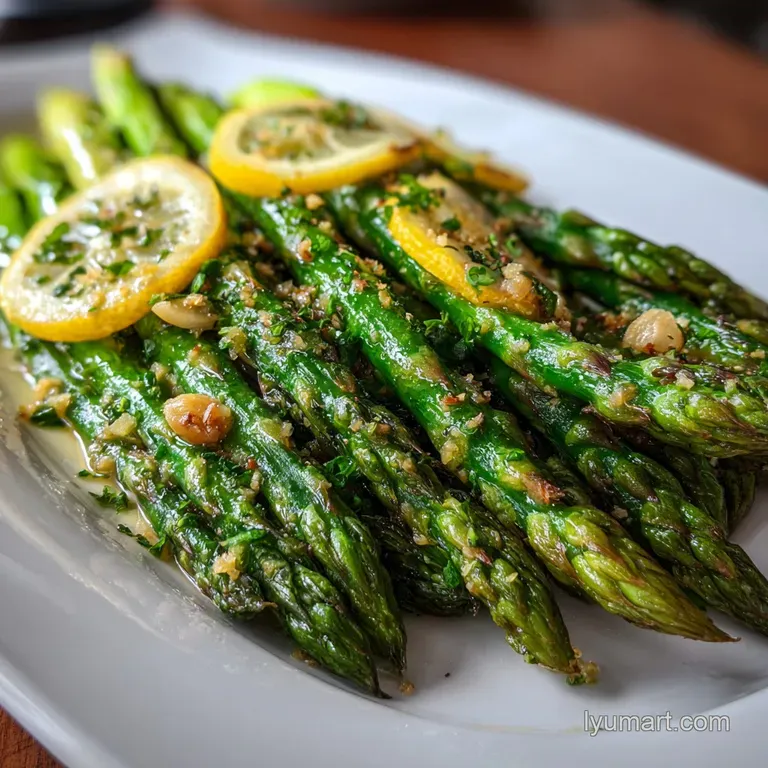
Preheat your oven to 400°F (205°C) before you even touch the vegetables. A hot start is non negotiable. If you put the pan in a cold oven, the asparagus will slowly warm up and lose its snap before the outside ever gets a chance to brown.
1. Prepping for Maximum Crispness
Wash the 1 lb of asparagus and pat it bone dry with a clean kitchen towel. Any water left on the surface will create steam. Trim the woody ends by finding the natural "snap" point -- usually about an inch or two from the bottom -- and cutting them all to that length.
2. Coating and Roasting
Place the spears on the sheet pan and drizzle with 2 tbsp of olive oil. Add the 3 cloves of minced garlic, 0.5 tsp sea salt, and 0.25 tsp pepper. Use your hands to massage the oil and aromatics into every spear. Spread them out in a single layer.
3. The Finishing Touches
Bake for 10 minutes until the tips are slightly browned and the stalks are tender. Remove the pan and immediately toss with 1 tbsp of butter, letting it melt over the heat. Squeeze the juice from half the lemon over the top and sprinkle with 0.25 cup of shaved parmesan.
The cheese will soften slightly but maintain its shape.
This quick process ensures the garlic doesn't burn to a bitter crisp, which can happen if it’s cooked for much longer. The butter adds a luxury feel that makes this feel like a restaurant side dish rather than a quick Tuesday night hack.
Solving Common Texture Problems
Asparagus is a bit of a diva. Sometimes it’s perfect, and sometimes it’s a stringy mess. Most of the time, the issue comes down to the age of the vegetable or the heat of the oven. If your spears are very thick, they have a thicker skin that might need a bit more oil to soften properly.
Preventing Soggy Vegetable Bottoms
If you pull your tray out and there is a pool of liquid, you likely overcrowded the pan. The water released from the vegetables had nowhere to go, so it sat there and simmered them. Next time, use two pans or a larger sheet to ensure there is at least a half inch of space between each spear.
Fixing Bitter Garlic Flavors
Garlic burns fast. If your garlic is turning black and tasting like ash, try tossing it with the oil and asparagus in a bowl first, then spreading it out. Alternatively, you can add the garlic halfway through the roasting time.
Adjusting for Different Spear Sizes
When you have a bunch with both fat and skinny spears, they won't cook at the same rate. I like to group the thick ones on the outer edges of the pan (where it's usually hotter) and the thin ones in the center.
| Problem | Root Cause | Solution |
|---|---|---|
| Limp Spears | Oven temp too low | Increase heat to 425°F (220°C) next time |
| Woody/Tough | Ends not trimmed enough | Use the "snap test" for every third spear |
| Bland Taste | Not enough acid | Add a splash of white balsamic or more lemon |
Common Mistakes Checklist: ✓ Pat the asparagus completely dry after washing (prevents steaming) ✓ Avoid the "pre minced" jarred garlic for better flavor ✓ Don't add the lemon juice before roasting (it ruins the color) ✓ Use a high smoke point oil like EVOO or avocado oil
✓ Ensure the oven is fully preheated before the pan goes in
Reliable Ingredient Swaps and Substitutions
Sometimes you realize the lemon you thought was fresh is actually a dried out rock, or you’re out of parmesan. Don't panic. This recipe is sturdy enough to handle a few changes without falling apart.
| Original Ingredient | Substitute | Why It Works |
|---|---|---|
| Parmesan Cheese | Nutritional Yeast | Provides a nutty, cheesy flavor. Note: Best for vegan diets |
| Butter | Ghee or Coconut Oil | High smoke point. Note: Adds a slightly different aroma |
| Fresh Lemon | Apple Cider Vinegar | Provides necessary acidity. Note: Use only 1 tsp as it is stronger |
If you want to try something even more decadent, you can substitute the parmesan for a sprinkle of feta or goat cheese after roasting. The heat from the asparagus will soften the cheese into a creamy sauce.
For those who enjoy a bit of heat, a pinch of red pepper flakes tossed in with the garlic adds a wonderful contrast to the citrus.
Storage and Waste Prevention Tips
Leftover roasted asparagus is surprisingly good, though it will never be quite as snappy as it was straight from the oven. You can keep it in an airtight container in the fridge for up to 3 days. I don't recommend freezing it; the high water content in the cells will expand and turn the vegetable into mush once thawed.
To reheat, avoid the microwave if you can. It turns the spears into rubber. Instead, throw them back on a hot sheet pan or in an air fryer at 350°F (175°C) for about 3 to 4 minutes. This helps bring back a little bit of that surface crispness.
For zero waste cooking, don't throw away those woody ends! You can't eat them as is, but they are packed with flavor. Throw them into a freezer bag and use them the next time you make a vegetable stock.
Or, peel the outer skin of the thicker ends with a vegetable peeler to reveal the tender core inside it's a bit of extra work, but it saves the whole spear.
Flavor Pairings and Serving Ideas
This dish is the ultimate "utility player" in your kitchen. It's bright enough to sit next to a heavy steak but light enough for a spring brunch. I often serve this alongside my Garlic Mashed Potatoes Recipe when I want a meal that feels cohesive and comforting.
The Perfect Weeknight Pairing
For a simple dinner, roast these spears alongside a piece of salmon or chicken breast. Since they cook in about 10 minutes, you can usually time them to finish right as your protein is done resting. The lemon and garlic flavors naturally complement almost any roasted meat.
The Elegant Brunch Addition
Top a plate of these roasted spears with a poached egg and a few extra shavings of parmesan. The runny yolk acts as a rich sauce that mingles with the lemon juice and butter. It's an easy way to make a weekend breakfast feel like a high end bistro meal.
Scaling Strategies for Larger Crowds
If you are cooking for a holiday dinner or a big family gathering, you'll need to double or triple the recipe. The main challenge here is oven space.
- Downscaling (1-2 people): Use a small toaster oven to save energy. Keep the cook time the same but check at 7 minutes since smaller batches can cook faster.
- Upscaling (8+ people): Use two separate sheet pans. Do not increase the salt and pepper linearly start with 1.5x the amount and adjust to taste at the end. You can always add more salt, but you can't take it away.
- Batch Cooking: If you only have one pan, roast in two batches. The first batch can be kept warm in a low oven (200°F/95°C) while the second cooks, though they may lose some snap.
Common Vegetable Roasting Myths Debunked
There are a lot of old wives' tales about cooking greens. Let's clear a few up so you can cook with confidence.
Myth: You must soak asparagus in water before roasting. Actually, soaking can make them waterlogged and prevent that beautiful char. A quick rinse and a thorough dry is all you need. The goal is to remove dirt, not hydrate the vegetable.
Myth: Peeling asparagus is mandatory for good texture. This is only true for massive, jumbo sized spears with very thick skins. For standard supermarket asparagus, peeling is a waste of time. The high heat of the oven is more than enough to soften the skin.
Myth: Olive oil is bad for roasting at 400°F. high-quality extra virgin olive oil has a smoke point around 375°F to 410°F. For a short 10 minute roast, it is perfectly stable and provides much better flavor than neutral vegetable oils.
Trust the process and your taste buds!
Recipe FAQs
What is the best temperature for oven cooked asparagus?
400°F (205°C) is the sweet spot. This high heat promotes caramelization and tender crisp results in about 10 minutes, creating those desirable charred tips.
How do I prevent my asparagus from becoming soggy?
Pat the asparagus completely dry and don't overcrowd the pan. Excess moisture on the surface steams the asparagus instead of roasting it, and crowding prevents air circulation, leading to sogginess.
Can I use frozen asparagus for this recipe?
No, stick with fresh. Frozen asparagus releases too much water upon thawing, making it nearly impossible to achieve a tender crisp texture and causing it to steam rather than roast.
How long does oven cooked asparagus last in the refrigerator?
Up to 3 days in an airtight container. While it will lose some of its snap, leftovers can be revived by reheating on a baking sheet or in an air fryer.
What's the best way to trim asparagus?
Find the natural snap point. Hold the spear about an inch or two from the bottom and bend it; it will break cleanly where the tender stalk meets the woody base. All spears will snap around the same place.
Can I add other vegetables to the pan with the asparagus?
Yes, with considerations for cooking time. For similar cooking vegetables, like zucchini or bell peppers cut into similar sized pieces, you can roast them together. Check out our One Pan Chicken and Vegetables: High Heat Roast for inspiration on combining ingredients for even cooking.
Why does my garlic taste bitter after roasting?
Garlic burns quickly at high temperatures. To prevent bitterness, toss the minced garlic with the olive oil and asparagus in a bowl before spreading on the pan, or add it halfway through the cooking time.
Oven Cooked Asparagus
Ingredients:
Instructions:
Nutrition Facts:
| Calories | 135 calories |
|---|---|
| Protein | 4.6 g |
| Fat | 11.2 g |
| Carbs | 6.4 g |
| Fiber | 2.4 g |
| Sugar | 2.1 g |
| Sodium | 378 mg |
