Over Easy Egg: Foolproof Method
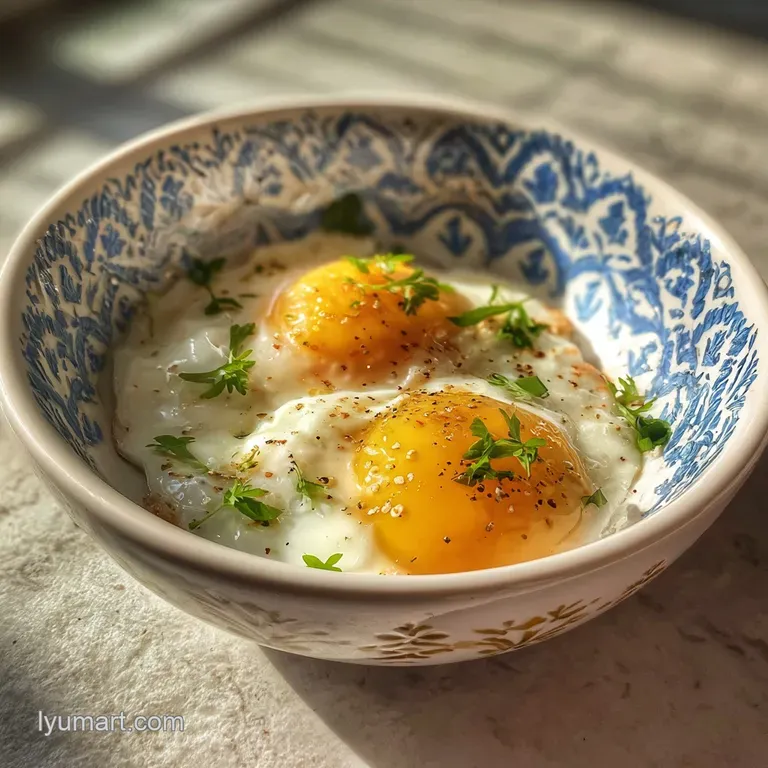
- Time: Active 1 min, Passive 2 mins, Total 3 mins
- Flavor/Texture Hook: Silky, liquid gold yolks with soft, buttery whites
- Perfect for: Quick weeknight "brinner" or a reliable beginner friendly breakfast
- Master the Perfect Over Easy Egg Every Single Morning
- The Science of Why it Works
- Key Specifications for Your Quick Two Minute Breakfast
- The Simple Building Blocks for a Silky Breakfast
- Essential Kitchen Gear for the Most Reliable Results
- Step by Step Instructions for a Flawless Egg Flip
- Common Mistakes and Troubleshooting Your Morning Eggs
- Creative Ingredient Twists and Smart Budget Swaps
- Practical Freezing and Reheating Guide for Busy Mornings
- Simple Presentation Tips for a Classic Family Meal
- The Truth About High Heat Frying
- Practical Scaling for Growing Families
- Recipe FAQs
- 📝 Recipe Card
Master the Perfect Over Easy Egg Every Single Morning
The sound of butter foaming in a small non stick pan is basically my morning meditation. There is nothing quite like the moment you slide a spatula under a shimmering white and realize you've achieved the perfect flip without piercing the yolk.
I used to be terrified of making an Over Easy Egg, thinking I’d surely end up with a mess of yellow goo, but it’s actually one of the most reliable ways to enjoy eggs once you know the secret to the sizzle.
If you have ever struggled with whites that stay snotty or yolks that cook through before you can even sit down, this guide is for you. We are going to focus on the balance of temperature and timing.
Trust me, once you see that yolk flow across your toast like liquid velvet, you will never go back to basic scrambled versions.
Speaking of variety, if you are looking for something even faster for those chaotic Mondays, you might want to try my Overnight Oats for recipe which is another one of my morning lifesavers. But for today, we are sticking to the skillet. Let's get into the mechanics of why this simple dish actually works.
The Science of Why it Works
Protein Coagulation: Egg whites (albumen) solidify at a lower temperature than yolks, allowing the whites to set while the center remains fluid. Thermal Carryover: The residual heat in the pan continues to cook the yolk even after you flip it, making the "easy" part of the name a matter of seconds.
| Method | Time | Texture | Best For |
|---|---|---|---|
| Stovetop | 2 mins | Crispy edges, runny center | Speed and classic flavor |
| Oven | 5 mins | Uniformly soft whites | Cooking for a crowd |
| Air Fryer | 4 mins | Firm exterior, jammy center | Hands off convenience |
Choosing the right method depends on how much attention you can give the stove. While the oven is great for making six eggs at once, the stovetop gives you that classic buttery flavor that simply cannot be replicated. It's the difference between a functional meal and a truly comforting one.
Key Specifications for Your Quick Two Minute Breakfast
This recipe is designed for a single serving, but it is incredibly easy to double if you are cooking for a partner or a hungry kid. The beauty of this dish is that it requires almost zero prep.
You are looking at a total of 3 mins from the moment you crack the shell to the moment you take your first bite.
The nutrition is straightforward too, coming in at about 123 kcal per serving. It's a high protein start that keeps you full without feeling heavy. I often find that using unsalted butter allows me to control the seasoning better with a pinch of sea salt at the very end.
The Simple Building Blocks for a Silky Breakfast
| Ingredient | Science Role | Pro Secret |
|---|---|---|
| 2 Large Eggs | Structural protein | Use room temperature eggs to prevent the pan temp from dropping. |
| 1 tbsp Unsalted Butter | Heat transfer & flavor | Wait for the foam to subside before adding the eggs. |
| Fine Sea Salt | Texture modifier | Adding salt early helps the proteins bond for a tender bite. |
Component Analysis and Substitutes
For this recipe, we are using exactly 2 Large Eggs and 1 tbsp Unsalted Butter. You'll also need 0.125 tsp Fine Sea Salt and 0.125 tsp Freshly Cracked Black Pepper to finish things off.
- 2 Large Eggs: The star of the show. Why this? Provides the ideal yolk to white ratio for a runny center.
- Substitute: Liquid egg whites (though you lose the runny yolk).
- 1 tbsp Unsalted Butter: Used for frying. Why this? Butter contains solids that brown slightly, adding a nutty aroma.
- Substitute: 1 tbsp Olive oil (adds a fruity note and crisper edges).
- Fine Sea Salt: For seasoning.
- Substitute: Kosher salt (use a slightly larger pinch for the same impact).
- Black Pepper: For a sharp finish.
- Substitute: White pepper (if you want a cleaner look without black specks).
Essential Kitchen Gear for the Most Reliable Results
You don't need fancy equipment, but a good non stick skillet is non negotiable here. I once tried making these in a stainless steel pan without enough fat, and let's just say the cleanup involved a lot of soaking and regret.
A small 8 inch pan is perfect for two eggs because it keeps the butter concentrated under the eggs rather than spreading out and burning.
A thin, flexible spatula (often called a fish turner) is your best friend. It slides under the delicate whites without tearing them. If you prefer a more set style, you might find this technique similar to how we handle the base in our Scrambled Eggs Recipe, where gentle movements are key to texture.
step-by-step Instructions for a Flawless Egg Flip
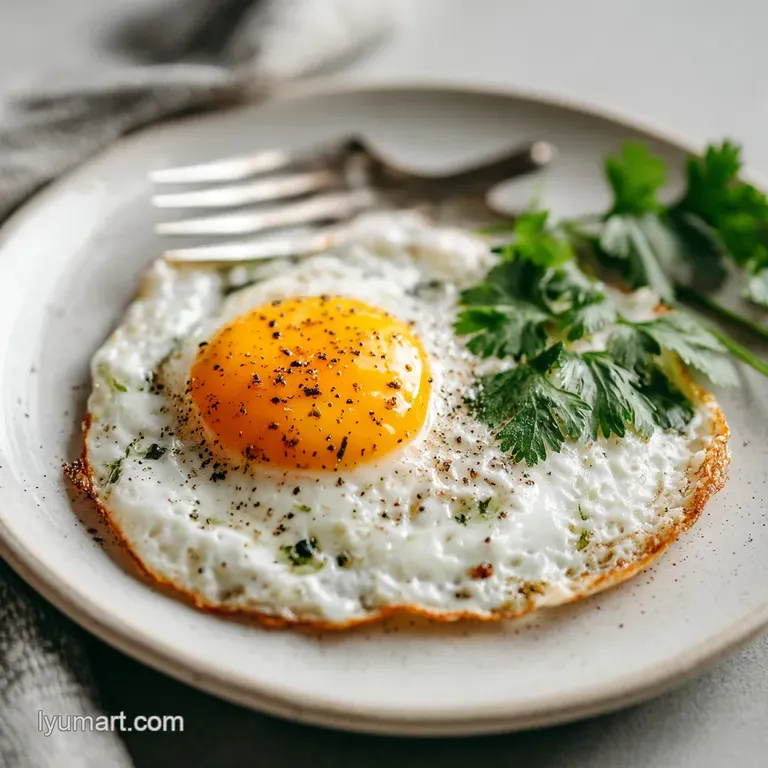
- Heat the pan. Place your skillet over medium low heat and add 1 tbsp Unsalted Butter. Note: Low and slow prevents the butter from burning.
- Wait for the sizzle. Let the butter melt until the foaming stops and it starts to shimmer.
- Crack the eggs. Gently crack 2 Large Eggs into the pan. Note: Crack them into a small bowl first to ensure no shells fall in.
- Season the base. Sprinkle 0.125 tsp Fine Sea Salt over the whites.
- Fry the first side. Cook for about 1 minute 30 seconds until the whites are opaque and set.
- The gentle flip. Slide your spatula under the yolk and quickly but gently flip the egg over.
- Flash cook. Cook for only 30 seconds on the second side until a thin film forms over the yolk.
- Remove from heat. Immediately slide the eggs onto a plate. Note: The yolk will continue to thicken if left in the hot pan.
- Final seasoning. Top with 0.125 tsp Freshly Cracked Black Pepper until the aroma hits your nose.
Common Mistakes and Troubleshooting Your Morning Eggs
The biggest heartbreak is a broken yolk. Usually, this happens because the pan wasn't "slippery" enough or the spatula was too thick. If you see the white sticking, add a tiny bit more butter right near the edge of the egg and tilt the pan so it slides underneath.
Why Your Eggs Stick
If the eggs aren't sliding freely, your pan heat might be too high, causing the proteins to bond too tightly to the surface. It could also be that your non stick coating is wearing thin.
| Problem | Root Cause | Solution |
|---|---|---|
| Rubbery Whites | Heat was too high | Reduce flame; use a heavier pan for even heat. |
| Broken Yolk | Rough flipping | Use a wider spatula and flip closer to the pan surface. |
| Greasy Texture | Butter didn't get hot enough | Ensure butter is shimmering before adding eggs. |
Common Mistakes Checklist
- ✓ Always use a non stick pan to ensure a clean release.
- ✓ Don't flip too early; wait for the whites to be completely white and firm.
- ✓ Use a thin spatula to get under the yolk without piercing the membrane.
- ✓ Crack eggs into a ramekin first to check for freshness and stray shells.
- ✓ Turn off the heat 10 seconds before you think they are done residual heat is real.
Creative Ingredient Twists and Smart Budget Swaps
If you are on a tight budget, you can swap the butter for bacon grease. It’s free if you’re already making bacon, and it adds an incredible smoky depth to the Over Easy Egg.
Just keep in mind that bacon grease has a lower smoke point and is saltier, so skip the extra sea salt until you’ve tasted the finished product.
Simple Flavor Variations
- The Cheesy Crust: Sprinkle a tablespoon of parmesan in the pan before cracking the egg. It creates a "frico" or crispy cheese skirt that is absolutely divine.
- Spiced Finish: Instead of black pepper, use a dash of smoked paprika or chili flakes for a budget friendly kick.
- Herb Infusion: Throw a sprig of fresh thyme into the butter while it melts to infuse the fat with earthy notes.
| Original Ingredient | Substitute | Why It Works |
|---|---|---|
| Unsalted Butter | Margarine | Higher water content. Note: Won't brown as nicely but saves money. |
| Fresh Black Pepper | Pre ground Pepper | Less punchy flavor. Note: Use slightly more to get the same heat. |
| Large Eggs | Medium Eggs | Same flavor. Note: Reduce cook time by 15 seconds to avoid overcooking. |
Practical Freezing and Reheating Guide for Busy Mornings
I'll be honest with you: eggs with runny yolks do not freeze well. The texture of the yolk changes during the freezing process, becoming chalky and unpleasant once thawed. If you have leftovers, your best bet is to store them in an airtight container in the fridge for no more than 24 hours.
To reheat, avoid the microwave at all costs! It will turn your beautiful runny yolk into a rubber ball in seconds. Instead, heat a tiny bit of butter in a pan over low heat, add the egg, and cover it with a lid for about 30 seconds. This gently warms it through without finishing the yolk.
Zero Waste Tips
If you find yourself with an extra cooked egg that you just can't finish, don't toss it. Chop it up and toss it into a bowl of leftover rice with a splash of soy sauce. It creates a quick, creamy fried rice vibe that is perfect for a zero waste lunch.
You can even use the discarded eggshells as fertilizer for your garden plants just crush them up and mix them into the soil for a calcium boost.
Simple Presentation Tips for a Classic Family Meal
A perfectly cooked egg is a work of art on its own, but a few small touches can make it look like it came from a professional kitchen. I love serving mine on a piece of thick cut sourdough toast that has been rubbed with a clove of raw garlic.
The warmth of the toast softens the garlic, and the runny yolk creates a built in sauce for the bread.
If you want to add some color without spending extra money, use the green tops of green onions. Most people throw them away, but thinly sliced, they add a fresh "pop" and a bit of crunch.
Arrange the eggs so they overlap slightly in the center of the plate, and always crack the pepper from a height to get an even, beautiful distribution across the whites.
The Truth About High Heat Frying
One big misconception is that you need a screaming hot pan to get "good" eggs. In reality, high heat just toughens the proteins, making the whites chewy like plastic. A moderate, steady heat allows the whites to cook through gently while the yolk stays perfectly protected.
Another myth is that you must use a lot of oil. While some diners deep fry their eggs, a single tablespoon of butter is more than enough to create a non stick barrier and provide that rich, savory flavor we love. The butter actually acts as an insulator, helping to distribute heat evenly across the bottom of the egg.
Practical Scaling for Growing Families
If you're cooking for four people, don't try to cram eight eggs into one pan. Work in batches of two. You can keep the finished eggs warm on a plate covered with foil, but they are best served immediately. If you must scale up, use two separate skillets.
When doubling the recipe, you don't actually need to double the butter. Often, 1.5 tablespoons is enough for four eggs in a larger 12 inch pan because the surface area of the eggs themselves helps move the fat around.
Just remember to keep your heat slightly lower on a larger burner to avoid hot spots in the center of the pan.
Recipe FAQs
What is an over easy egg?
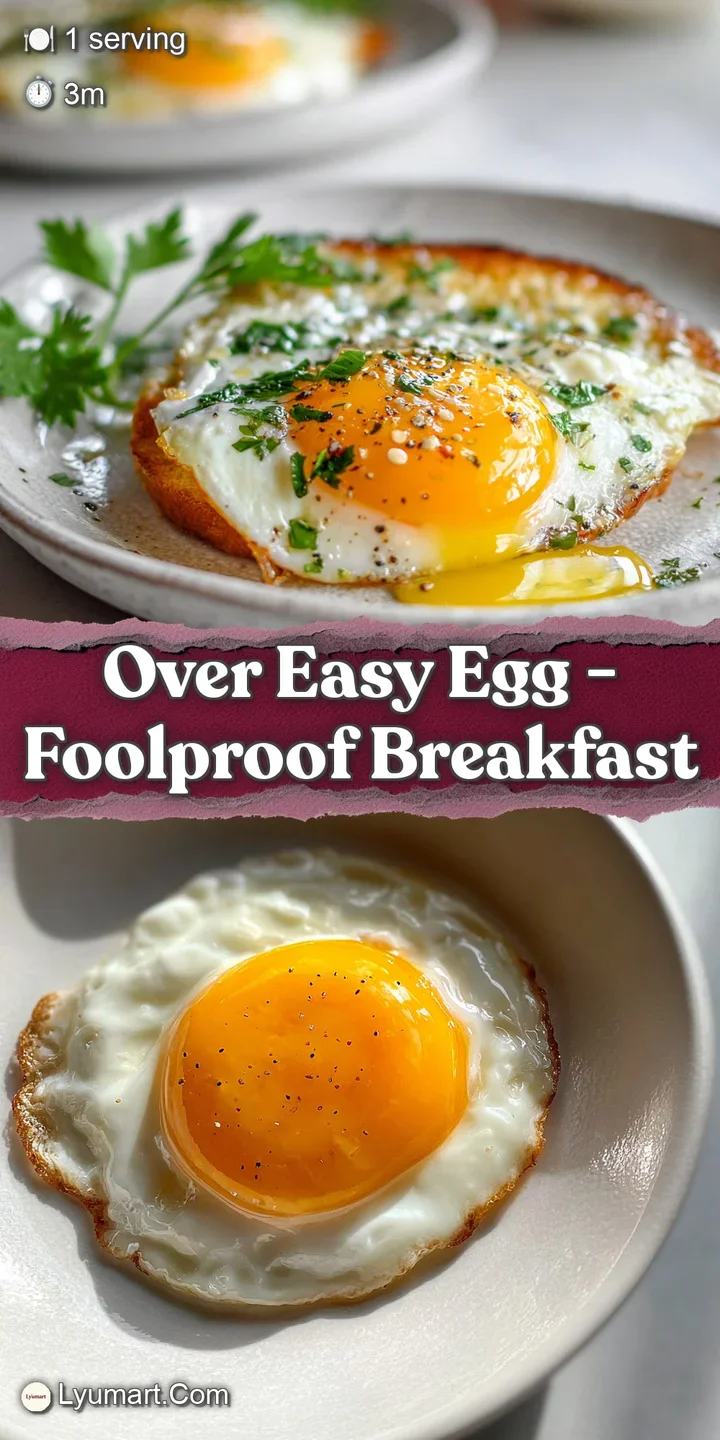
An over easy egg is fried on both sides with a runny yolk. The white is fully cooked and set, while the yolk remains liquid and warm.
Is over easy and sunny side up the same?
No, they are different, though related. Sunny side up eggs are only fried on one side and have a completely liquid yolk. Over easy involves a quick flip to lightly cook the yolk's surface.
What are the 4 types of fried eggs?
The four main types are sunny side up, over easy, over medium, and over hard. Sunny side up is cooked only on one side. Over easy has a quick flip to set the yolk slightly. Over medium has a thicker, jammy yolk. Over hard has a fully cooked, firm yolk.
Which is healthier, scrambled or over easy eggs?
Both are generally healthy; the preparation method matters most. An over easy egg with minimal added fat is very similar nutritionally to a scrambled egg made with a little oil or butter. Excessive added fats in either preparation will increase calorie and fat content.
How do I avoid breaking the yolk when flipping an over easy egg?
Use a thin, flexible spatula and a gentle, swift motion. Ensure the pan has enough fat for the egg to slide easily, and make sure the whites are mostly set before attempting the flip. If you enjoyed mastering delicate handling here, see how the same principle of gentle manipulation applies in our Chicken and Noodles: Creamy, Velvety Comfort.
What kind of pan is best for over easy eggs?
A good quality non-stick skillet is ideal. This ensures the delicate egg whites release easily without sticking or tearing. Using enough butter or oil also helps create a slippery surface for a perfect flip.
Can I add vegetables to my over easy eggs?
Yes, sautéing vegetables first can be a delicious addition. Cook finely chopped onions, peppers, or spinach until tender, then either cook your eggs alongside them or carefully slide them onto the eggs after frying. This technique is similar to how we achieve perfectly cooked components in our One Pan Chicken and Vegetables: High Heat Roast.
Over Easy Egg
Ingredients:
Instructions:
Nutrition Facts:
| Calories | 123 kcal |
|---|---|
| Protein | 6.3 g |
| Fat | 10.5 g |
| Carbs | 0.4 g |
| Fiber | 0 g |
| Sugar | 0.2 g |
| Sodium | 172 mg |
