Perfect Parmesan Garlic Bread Recipe
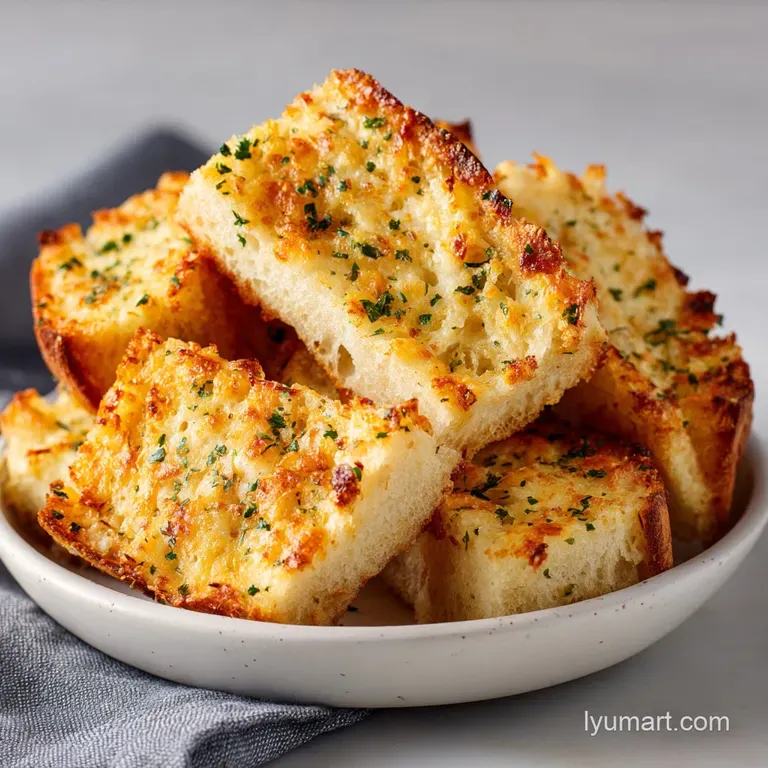
- Time: Active 15 minutes, Passive 15 minutes, Total 30 minutes
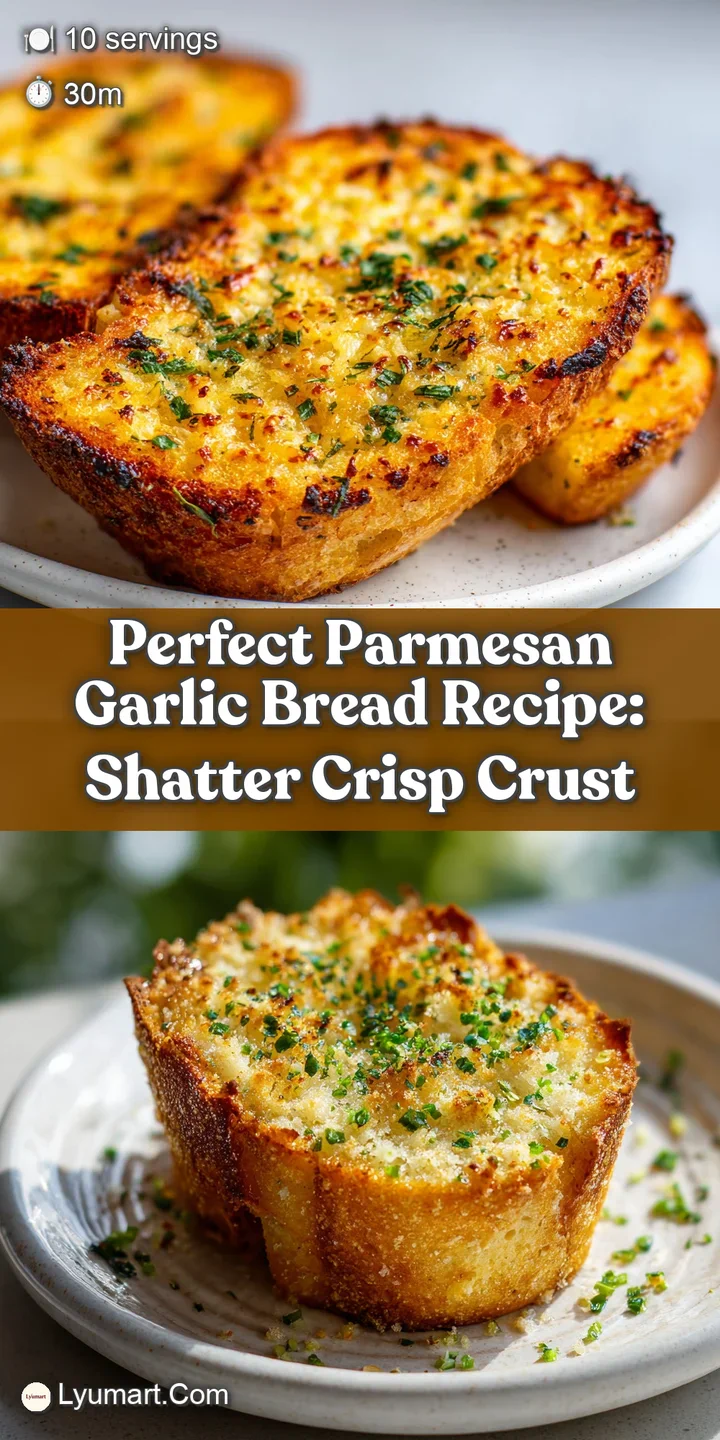
- Flavor/Texture Hook: Shatter crisp crust with a velvety, garlic soaked crumb
- Perfect for: Family pasta nights or a foolproof dinner party side
- Master the Perfect Parmesan Garlic Bread Recipe for Every Occasion
- Planning Your Timeline for This Ultimate Garlic Bread Loaf
- The Core Components Behind This Savory Side Dish
- Essential Tools for Crafting the Best Garlic Bread
- Troubleshooting Common Issues
- The Alchemy of Selecting Your Elements
- Step-by-Step Guide to Baking This Golden Masterpiece
- Common Pitfalls and How to Avoid Bread Disasters
- Troubleshooting Common Issues
- Creative Ways to Customize Your Garlic Herb Spread
- Storing and Reheating Your Leftover Garlic Slices
- Best Pairings to Serve with Your Cheesy Loaf
- Recipe FAQs
- 📝 Recipe Card
Master the Perfect Parmesan Garlic Bread Recipe for Every Occasion
The first time I really nailed this recipe, the aroma of toasted garlic and bubbling butter hit me before I even opened the oven door. It was a Tuesday night, I was exhausted, and I just wanted something comforting to go with a big bowl of spaghetti.
I remember the specific "crrr ack" sound the French loaf made as the serrated knife slid through the crust - it wasn't just toasted bread, it was something much more intentional.
We've all had those garlic breads that are either a soggy mess in the middle or so hard they scrape the roof of your mouth. I spent a whole month testing different ratios of butter to oil because I was tired of "okay" bread.
This version, which I’m sharing with you today, uses a specific blend of fats and a two stage baking process that ensures every single bite is packed with flavor. Trust me, once you see those red pepper flakes dancing in the melted cheese, you'll never go back to the frozen stuff.
This is more than just a side dish; it’s a total mood shifter. Whether you're serving it alongside a Creamy Garlic Pasta Recipe or just eating a slice over the sink while the kids are playing, it hits the spot. It’s foolproof, classic, and exactly what your family deserves.
Planning Your Timeline for This Ultimate Garlic Bread Loaf
Getting the timing right is the secret to serving bread that is still warm and flexible when it hits the table. I like to prep the butter mixture while the oven is preheating to 400°F (200°C), which takes about 10 to 15 minutes.
This gives the garlic a chance to "mellow" in the fats before it ever touches the heat.
The Chemistry of the Golden Crunch
Emulsified Fat Barrier: Mixing olive oil with softened butter creates a higher smoke point, allowing the bread to crisp without the butter solids burning too quickly. This ensures a deep golden color and a complex flavor profile rather than a bitter, charred taste.
| Cooking Method | Total Time | Texture Outcome | Best For |
|---|---|---|---|
| Standard Oven | 15 minutes | Uniformly crisp crust, soft center | Large family gatherings |
| Stovetop Griddle | 8 minutes | Charred, smoky spots, very soft | Quick lunch for two |
| Air Fryer | 6 minutes | Extremely crunchy, less soft middle | Single servings or snacks |
If you are looking for a main course to match this intensity, you might want to try an Irresistible Garlic Parmesan recipe that carries those same bold notes through the whole meal. It makes the kitchen smell like a dream and keeps the theme consistent.
The Core Components Behind This Savory Side Dish
The magic happens in the "Component Analysis" of what we're putting on that French loaf. We aren't just slapping on some garlic powder; we are building layers of flavor that interact with the starch of the bread.
| Ingredient | Science Role | Pro Secret |
|---|---|---|
| Salted Butter (1/2 cup) | Provides fat for the Maillard reaction | Use room temp butter to ensure it whips into the oil properly |
| Olive Oil (2 tbsp) | Lowers the viscosity of the spread | EVOO adds a peppery finish that balances the rich dairy |
| Fresh Garlic (5 cloves) | Releases sulfur compounds for pungency | Mince it yourself; the pre jarred stuff lacks the vital oils |
| Parmesan (1/2 cup) | Creates a protein rich, salty crust | Grate it fine so it melts into the butter rather than sitting on top |
When you mix these together, you aren't just making a topping. You are making an infusion. The fats act as a carrier for the garlic and oregano, driving those flavors deep into the pores of the French loaf.
Essential Tools for Crafting the Best Garlic Bread
You don't need a professional kitchen, but a few specific tools make this "Perfect Parmesan Garlic Bread Recipe" much easier to execute. First, a heavy duty rimmed baking sheet is non negotiable. It distributes heat evenly so the bottom of your loaf doesn't burn before the top is bubbly.
Troubleshooting Common Issues
| Issue | Solution |
|---|---|
| Why use a blend of salted butter and extra virgin olive oil | I get asked this all the time. Butter provides that classic, creamy flavor we crave, but olive oil adds a certain "slickness" and a higher smoke point. By combining them, you get the best of both worl |
| How does freshly grated Parmesan create a better crust | Pre shredded cheese is often coated in potato starch or cellulose to keep it from clumping in the bag. That's great for the bag, but terrible for your bread because it prevents the cheese from melting |
| Why is the "Double Bake" method essential | We start by wrapping the loaf or keeping the halves close together to steam the interior, then we open it up to blast the top with dry heat. This ensures the bread isn't a crouton all the way through; |
The Alchemy of Selecting Your Elements
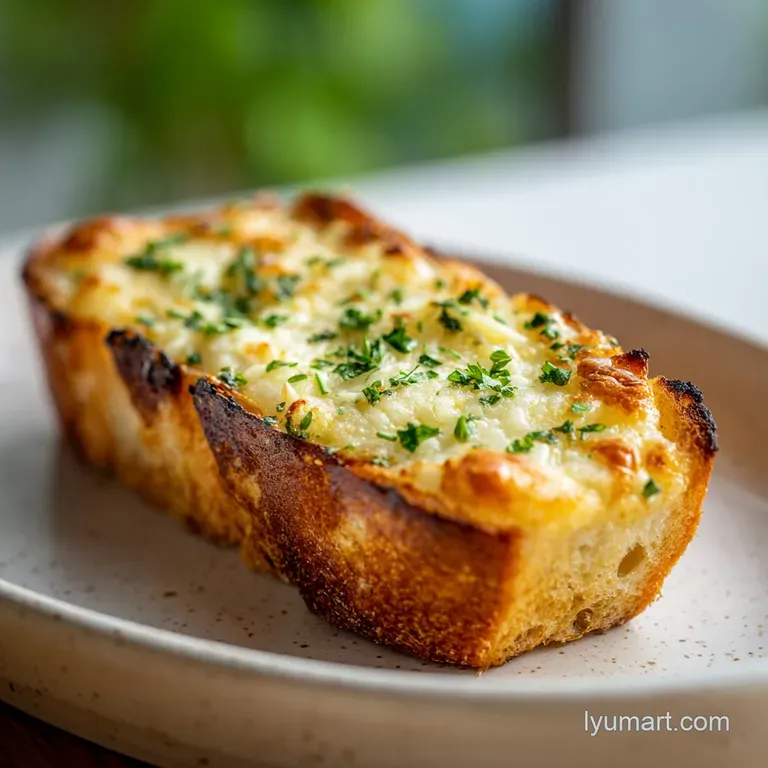
Before we get to the oven, let's look at the lineup. I’ve found that using the right bread is half the battle. You want a 16 oz French loaf because it has a thinner, more flexible crust than a sourdough or a rustic Italian loaf, which can get too tough when double baked.
- 1 large (16 oz/450g) French Loaf: This is your canvas. Why this? It has a soft crumb that soaks up butter like a sponge.
- 1/2 cup (115g) Salted Butter: Softened to room temperature. Why this? Salted butter enhances the aromatic garlic much better than unsalted.
- 2 tbsp Extra Virgin Olive Oil: Use the good stuff if you have it. Why this? Adds a fruity undertone and improves the spreadability of the mixture.
- 5 cloves Fresh Garlic: Finely minced. Why this? Fresh garlic has "bite" and heat that powder simply cannot replicate.
- 1/2 cup Freshly grated Parmesan cheese: The salty soul of the dish. Why this? It provides the structural "crunch" on the surface.
- 1 tbsp Fresh Italian Parsley: Finely chopped. Why this? Adds a pop of color and a fresh, grassy finish.
- 1 tsp Dried Oregano: For that classic pizzeria aroma. Why this? Dried herbs hold up better under the high heat of the oven.
- 1/2 tsp Red pepper flakes: Adjust to your heat preference. Why this? It cuts through the richness of the fats.
- 1/4 tsp Cracked black pepper: Just enough for a little kick. Why this? Adds depth to the savory notes of the cheese.
| Original Ingredient | Substitute | Why It Works |
|---|---|---|
| French Loaf | Ciabatta | Larger holes trap more butter, but the crust will be much harder |
| Parmesan Cheese | Pecorino Romano | Harder, saltier profile. Note: Reduce added salt if the butter is very salty |
| Fresh Parsley | Dried Parsley | Use 1/3 the amount. It won't be as vibrant but the flavor is stable |
step-by-step Guide to Baking This Golden Masterpiece
Let's get into the flow of the kitchen. This recipe is all about the "prep then blast" approach.
- Preheat your oven. Set it to 400°F (200°C) and place a rack in the center. Note: This temperature is the "sweet spot" for melting cheese without burning the bread.
- Combine the fats. In a medium bowl, mash the 1/2 cup softened butter with the 2 tbsp olive oil using a fork until smooth.
- Add the aromatics. Stir in the 5 minced garlic cloves, dried oregano, red pepper flakes, and black pepper.
- Fold in the cheese. Mix in 1/4 cup of the Parmesan and the fresh parsley. Keep the remaining 1/4 cup Parmesan for the final topping.
- Prep the loaf. Slice the French loaf in half lengthwise using a serrated knife. Work slowly to keep the halves even.
- Spread the love. Slather the garlic butter mixture generously across both cut sides of the bread, going all the way to the edges. Note: The edges are where the best crunch happens.
- Initial Bake. Place the halves back together (like a sandwich) and wrap the loaf in foil. Bake for 10 minutes until the butter is completely melted into the crumb.
- The Reveal. Remove the loaf, open it up, and place the halves face up on the baking sheet. Sprinkle the remaining 1/4 cup Parmesan over the top.
- The Crisp. Return to the oven for 5 minutes (or broil for 1-2 mins) until the cheese is bubbling and golden brown.
- Final Slice. Let it rest for 2 minutes, then slice into 2 inch thick pieces while you hear that satisfying shatter of the crust.
Common Pitfalls and How to Avoid Bread Disasters
Even a simple "Perfect Parmesan Garlic Bread Recipe" can go sideways if you aren't careful with the heat or the moisture.
Troubleshooting Common Issues
| Issue | Solution |
|---|---|
| Why did my garlic turn bitter | This usually happens if you mince the garlic too far in advance or if it burns under the broiler. Garlic contains enzymes that create harsh flavors once the cell walls are broken. If you see the garli |
| Fix a soggy bottom | A soggy bottom is usually caused by too much oil or not enough heat from the bottom of the pan. If you find your bread is soft on the bottom, try moving the baking sheet to the lowest rack for the las |
| My butter is too cold to spread | We've all been there - you forgot to take the butter out of the fridge. Don't microwave it until it's a liquid! Instead, grate the cold butter with a cheese grater. The small shreds will soften almost |
Common Mistakes Checklist
- ✓ Never use margarine; the water content is too high and will make the bread limp.
- ✓ Don't skip the resting period; let the fats "set" for 2 minutes before slicing so they don't run out.
- ✓ Avoid the broiler if you are easily distracted - 30 seconds is the difference between golden and charcoal.
- ✓ Check your garlic cloves for green sprouts; remove them as they carry a bitter, sharp taste.
Creative Ways to Customize Your Garlic Herb Spread
While I'm a purist for the "Perfect Parmesan Garlic Bread Recipe", sometimes you want to mix it up. My husband loves it when I add a smear of mayonnaise to the butter mixture. It sounds weird, but the egg in the mayo helps the cheese brown beautifully and creates an almost soufflé like topping.
Can I turn this into a Roasted Garlic Parmesan Bread?
Absolutely. If you have a head of roasted garlic in the fridge, mash that into the butter instead of the raw minced cloves. It will give the bread a much sweeter, mellow, and "nutty" flavor profile. You might want to double the amount of roasted garlic since it's less pungent than raw.
What is the best way to add more cheese?
If you want that Instagram worthy cheese pull, add 1/2 cup of shredded low moisture mozzarella along with the Parmesan in the final 5 minutes of baking. The Parmesan provides the flavor, and the mozzarella provides the stretch.
Storing and Reheating Your Leftover Garlic Slices
If you actually have leftovers (a rare occurrence in my house), they store surprisingly well. Wrap the cooled slices tightly in foil and keep them in the fridge for up to 3 days.
To reheat, never use the microwave. It will turn your beautiful bread into a chewy, rubbery mess. Instead, put the slices back on a baking sheet at 350°F (180°C) for about 5 to 8 minutes. This will re crisp the crust and melt the fats again.
For zero waste, take any tiny leftover crumbs or hard ends and pulse them in a food blender. You now have the best "garlic parmesan breadcrumbs" in the world to top a mac and cheese or a salad. You can also freeze the unbaked loaf!
Just spread the butter on, put the halves back together, wrap tightly in plastic wrap and foil, and freeze for up to 2 months. Bake directly from frozen, adding about 10 minutes to the foil wrapped stage.
Best Pairings to Serve with Your Cheesy Loaf
This bread is a star, but it loves a supporting cast. I usually serve it with a heavy pasta dish or a hearty soup where it can act as a vehicle for the sauce. It's the ultimate "mop" for a red sauce or a creamy alfredo.
If you’re doing a full Italian night, this bread goes beautifully with a Juicy Garlic Parmesan recipe for meatloaf. The savory, herb heavy notes in the meat complement the buttery crunch of the bread perfectly. For a lighter option, try it with a simple arugula salad with a lemon vinaigrette - the acidity of the salad cuts right through the rich, garlicky fat of the bread.
Whatever you do, make sure you serve it while it's still warm enough for the butter to be "active." There is nothing quite like pulling apart a warm slice and seeing that steam rise up, carrying the scent of oregano and roasted garlic across the room. Enjoy every bite!
Recipe FAQs
Can I use store-bought garlic spread instead of making the fresh mixture?
No, the fresh mixture is essential for texture. store-bought spreads often contain stabilizers that prevent the butter and oil from emulsifying correctly, resulting in a soggy rather than crispy crust.
How do I prevent the bottom of the bread from becoming greasy or soggy?
Bake the loaf wrapped in foil first, then unwrapped. Wrapping traps steam initially to cook the interior crumb, and exposing the bottom later allows moisture to evaporate before the final crisping phase.
What is the key technique to achieve that "shatter" crisp crust?
Utilize the double fat method and high heat broiling on top. The combination of butter and oil creates a lower viscosity spread that penetrates the crust better, and the final blast of dry heat locks in the crunch. If you enjoyed mastering temperature control here, see how the same precision works for a perfect Steak Sandwich Recipe.
Is it true that using low-moisture mozzarella ruins the Parmesan flavor?
No, adding mozzarella offers a textural benefit, not a flavor conflict. Add about a half cup of low-moisture mozzarella during the last 5 minutes; the Parmesan provides the sharp taste while the mozzarella delivers that desired stretchy pull.
How long should I bake the loaf wrapped in foil during the initial stage?
Bake wrapped for exactly 10 minutes. This steams the interior, ensuring the bread absorbs the garlic butter without the exterior hardening prematurely. If you are looking for main dishes that pair well with this robust side, consider making a Cheeseburger Casserole for recipe night.
What temperature is best for reheating leftover garlic bread slices?
Reheat at 350°F (180°C) on a baking sheet for 5 to 8 minutes. Avoid the microwave entirely, as it destroys the texture by turning the crisp crust soft and chewy.
Why must I use freshly grated Parmesan cheese for the topping?
Pre-shredded cheese contains anti caking agents that inhibit proper melting. Freshly grated Parmesan melts uniformly, creating a continuous, crispy, browned cheese layer rather than gritty clumps.
Parmesan Garlic Bread Perfection
Ingredients:
Instructions:
Nutrition Facts:
| Calories | 250 kcal |
|---|---|
| Protein | 5.7 g |
| Fat | 14.5 g |
| Carbs | 24.3 g |
| Fiber | 0.9 g |
| Sugar | 1.1 g |
| Sodium | 397 mg |
