Baked Potato at 400 Degrees with Sea Salt
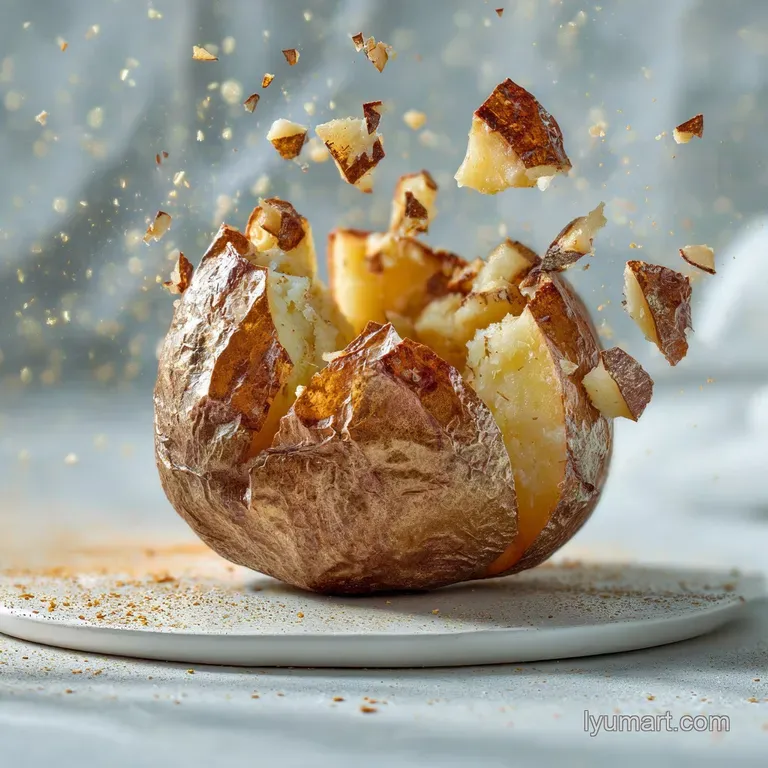
- Time: Active 5 minutes, Passive 60 minutes, Total 1 hours 5 mins
- Flavor/Texture Hook: A savory, sea salt-encrusted exterior with a velvety, light center.
- Perfect for: Busy weeknights, steak dinners, or a simple vegetarian main.
- Why High Heat Creates Better Potatoes
- Timing and Texture Success Benchmarks
- Simple Pantry Staples You'll Need
- Minimal Tools for Reliable Results
- Easy Steps for Crispy Skins
- Fixing Common Texture and Baking Issues
- Proper Scaling for Larger Crowds
- Debunking Common Potato Preparation Myths
- Simple Swaps for Special Diets
- Storing and Reheating Leftover Potatoes
- Serving Ideas for a Full Meal
- Very High in Sodium
- Recipe FAQs
- 📝 Recipe Card
I remember the first time I actually got this right. For years, I did what my mom did wrapped the tubers in aluminum foil like little silver burritos. I thought I was being "fancy" and keeping them moist. Instead, I always ended up with soggy, gray skin that peeled off in sad, wet strips.
It wasn't until I visited a steakhouse and saw how their potatoes practically glowed with salt and stayed incredibly crisp that I realized I was doing it all wrong.
The secret was simple but felt rebellious at the time: ditch the foil and crank up the heat. When you let the potato breathe in a hot oven, the skin dehydrates into a salty crust while the inside steams in its own natural jacket.
This article shares the secret to achieving perfectly fluffy Baked Potato at 400 Degrees with Sea Salt every time. Once you hear that first crunch under your knife, you'll never go back to those foil wrapped decoys.
It's the ultimate low effort, high reward meal for anyone who loves classic comfort food. We've all been there, staring at a bag of Russets on a Tuesday night wondering if we have the energy for a real dinner. With this method, the oven does 95% of the work.
You just need a little oil, some salt, and the patience to let the heat work its magic.
Why High Heat Creates Better Potatoes
When we talk about the Baked Potato at 400 Degrees, we're looking for a specific textural contrast. At this temperature, the water inside the potato turns to steam rapidly.
This pressure pushes outward, stretching the starch granules and creating that sought after "fluffy" texture rather than a dense, waxy one. It's about getting the internal temperature high enough to swell those starches without burning the skin before the center is soft.
- Starch Gelatinization
- High heat causes starch granules to absorb moisture and swell, creating a light, airy crumb.
- Dehydration Crust
- The 400 degree air evaporates surface moisture, allowing the skin to crisp up rather than steam.
- Maillard Reaction
- At this heat, the natural sugars in the potato skin react with the heat to develop a deeper, toasted flavor.
| Method | Total Time | Texture | Best Use Case |
|---|---|---|---|
| Foil Wrapped | 1 hours 15 mins | Soft, steamed skin | Transporting to a picnic |
| 400° Open Air | 1 hours | Shatter crisp skin | The classic steakhouse experience |
| Microwave | 10 minutes | Gummy, dense | Extreme emergencies only |
Choosing the right method depends on how much you value that outer crunch. For most of us, the open air bake is the gold standard because it treats the potato like a piece of sourdough bread hard on the outside, soft on the inside. If you enjoy this texture, you'll love my Baked Potato with recipe.
Timing and Texture Success Benchmarks
Cooking a Potato at 400 Degrees with Sea Salt isn't just about the clock; it's about the feel. While 60 minutes is the standard, variations in potato size can shift your timeline.
You're looking for a potato that yields easily when squeezed please use a kitchen towel or oven mitt and an internal temperature that hits the sweet spot.
The Mechanics of Steam Expansion
The reason we don't just blast these at 500 degrees is balance. We need enough time for the heat to penetrate the dense center of a large Russet. If the oven is too hot, the outside chars before the inside finishes its transformation.
If it's too low, like 325 degrees, the skin gets leathery and tough because it sits in the heat too long without the moisture evaporating quickly enough.
| Component | Science Role | Pro Secret |
|---|---|---|
| Russet Potato | High starch content | Choose potatoes that feel heavy for their size |
| Sea Salt | Draws out moisture | Coarse grains provide a better "shatter" texture |
| Olive Oil | Heat conductor | Apply after drying the skin for maximum adhesion |
The salt isn't just for flavor. It acts as a desiccant, pulling the last bits of moisture from the surface cells of the skin. This is how you get that professional, seasoned look that makes the potato look like it came out of a high end kitchen.
Simple Pantry Staples You'll Need
We are keeping things minimal here because the potato should be the star. You don't need a long list of ingredients to make this work, but the quality of what you use matters. Make sure your oil is fresh and your sea salt is coarse.
- 4 large Russet potatoes (approx. 11 oz each): Why this? Russets have the high starch needed for a fluffy, non waxy interior.
- Substitute: Yukon Gold (Result: Creamier but less fluffy)
- 2 tablespoons extra virgin olive oil: Why this? Acts as the "glue" for seasonings and helps the skin crisp.
- Substitute: Avocado oil (Works well for even higher heat)
- 1 tablespoon coarse sea salt: Why this? Provides texture and a pop of flavor on the skin.
- Substitute: Kosher salt (Avoid fine table salt as it's too salty)
- 1 teaspoon cracked black pepper: Why this? Adds a subtle earthy heat to the exterior.
- Substitute: White pepper (For a milder, floral heat)
- 1/2 teaspoon garlic powder: Why this? Adds a savory, umami depth to the salty crust.
- Substitute: Onion powder (Gives a sweeter, savory note)
For those nights when you want something even creamier, my Mashed Potatoes in recipe are a great alternative. But for a true Baked Potato at 400 Degrees with Sea Salt, these five ingredients are all you need for success.
Minimal Tools for Reliable Results
You don't need a kitchen full of gadgets for this. In fact, using fewer tools often leads to better results because there's less to clean and fewer places for moisture to hide. A simple baking sheet is your best friend here, though I have a little trick for those who want 360 degree crispness.
The most important "tool" is actually your oven's air circulation. If you have a wire cooling rack, place it on top of your baking sheet. This allows the hot air to flow under the potato, meaning you don't have to flip them halfway through.
If you don't have one, don't sweat it just placing them directly on the rack (with a pan below to catch drips) works brilliantly too.
- Baking Sheet: To catch any stray salt or oil.
- Wire Cooling Rack (Optional): For maximum airflow.
- Fork: To vent the potatoes and prevent "tuber explosions."
- Pastry Brush or Hands: To coat the skins evenly.
- Instant read Thermometer: The only way to be 100% sure of doneness.
Easy Steps for Crispy Skins
- Preheat your oven to 400 degrees. Note: A fully preheated oven is vital for that immediate sear.
- Scrub the 4 large Russet potatoes under cold water. Ensure they are bone dry before proceeding to prevent steaming.
- Pierce each potato 5-6 times with a fork. Note: This allows steam to escape so the potato doesn't burst.
- Rub the 2 tablespoons extra virgin olive oil over every inch of the skins. Listen for a slight sizzle as the oil coats the surface.
- Mix the 1 tablespoon coarse sea salt, 1 teaspoon cracked black pepper, and 1/2 teaspoon garlic powder.
- Roll each oiled potato in the seasoning mix until evenly coated.
- Place potatoes on a wire rack set over a baking sheet.
- Bake for 60 minutes. Wait until the skins look papery and dark.
- Check the internal temperature; it should be between 205°F and 212°F.
- Squeeze the sides gently (with a towel) to "pop" the steam. Watch for the fluffy white interior to bloom.
Chef's Tip: If you want the skin to be even saltier, spray the potatoes with a little water halfway through and sprinkle an extra pinch of salt. The water helps the new salt stick to the already hot oil.
Fixing Common Texture and Baking Issues
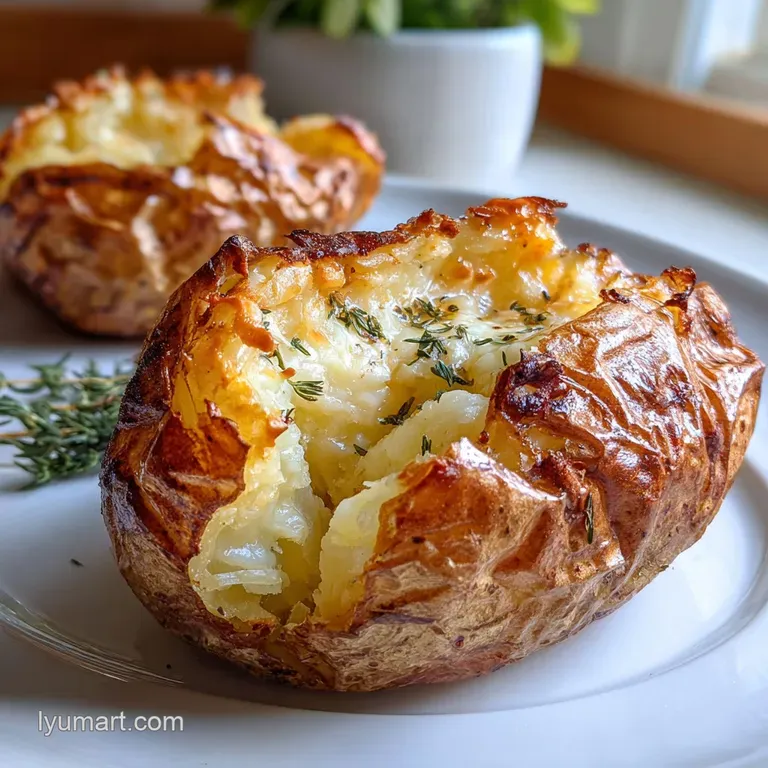
Even a simple Baked Potato at 400 Degrees can go sideways if the conditions aren't right. The most common heartbreak is a potato that looks beautiful but feels like a rock in the middle. Usually, this is a matter of time or a "liar" oven that isn't actually as hot as the dial says.
Why Your Potato Has Leathery Skin
This usually happens when the potato is cooked at too low a temperature for too long. The skin slowly loses moisture but doesn't "fry" in the oil. To fix this, ensure you are truly at 400 Degrees with Sea Salt and not accidentally at 350.
If the skin is tough, try increasing the oil amount next time to create a more protective, fry like barrier.
Avoiding the Gummy Center
A gummy interior is the result of undercooking. The starches haven't had enough heat to fully burst and separate. This is why I swear by a thermometer. If your potato is 190°F, it will be dense. At 205°F, it's a cloud.
| Problem | Root Cause | Solution |
|---|---|---|
| Soggy Skin | Using foil or damp potatoes | Remove foil; dry potatoes thoroughly before oiling |
| Burnt Bottom | Direct contact with hot pan | Use a wire rack for better airflow |
| Hard Center | Potato was too large for the time | Extend bake time by 10-15 minutes |
Common Mistakes Checklist:
- ✓ Never skip the fork pokes; steam needs an exit strategy.
- ✓ Avoid the temptation to wrap them in foil for "neatness."
- ✓ Don't crowd the pan; give each tuber at least two inches of space.
- ✓ Verify your oven temp with a secondary thermometer if things feel slow.
- ✓ Pat the potatoes dry with a paper towel water is the enemy of crispiness.
Proper Scaling for Larger Crowds
If you are cooking for a big family dinner or a holiday, you can easily double or triple this recipe. The main constraint is your oven space. When you have 12 potatoes in the oven instead of 4, the total moisture level in the oven rises significantly.
This can lead to a "steaming" effect that ruins the crisp skin we worked so hard for.
To fix this, I recommend using two separate baking sheets and rotating them halfway through the bake. You might also need to add 10 minutes to the total time because the oven's temperature will drop more significantly when you open the door to load it up.
Don't double the salt exactly start with 1.5 times the amount and add more if needed, as salt can become overwhelming in large batches.
Debunking Common Potato Preparation Myths
There is a big myth that you need to soak potatoes in salt water before baking to get them fluffy. While this works for French fries to remove surface starch, it's unnecessary for a whole baked potato.
The high heat of a Jacket potato oven temp 400 is enough to handle the internal moisture without a pre soak.
Another myth is that "oil prevents the skin from getting crispy." Actually, oil conducts heat better than air. It helps the surface of the potato reach a higher temperature faster, which is exactly what creates that fried skin texture. Without oil, the skin just becomes dry and dusty rather than crisp and savory.
Simple Swaps for Special Diets
The beauty of the Sea salt baked potato recipe is that it's naturally vegan and gluten-free. It's one of those rare dishes that everyone can eat without modification. However, if you are looking for specific nutritional profiles, there are ways to tweak the ingredients.
| Original Ingredient | Substitute | Why It Works |
|---|---|---|
| Extra Virgin Olive Oil | Ghee or Clarified Butter | Higher smoke point and adds a rich, nutty flavor |
| Russet Potato | Sweet Potato | Note: Will be much softer and won't get a "crackling" skin |
| Garlic Powder | Smoked Paprika | Adds a deep, wood fired aroma without the garlic breath |
If you're looking for a lower fat option, you can technically bake them dry, but you will lose that signature Degrees with Sea Salt crunch. I'd suggest using a light oil spray instead of a full rub if you want to cut back on calories without sacrificing the texture entirely.
Storing and Reheating Leftover Potatoes
If you have leftovers, don't just throw them in a plastic bag. The moisture will migrate from the center to the skin, turning your crisp masterpiece into a soggy mess. Store them in a container with a loose lid or a paper bag in the fridge for up to 4 days.
For reheating, the microwave is your enemy. It will make the potato rubbery. Instead, put the potato back in a 400 degree oven or an air fryer for 10 minutes. This will re crisp the skin and heat the center without changing the texture of the starch.
To reduce waste, if you have a potato that's past its prime, scoop out the insides to make a quick version of my Boiled Potatoes for recipe. You can also chop up the skins and fry them in a pan for "potato skin croutons" to top a salad.
Serving Ideas for a Full Meal
While a Baked Potato at 400 Degrees is a meal on its own when stuffed with broccoli and cheese, it's also the perfect partner for protein. It balances out the richness of a ribeye or the saltiness of roasted chicken.
Because the oven is already at 400 degrees, you can often roast vegetables like asparagus or Brussels sprouts on a second rack during the last 15 minutes of the potato's bake time.
Think about textures when you top your potato. Sour cream provides a cool, velvety contrast to the hot, flaky starch. Chives add a sharp, fresh snap. If you want to keep it simple, just a heavy pat of salted butter and an extra crack of black pepper is all you need to highlight the work the oven did.
Trust me, once you master this How to cook baked potato at 400 degrees method, it becomes a weekly staple. It's foolproof, family friendly, and delivers a level of satisfaction that few other "minimal effort" recipes can match. Just remember: no foil, high heat, and don't be shy with the salt!
Very High in Sodium
1745 mg of sodium per serving (76% of daily value)
The American Heart Association recommends limiting sodium intake to about 2,300mg per day for adults. This recipe significantly exceeds that recommendation.
Tips to Reduce Sodium
-
Reduce Sea Salt-25%
Coarse sea salt is the primary source of sodium in this recipe. Try using only 1/2 tablespoon, or even less, to significantly lower the sodium content. Taste as you go and adjust to your preference.
-
Potato Choice-5%
Consider using lower sodium varieties of potatoes, although sodium content naturally varies, this can have a very small impact. The largest sodium source is still the added salt.
-
Fresh Garlic-5%
Replace garlic powder with fresh, minced garlic. 1/2 teaspoon garlic powder equals about 2 cloves of garlic. This will enhance the flavor without adding extra sodium.
-
Flavor Boost
Experiment with sodium free herbs and spices like rosemary, thyme, smoked paprika, or onion powder to enhance the flavor of the potatoes without adding sodium. A little bit of cayenne pepper can also add a flavorful kick!
Recipe FAQs
How long do you bake a potato at 400 degrees?
Bake for 50 to 65 minutes. Larger potatoes need closer to 65 minutes; aim for an internal temperature between 205°F and 212°F for maximum fluffiness.
Should you put salt on potatoes before baking?
Yes, absolutely. Rubbing the skin with oil and then coarse sea salt creates a desiccating crust that crisps up beautifully in the 400 degree oven.
How long to bake potatoes at 400 reddit?
Most experienced cooks recommend 60 minutes total at 400°F. This time frame balances sufficient internal steaming against the skin dehydrating into a crisp shell.
Can you put sea salt in potatoes?
Yes, coarse sea salt is ideal for the exterior skin. It provides a textural crunch that fine salt cannot replicate.
Is it true you must wrap potatoes in foil when baking at 400 degrees?
No, this is a common misconception. Wrapping in foil traps steam, resulting in a soft, steamed skin rather than the desired crisp jacket texture.
What is the crucial step before putting the oiled potato in the oven?
Pierce each potato 5 to 6 times deeply with a fork. This allows the internal steam to escape, preventing the potato from bursting and helping the starch granules expand for fluffiness. Mastering this initial venting step is key, similar to controlling the rise in dough for a perfect Ritz Cracker Chicken recipe.
What internal temperature signifies a perfectly cooked baked potato?
Aim for an internal temperature between 205°F and 212°F. Use an instant read thermometer to verify doneness; this high heat ensures the starches are fully gelatinized for a fluffy interior.
Potato Baking At 400
Ingredients:
Instructions:
Nutrition Facts:
| Calories | 301 kcal |
|---|---|
| Protein | 6.4 g |
| Fat | 7.1 g |
| Carbs | 55 g |
| Fiber | 6.5 g |
| Sugar | 1.9 g |
| Sodium | 1745 mg |
