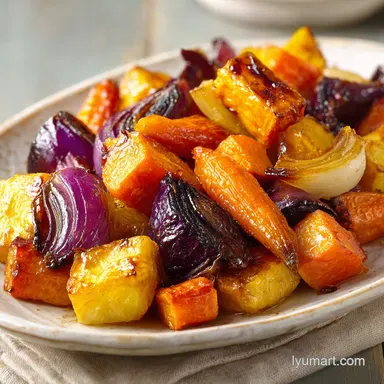
Roasted Root Vegetables: Mahogany Glaze
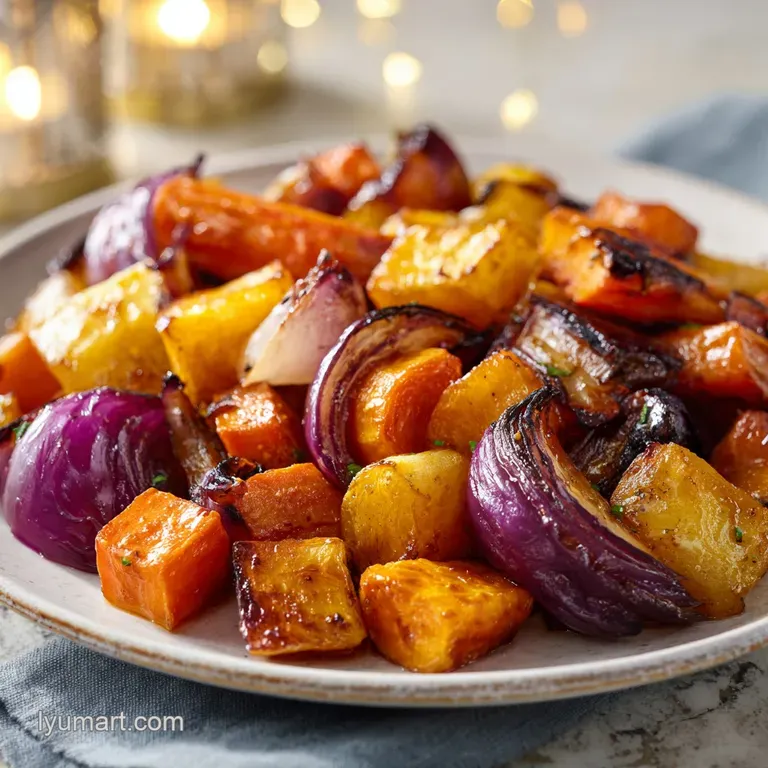
- Time:15 minutes active + 35 minutes roasting = Total 50 minutes
- Flavor/Texture Hook: Tacky, bubbling glaze with caramelized, tender cores
- Perfect for: Budget-friendly holiday sides or a comforting weeknight meal prep
- The Best Roasted Root Vegetables Guide
- Why This Method Actually Works
- Budget Friendly Ingredient Guide
- Essential Tools For Success
- Step By Step Cooking Guide
- Fixing Common Cooking Errors
- Customizing Your Vegetable Mix
- Scaling Your Batch
- Root Vegetable Truths
- Storage And Scrap Tips
- Pairing Your Root Veggies
- Recipe FAQs
- 📝 Recipe Card
The Best Roasted Root Vegetables Guide
Ever wonder why your home roasted carrots often end up limp and pale while restaurant versions have that dark, sticky glaze? I used to think it was some secret professional oven, but it actually comes down to how we handle the sugars in the vegetables.
Most of us just toss everything in oil and pray for the best, but that usually leads to a soggy mess.
I remember one Thanksgiving where I tried to be "efficient" and crowded three different trays into one pan. The result wasn't roasted vegetables, it was essentially a vegetable stew that happened to be in an oven. I was devastated because the smell was incredible, but the texture was mushy.
That mistake taught me that air is just as important an ingredient as the oil.
Since then, I've focused on a method that prioritizes surface area and timing. By separating the initial roast from the glazing phase, you get that specific, tacky finish that makes these vegetables feel like a treat rather than just a healthy side.
Trust me, once you see that mahogany color develop, you'll never go back to the one pot method.
Why This Method Actually Works
- The Two Stage Roast: Adding maple syrup and garlic at the end prevents the sugars from burning before the interior of the vegetables is tender.
- Surface Area Maximization: Slicing on a sharp diagonal increases the contact point with the hot pan, creating more caramelized edges.
- over High heat Evaporation: 425°F quickly drives moisture out of the vegetable cells, which allows the oil to sizzle and brown the exterior.
- Parchment Barrier: Using paper prevents the sugars in the glaze from bonding to the metal, ensuring a clean release and easy cleanup.
Since you're looking for that specific caramelization, it's helpful to see how this compares to other methods. Many people try to pan sear first, but the oven is usually the way to go for a crowd.
| Method | Time | Texture | Best For |
|---|---|---|---|
| Oven Roasting | 35-50 mins | Tacky and tender | Large batches / Hands off |
| Stovetop Sauté | 15-20 mins | Soft and glazed | Small portions / Speed |
| Air Fryer | 20-25 mins | Very crispy | Single servings / Maximum crunch |
Right then, let's look at what's actually happening inside your vegetables during this process.
Budget Friendly Ingredient Guide
| Ingredient | Science Role | Pro Secret |
|---|---|---|
| Olive Oil | Heat Conductor | Use a high smoke point oil to avoid a bitter taste |
| Maple Syrup | Glaze Agent | Adds a woody sweetness that balances the earthy parsnips |
| Kosher Salt | Moisture Draw | Pulls water to the surface to help the edges brown |
For the best results, you don't need expensive organic produce. Root vegetables are humble and forgiving. I usually buy the larger, "ugly" carrots because they're cheaper and often have a deeper flavor.
The Root Medley
- 1 lb carrots, peeled and sliced diagonally Why this? Adds brightness and a classic sweetness
- 1 lb parsnips, peeled and sliced diagonally Why this? Provides a nutty, peppery contrast
- 1 lb sweet potatoes, cubed Why this? Brings a velvety, creamy texture
- 1 medium red onion, cut into wedges Why this? Caramelizes into a savory jam
The Glaze & Seasoning
- 3 tbsp olive oil Why this? Necessary for that sizzle and browning
- 2 tbsp maple syrup Why this? Creates the tacky, mahogany finish
- 3 cloves garlic, minced Why this? Adds a sharp, aromatic punch
- 1 tsp dried rosemary Why this? Earthy pine notes that cut through the sweetness
- 1 tsp kosher salt Why this? Essential for flavor balance
- 1/2 tsp black pepper Why this? Adds a subtle, warm heat
If you're on a tight budget, you can swap the maple syrup for honey or even a bit of brown sugar. Just keep in mind that honey has a lower burn point, so keep a close eye on the oven.
| Original Ingredient | Substitute | Why It Works |
|---|---|---|
| Maple Syrup | Honey | Similar viscosity. Note: More floral and burns faster |
| Parsnips | Turnips | Similar density. Note: Less sweet, more pungent |
| Olive Oil | Avocado Oil | Higher smoke point. Note: Neutral flavor, very stable |
Essential Tools For Success
You don't need a professional kitchen, but a few basics make a difference. I always use a large rimmed baking sheet. If the rim is too shallow, the maple syrup might bubble over and create a smoky mess in your oven.
A sharp chef's knife is non negotiable here. When you're slicing carrots on a diagonal, a dull knife is a recipe for a trip to the urgent care. Also, don't skip the parchment paper. It's the difference between a 5 minute cleanup and scrubbing a pan for an hour.
Chef Note: If you don't have parchment paper, grease your pan heavily with oil, but be aware that the glaze might stick more to the metal.
Step by step Cooking Guide
Let's get these into the oven. Follow these steps exactly to get that specific balance of tender and tacky.
- Preheat the oven to 425°F (218°C) and line a large rimmed baking sheet with parchment paper. Note: A hot oven is critical for the initial sear
- Slice carrots and parsnips on a sharp diagonal into 1 inch pieces and cube the sweet potatoes to a similar size. Note: Uniform sizes mean everything finishes at once
- In a large mixing bowl, toss the prepared vegetables with olive oil, salt, and black pepper.
- Spread the vegetables across the baking sheet in a single layer and roast for 20-25 minutes until edges begin to turn golden brown.
- Remove the pan from the oven and drizzle maple syrup, minced garlic, and dried rosemary over the hot vegetables, tossing quickly with a spatula to coat.
- Return the pan to the oven for an additional 10-15 minutes until the vegetables are mahogany colored and the glaze is bubbling and tacky.
The smell at step 6 is incredible. You'll know they're done when the onion wedges look slightly charred on the edges and the carrots have a deep, glossy sheen.
Fixing Common Cooking Errors
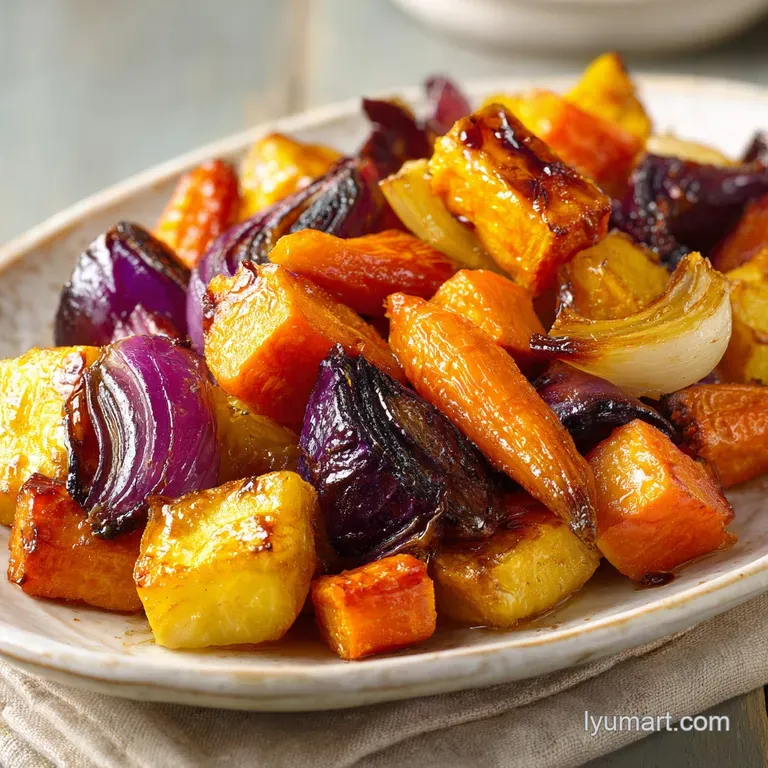
The biggest mistake people make with Roasted Root Vegetables is overcrowding. If the vegetables are touching or piled up, they release steam instead of roasting. This turns your dinner into a mushy heap. According to the Serious Eats guide on roasting, maintaining airflow around the food is the only way to achieve a true roast.
Why Your Veggies Are Mushy
This usually happens because of too much moisture or too many vegetables in one pan. When the pan is crowded, the water evaporating from the vegetables stays trapped, essentially steaming them in their own juices.
Why The Garlic Burnt
Garlic has a very small particle size and burns quickly. If you add it at the start, you'll have bitter, black specks on your food. Adding it with the glaze at the end protects the garlic.
| Problem | Root Cause | Solution |
|---|---|---|
| Soggy texture | Overcrowded pan | Use two sheets if needed |
| Burnt glaze | Syrup added too early | Apply glaze in the last 15 mins |
| Raw centers | Pieces too large | Keep cuts to 1 inch or smaller |
Common Mistakes Checklist:
- ✓ Avoid using a deep baking dish (stick to flat sheets)
- ✓ Ensure vegetables are completely dry before adding oil
- ✓ Don't stir too often (let them sear)
- ✓ Check that the oven is fully preheated to 425°F
- ✓ Use a diagonal cut for the carrots and parsnips
Customizing Your Vegetable Mix
Once you've got the basics down, you can play with the mix. I love adding Brussels sprouts or halved baby potatoes to this recipe. If you're using a denser vegetable like a potato, just cut them slightly smaller than the carrots so they cook at the same rate.
For a more savory version, swap the maple syrup for a mix of melted butter and balsamic vinegar. This creates a tangier profile that pairs incredibly well with a Beef Bourguignon recipe. If you want a bit of heat, a pinch of cayenne pepper in the oil toss adds a nice kick.
Flavor Twists
- Honey Mustard: Mix 1 tbsp Dijon mustard into your syrup.
- Maple Bourbon: Replace 1 tsp of syrup with bourbon for a smoky depth.
- Herb Heavy: Add fresh thyme and sage during the final glaze.
Scaling Your Batch
If you're cooking for a crowd, do not just double the vegetables in one pan. You will end up with the "steaming effect" mentioned earlier. Instead, work in batches or use multiple baking sheets.
Scaling Down (1/2 batch): Use a smaller sheet pan (about 12x17 inches) and reduce the roasting time by about 5-10 minutes. Since the volume is lower, the heat penetrates the vegetables faster.
Scaling Up (2x-4x batch): Increase the oil and salt linearly, but only increase the maple syrup and rosemary to about 1.5x. Too much glaze can make the vegetables slide around on the pan and prevent them from browning. Most importantly, use 2-3 separate pans.
Root Vegetable Truths
There are a few things people always tell you about roasting that just aren't true. Let's clear them up.
Myth: You must blanch root vegetables first. Some say boiling them for 5 minutes helps. Honestly, it's a waste of time. If you cut them uniformly and use 425°F, they'll cook through perfectly without the extra step.
Myth: All root vegetables cook at the same speed. They don't. Carrots and parsnips are denser than onions. This is why we cut the onions into larger wedges and the carrots into smaller slices. It's all about timing the "doneness" to hit at the same moment.
Storage And Scrap Tips
You can keep these in the fridge for up to 4 days in an airtight container. To reheat them, avoid the microwave if you can. Use a toaster oven or a skillet over medium heat for 5 minutes to bring back that tacky exterior.
They don't freeze particularly well because the cell walls break down, leading to a mushy texture upon thawing.
For zero waste, don't throw away those carrot and parsnip peels! Collect them in a freezer bag along with onion ends and celery scraps. Once the bag is full, simmer them in water for an hour to make a humble, aromatic vegetable broth. It's a great way to get extra flavor for your next soup.
Pairing Your Root Veggies
These are naturally sweet and earthy, so they need something salty or acidic to balance them out. I love serving these alongside a Broccoli Casserole recipe for a full spread of comfort food. The creaminess of the casserole cuts through the intensity of the maple glaze.
If you're keeping it simple, a piece of roasted chicken or a seared steak is the way to go. The mahogany edges of the vegetables mimic the sear on the meat, making the whole plate feel cohesive. Just a squeeze of fresh lemon juice over the vegetables right before serving will wake up all those deep, roasted flavors.
Recipe FAQs
What root vegetables can be roasted?
Carrots, parsnips, sweet potatoes, and red onions. These specific varieties caramelize beautifully when exposed to high heat.
Should you roast veggies at 400 or 425?
Roast at 425°F (218°C). This higher temperature is critical for the initial sear and prevents the vegetables from steaming in their own moisture.
What root vegetables are good for diabetics?
Carrots and parsnips are excellent choices. They generally provide a lower glycemic load than denser starchy roots.
What vegetables should not be roasted together?
Avoid pairing high water vegetables with dense roots. This recipe works because carrots, parsnips, and sweet potatoes share similar roasting times.
How to ensure the vegetables cook evenly?
Cut all vegetables into uniform 1 inch pieces. Slicing carrots and parsnips on a diagonal helps them match the cooking time of the cubed sweet potatoes.
Is it true that you should add the maple syrup and garlic at the start?
No, this is a common misconception. Sugars and garlic burn quickly, so drizzle them on for the final 10-15 minutes of roasting to get a tacky glaze.
How to reheat leftovers while keeping the texture?
Use a skillet over medium heat for 35 minutes. Avoid the microwave to keep the exterior from becoming mushy. If you enjoyed mastering this specific texture control, see how the same principle applies to our smoky velvet sauce.
Roasted Root Vegetables