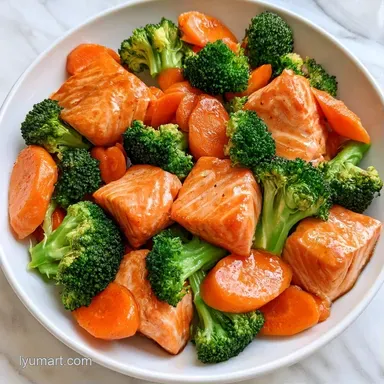
Healthy Salmon Vegetable Packets
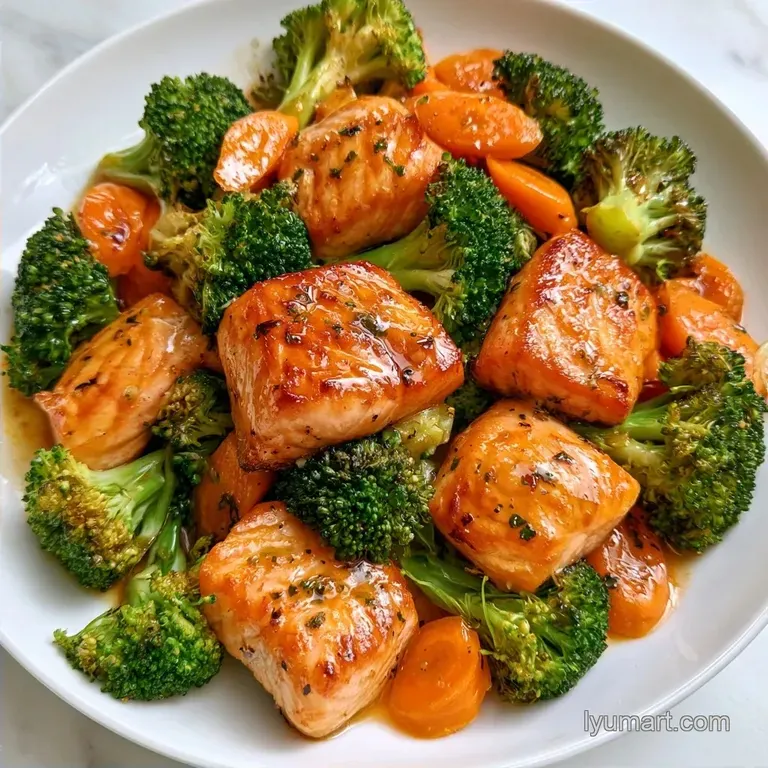
- Time: 10 min active + 20 min bake
- Flavor/Texture Hook: Flaky, zesty salmon with snap crisp veggies
- Perfect for: Busy weeknight dinners and zero cleanup meal prep
That sound of aluminum foil crinkling is practically the sound of a free evening. I used to dread salmon night because I'd end up scrubbing blackened oil off my sheet pans or dealing with fish that felt like rubber. Then I started sealing everything into pouches.
The moment you tear open one of these packets, a cloud of lemon garlic steam hits you right in the face. It smells fresh, clean, and exactly like something you'd pay $30 for at a bistro, but it actually took about ten minutes of real work.
These Salmon Vegetable Packets are my go to for those nights when the kids are crashing from school and I have zero energy to stand over a stove. It's a one and done meal that doesn't leave a mess.
Salmon Vegetable Packets
These packets work because they change how heat reaches the food. Instead of the dry heat of the oven hitting the fish directly, the foil traps moisture, essentially steaming the ingredients in their own juices.
Steam Chamber: The sealed pouch prevents water from evaporating, which keeps the salmon velvety and succulent.
Thermal Buffer: Placing the fish on a bed of vegetables protects the delicate protein from the hot metal pan, preventing the bottom from overcooking.
Flavor Infusion: Since the glaze can't escape, it forced the garlic and lemon flavors deep into the fillet and the veggies.
| Method | Time | Texture | Best For |
|---|---|---|---|
| Oven Bake | 20 mins | Tender/Steamed | Meal prep, large batches |
| Outdoor Grill | 15 mins | Smoky/Charred | Summer parties, high heat |
| Stovetop | 12 mins | Soft/Poached | Single servings, quick lunch |
Gear you'll need
Anyone can make this at home. A rimmed baking sheet is essential here, as it catches any oil that might drip.
Stick with heavy duty aluminum foil. The thinner variety often tears while you're sealing the edges, and any leak allows steam to escape, which dries out the fish. I also recommend a digital meat thermometer to hit that 135°F mark exactly.
Ingredients and swaps
I like using a mix of colors here to keep it visually appealing. If you're on a budget, frozen broccoli or carrots work just as well as fresh, provided you pat them dry first.
| Ingredient | Role | If You Don't Have It |
|---|---|---|
| Salmon Fillets | Main protein | Trout or Arctic Char |
| Broccoli | Bulk and texture | Cauliflower florets |
| Carrots | Sweetness/Crunch | Parsnips or sliced turnips |
| Lemon Juice | Acid/Brightener | Lime juice or white wine |
| Olive Oil | Heat conductor | Melted butter or avocado oil |
The Full List:
- 4 (6 oz / 170g) salmon fillets
- 2 cups (150g) broccoli florets
- 1 cup (130g) carrots, thinly slicedWhy this? Thin slices ensure they cook at the same speed as broccoli
- 1 cup (150g) red bell pepper, sliced
- 1 cup (100g) asparagus tips
- 2 tbsp (30ml) extra virgin olive oil
- 2 tbsp (30g) fresh lemon juiceWhy this? Fresh juice has more enzymes to tenderize the fish
- 3 cloves (9g) garlic, minced
- 1 tsp (2g) dried oregano
- 1/2 tsp (1g) smoked paprika
- 1/2 tsp (3g) sea salt
- 1/4 tsp (1g) cracked black pepper
| Original Ingredient | Substitute | Why It Works |
|---|---|---|
| Salmon (6 oz) | Steelhead Trout (6 oz) | Similar oil content and flaky texture |
| Broccoli (2 cups) | Zucchini Slices (2 cups) | Softens quickly, though adds more moisture |
| Asparagus (1 cup) | Green Beans (1 cup) | Similar snap and earthy flavor |
Final recipe specs
This is a fast, budget friendly meal. You can easily swap the vegetables based on what's left in your crisper drawer.
- Prep time:10 minutes
- Cook time:20 minutes
- Total time:30 minutes
- Yield: 4 servings
- Oven Temp:425°F (218°C)
How to cook it
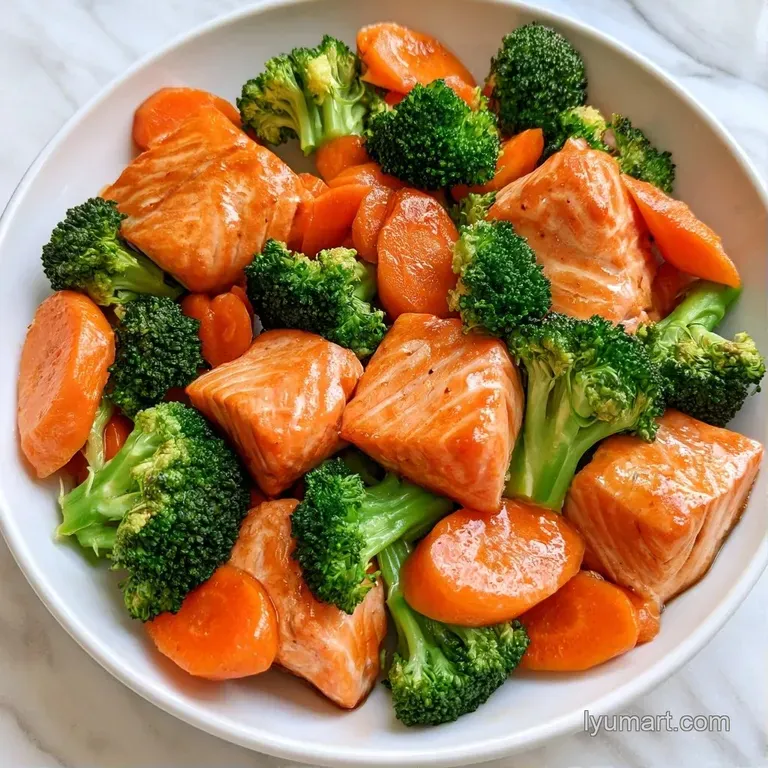
Let's dive in. The focus here is on speed and efficiency.
- Preheat the oven to 425°F (218°C). Place four large sheets of heavy duty aluminum foil (roughly 12x17 inches) on a rimmed baking tray.
- In a small bowl, stir together the olive oil, lemon juice, minced garlic, oregano, paprika, salt, and pepper.
- Spread the broccoli, carrots, bell peppers, and asparagus evenly across the four foil sheets.
- Drizzle a portion of the lemon garlic glaze over the vegetables and toss them on the foil until they are glossy.
- Form the vegetables into a small mound in the center of each sheet. Note: This creates a platform for the fish.
- Place one salmon fillet atop each vegetable mound.
- Spoon the rest of the glaze over the fish, spreading it to the edges.
- Fold the foil sides over and pinch the edges tight. Keep a small pocket of air inside until the pouch looks like a puffed pillow.
- Bake for 15–20 minutes until the fish reaches an internal temperature of 135°F to 140°F (57°C to 60°C).
Avoiding common pitfalls
Even with a simple method, a few things can go sideways. The biggest issue is usually the timing of the vegetables.
Hard Carrots
If your carrots are still crunchy while the fish is done, you likely sliced them too thick. I once used "baby carrots" and they were like rocks. Always use a coin cut or a julienne for the carrots to ensure they soften in 20 minutes.
Rubber Fish
Overcooking Salmon Vegetable Packets is the easiest way to ruin the meal. If you don't have a thermometer, look for the fish to change from translucent pink to an opaque light pink. It should flake easily when poked with a fork.
USDA guidance puts the safe internal temperature at 145°F, but taking it out at 135°F allows carryover heat to finish the job without drying it out.
Leaking Pouches
If you find oil pooling on your baking sheet, your seal isn't tight. I recommend the "double fold" method. Fold the edges over twice and crimp them hard. This keeps the steam inside, which is the only way to get that moist texture.
| Goal | What to change |
|---|---|
| Crispy Fish | Open foil for last 5 mins |
| Softer Veg | Add 5 mins bake time |
| Tangier Flavor | Add lemon slices inside |
Storing and waste
These are perfect for meal prepping since the foil helps protect the fish.
Keep any remaining portions in a sealed container in the refrigerator for up to 3 days. To prevent the salmon from becoming tough, avoid using a high microwave setting when reheating.
Instead, wrap the fish and vegetables in foil again and heat them in the oven at 300°F for 10 minutes.
Reduce waste by collecting your veggie scraps (like broccoli stems, pepper ends, and carrot peels) in a freezer bag. When the bag reaches capacity, boil the scraps with water and a bay leaf to create a simple vegetable stock for your soups.
Twist and variations
Once you've got the hang of Salmon Vegetable Packets, you can play with the flavors.
Asian Style: Swap the oregano and paprika for a mix of soy sauce, grated ginger, and a drop of toasted sesame oil. This goes great with bok choy and snap peas. If you're in a rush and want something even faster, my Air Fryer Salmon is a great alternative for smaller portions.
Hearty Version: Add thinly sliced potatoes to the bottom of the packet. Note that potatoes take longer to cook, so you'll need to slice them paper thin or par boil them for 5 minutes first. For a different protein entirely, these shrimp and sausage packets use the same steaming logic.
Low Carb Swap: Replace the carrots with extra asparagus or zucchini. This keeps the glycemic index low while keeping the volume of the meal high.
Scaling the portions
If you are preparing Salmon Vegetable Packets for a group, avoid stuffing four fillets into a single large pouch. This prevents heat from circulating, which will leave the fish in the middle undercooked.
Scaling Down: For a single serving, use one piece of foil and 1/4 of the ingredients. Take 2-3 minutes off the baking time since there is less food in the oven.
Scaling Up: For 8 or more servings, utilize two baking sheets or cook in batches. Avoid overcrowding the pans to ensure proper airflow, otherwise, you may need an extra 5-10 minutes. When doubling the recipe, use 1.5x the salt and spices rather than 2x to avoid over seasoning.
Serving and plating
You can keep it rustic and just serve the fish directly from the foil. It's the easiest way to handle dinner on a Tuesday.
For something a bit more put together, slide the vegetable mound onto a plate and set the salmon on top. Pour the leftover juices from the foil packet over the fish. The liquid is basically a concentrated sauce, so don't let it go to waste.
A final squeeze of fresh lemon and a sprinkle of chopped parsley adds a pop of color that makes the dish look like it took way more effort than it actually did. Trust me, the contrast of the bright red peppers and green broccoli makes this look great on any table.
Recipe FAQs
How to assemble the foil pouches?
Fold heavy duty aluminum foil around the salmon and vegetable mixture.
Tip: leave a small air pocket inside to allow steam to circulate.
Is it true that you must seal the foil completely airtight to cook the fish?
No, this is a common misconception. A small air gap is necessary for the steam to cook the fillets evenly.
Tip: pinch the edges firmly to ensure the pouch remains closed during baking.
What sides complement this dish?
A fresh green salad or fluffy quinoa works well.
Tip: for an extra veggie boost, pair these with sauteed vegetables.
When is the salmon finished cooking?
Remove the packets from the oven when a meat thermometer reads 135°F to 140°F.
Tip: let the fish rest for a few minutes before opening the foil to keep it juicy.
Which oven temperature is required?
Set your oven to 425°F (218°C).
Tip: use a rimmed baking sheet to keep the pouches stable and catch any leaks.
Salmon Vegetable Packets