Smoked Ribs Recipe: Pellet Grill Method
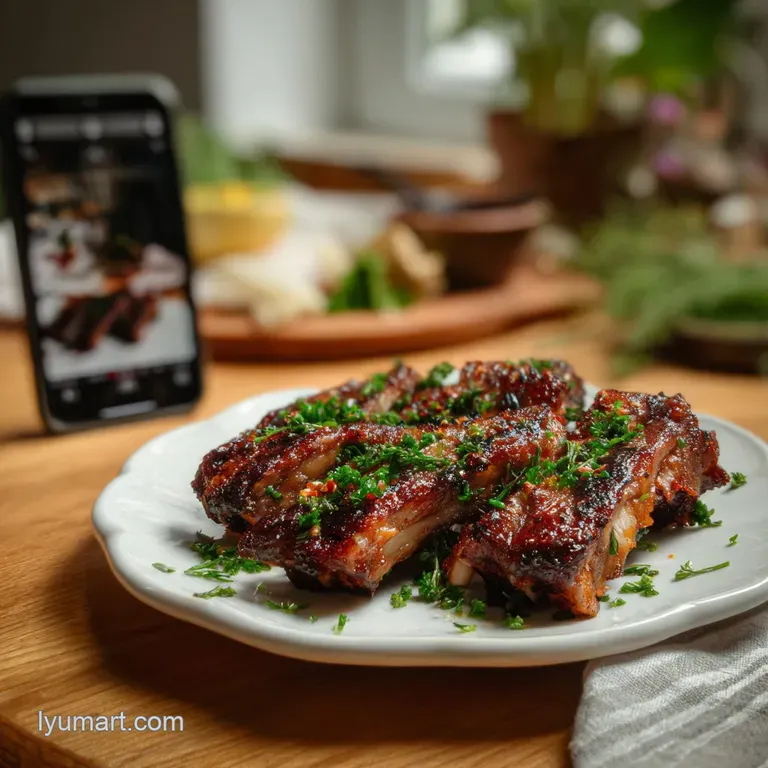
- Time: Active 20 minutes, Passive 5 hours, Total 5 hours 20 minutes
- Flavor/Texture Hook: Smoky, mahogany bark with a velvety, melt in-your mouth interior
- Perfect for: Weekend family cookouts or a budget-friendly crowd pleaser
- Mastering the Classic Smoked Ribs Recipe
- Science of Low and Slow
- Picking Your Best Ingredients
- Tools for Success
- Foolproof Cooking Step Instructions
- Troubleshooting Texture and Flavor
- Creative Flavor Swaps
- Storage and Reheating Tips
- Side Dish Pairing Ideas
- Debunking Backyard Barbecue Folklore
- Very High in Sodium
- Smoked Ribs Recipe FAQs
- 📝 Recipe Card
Mastering the Classic Smoked Ribs Recipe
There is absolutely nothing like the scent of hickory or applewood drifting through the backyard on a Saturday afternoon. I used to be intimidated by the idea of smoking meat, thinking I needed a thousand dollar setup and a degree in thermodynamics to get it right.
Honestly, my first attempt was a literal brick of salt and carbon, but that mistake taught me that patience is actually the most valuable tool in your kitchen.
This smoked ribs recipe is designed for the home cook who wants that "best in the city" quality without the stress. We are going to take a humble 3 lb rack of ribs and treat it with a little respect, a lot of low level heat, and a simple glaze that hits all the right notes.
Whether you are using a pellet grill, an electric smoker, or even a modified charcoal kettle, the principles stay the same: control the airflow and keep your hands off the lid.
Trust me, once you see that pink smoke ring and feel the bone wiggle just slightly under your touch, you will never want to buy pre cooked ribs again. We are going to focus on a dry rub that builds a serious bark and a wrapping technique that guarantees juice in every bite.
Let's get the fire started and walk through exactly how to make this happen.
Science of Low and Slow
Understanding what happens inside the meat makes you a better cook because you stop guessing and start observing. This smoked ribs recipe works because we are playing the long game with heat.
- Collagen Conversion: At temperatures between 160°F and 180°F, tough connective collagen slowly melts into gelatin, creating a velvety mouthfeel.
- Maillard Reaction: The combination of brown sugar and protein under steady heat creates hundreds of flavor compounds and that dark, shatter prone crust.
- The Stall: As moisture evaporates from the surface, it cools the meat (evaporative cooling), which can stop the internal temp from rising for an hour or more.
- Hygroscopy: The salt in our rub draws moisture to the surface, where it dissolves the spices into a brine that then gets reabsorbed for deep seasoning.
| Rack Thickness | Internal Temp | Rest Time | Visual Cue |
|---|---|---|---|
| 1 inch (Baby Back) | 195°F - 203°F | 15 minutes | Meat pulls back 1/4 inch from bone |
| 1.5 inches (St. Louis) | 198°F - 205°F | 20 minutes | Rack bends but doesn't break when lifted |
| 2 inches (Beef Ribs) | 203°F - 210°F | 30 minutes | Probe slides in like softened butter |
Before you even touch the smoker, you need to understand that the "done" signal isn't just a number on a clock. While we aim for roughly 5 hours, the thickness of your specific rack changes everything. This ribs recipe is a hit at summer parties, much like our Tater Tot Casserole Recipe is during the winter, because it relies on that "set it and forget it" comfort.
Picking Your Best Ingredients
You don't need the most expensive heritage pork to get a great result. A standard 3 lbs rack of Baby Back or St. Louis Style ribs from the local grocer works perfectly when treated with a proper dry rub.
The mustard acts as a binder don't worry, you won't taste it at the end; it simply holds the spices to the meat while it renders.
| Component | Science Role | Pro Secret |
|---|---|---|
| Kosher Salt | Protein Denaturation | Use coarse grains for better surface area coverage |
| Brown Sugar | Caramelization | Pack it tight to ensure even moisture distribution |
| Smoked Paprika | Color & Flavor | Provides a deep red hue even before the smoke hits |
| Apple Juice | Humidity | Adds acidity to cut through the heavy fat |
For the Ribs
- 1 rack Baby Back or St. Louis Style Ribs (approx. 3 lbs): The foundation of the dish. Why this? Baby backs are leaner; St. Louis are fattier and more uniform.
- 2 tbsp Yellow mustard: The "glue" for your seasonings. Why this? Acidity helps soften the surface for the rub.
For the "Ultimate Bark" Dry Rub
- 1/4 cup Brown sugar, packed: For sweetness and bark structure.
- 2 tbsp Smoked paprika: Adds a vibrant mahogany color.
- 1 tbsp Kosher salt: Essential for drawing out moisture and seasoning deep.
- 1 tbsp Coarse black pepper: Provides the classic "bite" of traditional BBQ.
- 1 tsp Garlic powder: For savory depth.
- 1 tsp Onion powder: Rounds out the earthy flavors.
- 1/2 tsp Cayenne pepper: Just enough heat to balance the sugar.
For the Spritz and Glaze
- 1/2 cup Apple juice: Used for keeping the surface moist during Phase 1.
- 1 cup BBQ sauce: Choose a thick, tomato based sauce for the best cling.
- 2 tbsp Honey: Adds a glossy finish and extra tackiness.
Tools for Success
You don't need a professional pit, but a few basics make this smoked ribs recipe much easier to manage. If you are using an electric smoker smoked ribs recipe or a pellet grill smoked ribs recipe, the temperature control is built in. If you're on charcoal, a reliable dual probe thermometer is your best friend.
- Smoker: Pellet, offset, or electric all work. Aim for a steady 225°F to 250°F.
- Heavy Duty Aluminum Foil: This is for the "wrap" phase. Cheap foil tears easily and lets the steam escape.
- Instant Read Thermometer: To check for that buttery probe tender finish.
- Spritz Bottle: A simple plastic spray bottle for the apple juice.
- Silicone Brush: For painting on that velvety final glaze.
Chef's Tip: If you find your ribs are drying out on the edges, place a small water pan inside your smoker. The increased humidity slows down evaporation and keeps the edges from becoming "jerky like."
Foolproof Cooking Step Instructions
Phase 1: Stripping the Membrane
Start by removing the silver skin (membrane) from the back of the ribs. This is a tough, waxy layer that prevents flavor and smoke from reaching the meat. Slide a butter knife under the skin over a middle bone, then use a paper towel to get a firm grip and pull it off in one motion.
Phase 2: Applying the Rub
Slather 2 tbsp yellow mustard over both sides of the rack. In a small bowl, mix the 1/4 cup brown sugar, 2 tbsp smoked paprika, 1 tbsp kosher salt, 1 tbsp pepper, 1 tsp garlic powder, 1 tsp onion powder, and 1/2 tsp cayenne. Sprinkle the dry rub generously over the ribs.
Note: Don't rub it in too hard; just pat it so it sticks.
Phase 3: Initial Smoke
Preheat your smoker to 225°F. Place the ribs bone side down on the grate. Close the lid and smoke for 3 hours until the bark is set and doesn't rub off when touched.
Every 45 minutes, spritz the meat with the 1/2 cup apple juice to keep the surface from hardening too much.
Phase 4: The Targeted Wrap
Layout two long sheets of heavy duty foil. Place the ribs on the foil and drizzle with a little extra apple juice. Fold the foil tightly around the ribs to create a sealed pouch. Place back in the smoker for 1 hour 30 mins until the meat is tender and starting to pull away from the bones.
Phase 5: The Final Glaze
Carefully open the foil (watch for steam!) and move the ribs back onto the grate. Mix the 1 cup BBQ sauce with 2 tbsp honey. Brush a thick layer over the top of the ribs. Smoke for another 30 minutes until the sauce is bubbly, tacky, and dark.
| Fresh Approach | Shortcut Method | Result Difference |
|---|---|---|
| Whole Spices (Toasted/Ground) | Pre mixed Bottled Rub | Fresh spices offer a sharper, more aromatic "pop" |
| Homemade Fruit Wood Chunks | Flavored Liquid Smoke | Real wood provides a deeper, layered smoke ring |
| Freshly Juiced Apples | Bottled Apple Juice | Minimal difference; bottled juice is perfectly fine for spritzing |
Leftover rib meat is surprisingly versatile and can be used for a quick meal the next day. It makes a killer Steak Sandwich Recipe if you strip the meat from the bone and pile it onto toasted ciabatta with some extra sauce.
Troubleshooting Texture and Flavor
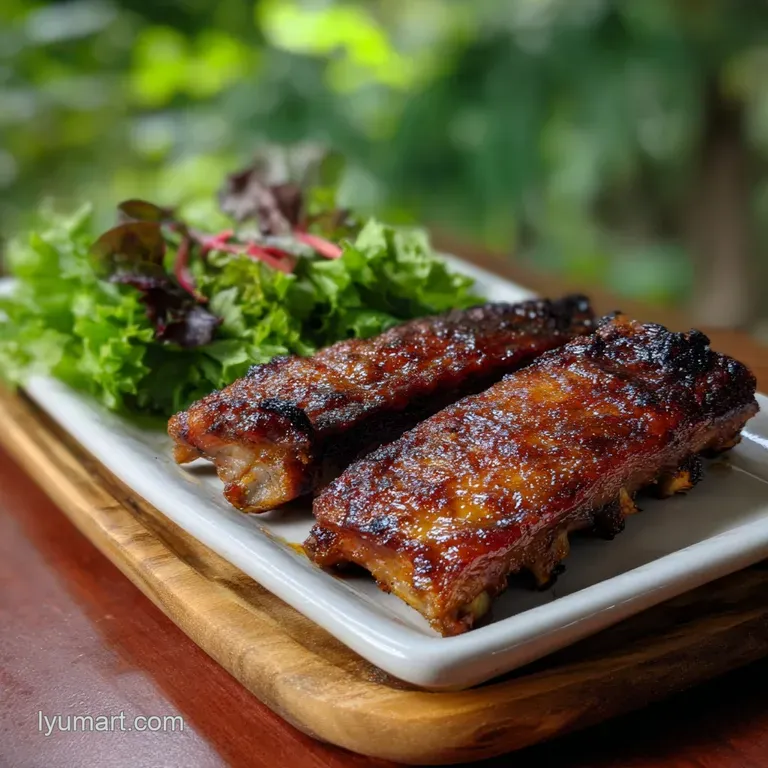
One mistake I once made was wrapping the ribs too early. If you wrap before the bark is set, the rub turns into a soggy paste. You want that bark to be dark and firm almost like a crust before the foil comes into play.
If you're looking for a smoked ribs recipe no wrap version, simply skip the foil and cook for the full 5-6 hours, but be prepared for a much firmer, "chewier" rib.
Why Your Ribs Are Mushy
If the meat is literally falling off the bone like pot roast, they are overcooked. This usually happens during the wrap phase. If the ribs stay in the foil too long, they steam until the muscle fibers completely break down.
Solving the Acrid Smoke Flavor
If your ribs taste like an ashtray, you likely have "dirty smoke." You want a thin, blue wispy smoke, not thick white billows. This usually means the wood isn't getting enough oxygen or the fire is too cold.
| Problem | Root Cause | Solution |
|---|---|---|
| Tough meat | Not enough time for collagen breakdown | Continue cooking at 225°F until probe tender |
| Dry, crispy edges | Too much direct heat or no humidity | Use a water pan and increase spritzing frequency |
| Saltiness | Using fine table salt instead of Kosher | Always use Kosher; table salt is too dense and salty |
✓ Always pat the ribs dry before applying the mustard binder to prevent the rub from sliding off. ✓ Keep the smoker lid closed as much as possible if you're lookin', you ain't cookin'.
✓ Let the ribs rest for at least 15 minutes before slicing so the juices can redistribute. ✓ Use a sharp chef’s knife or a slicing knife to cut between the bones in one clean stroke.
Creative Flavor Swaps
This is an easy smoked ribs recipe to customize based on what is in your pantry. If you are on a budget, you don't need fancy apple juice; even a little water mixed with cider vinegar will do the trick for the spritz.
| Original Ingredient | Substitute | Why It Works |
|---|---|---|
| Brown Sugar | Maple Syrup | Provides a different kind of earthy sweetness. Note: Bark will be stickier. |
| Apple Juice | Pineapple Juice | Higher acidity and enzymes help tenderize the meat further. |
| Yellow Mustard | Mayonnaise | High fat content helps the rub stick. Note: Adds a richer flavor profile. |
If you want to try the Traeger smoked ribs recipe style, many people swear by adding a few pats of butter inside the foil during the wrap. It creates a "braise" that makes the ribs incredibly rich. For a keto friendly version, swap the sugar for an erythritol based brown sugar substitute and use a sugar-free BBQ sauce.
The science of the bark remains the same, though the caramelization will look a bit different.
Storage and Reheating Tips
Storing smoked ribs is simple, but reheating is where people usually fail. If you microwave them, they turn into rubber. Instead, wrap leftovers in foil with a tablespoon of water or apple juice and heat them in a 250°F oven until warmed through.
- Fridge: Store in an airtight container for up to 4 days.
- Freezer: Wrap tightly in plastic wrap, then foil. They stay great for up to 3 months.
- Zero Waste: Don't toss the bones! Simmer them with onions and carrots to make a smoky pork stock that is incredible for ramen or bean soups.
If you find yourself with just a few bones left, pull the meat off and use it as a topping for pizza or mixed into a breakfast hash. The smoke flavor is so concentrated that a little bit of leftover meat goes a long way.
Side Dish Pairing Ideas
When you have a rich, smoky main like this, you need sides that offer a bit of acidity or crunch to balance the fat. A sharp coleslaw or pickled red onions are classic for a reason.
- Traditional: Pair with a creamy potato salad or corn on the cob.
- Comfort: This is the best smoked ribs recipe to serve alongside a warm Tater Tot Casserole Recipe.
- Light: A simple cucumber and vinegar salad cuts through the honey BBQ glaze perfectly.
Debunking Backyard Barbecue Folklore
There is a lot of bad advice out there about smoking. One of the biggest myths is that the "smoke ring" (that pink layer under the bark) is an indicator of flavor. It's actually just a chemical reaction between nitrogen dioxide and the meat's myoglobin.
You can have a great smoke ring with no flavor, or a flavor packed rack with no ring.
Another common myth is that "fall off-the bone" is the gold standard. In the world of competitive BBQ, that is actually considered overcooked. You want the meat to pull cleanly away from the bone when you take a bite, but the rest of the rib should stay intact.
If the bone just slides out when you pick up the rack, you’ve made delicious pulled pork, but technically overshot the "rib" stage! Finally, searing the meat doesn't "seal in juices." Moisture loss happens regardless of a sear; we smoke at low temps specifically to slow that loss down while the collagen melts.
Very High in Sodium
1240 mg mg of sodium per serving (54% of daily value)
The American Heart Association recommends limiting sodium intake to about 2,300mg per day for optimal heart health.
Tips to Reduce Sodium in Your Ribs:
-
Reduce Added Salt-25%
Reduce the amount of kosher salt from 1 tbsp to 1/2 tbsp. This will significantly decrease the sodium content without sacrificing too much flavor. Consider eliminating the salt completely and testing the rub prior to application.
-
Low-Sodium BBQ Sauce-20%
Opt for a low-sodium or no-salt added BBQ sauce. This can dramatically reduce the overall sodium content, as BBQ sauce is often a significant source of sodium. Many store-bought sauces are high in sodium.
-
Homemade BBQ Sauce-15%
Consider making your own BBQ sauce from scratch to control the sodium content. This allows you to adjust the ingredients and avoid high sodium additives. There are many online recipes to choose from.
-
Mustard Modification-10%
While mustard contributes a small amount of sodium, look for a lower sodium mustard or reduce the amount used from 2 tbsp to 1 tbsp. You can replace the flavor with other elements from this recipe.
-
Flavor with Herbs & Spices
Enhance the flavor with sodium free herbs and spices like smoked paprika, garlic powder, onion powder, black pepper and cayenne pepper. These add depth without adding sodium.
Smoked Ribs Recipe FAQs
What is the 3:2:1 rule for smoking ribs?
It's a guideline for achieving tender ribs. The rule suggests smoking ribs for 3 hours unwrapped, then wrapping them in foil for 2 hours, and finally glazing them for 1 hour. This method helps break down tough connective tissues while developing a nice bark.
How long do ribs take to smoke at 225 degrees?
Typically 5 to 6 hours. This is an estimate, as the exact time depends on the thickness of the ribs and your smoker's consistency. Always rely on internal temperature and tenderness rather than just the clock.
What are common mistakes when smoking ribs?
Overcooking, wrapping too early, and dirty smoke are common. Overcooking leads to mushy ribs, while wrapping before the bark sets can create a paste. Dirty smoke, indicated by thick white plumes, imparts an acrid flavor.
Is it better to cook ribs at 225 or 250 degrees?
Both are excellent, but 225°F offers more forgiveness. Cooking at 225°F allows for a slower, more gentle breakdown of collagen, leading to incredibly tender results with less risk of drying out. 250°F speeds up the process but requires more attention.
How do I remove the membrane from ribs?
Slide a knife under it and pull. Gently lift the membrane on the bone side of the ribs with a butter knife. Then, grab the membrane with a paper towel for grip and peel it off in one piece. It prevents smoke and seasonings from penetrating the meat.
What's the best way to get a good bark on smoked ribs?
Focus on the rub and an unwrapped smoke phase. A dry rub with sugar and spices, applied after a mustard binder, will caramelize and form a crust during the initial hours of smoking unwrapped. This is where mastering temperature control, similar to how we achieve perfect texture in Chicken Burger Recipe: Juicy & Tender in 20 Minutes, is crucial.
What should I serve with smoked ribs?
Classic sides that balance the richness. Consider creamy coleslaw, baked beans, or potato salad for traditional pairings. For something a bit different, a vibrant salad like our easy roasted vegetables recipe: Crisp Edges offers a nice contrast to the smoky, fatty meat.
Smoked Ribs Recipe
Ingredients:
Instructions:
Nutrition Facts:
| Calories | 701 kcal |
|---|---|
| Protein | 43 g |
| Fat | 33 g |
| Carbs | 55 g |
| Fiber | 1.5 g |
| Sugar | 51 g |
| Sodium | 1240 mg |
