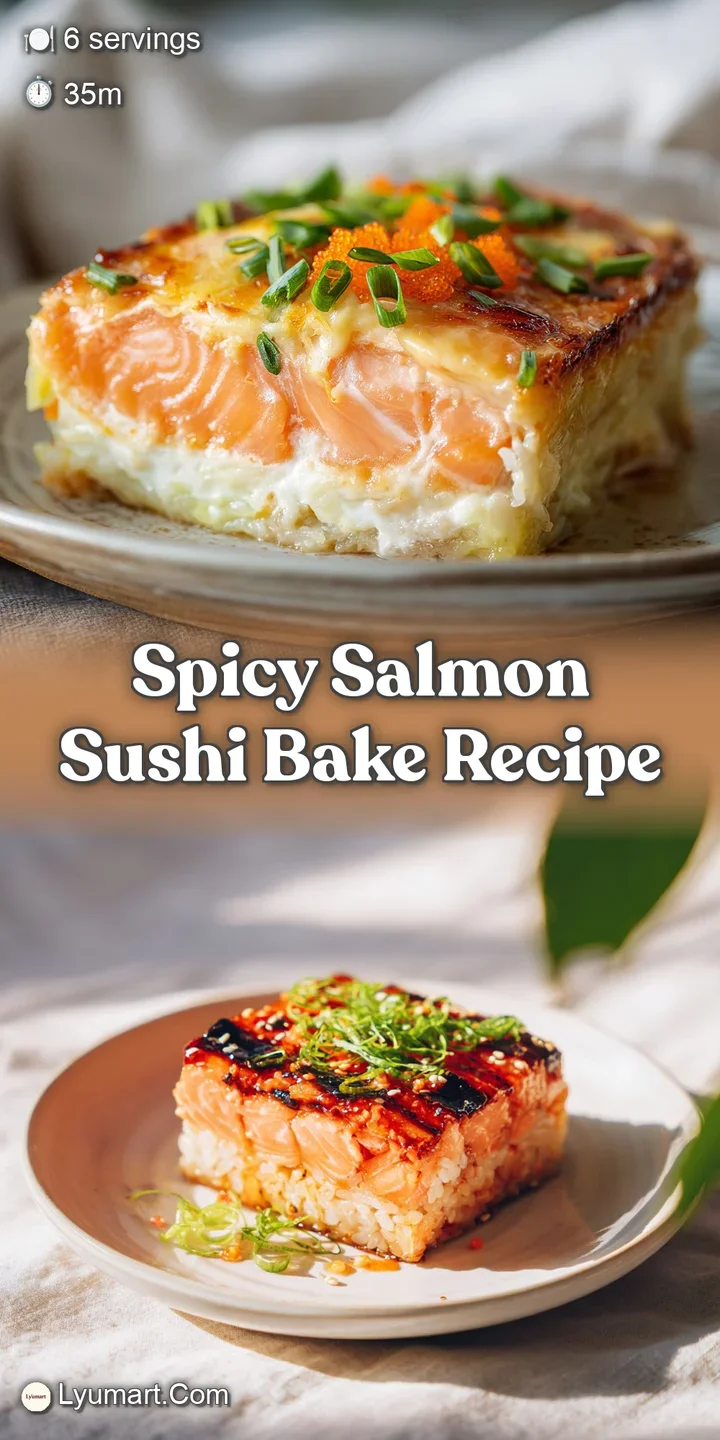
Spicy Salmon Sushi Bake Recipe: Budget-Friendly
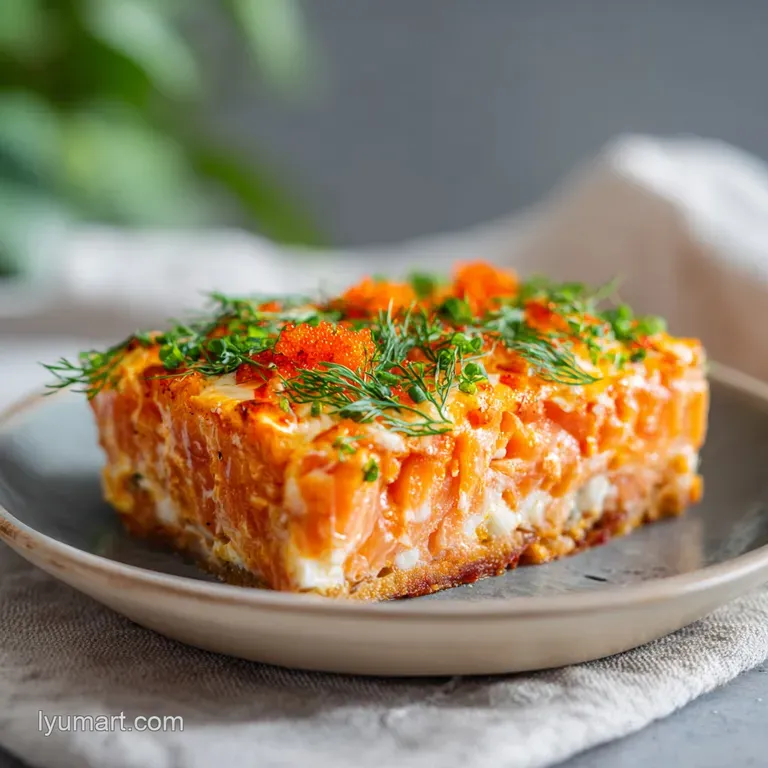
- Time: Active 15 minutes, Passive 20 minutes, Total 35 minutes
- Flavor/Texture Hook: Silky salmon meets a shatter crisp nori crunch.
- Perfect for: Stress free potlucks or high protein weeknight dinners.
- Master My Spicy Salmon Sushi Bake Recipe
- Rice Starch and Fat Chemistry
- Component Analysis for Better Flavor
- Essentials for the Perfect Bake
- Stepping Through the Golden Roast
- Fixing Common Texture Issues
- Flavor Swaps for Every Budget
- Myths About Sushi Bakes
- Keeping Your Leftovers Fresh
- Making Every Scoop Look Professional
- High in Sodium ⚠️
- Recipe FAQs
- 📝 Recipe Card
Master My Spicy Salmon Sushi Bake Recipe
The first time I pulled this out of the oven, the sizzle of the sriracha mayo bubbling against the edges of the pan was enough to draw my neighbors over. I remember thinking I’d finally cracked the code for a meal that feels like a luxury sushi dinner but costs a fraction of the price.
There is something so satisfying about the way the velvety avocado melts into the warm, vinegared rice that makes you forget you're eating out of a casserole dish.
Honestly, I used to struggle with fish being too dry or rice being too bland. But after a few trials (and some very soggy errors), I learned that the secret isn't fancy equipment it's how you treat the rice starch and the fat in the mayo.
We are going for that specific "umami bomb" feeling where every scoop gives you a bit of heat, a bit of tang, and a lot of comfort. Trust me on this, once you try this Spicy Salmon Sushi Bake Recipe, your Friday night takeout habit is going to take a serious hit.
Rice Starch and Fat Chemistry
The Emulsion Shield: The Kewpie mayo acts as a thermal insulator, preventing the salmon proteins from tightening and becoming tough during the over high heat bake.
Starch Retrogradation: Cooling the rice slightly after seasoning allows the starches to firm up, ensuring the base remains chewy rather than turning into a mushy paste under the heavy toppings.
| Servings | Ingredient Adjustments | Pan Size | Cook Time |
|---|---|---|---|
| 2 people | 1/3 lb salmon, 1 cup rice | 6x6 inch | 15 minutes |
| 6 people | 1 lb salmon, 3 cups rice | 9x13 inch | 20 minutes |
| 12 people | 2 lbs salmon, 6 cups rice | Two 9x13 pans | 25 minutes |
Choosing the right pan size is vital because if the rice layer is too thick, it won't heat through evenly before the top begins to brown. For our standard 6 serving batch, a classic 9x13 inch glass or ceramic baking dish works best to get that ideal ratio of topping to base.
Component Analysis for Better Flavor
| Ingredient | Science Role | Pro Secret |
|---|---|---|
| Rice Vinegar | pH Balancer | Season while rice is steaming hot for better absorption. |
| Kewpie Mayo | Emulsifier | Uses only egg yolks for a richer, more velvety mouthfeel. |
| Furikake | Texture Agent | Contains toasted seeds that stay crisp even when baked. |
| Cream Cheese | Binding Fat | Soften completely to avoid lumps in your salmon mixture. |
Essentials for the Perfect Bake
Gathering your elements before you start is the only way to keep things stress free. For the rice base, you will need 3 cups (600g) of cooked short grain sushi rice, 3 tbsp rice vinegar, 1 tbsp granulated sugar, and 1 tsp sea salt.
Don't forget the 3 tbsp furikake for that essential seasoning layer between the rice and fish.
For the star of the show, the spicy salmon topping, you'll need 1 lb (450g) of fresh salmon fillets with the skin removed. You'll mix this with 1/2 cup (115g) of Kewpie Mayo, 2 tbsp sriracha, 1 tbsp sweet chili sauce, 2 finely sliced green onions, and 4 oz (115g) of softened cream cheese. To serve, have 1 pack of roasted nori sheets, 1 Japanese cucumber sliced into matchsticks, and 1 sliced avocado ready to go. If you love this flavor profile, you might also enjoy the zingy notes in my Baked Salmon with Lemon recipe.
Stepping Through the Golden Roast
1. Seasoning the Rice Base
Dissolve the sugar and salt into the rice vinegar. While the 3 cups of cooked rice are still hot, gently fold in the vinegar mixture using a slicing motion to avoid smashing the grains. Note: This prevents the rice from becoming a gummy mass.
2. Preparing the Salmon
Bake or sear the 1 lb salmon fillets at 400°F (200°C) for about 10-12 minutes until flaky and pale pink. Once cooled slightly, use two forks to break the fish into small, bite sized flakes.
3. Mixing the Topping
In a medium bowl, combine the flaked salmon, 4 oz softened cream cheese, 1/2 cup Kewpie mayo, 2 tbsp sriracha, and 1 tbsp sweet chili sauce. Stir until the mixture is cohesive and the salmon is fully coated in the spicy sauce.
4. Layering the Dish
Press the seasoned rice into an even layer in your baking dish. Sprinkle the 3 tbsp of furikake evenly over the rice to create a savory barrier. Note: This adds a hidden crunch inside the bake.
5. Adding the Salmon
Spread the spicy salmon mixture over the furikake layer, smoothing it out to the edges. Much like the layering in a Shrimp Fried Rice Recipe, distribution is key for consistent flavor.
6. The Final Roast
Bake at 400°F (200°C) for 15-20 minutes until the top is bubbling and lightly browned. You want to see small patches of caramelized mayo forming on the surface.
7. Preparing the Garnishes
While the dish bakes, slice your Japanese cucumber into thin matchsticks and your avocado into long, thin strips. Keep the nori sheets dry and away from any steam.
8. Serving the Scoop
Use a large spoon to scoop a portion of the warm bake onto a small nori sheet. Top with a piece of cucumber and avocado before folding it into a small, hand held taco.
Fixing Common Texture Issues
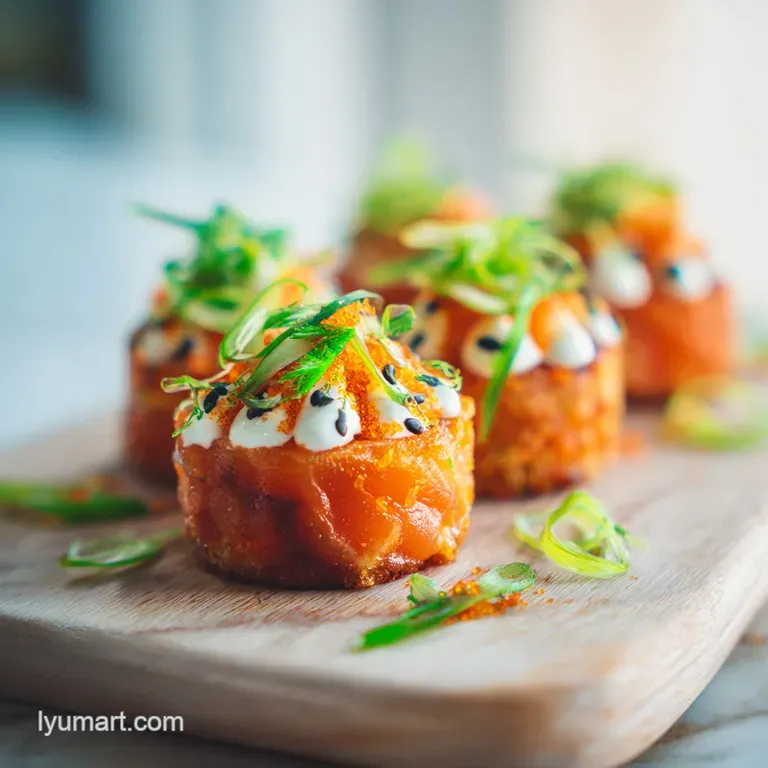
Preventing Mushy Rice Grains
If your rice feels more like mashed potatoes than distinct grains, you likely over stirred it while it was wet. To fix this next time, use a wooden paddle and a "cutting" motion rather than a circular stirring motion.
Also, ensure you are using short grain rice, as long grain won't have the sticky yet-firm structure needed for a sushi bake.
Rescuing Dry Cooked Fish
Sometimes the salmon can come out a bit parched if it was overcooked before being mixed. If your salmon flakes seem chalky, fold in an extra tablespoon of Kewpie mayo or a splash of the sweet chili sauce before baking the whole dish. This adds back the fat needed to keep the texture silky.
| Problem | Root Cause | Solution |
|---|---|---|
| Topping slides off rice | Rice wasn't pressed down | Use a damp spatula to firmly pack the rice base. |
| Nori becomes soggy | Steam from the rice | Only place the bake on the nori immediately before eating. |
| Too salty | Excess furikake/salt | Reduce the sea salt in the rice to 1/2 tsp if the furikake is heavy on salt. |
Common Mistakes Checklist
- ✓ Rinse your rice 3-4 times until the water runs clear to remove excess surface starch.
- ✓ Let the cream cheese reach true room temperature so it incorporates without white lumps.
- ✓ Pat the salmon dry with paper towels before the initial cook to get a better sear.
- ✓ Don't skip the sugar in the rice; it balances the high acidity of the vinegar.
- ✓ Use a sharp knife for the cucumber to get those thin, crisp matchsticks that provide the "snap."
Flavor Swaps for Every Budget
Scaling this recipe is quite simple because the ratios are forgiving. If you are cooking for a crowd, you can double the ingredients and use two separate baking dishes. When doubling, keep the spices at about 1.5x the original amount first, then taste and adjust; spices can become overwhelming when multiplied linearly.
For a smaller meal, you can easily halve the recipe and use a loaf pan for the perfect two person portion.
| Method | Time | Texture | Best For |
|---|---|---|---|
| Oven (400°F) | 20 mins | Caramelized top | Deep, roasted flavor |
| Air Fryer (375°F) | 12 mins | Extra crispy edges | Quick lunch for two |
| Broiler Only | 5 mins | Charred surface | When salmon is already hot |
Chef's Tip: If you want an extra layer of flavor, lightly toast your nori sheets over an open gas flame for 2 seconds before serving. It makes them stay crisp much longer!
Budget Friendly Shrimp Twist
If salmon is too pricey this week, you can swap it for chopped frozen shrimp. Thaw them, pat them dry, and give them a quick sauté before mixing with the spicy mayo. It gives a bouncy texture that is actually quite refreshing.
Low Carb Cauliflower Swap
For those watching carbs, use riced cauliflower. Sauté the cauliflower rice first to cook off the moisture, then season it with the vinegar and salt. It won't be as sticky, but the creamy salmon topping holds everything together surprisingly well.
Myths About Sushi Bakes
One common misconception is that you must use "sushi grade" salmon for this recipe. Since we are fully cooking the fish, standard fresh or even high-quality frozen salmon is perfectly safe and effective. "Sushi grade" is a marketing term mainly relevant for raw consumption.
Another myth is that you can't use regular mayo. While you can, the result will be quite different. Traditional mayo is made with whole eggs and often contains mustard or more vinegar, which can make the bake taste like a tuna salad sandwich.
Kewpie mayo uses only yolks and MSG, which provides that specific savory depth you find in Japanese restaurants.
Keeping Your Leftovers Fresh
Storage: Store any leftover bake in an airtight container in the fridge for up to 2 days. Keep the nori, cucumber, and avocado separate, as they will degrade much faster than the rice and fish.
Zero Waste: If you have leftover rice but no salmon, fry it up the next morning with an egg for a quick breakfast. Any leftover nori can be crumbled over ramen or salads.
To reheat the bake, use a microwave at 50% power to avoid "popping" the mayo, or pop it back in a 350°F (180°C) oven for 10 minutes to restore some of that top layer sizzle.
Making Every Scoop Look Professional
Presentation is everything with a dish that is essentially a "casserole." To make it look stunning, drizzle extra sriracha and mayo in a zigzag pattern across the top before it goes into the oven.
Once it comes out, a heavy dusting of extra furikake and a shower of fresh green onions adds color and life to the golden brown surface.
When serving, I like to put the cucumber matchsticks and avocado slices in small separate bowls on the table. It lets everyone build their own bites, which keeps the textures fresh and makes the meal feel interactive. If you want to go the extra mile, use a mandoline for the cucumbers to get those paper thin, professional looking slices that drape beautifully over the salmon. For another crowd favorite bake that uses a similar creamy meets savory logic, check out my Chicken Divan Recipe.
High in Sodium ⚠️
845 mg mg of sodium per serving (37% % of daily value)
The American Heart Association recommends limiting sodium intake to about 2,300mg per day for overall cardiovascular health.
Tips to Reduce Sodium in Your Salmon Sushi Bake
-
Reduce Salt in Rice-25%
Omit the sea salt when preparing the sushi rice. The furikake and other sauces already contribute significant sodium. This simple change can make a big difference.
-
Lower Sodium Sauces-20%
Replace the Kewpie Mayo, sriracha, and sweet chili sauce with low-sodium alternatives. Look for versions that are specifically labeled as reduced sodium or consider making your own!
-
Reduce Cream Cheese-15%
Use less cream cheese, or opt for a Neufchâtel cheese, which typically has slightly less sodium. Alternatively, consider a dairy-free alternative with no added sodium.
-
Control Furikake-10%
Furikake contains seaweed and other seasonings that can be high in sodium. Use it sparingly, or find a low-sodium furikake alternative if possible. You could even make your own sodium free blend!
-
More Veggies, Less Sauce-5%
Increase the amount of cucumber and avocado to balance the flavors without relying heavily on salty sauces. They also add healthy fats and nutrients!
-
Enhance with Herbs
Instead of relying solely on salt, experiment with fresh herbs like cilantro, dill, or parsley to boost the flavor profile of your sushi bake. These sodium free additions can make a big difference.
Recipe FAQs
Is it true I must use "sushi grade" salmon since this is a sushi bake?
No, this is a common misconception. Since the salmon is fully cooked through during the baking process, standard fresh or high-quality frozen salmon fillets are perfectly safe and effective for this recipe.
How to prevent the rice base from becoming a mushy paste?
Season the rice while it is steaming hot. Gently fold the vinegar mixture in using a slicing motion to avoid smashing the grains; this helps the starches set properly.
Can I substitute the Kewpie mayonnaise with standard mayonnaise?
Yes, but the flavor profile will change significantly. Kewpie mayo uses only egg yolks and MSG, providing the specific velvety richness required for authentic sushi flavor, which standard mayo often lacks.
How to make this bake ahead of time for a party?
Assemble the entire dish, but skip the final bake. Keep the layered, unbaked dish tightly covered in the refrigerator for up to 24 hours, increasing the bake time by about 5 minutes when ready to serve.
What is the best way to ensure the salmon topping stays moist?
Ensure the cream cheese is fully softened before mixing. The added fat from the soft cream cheese and mayo acts as an emulsifier, coating the cooked fish proteins and preventing them from drying out under the oven's heat.
How to make a low-carb version of the Spicy Salmon Sushi Bake?
Sauté riced cauliflower until most moisture is evaporated. After cooking down the cauliflower, treat it exactly like the sushi rice by seasoning it with the vinegar mixture; the creamy topping helps hold the texture together.
What is the crucial step for achieving that perfect toasted, caramelized crust?
Bake at 400°F (200°C) for the final 15-20 minutes. This high heat causes the sugars and fats in the mayo glaze to caramelize rapidly, creating the desirable brown, slightly crisp surface layer you look for.
Spicy Salmon Sushi Bake

Ingredients:
Instructions:
Nutrition Facts:
| Calories | 552 kcal |
|---|---|
| Protein | 19.8 g |
| Fat | 33.8 g |
| Carbs | 34.2 g |
| Fiber | 3.1 g |
| Sugar | 5.2 g |
| Sodium | 845 mg |
