Steak Gorgonzola Alfredo: Velvety Blue Cheese Cream Sauce
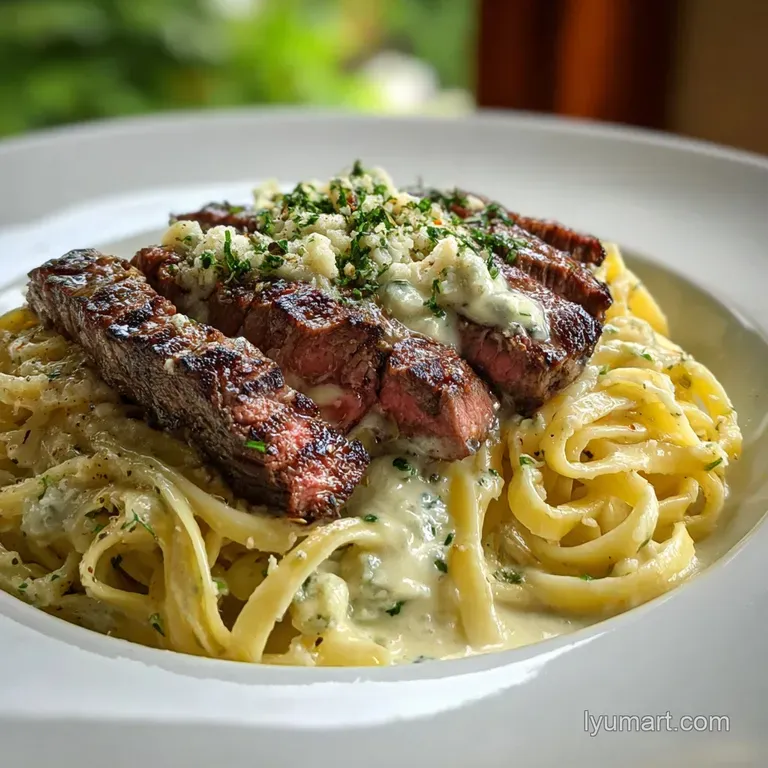
- Time: Active 15 minutes, Passive 20 minutes, Total 35 minutes
- Flavor/Texture Hook: Shatter crisp steak edges paired with a silky, tangy cream sauce
- Perfect for: Date nights or a "treat yourself" weeknight dinner
- The Science of Flavor Harmony
- Timing and Doneness Checkpoints
- Detailed Component Breakdown
- Sourcing Your Kitchen Elements
- Essential Cooking Equipment
- Cooking Steps with Sensory Cues
- Avoiding Common Cooking Pitfalls
- Simple Flavor Profile Variations
- Storage and Reheating Guidelines
- Perfect Side Dish Pairings
- High in Sodium
- Recipe FAQs
- 📝 Recipe Card
Honestly, I used to be terrified of making blue cheese pasta at home. I was worried it would be too "stinky" or that the sauce would break into a greasy mess. But after a few experiments (and some very happy taste testers), I figured out that Steak Gorgonzola Alfredo is actually one of the most forgiving, high reward meals you can make.
We’ve all had those nights where we want something a bit more interesting than basic buttered noodles, but we don't have the energy for a five course production. This is that recipe.
It’s got punchy flavor from the sun dried tomatoes and a peppery kick that balances the richness of the heavy cream perfectly.
Trust me on this one: don’t skip the sear on the steak. Getting those little 1 inch pieces properly browned is what transforms this from a simple pasta dish into something truly special. Let's get into why this method actually works every single time.
The Science of Flavor Harmony
Understanding how these ingredients interact makes you a better cook, not just a recipe follower. When we toss 1.5 lbs of top sirloin into a hot pan with avocado oil, we are looking for more than just "brown."
- Maillard Reaction: High heat creates new flavor compounds on the meat surface through a chemical reaction between amino acids and reducing sugars.
- Emulsification: The heavy cream and chicken bone broth combine with the fats in the cheese to create a stable, silky liquid that coats the pasta without separating.
- Acid Balance: The sun dried tomatoes provide a necessary hit of acidity that cuts through the heavy fat content of the Gorgonzola and Parmesan.
Perfect Crust Technique
Getting a mahogany crust on small steak pieces requires two things: high heat and dry meat. If your steak is wet, it will steam instead of sear. I always pat the sirloin dry with paper towels before seasoning with coarse sea salt and cracked black pepper.
This ensures that the energy of the pan goes directly into browning the surface rather than evaporating surface moisture.
Stable Sauce Secrets
The secret to a sauce that doesn't "break" (where the oil separates from the solids) is keeping the heat at a gentle simmer once the cheese is added. Gorgonzola dolce is naturally softer and higher in moisture than the aged "piccante" version, meaning it melts more consistently into the heavy cream and chicken bone broth.
Lightening the Flavor Profile
While this is a rich dish, the addition of two cups of fresh baby spinach at the very end isn't just for color. The slight bitterness and high water content of the spinach provide a fresh "snap" that prevents the sauce from feeling too heavy on the palate.
Timing and Doneness Checkpoints
Knowing exactly when to move to the next step is the difference between a velvety sauce and a gummy one. Use this table to track your progress as you cook.
| Steak Thickness | Cook Time | Internal Temp | Visual Cue |
|---|---|---|---|
| 1 inch cubes | 2-3 minutes | 135°F (Medium) | Deep brown crust on two sides |
| 1.5 inch cubes | 4-5 minutes | 135°F (Medium) | Exterior is firm to the touch |
| Thin strips | 1-2 minutes | 130°F (Med Rare) | Sizzling stops as moisture evaporates |
Since we are working with 1 inch pieces of top sirloin, they cook incredibly fast. You want to sear them in a single layer so they don't crowd the pan. Crowding lowers the temperature and leads to gray, boiled looking meat.
Detailed Component Breakdown
This recipe relies on a few heavy hitters. When you're making a Steak Gorgonzola Alfredo, the quality of your cheese and meat will dictate the final result.
This recipe is a bit more indulgent than my Tender & Seared recipe, but it uses similar over high heat techniques to ensure the protein stays juicy while building a flavor packed crust.
| Component | Science Role | Pro Secret |
|---|---|---|
| Top Sirloin | Protein structure | Let it sit at room temp for 15 mins before searing for even cooking. |
| Gorgonzola Dolce | Emulsifier & Flavor | Look for "Dolce" on the label; it’s creamier and less "sharp" than others. |
| Heavy Cream | Fat base | Use full fat cream to prevent the sauce from curdling when it hits the acid. |
| Avocado Oil | Heat conductor | Its high smoke point allows for a hard sear without the oil burning. |
Using chicken bone broth instead of just more cream adds a layer of savory "umami" that makes the sauce taste more complex. It also helps thin the sauce just enough so it doesn't turn into a thick paste as it cools.
Sourcing Your Kitchen Elements
Before you start the stove, make sure your "mise en place" (everything in its place) is ready. This dish moves fast once the steak hits the pan.
- 1.5 lbs Top Sirloin medallions: Cut into 1 inch pieces. Why this? Sirloin is lean but tender enough for quick searing without being overpriced.
- 12 oz Dried Fettuccine pasta: Use a high-quality bronze cut pasta if possible. Why this? The rough texture helps the creamy sauce cling better.
- 4 oz Gorgonzola dolce cheese: Crumbled. Why this? Provides the signature tang and creamy meltability.
- 0.5 cup Sun dried tomatoes: In oil, julienned. Why this? Concentrated sweetness and acidity to balance the fat.
- 2 cups Fresh baby spinach: Packed. Why this? Adds vitamins and a fresh textural contrast.
- 1 cup Heavy cream: Do not use half and half here.
- 0.5 cup Chicken bone broth: Low sodium is best to control the salt.
- 0.5 cup Parmesan cheese: Freshly grated is mandatory.
- 3 cloves Garlic: Minced finely.
- 2 tbsp Unsalted butter: To build the base of the sauce.
- 1 tbsp Avocado oil: For the over high heat steak sear.
- Salt and Pepper: Coarse sea salt and freshly cracked black pepper.
| Original Ingredient | Substitute | Why It Works |
|---|---|---|
| Top Sirloin | Filet Mignon | More tender, but significantly more expensive. |
| Gorgonzola Dolce | Blue Cheese crumbles | Sharper, more aggressive flavor. Note: Sauce may be slightly less creamy. |
| Sun dried Tomatoes | Roasted Red Peppers | Similar sweetness but lacks the acidic "zing" of tomatoes. |
Essential Cooking Equipment
You don't need a kitchen full of gadgets, but two tools are non negotiable for this Steak Gorgonzola Alfredo. First, a large cast iron or heavy stainless steel skillet. You need something that retains heat well so the temperature doesn't drop when the steak hits the surface.
Second, a large pot for the fettuccine. You want plenty of water so the pasta can move freely, which prevents it from sticking together. A simple tong set is also better than a pasta fork for tossing the final dish, as it allows you to fold in the spinach without crushing the steak pieces.
Chef's Tip: Use the oil from the sun dried tomato jar to sear the steak if you want an extra layer of concentrated tomato flavor. It's liquid gold!
Cooking Steps with Sensory Cues
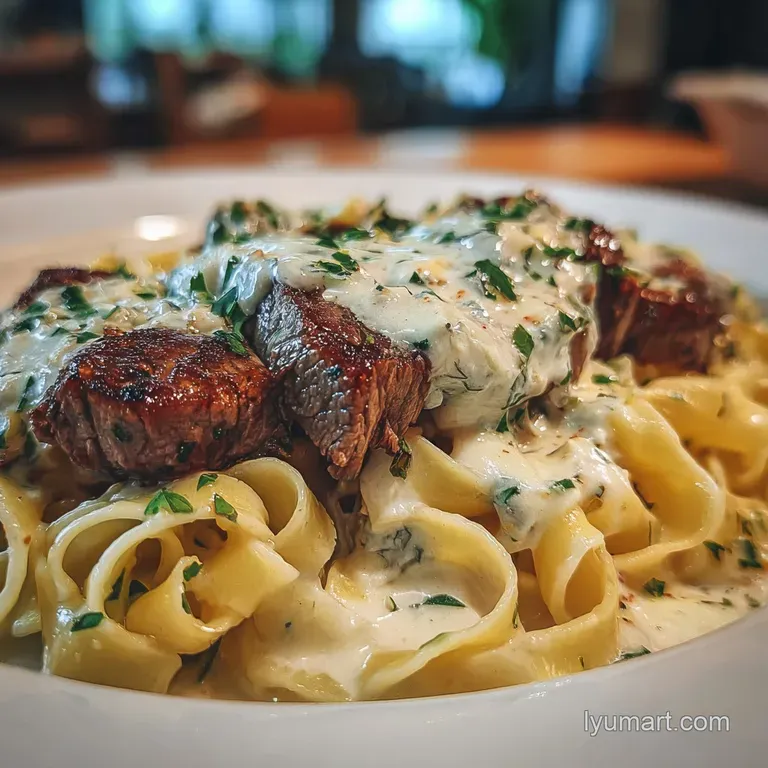
Follow these steps closely to ensure your steak is tender and your sauce is velvety.
Phase 1: The Perfect Steak Sear
- Prep the steak. Pat the 1.5 lbs of top sirloin dry and toss with 1 tsp coarse sea salt and 0.5 tsp black pepper.
- Heat the pan. Add 1 tbsp avocado oil to your skillet over medium high heat until the oil shimmers and barely wisps smoke.
- Sizzle and sear. Add steak in a single layer. Cook for 2-3 minutes until a deep brown crust forms. Flip and cook for 1 more minute.
- Rest the meat. Remove steak to a plate and cover loosely with foil. Note: This allows the juices to redistribute so they don't leak into your sauce.
Phase 2: Pasta and Aromatics
- Boil the pasta. Cook 12 oz fettuccine in salted water until just shy of al dente (usually 1-2 minutes less than the box says).
- Sauté aromatics. In the same skillet used for the steak, melt 2 tbsp butter. Add 3 minced garlic cloves until fragrant and pale gold (about 1 minute).
Phase 3: Building the Cream Sauce
- Deglaze the pan. Pour in 0.5 cup chicken bone broth, scraping the bottom of the pan to release the brown bits (fond).
- Thicken with cream. Stir in 1 cup heavy cream and 0.5 cup sun dried tomatoes. Simmer for 3-5 minutes until the liquid reduces slightly and coats a spoon.
- Melt the cheese. Lower heat to medium low. Whisk in 4 oz Gorgonzola and 0.5 cup Parmesan until the sauce is silky and smooth.
Phase 4: The Final Assembly
- Toss and wilt. Add the cooked pasta and 2 cups baby spinach directly to the sauce. Toss for 1-2 minutes until the spinach wilts and the sauce clings to the noodles.
- Final touch. Fold the steak and any accumulated juices back into the pan. Serve immediately while the sauce is glossy and hot.
If you enjoy the base of this sauce but want something even faster on a Monday night, my Creamy Garlic Pasta Recipe uses a similar emulsification technique without the steak searing steps.
Avoiding Common Cooking Pitfalls
Cooking with heavy cream and pungent cheeses can be tricky if you aren't used to it. The most common issue people have with Steak Gorgonzola Alfredo is the sauce "tightening" up too quickly.
Fixing Grainy Sauces
If your sauce looks grainy or curdled, it usually means the heat was too high when the cheese was added. Cheese is a delicate emulsion of fat and protein; high heat causes the proteins to clump together and the fat to leak out. Always drop your temperature before the Gorgonzola goes in.
Solving Tough Meat
If your steak feels like rubber, you likely crowded the pan. When meat sits in its own juices because the pan isn't hot enough, it "stews" rather than sears. This tightens the muscle fibers without creating the flavor we want.
| Problem | Root Cause | Solution |
|---|---|---|
| Sauce is too thick | Excessive reduction | Stir in 2-3 tbsp of reserved pasta water to loosen it. |
| Steak is gray/bland | Wet meat surface | Always pat steak dry before seasoning and searing. |
| Spinach is slimy | Overcooked | Add spinach at the very last second; the residual heat is enough. |
Common Mistakes Checklist: ✓ Never rinse your pasta after boiling (the starch helps the sauce stick). ✓ Use a heavy bottomed pan to prevent the cream from scorching.
✓ Don't add the steak juices back until the very end to keep the sauce "clean." ✓ Grate your own Parmesan; pre shredded cheese is coated in potato starch which makes sauces gritty. ✓ Ensure the Gorgonzola is at room temperature for faster melting.
Simple Flavor Profile Variations
This recipe is incredibly versatile. While the "classic" version is my favorite, you can easily adapt it based on what's in your fridge or your dietary needs.
Spicier Flavor Variations
If you want more heat, add 0.5 tsp of red pepper flakes when you sauté the garlic. The fat in the cream will carry the heat beautifully across your palate without it being overwhelming. You can also use a "Piccante" Gorgonzola, which is aged longer and has a much sharper, spicy bite than the "Dolce" version.
gluten-free Adaptations
This dish is naturally easy to make gluten-free. Simply swap the fettuccine for your favorite gluten-free pasta brand (corn/rice blends usually hold up best in heavy sauces). Ensure your chicken bone broth is certified gluten-free, as some brands use yeast extract derived from barley.
Kitchen Shortcuts Comparison:
| Method | Time | Texture | Best For |
|---|---|---|---|
| Traditional | 35 mins | Complex, layered | Weekend dates, guests |
| Fast Prep | 20 mins | Softer, less crust | High speed weeknights |
| One Pot | 30 mins | Starchier, thicker | Minimal cleanup |
For the "Fast Prep" version, you can buy pre cooked steak strips, though you lose that incredible "shatter" texture from a fresh sear.
Storage and Reheating Guidelines
Alfredo style sauces are notorious for separating when reheated in the microwave. Because the sauce is a delicate balance of fat and liquid, the high, uneven heat of a microwave often causes the butter to leak out, leaving you with greasy noodles and clumps of cheese.
Storage: Store leftovers in an airtight container in the fridge for up to 3 days. I do not recommend freezing this dish, as the cream and Gorgonzola will lose their silky texture and become grainy upon thawing.
Reheating: The best way to revive Steak Gorgonzola Alfredo is on the stovetop. Place the leftovers in a small skillet over low heat. Add 1-2 tablespoons of milk or water.
Cover the pan for 2 minutes to let the steam loosen the noodles, then stir gently until the sauce becomes creamy again.
Zero Waste Tip: If you have leftover sun dried tomato oil, use it the next morning to fry eggs. The garlic and herb infusions in that oil are incredible. Also, don't toss your Parmesan rinds! Toss them into your next pot of vegetable soup for a massive flavor boost.
Perfect Side Dish Pairings
Because this dish is so rich and savory, you want sides that offer a crisp, acidic, or bitter contrast to cleanse the palate between bites.
A simple arugula salad with a lemon vinaigrette is my go to. The peppery bite of the arugula mimics the black pepper in the steak, while the lemon juice cuts right through the Gorgonzola cream. If you want something heartier, roasted balsamic Brussels sprouts are a fantastic match.
If you find yourself with extra steak but no more pasta, you can actually use the same steak searing technique for a Steak Sandwich Recipe. Just skip the heavy cream and use the Gorgonzola as a spread on toasted ciabatta.
This Steak Gorgonzola Alfredo is one of those recipes that makes you feel like a pro cook with very little actual "work." It’s about the sizzle of the steak, the aroma of the garlic, and that first velvety bite of cheese coated pasta. Give it a try this week your kitchen (and your stomach) will thank you.
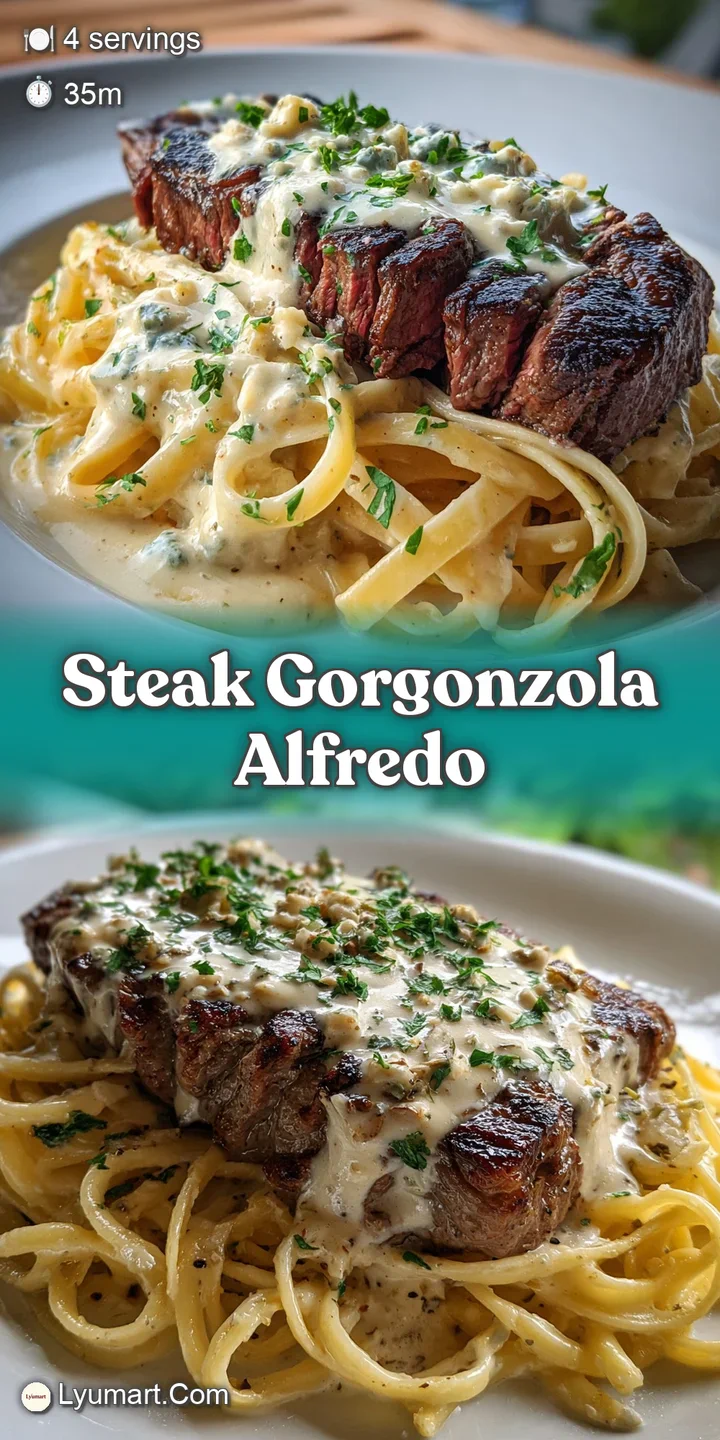
High in Sodium
845 mg mg of sodium per serving (37% of daily value)
The American Heart Association recommends limiting sodium intake to about 2,300mg per day for adults.
Smart Swaps for Lower Sodium
-
Broth Boost-30%
Substitute the low-sodium chicken bone broth with homemade broth that you can control the sodium levels in. This simple swap can reduce sodium considerably. Use unsalted chicken stock as another substitute to lower sodium intake.
-
Salt Sense-25%
Eliminate the coarse sea salt entirely. Taste the dish after cooking and add a pinch of salt only if absolutely necessary. A little goes a long way.
-
Cheese Choices-15%
Reduce the amount of Gorgonzola and Parmesan cheese used by half. Consider using a lower sodium cheese alternative, or simply using less to cut back on sodium. Consider Swiss or Monterey Jack cheese as a low-sodium alternative.
-
Tomato Tweak-10%
Rinse the julienned sun-dried tomatoes thoroughly with water before adding them to the recipe. This helps remove some of the excess sodium from the oil and the tomatoes themselves. Use fresh tomatoes to substitute.
-
Herb Harmony
Enhance the dish's flavor with fresh herbs like basil, oregano, or thyme instead of relying on salt. Experiment with different combinations to find your favorite blend. Fresh herbs add depth without any sodium.
Recipe FAQs
Is steak gorgonzola Alfredo good?
Yes, it's a fantastic dish! It balances the savory sear of steak with the rich, tangy flavor of gorgonzola in a creamy Alfredo sauce. The combination creates a truly decadent and satisfying meal that feels restaurant quality.
Does Olive Garden still have steak gorgonzola Alfredo?
No, Steak Gorgonzola Alfredo is not currently on the Olive Garden menu. It was a popular special item, but it's not a permanent fixture. You can recreate this delicious dish at home anytime!
What are the ingredients in gorgonzola Alfredo steak?
Key ingredients include top sirloin steak, fettuccine pasta, gorgonzola cheese, heavy cream, Parmesan cheese, garlic, sun-dried tomatoes, and butter. The steak is seared for a flavorful crust, then combined with a rich, creamy sauce infused with gorgonzola and other aromatics.
Is gorgonzola cheese good on steak?
Yes, gorgonzola cheese is excellent on steak! Its sharp, tangy, and slightly funky flavor profile cuts through the richness of the steak, creating a complex and delicious pairing. The creaminess of gorgonzola also lends itself beautifully to sauces for steak.
How do I get a good sear on my steak for this dish?
Pat your steak completely dry and use a hot pan with a high smoke point oil. High heat is crucial for the Maillard reaction, creating that desirable brown crust. Avoid overcrowding the pan; sear in batches if necessary to maintain pan temperature and ensure even browning.
Can I substitute the gorgonzola cheese?
Yes, you can make substitutions, but it will alter the flavor. A sharp blue cheese can work, though it might be more intense. For a milder creaminess, consider using a sharp white cheddar or a blend of cream cheese and Parmesan. If you enjoyed mastering the flavor balance here, see how we achieve similar complexity in our Pasta Penne Pasta: Smoky Velvet Sauce.
What's the best way to reheat leftover steak gorgonzola alfredo?
Stovetop reheating is best to prevent separation. Gently heat the leftovers in a skillet over low heat with a splash of milk or water, stirring constantly until the sauce is creamy again. Microwaving can sometimes cause the fats to separate, leaving the sauce greasy.
Steak Gorgonzola Alfredo
Ingredients:
Instructions:
Nutrition Facts:
| Calories | 1128 kcal |
|---|---|
| Protein | 70.9 g |
| Fat | 62.3 g |
| Carbs | 71.8 g |
| Fiber | 3.2 g |
| Sugar | 4.5 g |
| Sodium | 845 mg |
