Sweet Sticky Glazed Brussels Sprouts with Honey
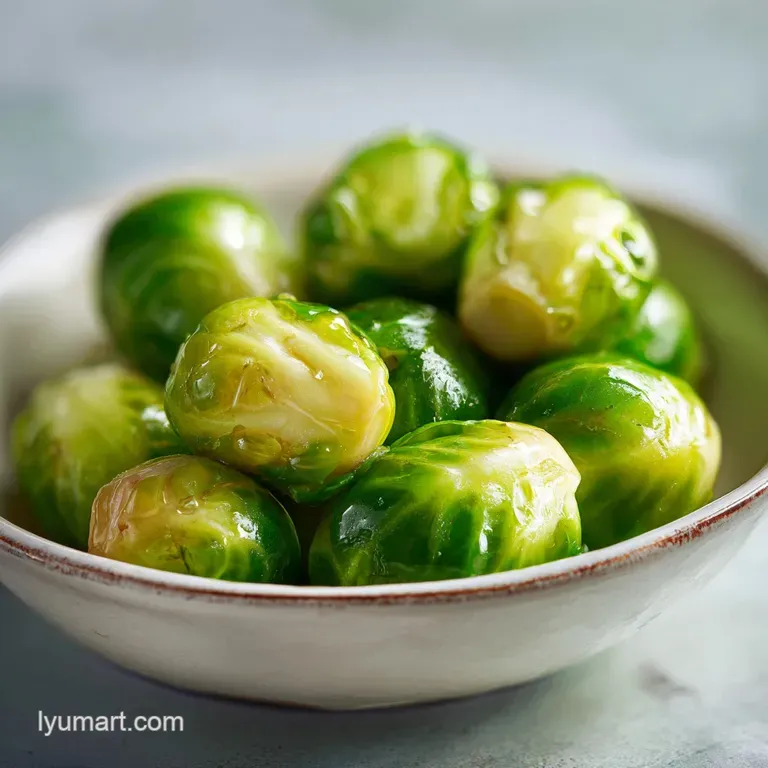
- Time: Active 10 minutes, Passive 18 minutes, Total 28 minutes
- Flavor/Texture Hook: Shatter crisp edges with a velvety, sweet heat glaze
- Perfect for: Busy weeknights, holiday side dishes, or meal prep beginners
- The Chemistry of Heat and Honey for Perfect Caramelization
- Essential Timing and Temperature Specs for Success
- The Science Behind Each Ingredient and Smart Substitutes
- Minimal Tools Required for This Fast Veggie Side
- Simple Steps to Achieving a Velvety Honey Glaze
- Troubleshooting Texture Flaws and Common Cooking Mistakes
- Scaling Your Batch for Large Groups or Solo
- Creative Variations Using Pantry Staples and Sweet Swaps
- Debunking Traditional Sprout Cooking Methods and Old Wives' Tales
- Smart Storage Solutions and Zero Waste Leftover Ideas
- Perfect Pairing Ideas to Complete Your Affordable Meal
- Recipe FAQs
- 📝 Recipe Card
The Chemistry of Heat and Honey for Perfect Caramelization
The Fructose Flash Point: Honey contains high levels of fructose, which caramelizes at a lower temperature than granulated sugar, allowing for a deep mahogany glaze without a long roasting time.
Maillard Reaction Maximization: Slicing the sprouts in half increases the surface area exposed to the hot pan, creating more room for the amino acids and sugars to react and produce that savory, charred flavor.
Emulsified Adhesion: The Dijon mustard acts as a bridge between the olive oil and the honey, creating a stable emulsion that grips the sprout instead of sliding off to the bottom of the pan.
| Method | Time | Texture | Best For |
|---|---|---|---|
| Stovetop | 12 minutes | Extra charred and smoky | When the oven is full |
| Oven Roast | 18 minutes | Evenly tender and crispy | Hands off multitasking |
| Air Fryer | 10 minutes | Maximum "shatter" crunch | Small batches for two |
Choosing the right method depends on your kitchen flow, but for this specific recipe, the oven provides the most consistent results for a family sized batch. If you are looking for more vegetable inspiration, you might enjoy my Crispy & Velvety recipe which uses a similar over high heat technique.
Essential Timing and Temperature Specs for Success
When we talk about being "ready fast," we mean it. This recipe is designed to fit into the gaps of your evening routine. We use a standard oven temperature of 200°C (400°F) because it is high enough to blister the outer leaves before the centers turn into mush.
If you go lower, you lose the crunch; go higher, and the honey glaze might transition from caramelized to burnt before the sprouts are tender.
We are working with 1 lb (about 450g) of fresh sprouts. This is the perfect amount for a standard 18x13 inch rimmed baking sheet. If you try to double this on one pan, you will end up steaming them rather than roasting them.
Trust me, I have tried to take that shortcut, and the result was a soggy mess that lacked that signature "sizzle."
1. over High heat Preparation
Preheating the oven to 200°C is non negotiable. I actually suggest sliding your empty baking sheet into the oven while it preheats. When you eventually toss the sprouts onto that hot metal, you get an immediate sear that locks in the color.
2. The Dry Roast Phase
We roast the sprouts with just olive oil, salt, and pepper for the first 15 minutes. Adding the glaze too early is a mistake I once made that resulted in a blackened, bitter tray of charcoal. The sugars in the honey need very little time to do their job.
3. The Flash Glaze Finish
The final 3 minutes are where the magic happens. We pull the pan out, drizzle the honey mixture, and toss. The residual heat from the 200°C oven thickens the honey instantly, turning it into a "velvety" coating that sticks to every leaf.
The Science Behind Each Ingredient and Smart Substitutes
The beauty of this dish lies in the balance. You have the bitterness of the brassica, the sweetness of the honey, the salt, and the acidic kick of the Dijon. Each component has a job to do beyond just tasting good.
| Ingredient | Science Role | Pro Secret |
|---|---|---|
| Fresh Brussels Sprouts | Structural base | Halve them through the root to keep leaves attached |
| Raw Honey | Browning agent | Use room temp honey for easier whisking |
| Dijon Mustard | Emulsifier | Prevents the oil from separating in the glaze |
| Garlic Powder | Umami booster | Won't burn like fresh minced garlic at high heat |
Using fresh sprouts is essential here. Frozen ones contain too much internal moisture to ever achieve that "shatter" texture we are looking for. They will taste fine, but they won't have that satisfying bite.
| Original Ingredient | Substitute | Why It Works |
|---|---|---|
| 2 tbsp Honey | 2 tbsp Maple Syrup | Similar sugar profile. Note: Adds a woodsy flavor |
| 1.5 tbsp Olive Oil | 1.5 tbsp Avocado Oil | High smoke point, very neutral flavor |
| 1 tsp Dijon Mustard | 1 tsp Yellow Mustard | Provides the same vinegar tang and emulsification |
While these are roasting, you could easily prep a main like my favorite Honey Garlic Chicken recipe to keep the theme of that delicious glaze going throughout the meal.
Minimal Tools Required for This Fast Veggie Side
You don't need a pantry full of gadgets to make this work. In fact, using fewer tools often leads to better results because there is less cleanup and more focus on the technique.
- Rimmed Baking Sheet: A large one (18x13 inch) is best to avoid overcrowding.
- Mixing Bowl: Large enough to toss the sprouts vigorously.
- Whisk: A small one to make sure the honey and Dijon are fully integrated.
- Chef's Knife: Sharp enough to slice through the dense stems without crushing them.
Chef's Tip: If you don't have a whisk, use a small glass jar. Put the honey, mustard, and spices inside, screw the lid on tight, and shake it like a cocktail. It creates a perfectly smooth emulsion in seconds with zero mess.
Simple Steps to Achieving a Velvety Honey Glaze
- Prep the sprouts. Trim the brown ends off the 1 lb of Brussels sprouts and slice them in half lengthwise.
- Season thoroughly. Toss the halves in a bowl with 1.5 tbsp olive oil, 0.5 tsp sea salt, and 0.25 tsp cracked black pepper.
- Arrange for contact. Place them on the baking sheet cut side down. Note: This ensures the flat surface gets maximum browning.
- Initial roast. Slide into the 200°C oven for 15 minutes until the outer leaves are charred and the bottoms are golden.
- Mix the glaze. While they roast, whisk together 2 tbsp raw honey, 1 tsp Dijon mustard, 0.5 tsp garlic powder, and a pinch of red pepper flakes.
- Apply the honey. Remove the pan from the oven and pour the glaze over the hot sprouts.
- Toss and coat. Use a spatula to move them around until every sprout looks glossy and "velvety".
- The final sizzle. Return to the oven for 3 minutes until the glaze is bubbling and tacky.
- Rest briefly. Let them sit on the pan for 2 minutes. This allows the glaze to set so it doesn't slide off when serving.
Troubleshooting Texture Flaws and Common Cooking Mistakes
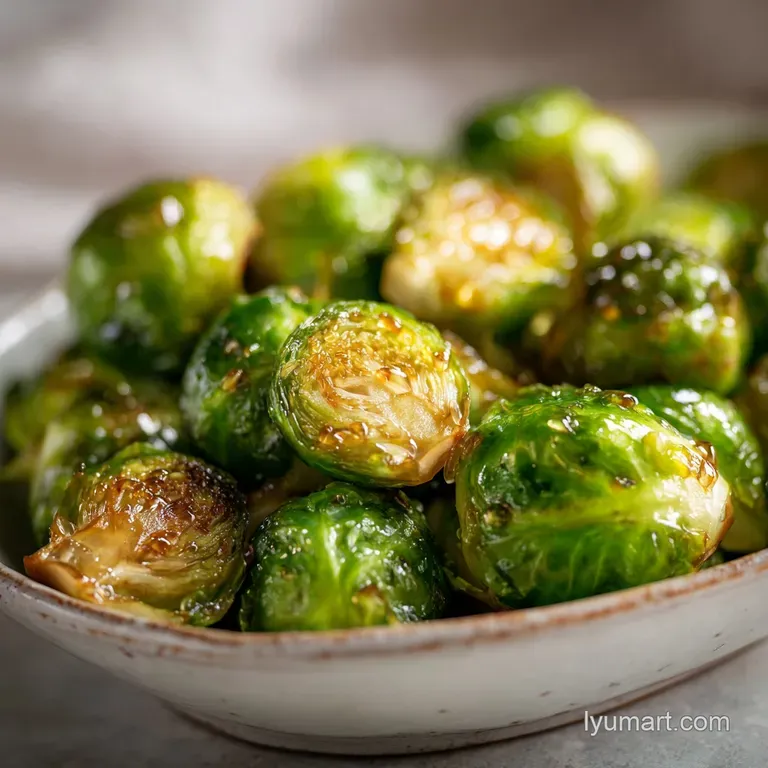
Even a simple recipe can go sideways if you miss a few key visual cues. Most issues with sprouts come down to moisture management and temperature control.
The Problem of Soggy Sprouts
If your sprouts come out limp instead of crispy, it is almost always due to overcrowding. When the sprouts are too close together, the moisture they release turns into steam. This "steams" the vegetable from the outside in, preventing the Maillard reaction.
The Bitter Burned Glaze
Honey burns at a much lower temperature than the vegetable itself. If you apply the glaze at the start of the cooking process, the sugar will carbonize and turn bitter before the sprouts are actually cooked through. Always wait for that "Flash Glaze" window in the last few minutes.
| Problem | Root Cause | Solution |
|---|---|---|
| Gray, dull color | Under seasoning or low heat | Use 200°C and don't skip the sea salt |
| Tough, woody core | Stem not trimmed | Slice off the very bottom of the root end |
| Glaze is too runny | Not enough roasting time | Ensure the final 3 minute "sizzle" happens |
Common Mistakes Checklist
- ✓ Pat the sprouts completely dry after washing to ensure the oil sticks.
- ✓ Don't skip the Dijon; it’s the "glue" that keeps the honey from pooling on the pan.
- ✓ Place as many as possible cut side down for that crispy "shatter" texture.
- ✓ Use a metal spatula to scrape up the caramelized bits that's where the flavor lives.
- ✓ Check for doneness by piercing the root with a fork; it should be tender but not mushy.
Scaling Your Batch for Large Groups or Solo
If you're making this for a holiday dinner or just a quick lunch for one, you'll need to adjust your approach slightly. Because this recipe relies so heavily on pan contact, scaling isn't always as simple as doubling the numbers.
Scaling Down (Solo Dinner): If you're only using 1/2 lb of sprouts, keep the oven temperature the same but start checking for doneness at the 12 minute mark. You can use a smaller toaster oven tray to save energy.
Scaling Up (Feeding a Crowd): For 2 lbs or more, you must use two separate baking sheets. Do not try to pile them onto one pan. Rotate the pans between the top and bottom racks halfway through the roasting time to ensure even browning.
You may need to increase the salt and spices to 1.5x the original amount, but keep the honey at a strict 2x ratio to avoid over sweetening.
Creative Variations Using Pantry Staples and Sweet Swaps
Once you have the base technique down, you can play with the flavors based on what is in your cupboard. This recipe is incredibly forgiving as long as you maintain the fat to sugar ratio.
1. The Zesty Alternative
Swap the Dijon mustard for 1 tsp of lemon zest and a squeeze of fresh juice. This creates a brighter, more Mediterranean profile that pairs beautifully with grilled fish or chicken. The acid from the lemon cuts through the density of the sprout perfectly.
2. The Sweet Brussel Sprouts Recipe Brown Sugar Swap
If you are out of honey, use dark brown sugar. It has a higher molasses content which adds a deep, almost smoky sweetness. Mix the sugar with a teaspoon of water before whisking it with the mustard to ensure it dissolves into a smooth glaze.
Debunking Traditional Sprout Cooking Methods and Old Wives' Tales
There are so many "rules" about cooking sprouts that simply don't hold up to modern kitchen science. Let's clear up some of the most common misconceptions.
Myth: You must boil sprouts before roasting to ensure they are cooked. This is the fastest way to ruin a sprout. Boiling introduces excess water into the leaves, which makes it impossible for them to get crispy in the oven.
A over high heat roast at 200°C is more than enough to soften the core while crisping the shell.
Myth: Soaking sprouts in salt water removes the bitterness. While salt can mask bitter flavors on the tongue, soaking the sprouts just makes them wet. The real way to combat bitterness is through caramelization.
The natural sugars in the vegetable, combined with the honey, create a flavor profile that balances the earthy notes perfectly.
Smart Storage Solutions and Zero Waste Leftover Ideas
These are definitely best eaten fresh out of the oven, but if you have leftovers, don't let them go to waste.
Storage: Keep them in an airtight container in the fridge for up to 4 days. I don't recommend freezing them once they are glazed, as the honey will become sticky and the texture will turn soft upon thawing.
Reheating for Texture: Never use the microwave for these! It will turn them into rubber. Instead, throw them back into a hot pan or an air fryer for 3-4 minutes. This reactivates the sugars in the glaze and brings back a bit of that "sizzle."
Zero Waste Tip: Don't throw away the loose leaves that fall off during trimming! Toss them in the oil and salt along with the halves. They will cook faster and turn into "sprout chips" that are arguably the best part of the whole tray.
Perfect Pairing Ideas to Complete Your Affordable Meal
Because these Sweet Sticky Glazed Brussels Sprouts Ready Fast with Honey have such a bold flavor, they work best alongside proteins that are relatively simple.
1. The Protein Partner
These are a dream alongside a roast chicken or a pan seared pork chop. The acidity in the Dijon glaze helps cut through the richness of the meat. If you're looking for a complete menu, pairing these with a simple starch and a lean protein makes for a balanced, affordable 30 minute meal.
2. The Texture Topper
Right before serving, I love to hit these with a handful of toasted walnuts or some crispy pancetta bits. The extra crunch from the nuts against the "velvety" glaze is a total game changer.
If you want a bit more kick, another pinch of red pepper flakes or a dash of hot honey can take this from a standard side to the star of the show. Enjoy the process and remember, the darker the char, the better the flavor!
Recipe FAQs
Can I substitute maple syrup for honey in this glaze?
Yes, maple syrup works well as a direct substitute. Maple syrup provides a similar sugar profile and will caramelize, though it will impart a slightly woodsy flavor compared to pure honey.
How to ensure the glaze doesn't burn before the sprouts are tender?
Add the glaze only during the final three minutes of cooking. High heat caramelizes honey quickly; roasting the sprouts initially with just oil prevents the sugars from burning before the vegetable softens.
Why are my finished Brussels sprouts soggy instead of crispy?
No, crispness is lost due to overcrowding or too much moisture. Ensure you are using a large baking sheet so the sprouts have direct contact with the hot metal, allowing them to roast rather than steam.
Is it true that I must use a low temperature if using honey in the glaze?
No, this is a common misconception. This recipe thrives on high heat (200°C/400°F) to achieve rapid blistering, which is precisely why the glaze is applied last; the high temperature is needed for fast color development.
What is the main role of Dijon mustard in the honey glaze mixture?
The Dijon acts as an emulsifier to stabilize the glaze. It helps bind the oil and honey together so the coating adheres evenly to the sprouts rather than separating on the pan surface.
How should I reheat leftovers to maintain the desired texture?
Reheat them in a hot skillet or an air fryer for 3-4 minutes. Avoid the microwave, as reheating under dry heat reactivates the caramelized sugars and restores the crisp exterior texture.
What other vegetable pairs well with this sweet and savory flavor profile?
Roasted root vegetables benefit greatly from this sticky glaze technique. If you enjoyed mastering the browning achieved here, see how the same high heat application works to maximize texture in my Crispy Garlic Sweet recipe.
Sticky Honey Sprouts Ready Fast
Ingredients:
Instructions:
Nutrition Facts:
| Calories | 126 calories |
|---|---|
| Protein | 3.8 g |
| Fat | 5.4 g |
| Carbs | 18.9 g |
| Fiber | 4.3 g |
| Sugar | 11.2 g |
| Sodium | 305 mg |
