Tacos De Lengua: Melt-In-Your-Mouth Perfection
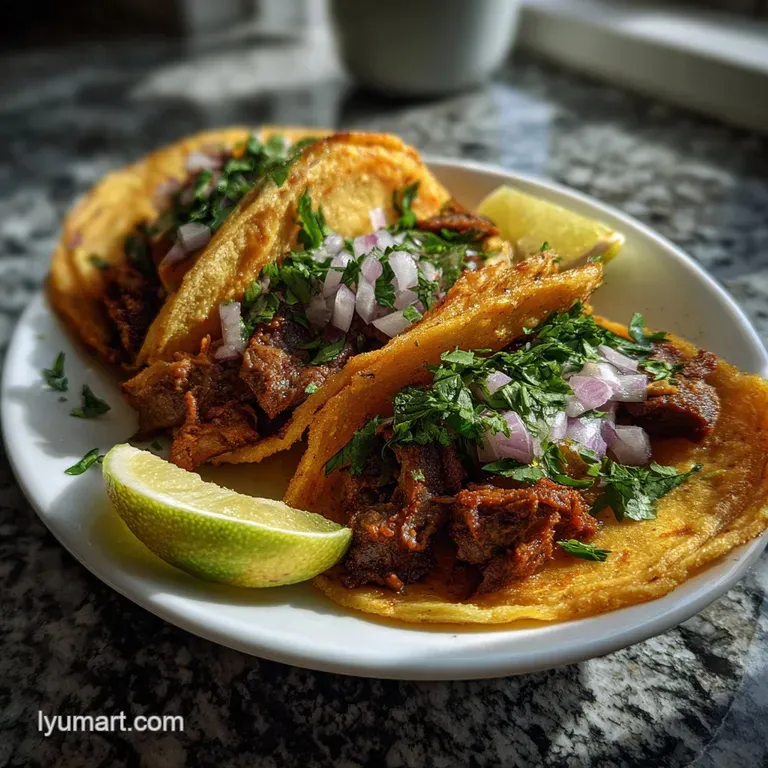
- Time: Active 20 minutes, Passive 3 hours 30 mins, Total 3 hours 50 mins
- Flavor/Texture Hook: Velvety interior with charred, crispy edges
- Perfect for: Lazy Sunday family dinners or traditional taco nights
- Why Slow Braising Works Best
- Timing for Velvety Meat Results
- Picking High Quality Fresh Ingredients
- Basic Tools for Simple Cooking
- Step-By-Step Cooking Method Guide
- Solving Tough or Rubbery Meat
- Smart Flavor Swaps and Ideas
- Storing and Using Leftover Meat
- Plating for the Family Table
- Debunking Common Tongue Myths
- Very High in Sodium
- Recipe FAQs
- 📝 Recipe Card
Listen, I know exactly what you're thinking because I was there once too. Looking at a whole beef tongue on the cutting board is, well, a lot. It’s intimidating, it’s huge, and it looks nothing like the tender, succulent meat you get at your favorite taco truck.
But trust me on this: once you get past the initial "visual," you are looking at one of the most flavorful cuts of beef on the planet.
We’ve all had those tacos that are either too chewy or totally bland, right? That usually happens when someone rushes the process or skips the aromatics. I once made the mistake of undercooking the tongue because I was hungry, and let’s just say it was like chewing on a rubber band. Never again.
This recipe is about patience and simple physics. We are going to simmer it until the skin practically slides off, then dice it small and sear it in lard until the edges shatter when you bite into them. It’s a total classic that never fails to impress anyone lucky enough to grab a plate.
Why Slow Braising Works Best
The Science of Why it Works: Long term exposure to moist heat triggers protein denaturation, specifically breaking down the tough collagen fibers into silky gelatin. This process requires maintaining a steady simmer below boiling to ensure the muscle fibers don't tighten up and become dry.
Rendering Collagen into Gelatin
Beef tongue is a hardworking muscle packed with connective tissue that stays tough if cooked quickly. By simmering it for 3 hours 30 mins, we allow the collagen to dissolve. This creates that signature velvety mouthfeel that makes de lengua so sought after by taco fans.
Timing the Thermal Peel
The outer skin of the tongue is a protective barrier that must be removed after cooking. Heat expands the space between the skin and the meat, making it easy to peel while warm. If you let it cool completely before peeling, the skin re adheres, turning a simple task into a frustrating chore.
Mastering the Maillard Sear
While the braised meat is tender, it lacks structural contrast. Dicing the meat and hitting it with high heat in lard triggers the Maillard reaction. This creates a savory, browned crust on the outside of the cubes while the center stays buttery and soft.
| Cooking Method | Total Time | Texture Result | Best For |
|---|---|---|---|
| Stovetop Simmer | 3 hours 30 mins | Ultra tender, juicy | Traditional texture |
| Pressure Cooker | 1 hours 15 mins | Very soft, less control | Busy weeknights |
| Slow Cooker | 8 hours | Falls apart easily | Set it and forget it |
If you have the time, the stovetop method is my go to for these tacos de lengua. It gives you the most control over the simmer, so you don't accidentally turn the meat into mush. Speaking of tender meat, if you're looking for another beefy project, you should try this Tender & Seared recipe for a different kind of taco night.
Timing for Velvety Meat Results
| Ingredient | Science Role | Pro Secret |
|---|---|---|
| 1 Beef Tongue | Primary Protein | Soak in cold water for 30 mins first to remove excess surface blood. |
| 2 tbsp Lard | Heat Transfer | Use pork lard for an authentic "taquería" flavor profile and higher smoke point. |
| 4 Bay Leaves | Aromatic Depth | Bruise the leaves before adding to release essential oils into the water. |
Success with this tacos de lengua de res recipe starts with a clean simmer. Always skim off the grayish foam that rises to the top in the first 20 minutes of boiling.
It’s just denatured proteins, but removing it keeps the cooking liquid clear and prevents any "off" metallic flavors from sticking to your meat.
Picking high-quality Fresh Ingredients
- 1 beef tongue (approx. 3 lbs): Look for one that is pinkish grey, not dark brown. Why this? Freshness ensures a clean flavor without heavy mineral notes.
- 1 white onion, halved: This flavors the braising liquid. Why this? White onions provide a sharp, clean sweetness compared to yellow.
- 1 head of garlic, sliced crosswise: Don't even bother peeling the cloves. Why this? Slicing the whole head exposes every clove for maximum infusion.
- 4 dried bay leaves: A must have for any long braise. Why this? They provide a subtle, herbal backbone that cuts through the fat.
- 10 black peppercorns: Adds a slow, gentle heat.
- 2 tbsp sea salt: Use a high-quality salt for the broth.
- 4 liters water: Enough to keep the tongue fully submerged.
- 2 tbsp lard: This is the secret to the crispy edges.
- 1 tsp cumin seeds: Toast them in a dry pan before grinding.
- 24 small corn tortillas: Look for local, fresh pressed if possible.
- 1 bunch fresh cilantro: Finely chopped for a bright finish.
- 1 large white onion: Finely diced for the raw topping.
- 0.5 cup salsa verde: Adds the necessary acidity.
- 4 limes: Cut into wedges for serving.
Chef's Tip: Freeze your lard for 10 minutes before adding it to the pan. It prevents the fat from smoking too early and ensures it melts evenly as the meat hits the heat.
Basic Tools for Simple Cooking
You don't need a fancy kitchen for homemade tacos de lengua. A large stockpot (at least 6 liters) is essential to hold the 4 liters of water and the tongue without overflowing. You'll also need a sharp chef's knife for dicing that tender meat dull knives will just mash the protein instead of cutting clean cubes.
A heavy duty skillet, preferably cast iron like a Lodge, is your best friend for the final sear. It holds heat better than stainless steel, giving you that rapid sizzle you need to brown the meat without overcooking the inside.
Finally, grab a pair of sturdy tongs; you’ll need them to flip the tongue during the peeling phase.
step-by-step Cooking Method Guide
1. Initiating the Deep Simmer
Place the 1 beef tongue in a large pot with 4 liters water, the halved white onion, the head of garlic, 4 bay leaves, 10 peppercorns, and 2 tbsp sea salt. Bring to a boil, then reduce heat to a low simmer until the foam stops rising. Note: This ensures a clean braising environment.
2. Executing the Warm Peel
Simmer for 3 hours 30 mins until a knife pierces the thickest part with zero resistance. Remove the tongue from the water and, while still warm, use your fingers or a knife to peel away the thick outer skin.
3. Dicing for Surface Area
Cut the peeled meat into small, uniform 1/2 inch cubes. Note: Smaller cubes mean more surface area for that crispy sear later on.
4. Achieving the Golden Brown Crust
Heat 2 tbsp lard in a heavy skillet over medium high heat until it begins to shimmer. Add the meat and 1 tsp toasted cumin seeds, frying until the edges are golden and crackling.
5. Warming the Tortillas
Heat the corn tortillas on a dry griddle or directly over a gas flame until they are pliable and slightly charred. Note: Cold tortillas will snap under the weight of the meat.
6. For the Assembly
Place a generous spoonful of meat onto two stacked tortillas. Top with the finely diced white onion and chopped cilantro.
7. The Final Touch
Drizzle with 0.5 cup salsa verde and serve immediately with fresh lime wedges. The lime juice is non negotiable; it cuts through the rich fat of the tongue perfectly.
Solving Tough or Rubbery Meat
Why Your Tongue Is Tough
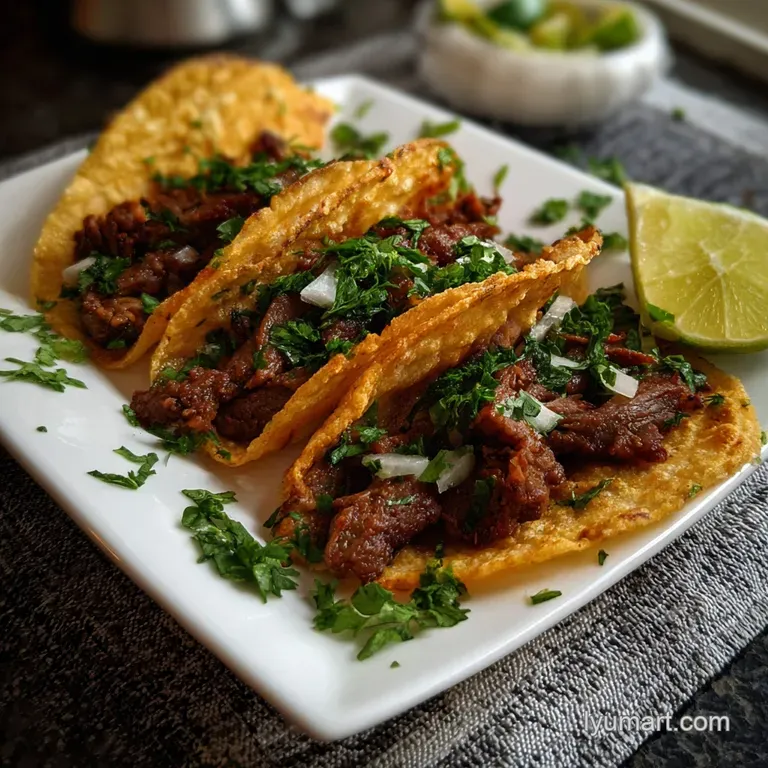
If the meat feels like a tire, you likely didn't cook it long enough. Connective tissue doesn't care about your hunger; it only dissolves with time. If it's tough, put it back in the pot for another 30 minutes.
| Problem | Root Cause | Solution |
|---|---|---|
| Rubbery Texture | Under cooking | Simmer longer until a knife slides in like butter. |
| Skin Won't Peel | Meat got too cold | Briefly dip the tongue back into boiling water for 2 minutes. |
| Dry Meat | Hard boil | Ensure you keep the water at a gentle simmer, not a rolling boil. |
While you're waiting for that long simmer, you might want to prep some toppings. I find that a bright, crunchy side works wonders here. Try this Homemade Coleslaw From Scratch recipe if you want a non traditional but refreshing crunch on the side.
Common Mistakes Checklist
- ✓ Never skip the skimming phase; that foam contains impurities that affect flavor.
- ✓ Don't peel the tongue cold; the skin will stick and tear the good meat away.
- ✓ Always use two tortillas per taco; de lengua is heavy and moist, and a single tortilla will disintegrate.
- ✓ Ensure the lard is shimmering hot before adding meat to prevent sticking.
- ✓ Toast your cumin seeds fresh; pre ground cumin loses its aromatic punch quickly.
Smart Flavor Swaps and Ideas
If you want to experiment with this easy tacos de lengua recipe, there are plenty of ways to pivot. Some people love a "lengua entomatada" style where you simmer the diced meat in a tomato and chipotle sauce after searing. It adds a smoky depth that is absolutely killer.
| Original Ingredient | Substitute | Why It Works |
|---|---|---|
| Lard (2 tbsp) | Avocado Oil | High smoke point. Note: Lacks the traditional porky depth of lard. |
| Salsa Verde | Salsa Roja | Higher spice level. Note: Red salsa offers more smokiness than acidity. |
| Corn Tortillas | Flour Tortillas | Sturdier hold. Note: Changes the flavor to a more Northern Mexican style. |
- Spicy Kick
- Add two dried guajillo chilies to the braising liquid for a subtle red tint and earthy flavor.
- Citrus Blast
- Squeeze half an orange into the skillet while searing the meat for a carnitas style sweetness.
- Keto Option
- Serve the seared meat in large romaine lettuce leaves instead of tortillas for a low carb alternative.
Storing and Using Leftover Meat
Storage: You can keep the braised (but not yet seared) tongue in its cooking liquid in the fridge for up to 4 days. In fact, it actually tastes better the next day as the flavors settle. If you've already seared it, keep it in an airtight container for up to 3 days.
Freezing: This meat freezes beautifully. Dice the peeled, braised meat and freeze it in portions for up to 3 months. When you're ready to eat, thaw it overnight in the fridge and go straight to the searing step in the skillet.
Zero Waste: Don't throw away that braising liquid! Strain it and use it as a base for a beef soup or to cook your Mexican rice. It’s essentially a rich, aromatic beef bone broth that is packed with nutrients.
Plating for the Family Table
Authenticity is key when presenting these. Skip the fancy plates and use a large wooden board or a traditional clay platter. Pile the seared meat in the center and surround it with bowls of the chopped onion, cilantro, and lime wedges. This allows everyone to build their own tacos, which is half the fun.
I love to char the lime wedges on the griddle for 2 minutes before serving. It caramelizes the sugars and makes the juice even more intense. If you're feeling adventurous, serve these alongside a zesty Carne Asada Marinade recipe for a full taco feast that your friends won't stop talking about.
Debunking Common Tongue Myths
Myth: Tongue has a "weird" grainy texture. The graininess only exists in the outer skin. Once you peel that away after the long simmer, the meat underneath is remarkably similar to a very tender pot roast or brisket, only with a finer, more velvety grain.
Myth: You have to use a pressure cooker. While a pressure cooker saves time, the slow simmer on the stovetop allows the aromatics to penetrate the meat more deeply. It also prevents the meat from becoming "stringy," which can happen if you over pressurize it.
Myth: It’s too difficult for home cooks. The active work time for this recipe is actually very low. Most of the process is just letting the meat hang out in a pot of water. If you can boil water and dice an onion, you can make the best tacos of your life.

Very High in Sodium
945 mg mg of sodium per serving (41% % of daily value)
The American Heart Association recommends limiting sodium intake to no more than 2,300mg per day for most adults.
Tips to Reduce Sodium in Your Beef Tongue Tacos:
-
Reduce Added Salt-25%
The recipe currently uses 2 tablespoons of sea salt for the tongue. Reduce the amount of sea salt used to 1 tablespoon, or even less. You can always add more to taste later, but removing it is impossible. This can significantly lower the sodium content. Start with less and taste!
-
Rinse After Boiling-15%
After boiling the beef tongue, rinse it thoroughly under running water. This will help remove some of the excess sodium from the cooking liquid that has been absorbed. Rinse the tongue after peeling.
-
Fresh Salsa Over store-bought-20%
Consider making your own salsa verde instead of using store-bought. store-bought salsas can be high in sodium. Use a low sodium recipe.
-
Amplify with Herbs and Spices
Enhance the flavor of the beef tongue with a generous amount of fresh cilantro and other aromatic herbs and spices like smoked paprika. This will help compensate for the reduction in salt. Flavor is key when cutting sodium.
Recipe FAQs
What is a taco de lengua?
It's a taco filled with braised and then seared beef tongue. This cut of meat, when cooked slowly, becomes incredibly tender and flavorful, offering a rich, velvety texture that's a favorite in traditional Mexican cuisine.
What type of meat is tongue?
Beef tongue is a cut from the tongue of a cow. It's a muscle meat, rich in connective tissue, which is why it requires long, slow cooking to break down into a buttery, melt-in-your mouth texture.
Are tacos de lengua healthy?
They can be part of a balanced diet in moderation. Beef tongue is high in protein and some B vitamins, but it is also a fatty cut. The health profile can be further influenced by how they are prepared (e.g., amount of lard used) and the accompaniments.
What ingredients are needed to prepare tacos de lengua?
You'll need beef tongue, aromatics for braising, lard for searing, and classic taco toppings. Key ingredients include the beef tongue itself, onions, garlic, bay leaves, salt, water, lard, cumin, corn tortillas, cilantro, diced onion, salsa verde, and lime wedges.
How do you make tacos de lengua tender?
Braise the beef tongue slowly in liquid for an extended period. This method breaks down the tough collagen into gelatin, transforming the meat into an ultra tender, succulent filling.
Why is my beef tongue tough or rubbery?
It's likely due to insufficient cooking time. The connective tissues in beef tongue need a long, moist simmer to fully break down. If it's tough, simply return it to the pot and continue simmering until a knife pierces it with no resistance.
Is it hard to peel the skin off the beef tongue?
No, it's easy if done while the tongue is still warm. After the long braise, the tough outer skin should slide off with minimal effort using your fingers or a knife. Letting it cool completely makes the skin re-adhere, making peeling difficult.
Tacos De Lengua Recipe
Ingredients:
Instructions:
Nutrition Facts:
| Calories | 748 kcal |
|---|---|
| Protein | 39.5 g |
| Fat | 42.1 g |
| Carbs | 46.2 g |
| Fiber | 6.8 g |
| Sugar | 2.4 g |
| Sodium | 945 mg |
