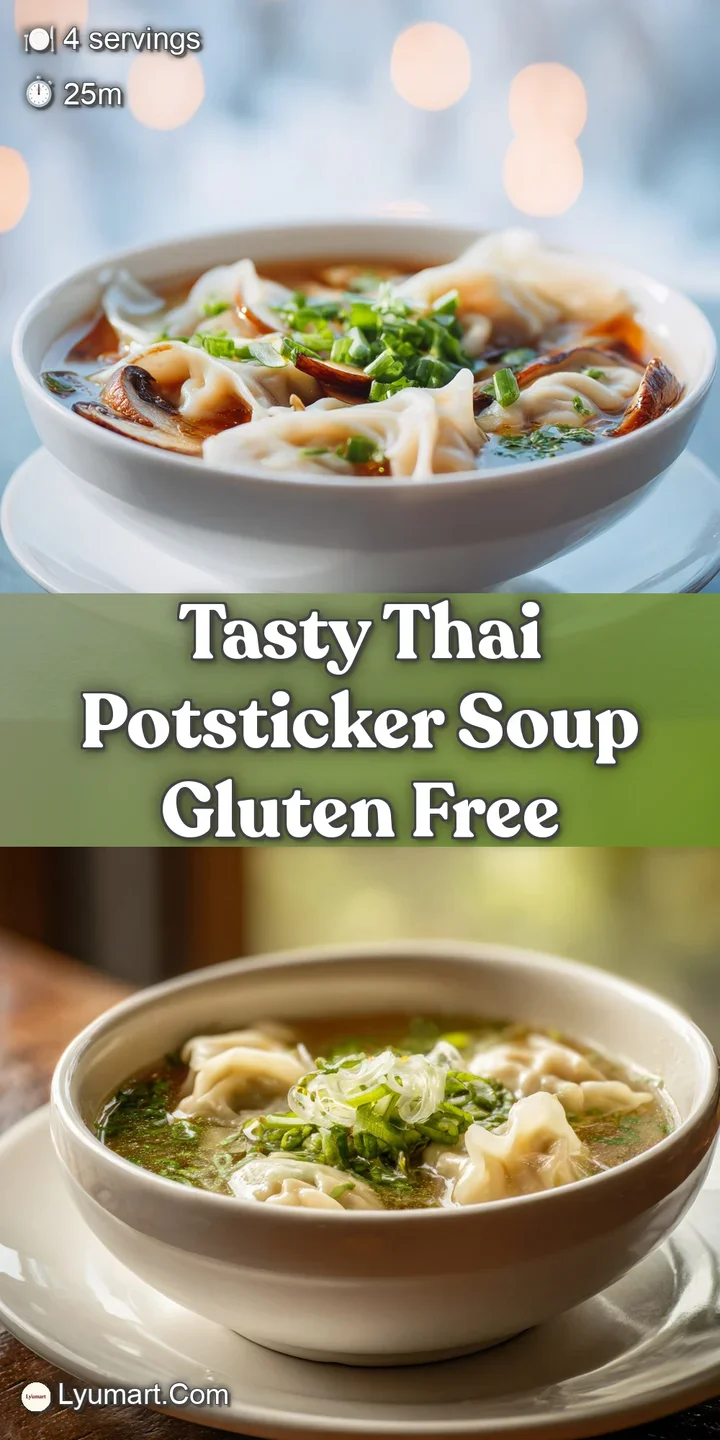
Tasty Thai Potsticker Soup Gluten Free
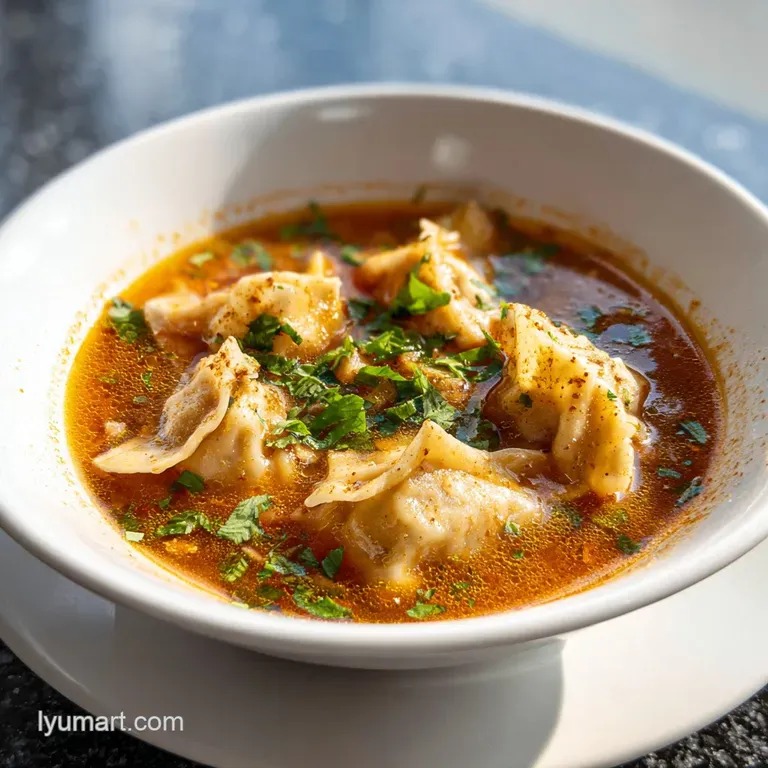
- Time: Active 10 minutes, Passive 15 minutes, Total 25 minutes
- Flavor/Texture Hook: Silky coconut broth with a spicy curry kick and tender, savory dumplings
- Perfect for: Busy weeknights, rainy days, or anyone needing a gluten-free comfort fix
- Mastering Tasty Thai Potsticker Soup Gluten Free
- Why This Soup Actually Works
- Essential Recipe Specifications
- Smart Ingredient Shopping List
- Kitchen Tools You Need
- Steps to Aromatic Perfection
- Fixing Common Soup Mishaps
- Creative Flavor Variations
- Storing and Reheating Guide
- Ideal Side Dish Pairings
- Very High in Sodium
- Recipe FAQs
- 📝 Recipe Card
Mastering Tasty Thai Potsticker Soup gluten-free
The moment that red curry paste hits the hot coconut oil, it is like a flare goes off in the kitchen. That sharp, spicy sizzle fills the air, and suddenly my tiny apartment smells like a street market in Bangkok.
I first made this on a Tuesday night when I was starving, tired, and desperate for something that didn't come out of a microwave. I had a bag of frozen gluten-free potstickers and half a can of coconut milk, and honestly, I didn't expect much.
But then I took that first sip of the broth. It was velvety, rich, and had that perfect balance of salt from the fish sauce and zing from the lime. The potstickers soaked up the coconut milk like little sponges, becoming these tender pillows of savory goodness.
It felt like a hug in a bowl, and the best part was that I didn't have to spend an hour scrubbing pots afterward.
If you have ever felt like gluten-free cooking is just a series of "good enough" substitutes, this dish is going to change your mind. We aren't settling for anything here. We are using bold aromatics like lemongrass and ginger to create a base so vibrant you’ll forget it started with a bag from the freezer.
Trust me, once you smell that lemongrass bruising against your cutting board, you'll know you’re in for something special.
Why This Soup Actually Works
Building a complex flavor profile in under half an hour requires a bit of culinary leverage. We aren't just boiling ingredients; we are strategically layering them to maximize their impact. This approach ensures every spoonful has a distinct beginning, middle, and end.
- Aromatic Blooming: Frying the red curry paste in coconut oil first releases fat soluble flavor compounds that would otherwise stay trapped if added directly to water.
- Acid Balance: The lime juice added at the very end cuts through the heavy fats of the coconut milk, preventing the soup from feeling cloying.
- Starch Management: Cooking the potstickers directly in the broth allows a tiny amount of starch to escape, naturally thickening the liquid into a silkier consistency.
- Umami Layering: Using both Tamari and fish sauce creates a "savory bridge" that connects the sweet coconut to the spicy curry paste.
The Science of Aromatic Bloom
To get the most out of your 2 tbsp Red curry paste, you must fry it in the 1 tbsp Coconut oil until it darkens slightly. This process, known as blooming, uses heat to vibrate the spice molecules, forcing them to bond with the oil for a more intense sensory experience.
| Method | Time | Texture | Best For |
|---|---|---|---|
| One Pot Simmer | 15 minutes | Silky and soft | Quickest weeknight meal |
| Sear then Simmer | 20 minutes | Crispy edged dumplings | Extra textural contrast |
| Slow Cooker Base | 4 hours | Deep aromatic infusion | Preparing the broth in advance |
Choosing the right method depends on how much you value that "shatter" crunch on the edge of a dumpling. While the one pot simmer is our standard, searing the potstickers in a separate pan before dropping them into the broth adds a lovely toasted note to the finished dish. If you enjoy this flavor profile, you might also find the depth of our Green Chicken Chili recipe quite satisfying.
Essential Recipe Specifications
This recipe is designed to be efficient without sacrificing the soul of Thai cuisine. We are looking for specific visual cues like the mushrooms softening and the coconut milk turning a pale sunset orange to know we are on the right track. It is a foolproof process if you keep an eye on the heat.
| Component | Science Role | Pro Secret |
|---|---|---|
| Coconut Milk | Provides the fat emulsion | Use full fat for a velvety mouthfeel |
| Fish Sauce | Adds essential glutamates | Don't skip it; it's the "secret salt" |
| Lemongrass | Releases citral oils | Bruise it heavily with a pan first |
| Potstickers | Acts as the primary starch | Add frozen to prevent them from falling apart |
The interplay between the 14 oz Full fat coconut milk and the 4 cups Low sodium chicken bone broth is what creates that signature Thai "sipping" consistency. It’s light enough to drink but rich enough to feel like a full meal. Using bone broth adds a hit of protein and a more rounded flavor than standard stock.
Smart Ingredient Shopping List
When you’re standing in the aisle, remember that the quality of your curry paste and potstickers will do 80% of the work. Look for brands that list chili, garlic, and lemongrass as the first ingredients in the paste.
For the dumplings, ensure they are specifically labeled gluten-free, as standard wrappers are made almost entirely of wheat flour.
- 1 tbsp Coconut oil: This is our frying medium. Why this? It has a high smoke point and matches the tropical flavor profile.
- Substitute: Avocado oil (neutral flavor, same heat tolerance).
- 2 tbsp Red curry paste: The heart of the heat. Why this? It provides a pre balanced mix of chilies, galangal, and shrimp paste.
- Substitute: Yellow curry paste (milder and sweeter).
- 3 cloves Garlic, minced: For that essential pungency. Why this? Garlic creates a foundation for the other aromatics.
- Substitute: 1 tsp garlic powder (add to the broth, not the oil).
- 1 tbsp Fresh ginger, grated: Adds a sharp, clean bite. Why this? Fresh ginger provides a heat that pepper cannot replicate.
- Substitute: 0.5 tsp ground ginger (less vibrant, but works).
- 1 stalk Lemongrass, bruised: The soul of Thai soup. Why this? It adds a floral, citrusy aroma without the acidity of lime.
- Substitute: 1 tsp lime zest (add at the end).
- 4 cups Low sodium chicken bone broth: Our savory liquid base. Why this? Bone broth offers more body than regular stock.
- Substitute: Vegetable broth (keep it low sodium to control salt).
- 14 oz Full fat coconut milk: For a creamy, velvety finish. Why this? The fat carries the spice flavors across your palate.
- Substitute: Coconut cream (dilute with a little extra broth).
- 2 tbsp gluten-free Tamari: For salt and color. Why this? It’s a richer, wheat free version of soy sauce.
- Substitute: Liquid aminos (slightly sweeter).
- 1 tbsp Fish sauce: The secret umami punch. Why this? It provides a depth that salt alone cannot achieve.
- Substitute: Extra Tamari with a pinch of seaweed flakes.
- 1 tsp Coconut sugar: To balance the spice. Why this? It has a caramel like note that pairs with coconut milk.
- Substitute: Brown sugar or honey.
- 11 oz Frozen gluten-free potstickers: The star of the show. Why this? They cook quickly and provide a satisfying chew.
- Substitute: gluten-free mini wontons.
- 2 cups Sliced baby bok choy: For fresh, leafy crunch. Why this? The stalks stay crisp while the leaves soften beautifully.
- Substitute: Spinach or Napa cabbage.
- 1 cup Sliced shiitake mushrooms: For an earthy, meaty texture. Why this? Shiitakes hold their shape better than white mushrooms.
- Substitute: Oyster mushrooms or cremini.
- 1 Lime, juiced: To brighten the entire dish. Why this? The acid wakes up the heavy coconut fats.
- Substitute: Lemon juice (though lime is more authentic).
- 0.25 cup Fresh cilantro, chopped: For a final herbal lift. Why this? It adds a cooling contrast to the curry heat.
- Substitute: Fresh Thai basil or mint.
Kitchen Tools You Need
You don't need a professional kitchen to pull this off, but a few specific tools make the process much smoother. A heavy bottomed pot, like a Dutch oven, is ideal because it holds heat consistently, which prevents the coconut milk from "breaking" or curdling if the temperature fluctuates.
I also recommend using a microplane for the 1 tbsp Fresh ginger. It turns the ginger into a fine paste that melts into the broth, so you don't end up biting into a woody chunk. If you don't have one, just mince it as finely as humanly possible.
A heavy object like the bottom of a smaller saucepan is perfect for bruising the 1 stalk Lemongrass. You aren't trying to chop it; you just want to crush the fibers so the aromatic oils can escape into the liquid.
| Servings | Potstickers | Broth Volume | Cook Time |
|---|---|---|---|
| 2 People | 5.5 oz | 2 cups | 15 minutes |
| 4 People | 11 oz | 4 cups | 15 minutes |
| 8 People | 22 oz | 8 cups | 20 minutes |
When scaling up to 8 people, make sure you use a very large stockpot. The dumplings need space to float; if you crowd them too much, they might stick together and tear their delicate gluten-free wrappers. It’s better to have a bit of extra room than a pot full of dumpling fragments.
Steps to Aromatic Perfection
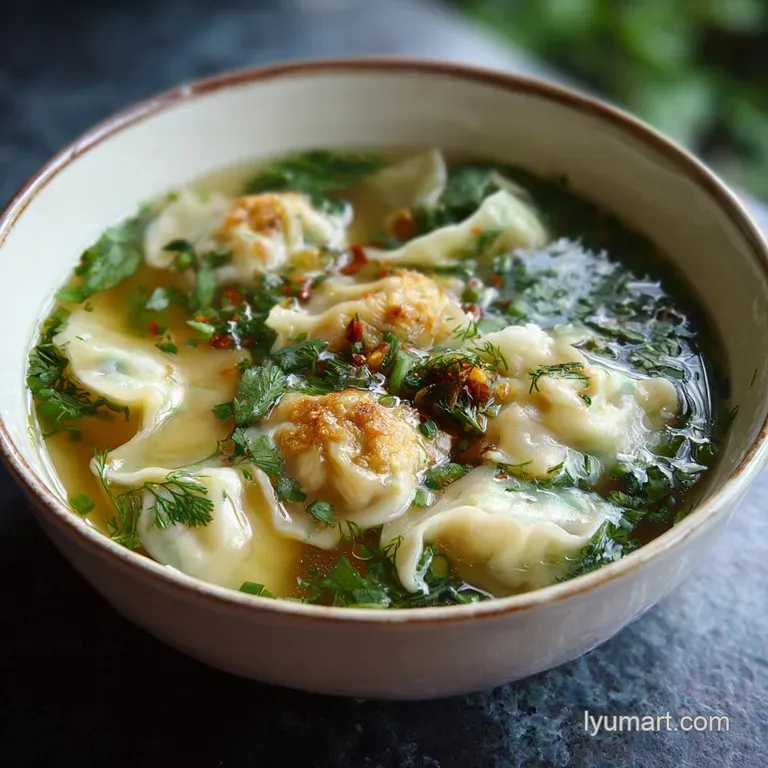
The Aromatic Foundation
Heat the 1 tbsp Coconut oil in your pot over medium heat. Once it’s shimmering, add the 2 tbsp Red curry paste, 3 cloves Garlic, and 1 tbsp Fresh ginger. Cook for 2 minutes until the paste darkens and smells fragrant.
Note: This step is crucial for "blooming" the spices in the oil.
Infusing the Liquid
Add the 1 stalk Lemongrass (bruised) and 1 cup Sliced shiitake mushrooms to the pot. Stir well to coat the mushrooms in the curry paste. Sauté for 3 minutes until the mushrooms begin to soften.
Building the Broth
Pour in the 4 cups Low sodium chicken bone broth, 14 oz Full fat coconut milk, 2 tbsp gluten-free Tamari, 1 tbsp Fish sauce, and 1 tsp Coconut sugar. Whisk gently until the coconut milk is fully incorporated. Note: Whisking helps create a stable emulsion so the fat doesn't separate.
The Gentle Simmer
Bring the mixture to a very gentle simmer over medium low heat. Do not let it reach a rolling boil. Simmer for 10 minutes to let the lemongrass infuse.
Adding the Heart
Carefully drop the 11 oz Frozen gluten-free potstickers into the simmering broth. Cook for 4 minutes until they float to the surface. Note: Floating is the classic sign that the filling is heated through.
Folding in Greens
Add the 2 cups Sliced baby bok choy to the pot. Submerge the leaves and simmer for 2 minutes until bright green.
The Final Brightness
Turn off the heat and stir in the juice of 1 Lime. Taste the broth and adjust with more Tamari if needed. Note: Adding lime at the end preserves its fresh, zingy flavor profile.
Serving the Dish
Ladle the soup into four bowls, making sure everyone gets an even share of dumplings and mushrooms. Garnish with 0.25 cup Fresh cilantro before serving hot.
Fixing Common Soup Mishaps
Working with gluten-free dough can be tricky because it lacks the elastic strength of wheat. If your dumplings start to fall apart, it’s usually because the broth was boiling too aggressively. Think of this as a gentle bath rather than a hot tub. The bubbles should be small and lazy, not frantic.
Why Your Broth Looks Curdled
Sometimes the coconut milk can separate, creating a "grainy" look on the surface. This usually happens if the heat is too high or if the lime juice was added while the soup was still boiling. While it doesn't taste bad, the texture isn't that velvety dream we are aiming for.
| Problem | Root Cause | Solution |
|---|---|---|
| Split Broth | Boiling too hard | Keep at a low simmer; whisk in a splash of cold broth |
| Mushy Dumplings | Overcooked wrappers | Add frozen dumplings last and watch for the float |
| Bland Base | Not enough "bloom" | Sauté curry paste longer next time or add a dash of fish sauce |
If you run into these issues, don't panic. A split broth can often be "reset" by taking it off the heat and whisking in a tablespoon of cold coconut milk. For more tips on managing broth consistency, you can see how we handle similar liquids in our Poblano Chicken Tortilla recipe.
Common Mistakes Checklist:
- ✓ Bruise the lemongrass stalk thoroughly with a heavy pan or rolling pin.
- ✓ Do not let the broth reach a rolling boil once the coconut milk is added.
- ✓ Use frozen potstickers directly; thawing them makes them gummy and prone to breaking.
- ✓ Always add the lime juice after turning off the heat to keep the flavor bright.
- ✓ Remove the lemongrass stalk before serving so nobody accidentally bites into it.
Creative Flavor Variations
One of the best things about this Tasty Thai Potsticker Soup gluten-free is how easily it adapts to what you have in the fridge. If you want a protein boost, you can add 200g of raw shrimp along with the bok choy; they will poach perfectly in those last two minutes.
For a vegetarian version, swap the chicken bone broth for a rich vegetable stock and use a vegan "fish" sauce (usually made from seaweed and mushrooms).
If you’re a heat seeker, don't be afraid to add a teaspoon of sambal oelek or a few sliced Thai bird’s eye chilies to the initial aromatic sauté. On the flip side, if you want something more "comfort food" and less "spicy kick," use yellow curry paste instead of red.
It has more turmeric and cumin notes, making it milder and earthier.
- If you want more crunch, garnish with crushed toasted peanuts or crispy fried shallots.
- If you want it heartier, add a handful of rice noodles along with the broth.
- If you want it creamier, use only the thick cream from the top of the coconut milk can.
Storing and Reheating Guide
This soup is definitely best eaten right away, mainly because the potstickers will continue to absorb liquid as they sit. If you have leftovers, the dumplings might get a bit soft, but the flavor of the broth actually improves overnight as the aromatics continue to meld.
- Fridge Storage
- Place the soup in an airtight container for up to 3 days. If possible, store the dumplings and the broth separately to maintain the best texture.
- Freezing
- I do not recommend freezing the finished soup with the potstickers inside, as the wrappers will shatter upon thawing. However, you can freeze the broth base (curry, coconut milk, and mushrooms) for up to 2 months.
- Reheating
- Heat the broth in a saucepan over medium low heat. If you stored the potstickers separately, add them back in once the broth is simmering. If they were already in the soup, heat them very gently to avoid turning them into mush.
For those who love meal prepping, you can make a large batch of the broth base and just drop in fresh frozen potstickers each night for a "fresh" meal in five minutes. This strategy is similar to how I handle my Sweet Potato Black recipe for quick lunches.
Ideal Side Dish Pairings
Because this soup is quite rich and flavorful, you want side dishes that offer a fresh or crunchy contrast. A simple cucumber salad with a rice vinegar and sesame oil dressing is the perfect palate cleanser between bites of the creamy broth. The acidity of the vinegar helps cut through the coconut fat beautifully.
If you are serving this for a larger dinner, consider a side of steamed jasmine rice. Even though there are potstickers in the soup, many people love to ladle the extra broth over a bed of fluffy rice.
You could also serve some charred broccoli with a squeeze of lime to add a bit of smoky bitterness that complements the sweet and spicy notes of the Tasty Thai Potsticker Soup gluten-free.
Finally, don't forget the drinks! A cold Thai iced tea (made with coconut milk to keep it gluten-free and dairy-free) or a simple sparkling water with a heavy squeeze of lime and a sprig of mint will keep the meal feeling light and balanced.
Enjoy the process, and don't be afraid to make a little mess the best Thai inspired meals always involve a bit of a splash!
Very High in Sodium
1175 mg mg of sodium per serving (51% of daily value)
The American Heart Association recommends limiting sodium intake to about 2,300mg per day.
Tips to Reduce Sodium in Your Curry Potsticker Soup
-
Broth Swap-30%
Substitute the low-sodium chicken bone broth with a no-sodium chicken broth. This simple change can significantly reduce the overall sodium content.
-
Tamari Tweak-20%
Replace the gluten-free Tamari with a low-sodium Tamari or coconut aminos. This will reduce the saltiness without sacrificing flavor.
-
Fish Sauce Cutback-15%
Use less fish sauce, or dilute it slightly with water or lime juice. Alternatively, omit the fish sauce altogether and add a pinch of sea salt to taste at the end.
-
Potsticker Choice-10%
Check the sodium content of different brands of frozen potstickers and choose a lower sodium option. Some brands offer significantly less sodium.
-
Spice It Up
Enhance the flavor with sodium free spices and herbs like garlic, ginger, and cilantro. Experiment with chili flakes or white pepper for added zest without adding salt.
Recipe FAQs
Are potstickers typically gluten-free?
No, traditional potstickers are not gluten-free. Standard wrappers are made from wheat flour, which provides the necessary elasticity for folding and pan-searing.
What Thai dishes are generally gluten-free?
Yes, many classic Thai dishes are naturally gluten-free or easily adaptable. Focus on dishes centered around rice noodles, rice, coconut milk, and fresh herbs, avoiding dark soy sauce or standard oyster sauce.
Can soup dumplings be made gluten-free?
Yes, you can absolutely make gluten-free soup dumplings. You must source pre-made GF wrappers or learn to make your own using a high-quality gluten-free flour blend designed for elasticity.
Which Thai curry is usually gluten-free?
Green and Red Thai curries are usually the safest bets, provided you check the paste. Always confirm the curry paste does not contain wheat as a thickener; many use only chilies, galangal, and shrimp paste.
How do I stop my coconut milk from splitting in the soup?
Add the coconut milk when the broth is at a low simmer, not a rolling boil. If it separates, turn off the heat immediately and whisk in a splash of cold broth or water to reset the emulsion.
Why did my gluten-free potsticker wrappers break apart in the broth?
This usually means the broth was agitated too much while cooking. gluten-free dough lacks the strength of wheat, so aggressive boiling will cause them to tear or become gummy.
What can I substitute for fish sauce to keep this recipe completely soy-free?
Use Tamari or liquid aminos instead of fish sauce, but you will need to add umami back in. If you enjoyed the depth of flavor created by layering savory ingredients here, try replicating that effect in our Chorizo and Eggs recipe using smoked paprika.
Tasty Thai Potsticker Soup gluten-free
Ingredients:
Instructions:
Nutrition Facts:
| Calories | 421 kcal |
|---|---|
| Protein | 17.4 g |
| Fat | 24.3 g |
| Carbs | 31 g |
| Fiber | 2.2 g |
| Sugar | 5.4 g |
| Sodium | 1175 mg |
