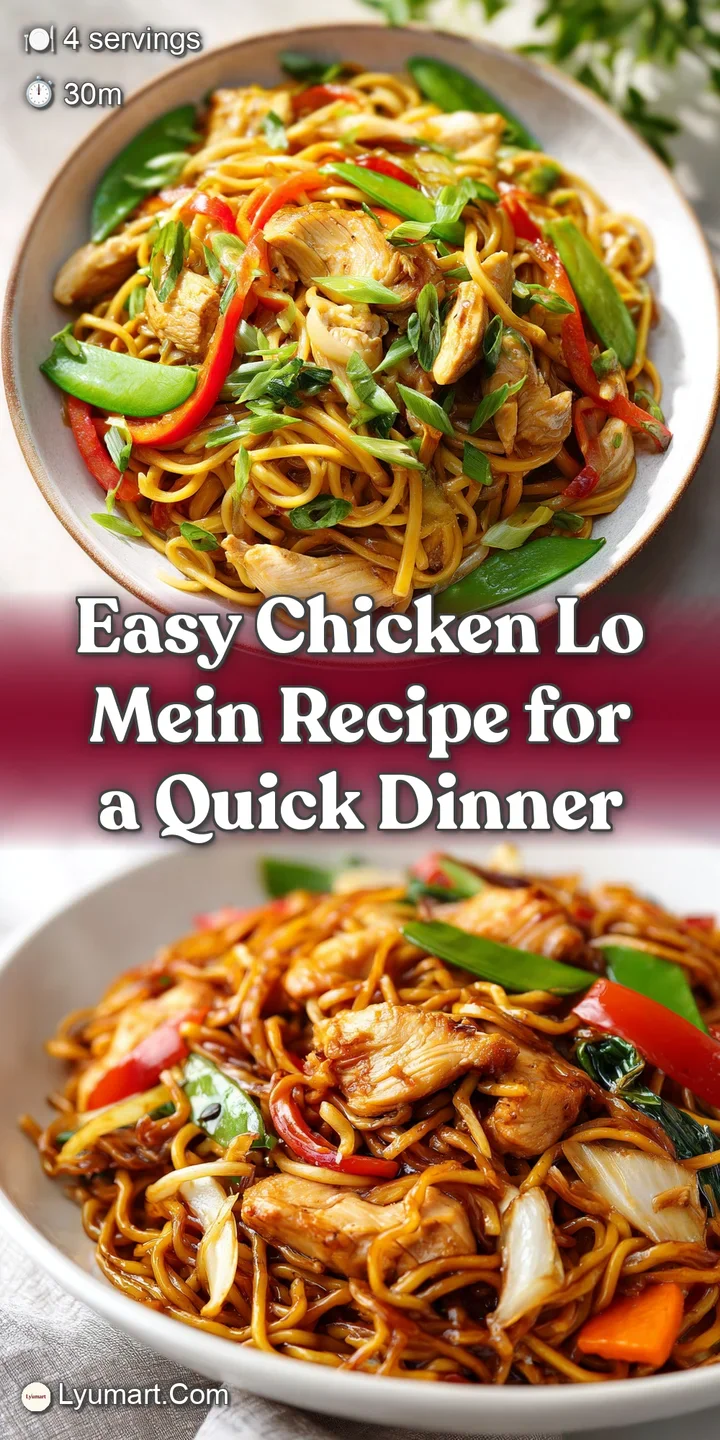
Chicken Lo Mein with Velvety Chicken
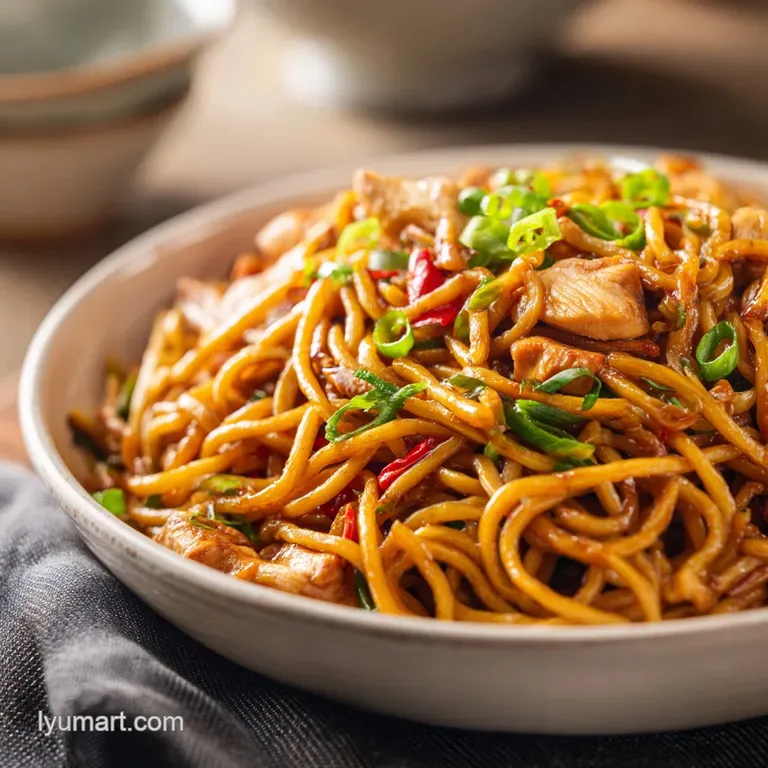
- Time: Active 20 minutes, Passive 10 minutes, Total 30 minutes
- Flavor/Texture Hook: Savory sweet gloss with velvety chicken and snappy vegetables
- Perfect for: Weeknight dinners when you need something faster than delivery
- Why This Beats Takeout
- Planning Your Noodle Execution
- Sourcing Your Noodle Components
- Essential Gear for Success
- Executing the High Heat Toss
- Avoiding Soggy or Bland Results
- Customizing Your Stir Fry
- Scaling and Recipe Adjustments
- Myths About Home Stir Frying
- Storing and Reheating Leftovers
- Serving Your Fresh Noodles
- Very High in Sodium
- Chicken Lo Mein FAQs
- 📝 Recipe Card
Why This Beats Takeout
We've all been there, staring at a plastic container of noodles that are swimming in grease. Making your own version allows you to control the oil and maximize the crunch of the vegetables. But the real magic happens in the chemistry of the pan.
- Alkaline Tenderization: The baking soda breaks down the chicken fibers, preventing them from tightening up and becoming tough during the over high heat sear.
- Starch Suspension: Using cornstarch in the marinade creates a microscopic barrier that protects the meat while helping the sauce cling to every surface later.
- Maillard Magic: The sugar in the sauce caramelizes against the hot noodles, creating those charred, savory bits that define a great stir fry.
- Gluten Control: Rinsing the noodles in cold water immediately after boiling removes excess starch, which is the only way to prevent a giant, gummy noodle brick.
| Method | Time | Texture | Best For |
|---|---|---|---|
| over High heat Wok | 8 minutes | Charred and smoky | Maximum authentic flavor |
| Large Skillet | 12 minutes | Evenly browned | Home cooks without a wok |
| Batch Stir Fry | 15 minutes | Soft and tender | Meal prepping for the week |
The key to a successful toss is the temperature of your pan. If you find yourself enjoying the heat of Asian inspired dishes, you might also like my Korean Spicy Chicken recipe which uses a similar over high heat technique to build deep flavor.
Planning Your Noodle Execution
To get this on the table in 30 minutes, you need a workflow. I've learned the hard way that you cannot chop carrots while the garlic is already burning in the pan. Stir frying is 90% prep and 10% frantic tossing.
The Prep Flow
Start with the chicken. Since it needs to marinate with the baking soda and cornstarch for about 10 to 15 minutes, do this first. While the chicken sits, julienne your carrots and shred the cabbage. If your snow peas have those stringy bits on the side, zip those off now.
The Cooking Flow
Get your water boiling for the noodles while you whisk the sauce components together. The noodles only take a few minutes, so time it so they are ready right as you start the stir fry. Have every bowl of ingredients lined up next to your stove like a little assembly line.
The Finish
Once the chicken is seared and the veggies are tossed, the noodles go in last. This is the moment where you need to move fast so the noodles don't overcook. The goal is a glossy coat, not a soggy stew.
Sourcing Your Noodle Components
The ingredients for this dish are specific for a reason. Substituting the wrong soy sauce or using the wrong type of noodle can completely change the profile of the dish.
| Component | Science Role | Pro Secret |
|---|---|---|
| Baking Soda | pH Alteration | Changes the protein structure so the chicken cannot physically toughen. |
| Dark Soy Sauce | Pigment & Viscosity | Provides the deep brown color and a thicker, molasses like cling. |
| Cornstarch | Moisture Barrier | Creates a thin "velvet" layer that holds juice inside the meat. |
| Oyster Sauce | Umami Base | Adds glutamates and thickness for that classic restaurant style mouthfeel. |
For the protein, we are using 1 lb chicken breast, sliced into 1/8 inch strips. Why this? Thin strips maximize surface area for seasoning and cook in seconds. You can substitute this with chicken thighs if you prefer a higher fat content, but the velveting makes breast meat incredibly tender anyway.
The aromatics are non negotiable: 3 cloves garlic, minced and 1 tbsp fresh ginger, grated. Why this? These provide the foundational scent that defines the entire dish. If you run out of fresh ginger, a half teaspoon of ground ginger works, though it won't have that same zingy bite.
The noodles are the star: 12 oz fresh lo mein noodles. Why this? Fresh noodles have a springy texture that dried pasta simply cannot replicate. If you can't find fresh, dried egg noodles or even thick spaghetti will work in a pinch, though the cooking times will vary.
Essential Vegetable Mix
- 2 cups shredded cabbage: Provides bulk and a mild sweetness.
- 1 medium carrot, julienned: Adds a necessary pop of color and crunch.
- 1 cup snow peas, trimmed: Offers a fresh, green snap.
- 3 green onions, 2 inch segments: The whites add onion flavor, the greens add freshness.
Essential Gear for Success
You don't need a professional kitchen, but a few specific tools make this much easier. A large wok is the traditional choice because its sloped sides allow you to push food away from the direct heat, but a 12 inch heavy bottomed stainless steel or cast iron skillet works just as well.
You'll also want a good set of long handled tongs or a wide spatula. This isn't the time for a delicate spoon; you need to be able to lift and flip the heavy mass of noodles quickly. A microplane is my favorite tool for the ginger because it turns it into a paste that melts right into the sauce.
Chef's Note: If you're using a skillet instead of a wok, don't try to double the recipe in one pan. The temperature will drop too low, and you'll end up boiling the meat in its own juices instead of searing it.
Executing the High Heat Toss
Let's get cooking. Remember, once you turn that heat on, it stays on. No walking away to check your phone.
- Marinate the chicken. Combine the sliced chicken with 1 tbsp light soy sauce, 1 tbsp Shaoxing wine, 1 tsp cornstarch, 1/4 tsp baking soda, and 1 tsp neutral oil. Note: The oil in the marinade prevents the strips from sticking to each other in the pan.
- Mix the sauce. Whisk together 2 tbsp oyster sauce, 1 tbsp dark soy sauce, 1 tbsp light soy sauce, 1 tsp toasted sesame oil, 1 tsp sugar, and 1/4 tsp white pepper.
- Boil the noodles. Cook the 12 oz of lo mein noodles according to the package directions, usually 3 to 5 minutes. Drain and rinse with cold water until they are cool to the touch.
- Sear the chicken. Heat 1 tbsp neutral oil in your wok over high heat until it just starts to smoke. Add the chicken in a single layer and let it sit for 1 minute until a golden crust forms.
- Finish the protein. Stir fry the chicken for another 2 minutes until cooked through, then remove it from the pan and set aside.
- Sauté aromatics. Add another 1 tbsp oil to the pan. Toss in the garlic and ginger, stirring constantly for 30 seconds until the kitchen smells incredible.
- Flash cook vegetables. Add the cabbage, carrots, and snow peas. Stir fry for 2 minutes until the cabbage begins to wilt but still has a bite.
- Combine and glaze. Add the noodles and the cooked chicken back into the pan. Pour the sauce over everything.
- The final toss. Use your tongs to lift and fold the noodles for 2 minutes until every strand is mahogany and steaming.
- Add garnishes. Toss in the green onion segments during the last 30 seconds of cooking, then serve immediately.
Avoiding Soggy or Bland Results
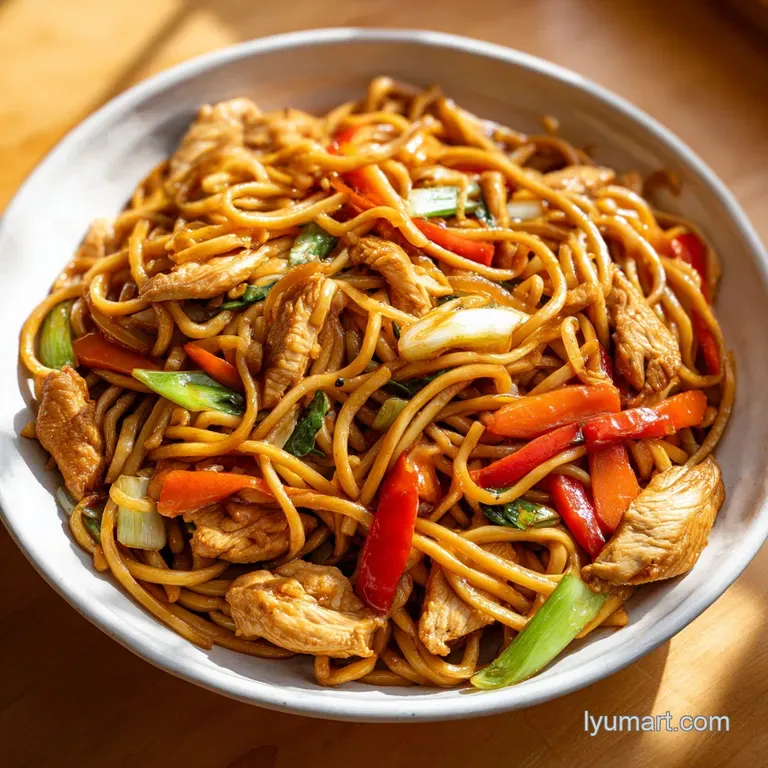
The biggest tragedy in stir fry history is a pool of liquid at the bottom of the plate. This usually happens when the pan isn't hot enough or the vegetables release too much moisture.
Why Your Noodles Clump
If you don't rinse your noodles, the exterior starch acts like glue. The moment they hit the pan, they will bond together into a single, impenetrable mass. Cold water is your best friend here. If you're making this ahead, toss the rinsed noodles in a tiny bit of sesame oil to keep them separated.
Why Your Sauce Is Watery
Sometimes people add extra water to the sauce thinking it needs more volume. Don't do it. The vegetables will release their own water. The cornstarch on the chicken and the sugars in the sauce should create a thick glaze that clings, not a soup.
| Problem | Root Cause | Solution |
|---|---|---|
| Rubbery Chicken | No baking soda | Always use the 1/4 tsp of baking soda for velveting. |
| Greasy Noodles | Too much oil | Use high heat so the food sears instead of soaking up fat. |
| Dull Color | No dark soy sauce | Dark soy is for color; light soy is for salt. Use both. |
Common Mistakes Checklist
- ✓ Never crowd the pan; cook in two batches if your burner isn't powerful.
- ✓ Ensure the chicken is sliced against the grain to keep it tender.
- ✓ Don't overcook the noodles in the water; they should be slightly firm since they finish in the wok.
- ✓ Use a neutral oil with a high smoke point, like canola or grapeseed.
- ✓ Prep everything before the heat goes on; there is no time for chopping once you start.
Customizing Your Stir Fry
The beauty of this dish is how easily it adapts to what you have in the fridge. While the classic version is hard to beat, you can swap things out without ruining the soul of the recipe.
Takeout Spicy Version
If you want a kick, add 1 tablespoon of chili garlic sauce or sambal oelek to the main sauce mixture. You can also throw in a handful of dried red chilies when you fry the ginger and garlic. For a different kind of heat, you might try the seasoning profile in my Cajun Chicken Linguine recipe which uses a bolder spice blend.
Vegetarian Deluxe
Swap the chicken for firm tofu that has been pressed and cubed. Instead of oyster sauce, look for "vegetarian stir fry sauce," which is usually made from mushrooms and provides that same earthy depth.
| Premium | Budget | Flavor Impact | Savings |
|---|---|---|---|
| Shaoxing Wine | Dry Sherry | Very similar; sherry is slightly fruitier. | Save $3-5 |
| Fresh Lo Mein | Thick Spaghetti | Spaghetti is denser and less springy. | Save $2 |
| Oyster Sauce | Hoisin + Soy | Hoisin is much sweeter and lacks the brine. | Save $1 |
Scaling and Recipe Adjustments
If you are cooking for a crowd, do not just double everything and throw it in the pan. A standard home burner cannot maintain the heat required for 2 lbs of chicken and 24 oz of noodles at once. You will end up steaming the food, which results in a gray, soggy mess.
Scaling UP: If you need to double this, prep all the ingredients in one go, but cook the recipe in two separate batches. It's actually faster to do two over high heat 8 minute sessions than one 20 minute session where you're struggling to move the food.
Scaling DOWN: To make a single serving, use a small 8 inch skillet. Reduce the sauce by half, but keep the aromatics (garlic/ginger) mostly the same, as they provide the essential character.
Myths About Home Stir Frying
"You need a 100,000 BTU burner for 'Wok Hei'." While that "breath of the wok" flavor comes from extreme heat, you can get 90% of the way there at home by letting your pan get ripping hot before adding the oil and not stirring the food constantly. Let the chicken sit and sear!
"Fresh noodles are always better than dried." Actually, some high-quality dried egg noodles can be better than mediocre "fresh" ones that have been sitting in a grocery store cooler for two weeks. The key is the texture after boiling.
"Soy sauce is just for salt." Light soy sauce provides the salt, but dark soy sauce is fermented longer and provides the rich color and a complex, slightly bitter sweetness. You really need both for that restaurant look.
Storing and Reheating Leftovers
Chicken lo mein is one of the few dishes that actually tastes great the next day. The noodles have even more time to absorb the sauce.
- Fridge: Store in an airtight container for up to 4 days.
- Freezer: I don't recommend freezing this. The cabbage and snow peas turn to mush when thawed, and the noodles lose their springy texture.
- Reheating: The best way to reheat is in a skillet over medium heat with a splash of water or chicken broth to loosen the sauce. Microwaving works too, but it can make the chicken a bit rubbery if you aren't careful.
Zero Waste Tip: Don't toss those broccoli stalks or the stems from your kale. Peel the woody exterior of the broccoli stalk, slice the tender inside into matchsticks, and throw them in with the carrots. They add a great crunch and soak up the sauce perfectly.
Serving Your Fresh Noodles
Serve this immediately while the steam is still rising. I love to put the whole wok in the center of the table and let everyone dig in. A few extra drops of toasted sesame oil and a sprinkle of toasted sesame seeds right at the end really makes the flavors pop.
If you’re looking for a complete meal, this pairs excellently with a side of Baked Chicken Thighs recipe if you want extra protein on the side, or just a simple cucumber salad to cut through the richness of the oyster sauce. Trust me, once you nail the velveting and the noodle rinse, you'll never look at a takeout menu the same way again.
Very High in Sodium
1240 mg mg of sodium per serving (54% of daily value)
The American Heart Association recommends limiting sodium intake to about 2,300mg per day.
Tips to Reduce Sodium in Your Lo Mein:
-
Low-Sodium Oyster Sauce-25%
Oyster sauce is a major source of sodium. Substitute with a low-sodium oyster sauce alternative or reduce the amount used by half and supplement flavor with a mushroom based umami seasoning. This will significantly cut down on sodium.
Using 1 tbsp instead of 2 tbsp and a low sodium alternative will help reduce sodium intake.
-
Reduce Soy Sauce-20%
Both light and dark soy sauce contribute significantly to the sodium content. Halve the amount of each soy sauce used (from 1 tbsp to 1/2 tbsp each) and increase the other flavor ingredients slightly, like ginger and garlic, to compensate for the lost flavor.
Using a low sodium alternative also helps reduce sodium intake.
-
Low-Sodium Noodles-15%
Lo mein noodles can contain a surprising amount of sodium. Look for fresh or dried lo mein noodles with a lower sodium content, or consider using a different type of noodle with less sodium, such as soba noodles or rice noodles. Check the nutrition label before purchasing.
-
Baking Soda Reduction-5%
Although baking soda is used in small quantities, reducing it by half, or even omitting it entirely, won't drastically affect the texture of the chicken but can contribute to a slight sodium reduction. Consider testing without it or using a very small pinch. This will slightly decrease the sodium.
-
Flavor Boost
Enhance the flavor of your lo mein with fresh herbs and spices like ginger, garlic, chili flakes, and black pepper. These can add depth and complexity without relying on sodium. Experiment with different flavor combinations.
Chicken Lo Mein FAQs
What can I add to lo mein to make it taste better?
Add toasted sesame oil and fresh ginger. A dash of toasted sesame oil right before serving boosts the nutty aroma, and using fresh grated ginger in the aromatics foundation is critical for depth.
What sauce is used in chicken lo mein?
A combination of oyster sauce, light soy sauce, and dark soy sauce forms the base. The dark soy provides color and molasses like thickness, while oyster sauce delivers deep umami flavor to achieve that classic takeout glaze.
Is lo mein healthier than rice?
Generally, no, but it depends entirely on the preparation. Restaurant lo mein is often high in oil and sodium, but homemade versions allow you to control fat content and maximize the ratio of vegetables to noodles.
What is authentic lo mein?
Authentic lo mein emphasizes fresh, springy noodles tossed quickly in a scorching hot wok with minimal sauce. The goal is to achieve a subtle char, or "Wok Hei," on the noodles and vegetables.
How do I keep my chicken from getting tough in the stir fry?
Velvet the chicken first using baking soda and cornstarch marinade. The alkaline baking soda tenderizes the protein fibers, and the cornstarch creates a protective barrier that locks in moisture during the high heat sear.
How do I prevent my cooked lo mein noodles from sticking together?
Rinse the boiled noodles thoroughly under cold water immediately after draining. This stops the cooking process and washes away excess surface starch which causes clumping; you can toss them in a tiny bit of oil afterward for security.
Can I use chicken thighs instead of breasts for lo mein?
Yes, chicken thighs are a great substitute for breasts due to their higher fat content. If you are interested in mastering chicken tenderness across different cooking methods, see how similar principles of moisture retention apply to our Creamy Mushroom Asiago Chicken recipe.
Velvety Chicken Lo Mein
Ingredients:
Instructions:
Nutrition Facts:
| Calories | 542 kcal |
|---|---|
| Protein | 42.6 g |
| Fat | 15.8 g |
| Carbs | 55.2 g |
| Fiber | 3.8 g |
| Sugar | 5.4 g |
| Sodium | 1240 mg |
