Russian Cold Summer Soup: Authentic Okroshka
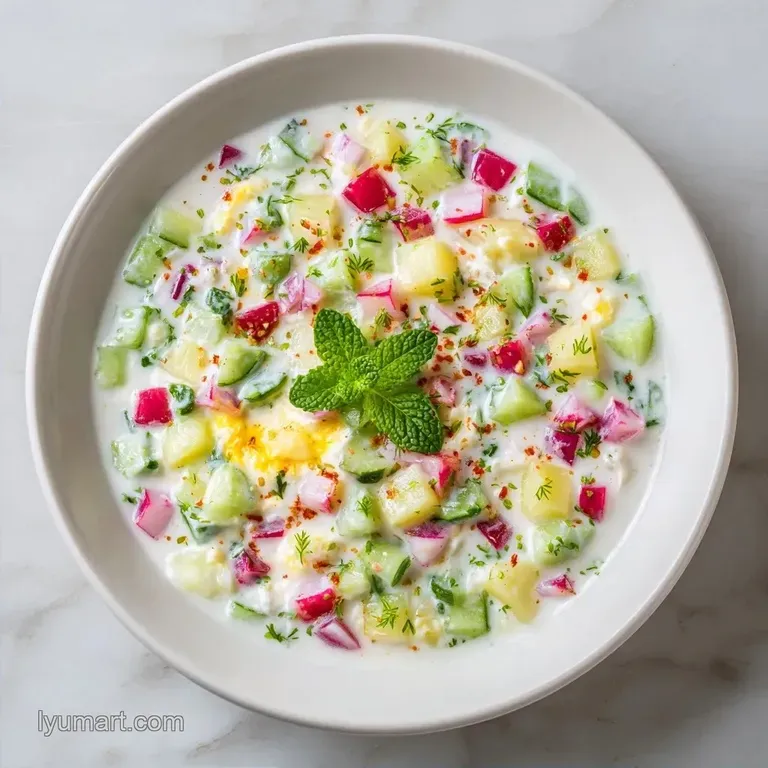
- Time: 20 min active + 1 hr 25 min chilling
- Flavor/Texture Hook: Tangy, creamy, and shatter crisp
- Perfect for: Budget-friendly weeknight lunch on hot days
The snap of a fresh radish and the sharp scent of chopped dill are the first things that hit you with this dish. I remember the first time I tried it during a heatwave that felt like the pavement was actually melting.
I was skeptical about "cold soup" - it sounded more like a mistake than a meal - but one spoonful of this chilled, creamy mixture and I was sold.
The hero here is the kefir. While some people use kvass, kefir gives this Russian Cold Summer Soup a velvety thickness and a bright, lactic tang that cuts right through the richness of the boiled eggs and ham. It turns a bowl of chopped vegetables into something that feels cohesive rather than just a cold salad.
You can expect a meal that's filling but doesn't leave you feeling heavy. It's the kind of Budget-friendly dish that relies on basic pantry staples and a bit of knife work to feel special. Trust me, once you get the dice right, the texture is what makes this recipe work.
Easy Russian Cold Summer Soup
- Tangy Acid
- The lactic acid in kefir breaks down the richness of the ham and eggs, keeping the palate fresh.
- Textural Contrast
- Mixing boiled, soft potatoes with raw, crisp cucumbers creates a varied mouthfeel in every spoonful.
- Cold Infusion
- Chilling the soup for an hour allows the salt and lemon juice to penetrate the dense vegetables.
- Aromatic Lift
- Fresh dill and green onions provide a sharp, herbal top note that prevents the creaminess from feeling bland.
| Method | Prep Time | Texture | Best For |
|---|---|---|---|
| Fast | 15 mins | Chunkier | Quick lunch |
| Classic | 20 mins | Uniform/Fine | Guests/Dinner |
Ingredient Component Analysis
| Ingredient | Science Role | Pro Secret |
|---|---|---|
| Kefir | Acidic Base | Use full fat for a silkier feel |
| Potatoes | Starch/Body | Ice bath prevents gumminess |
| Fresh Dill | Aromatic | Chop just before adding to keep oil volatile |
| Lemon Juice | Brightener | Wakes up the muted flavors of boiled eggs |
Budget Shopping List
- 2 medium potatoes (approx. 10 oz / 280g), peeled and cubed Why this? Holds the soup together without getting mushy
- 3 large hard boiled eggs (approx. 6 oz / 170g) Why this? Adds protein and a creamy contrast
- 1 cup (150g) cooked ham, finely diced Why this? Budget-friendly savory salt base
- 1 cup (120g) English cucumber, diced Why this? Higher water content for refreshment
- 1 cup (100g) red radish, diced Why this? Essential peppery bite
- 3 stalks green onion (approx. 30g), thinly sliced
- ½ cup (15g) fresh dill, chopped
- 2 cups (480ml) chilled Kefir Why this? Provides the signature tang and probiotic punch
- 1 tbsp (15ml) lemon juice
- 1 tsp (6g) sea salt
- ½ tsp (1g) black pepper
For the ham, any affordable deli ham works, but if you're on a strict budget, you can use leftover roast chicken. According to USDA FoodData, kefir is a great way to get calcium and probiotics into a meal without needing expensive supplements.
Essential Kitchen Tools
You don't need a fancy setup for this. A sharp chef's knife is your most important tool because the "pea sized" dice is what defines the experience. You'll also need a medium pot for the potatoes and eggs, and a large mixing bowl for the final assembly.
I recommend using a stainless steel bowl for the chilling process. It holds the cold better than plastic, ensuring your Russian Cold Summer Soup stays frosty throughout the resting period.
From Prep to Plate
Preparing Hard Components
Place cubed potatoes in salted water and simmer until fork tender (about 10-12 mins). In a separate pot, boil eggs for 9 minutes. Immediately plunge both into an ice bath to stop the cooking process and ensure the potatoes stay firm.
Note: This prevents the potatoes from overcooking and becoming mealy.
Executing the Dice
Dice the chilled potatoes, eggs, ham, cucumbers, and radishes into consistent, pea sized bits (roughly ¼ inch). Continue dicing until all pieces are uniform, as this ensures you get every flavor in one spoonful.
Folding in Aromatics
Combine all the diced ingredients in a large bowl. Fold in the sliced green onions and fresh dill. Sprinkle with salt and pepper, tossing gently to distribute the herbs. Let this mixture rest for 10 minutes to let the flavors meld.
Integrating Cold Base
Pour the chilled kefir over the vegetable mixture. Stir in the lemon juice for an extra zing. Stir gently until the vegetables are fully coated in the creamy liquid.
Final Chill
Cover and refrigerate for at least one hour before serving. This is not optional. The flavors need this time to marry, and the temperature must be bracingly cold to be authentic.
| Original Ingredient | Substitute | Why It Works |
|---|---|---|
| Kefir (2 cups) | Plain Greek Yogurt + Water | Similar tang. Note: Thinner consistency, less probiotic |
| Cooked Ham (1 cup) | Smoked Tofu (cubed) | Salty, savory profile. Note: Vegan friendly but less "meaty" |
| Radish (1 cup) | Jicama (diced) | Maintains the crunch. Note: Lacks the peppery spice of radish |
If you find yourself wanting a warm meal instead, my fast vegetable soup is a great alternative for colder nights.
Fixing Common Problems
Why Your Soup Is Watery
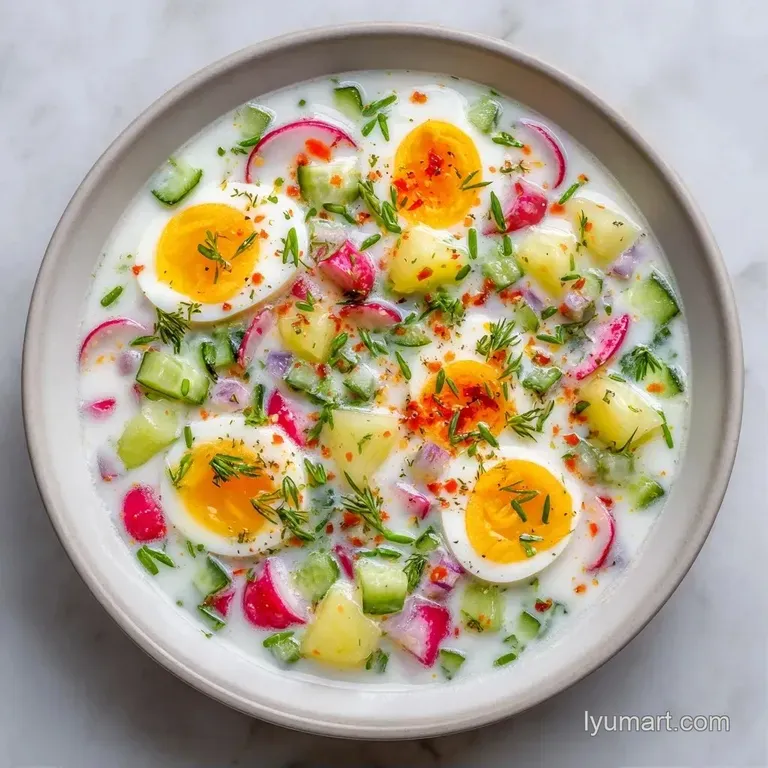
This usually happens if you don't drain the cucumbers or if the potatoes were too wet after the ice bath. Pat your diced cucumbers with a paper towel before adding them to the bowl.
Managing Overpowering Radishes
Some radishes are much spicier than others. If the bite is too strong, soak the diced radishes in cold water for 10 minutes, then drain and pat dry before adding them to the mix.
Fixing a Bland Base
If the soup tastes flat, it's almost always a lack of acid. Add an extra teaspoon of lemon juice or a splash of apple cider vinegar to wake up the kefir.
| Problem | Root Cause | Solution |
|---|---|---|
| Potatoes are mushy | Overboiled or no ice bath | Simmer exactly 12 mins; plunge in ice |
| Soup separates | Warm ingredients added | Ensure all veg are chilled before adding kefir |
| Too thick | Kefir is too concentrated | Stir in 2-4 tbsp of chilled water or milk |
Common Mistakes Checklist:
- ✓ Did you use an ice bath for the potatoes?
- ✓ Are the vegetables diced to ¼ inch?
- ✓ Is the kefir chilled before pouring?
- ✓ Did the soup rest in the fridge for a full hour?
- ✓ Did you add the lemon juice at the end?
Adjusting Recipe Size
Scaling Down
For 2 servings, halve everything. Use 1 potato and 2 eggs. Since you're working with smaller volumes, you can reduce the chilling time to 45 minutes, but don't skip it.
Scaling Up
When making this for a crowd (8+ servings), only increase the salt and pepper to 1.5x the original amount. Taste as you go, as the salt from the ham can accumulate and make the dish too salty. Use a very large bowl to avoid crushing the vegetables while stirring.
If you enjoy these kinds of chilled recipes, you might also like the Quick Summer Instant Pot Soup for a different take on seasonal eating.
Debunking Soup Myths
You might hear that you must use kvass (a fermented rye bread drink) to make this authentic. While kvass is traditional, kefir is widely used and often preferred for its creamier texture and accessibility in modern kitchens.
Another myth is that you should blend the base. Never do this. The whole point of Russian Cold Summer Soup is the chunky, crisp texture. Blending it turns it into a cold gazpacho, which is a completely different experience.
Storage and Zero Waste
Store the assembled soup in an airtight container in the fridge for up to 3 days. Note that the cucumbers will release more water over time, so you may need to stir in a tablespoon of fresh kefir to restore the thickness before serving.
Do not freeze this soup. The kefir will separate and the raw cucumbers will turn to mush upon thawing.
For zero waste, use the potato peelings by tossing them in olive oil and salt and air frying them for 10 minutes. If you have leftover ham or eggs, they can be folded into a morning omelet.
Pairing Suggestions
This dish is light and acidic, so it pairs well with something hearty and warm on the side. A toasted piece of dark rye bread with salted butter is the classic choice.
For a more complete meal, serve it alongside a plate of grilled sausages or a simple piece of baked fish. The coolness of the soup cleanses the palate between bites of rich, savory proteins.
High in Sodium
850 mg 850 mg of sodium per serving (37% 37% of daily value)
The American Heart Association recommends a daily limit of 2,300 mg of sodium for most adults to maintain heart health.
Tips to Reduce Sodium
-
Swap the Ham-25%
Replace the cooked ham with grilled chicken breast or a low-sodium deli turkey to significantly reduce processed sodium.
-
Limit Added Salt-25%
Reduce the sea salt by half or omit it completely, relying on the natural salinity of the other ingredients.
-
Choose Low-Sodium Kefir-10%
Look for low-sodium kefir options or use a homemade version to lower the baseline sodium of the dressing.
-
Boost the Citrus
Increase the lemon juice or add fresh lemon zest to provide a bright, tangy flavor that mimics the taste of salt.
-
Enhance Fresh Herbs
Double the amount of fresh dill and green onions to add more aromatic depth and flavor without adding any sodium.
Recipe FAQs
Is this recipe the same as Russian Borscht?
No, this is a different traditional dish. While Borscht is a hearty beet-based soup, this cold summer soup uses kefir and fresh vegetables for a refreshing, cooling effect.
What exactly is a traditional Russian cold summer soup?
It is a chilled mixture of diced vegetables, ham, and hard-boiled eggs. The ingredients are folded into a base of chilled kefir and lemon juice to create a crisp, savory meal.
How to ensure the vegetables have a consistent texture?
Dice all ingredients into pea-sized bits of roughly ¼ inch. This ensures that the potatoes, cucumbers, and radishes distribute evenly in every spoonful.
Is it true that the ice bath is optional for the potatoes and eggs?
No, this is a common misconception. Plunging them into an ice bath stops the cooking process immediately, which prevents the potatoes from becoming mushy and the eggs from overcooking.
Can I store this soup in the freezer?
No, do not freeze this soup. The kefir will separate upon thawing and the raw cucumbers will lose their structure and turn to mush.
How to store leftovers to keep them fresh?
Place the assembled soup in an airtight container in the fridge for up to 3 days. If the cucumbers release too much water, stir in a tablespoon of fresh kefir to restore the thickness; if you enjoy this type of refreshing base, you might like our summer lentil soup.
What is the flavor profile of this cold soup?
It is tangy, creamy, and fresh. The lemon juice and kefir provide a bright acidity that balances the salty ham and earthy potatoes, while fresh dill adds a clean, herbal finish.
Russian Cold Summer Soup for 4 Servings