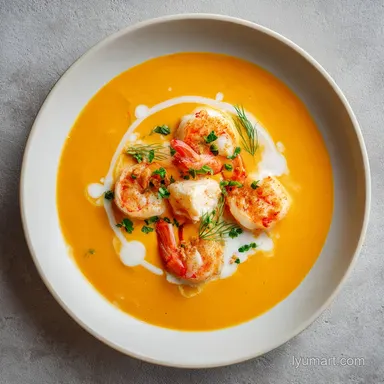
Crab and Shrimp Seafood Bisque: Rich and Velvety

- Time:15 minutes active + 30 minutes cooking = 45 minutes total
- Flavor/Texture Hook: Velvety, buttery, and rich with a bright sherry lift
- Perfect for: Holiday dinner parties or a cozy Sunday family feast
- Best Crab and Shrimp Seafood Bisque Recipe
- Why This Dish Works
- Ingredient Component Analysis
- Essential Ingredients and Swaps
- Tools for the Job
- Step-by-Step Cooking Guide
- Troubleshooting Common Issues
- Adjusting the Serving Size
- Seafood Cooking Myths
- Storage and Waste Tips
- Final Serving Ideas
- High in Sodium
- Recipe FAQs
- 📝 Recipe Card
Best Crab and Shrimp Seafood Bisque Recipe
The first thing that hits you is that sizzle. You know the one, where the butter foams up in the pot and the onions hit the heat with a sharp, sweet pop. I remember the first time I tried making a bisque for my family during a rainy November weekend.
The house was freezing, and we wanted something that felt like a warm hug in a bowl. I spent way too long worrying if I had enough crab, but as the smell of sautéed celery and carrots filled the kitchen, I realized the secret isn't in the quantity of the seafood, but in how you build those base layers.
Trust me, this isn't some fancy, intimidating restaurant dish. It's honest comfort food. We're talking about a soup that feels indulgent but doesn't require a degree in culinary arts to get right.
I've spent plenty of time messing up roux - sometimes too dark, sometimes too lumpy - but once you get the rhythm of the whisk, it's brilliant.
You can expect a thick, silky soup that tastes like it spent eight hours simmering, even though we're knocking this out in under an hour. This crab and shrimp seafood bisque recipe is all about smart shortcuts that don't sacrifice the deep, briny flavor of the ocean.
It's the kind of meal that makes people linger at the table, dipping crusty bread into the last few drops of cream.
Why This Dish Works
Right then, let's talk about why this actually tastes so good. It's not magic, just a few simple tricks to make the flavors pop.
- The Holy Trinity: Sautéing onion, celery, and carrot creates a sweet, aromatic base that cuts through the heavy fat of the cream.
- Roux Stability: Cooking the flour in butter before adding liquid ensures the soup stays velvety and doesn't have a raw, grainy flour taste.
- Acidic Balance: The dry sherry acts as a brightness agent, stopping the cream from feeling too heavy on the palate.
- Gentle Poaching: By adding the shrimp and crab at the very end, we avoid the dreaded rubbery texture that happens when seafood overcooks.
- Color Depth: A tiny bit of tomato paste doesn't make it taste like tomato soup, but it gives the bisque that classic brick orange hue.
But what about the thickness? Some people try to use cornstarch, but that can leave a glossy, "fake" feel. A flour based roux gives it that classic, humble weight we're looking for in a comfort dish.
| Premium Choice | Budget Alternative | Impact on Dish | Potential Savings |
|---|---|---|---|
| Fresh Lump Crab | high-quality Canned Crab | Slightly less sweetness, similar texture | $10 - $15 |
| Homemade Seafood Stock | store-bought Seafood Base | Less depth, more saltiness | $5 - $8 |
| Fresh Heavy Cream | Half and Half | Thinner consistency, less richness | $2 - $3 |
| Fresh Parsley | Dried Parsley | Loss of bright, herbal top note | $1 - $2 |
Since we're going for a budget smart approach, don't be afraid of the canned lump crab. Just make sure you drain it well and pick out any stray shells. It still delivers that satisfying briny hit without breaking the bank.
Ingredient Component Analysis
I like to look at ingredients by what they actually do for the soup. If you understand the role, you can swap things out without ruining the whole pot.
| Ingredient | Science Role | Pro Secret |
|---|---|---|
| Unsalted Butter | Fat Base | Use a high fat European style for more richness |
| Tomato Paste | Umami & Color | Sauté it until it turns dark red to unlock flavor |
| Seafood Stock | Flavor Body | According to Serious Eats, a well reduced stock is the key to depth |
| Dry Sherry | Acidic Lift | Add it last to keep the volatile aromas intact |
You'll notice we use white pepper instead of black. It's a small detail, but it keeps the soup looking clean and creamy rather than having little black specks floating around. Plus, it has a slightly different, more floral heat that pairs better with seafood.
Essential Ingredients and Swaps
Here is everything you need. I've kept this to the basics, but I've added some smart swaps if you're missing something in the pantry.
The Aromatics
- 4 tbsp (57g) unsalted butterWhy this? Provides the fat for the roux and a rich mouthfeel
- 1 small (100g) yellow onion, finely diced (Swap: Shallots for a milder flavor)
- 1 stalk (40g) celery, finely diced (Swap: Bok choy stems for a subtle twist)
- 1 medium (60g) carrot, finely diced (Swap: Parsnip for a sweeter, earthier tone)
- 3 cloves (9g) garlic, minced (Swap: Garlic powder, but use only 1 tsp)
The Thickener & Liquids
- 1 tbsp (16g) tomato pasteWhy this? Adds a subtle tang and the iconic bisque color
- 1/4 cup (30g) all purpose flour (Swap: gluten-free 1:1 blend)
- 4 cups (950ml) seafood stockWhy this? Concentrates the ocean flavor without adding too much water
- 1 cup (240ml) heavy cream (Swap: Full fat coconut milk for a dairy-free version)
- 2 tbsp (30ml) dry sherry (Swap: Dry white wine like Pinot Grigio)
The Seafood & Finish
- 1/2 tsp (3g) smoked paprikaWhy this? Adds a hint of warmth and depth to the background
- 8 oz (225g) lump crab meat (Swap: Imitation crab, though it's less flavorful)
- 8 oz (225g) raw shrimp, peeled, deveined, and chopped (Swap: Bay scallops)
- 2 tbsp (8g) fresh parsley, chopped (Swap: Chives for a sharper bite)
- salt to taste
- white pepper to taste
Honestly, don't even bother with low-fat cream or skim milk here. This is a comfort dish, and the fat is what carries all those beautiful seafood flavors to your taste buds. According to USDA FoodData, the fats in heavy cream provide the necessary stability to keep the soup from splitting when we add the acid from the sherry.
Tools for the Job
You don't need a professional kitchen for this, but a few specific tools make it way easier.
- Dutch Oven: A heavy bottomed pot is best. It distributes heat evenly so your roux doesn't burn in one spot.
- Whisk: Essential for getting those lumps out of the stock. If you don't have one, a fork works in a pinch, but it's more work.
- Fine Dice Knife: You want your vegetables very small. If they're too chunky, they'll fight with the tender crab and shrimp.
- Wooden Spoon: Great for scraping the bottom of the pot to get all those brown bits (the flavor!) incorporated.
Step-by-step Cooking Guide
Let's get into it. Just follow these steps and you'll have a stunning result.
Phase 1: Building the Flavor Base
- Melt the butter over medium heat in your Dutch oven. Wait until it begins to foam and sizzle before adding the vegetables.
- Add the onion, celery, and carrot. Sauté for 5–7 minutes until the vegetables are translucent and soft. Note: Don't brown them; we want them sweet, not charred.
- Stir in the minced garlic and tomato paste. Cook for another 2 minutes until the paste turns a deep brick red. This step is vital for that rich color.
Phase 2: Creating the Velvety Texture
- Sprinkle the flour over the vegetables. Whisk constantly for 2 minutes until it smells slightly nutty and looks like a golden blond roux.
- Slowly pour in the seafood stock one cup at a time. Whisk constantly until the liquid is smooth and lump free. Note: Adding stock slowly prevents the flour from clumping.
- Stir in the heavy cream, dry sherry, and smoked paprika. Bring the pot to a gentle simmer. Do not let it reach a rolling boil, or you risk the cream separating.
Phase 3: The Finishing Touch
- Fold in the lump crab meat and chopped shrimp. Simmer for 3-5 minutes just until the shrimp turn pink and opaque. Note: Overcooking the seafood here will make it rubbery.
- Season with salt and white pepper to taste. Turn off the heat and stir in the chopped fresh parsley.
Troubleshooting Common Issues
Even for seasoned cooks, seafood can be tricky. Here is how to handle the most common hiccups.
| Issue | Solution |
|---|---|
| Why Your Bisque Is Lumpy | If you see little balls of flour floating around, you likely added the stock too fast or didn't whisk enough. Don't panic. You can either whisk vigorously over medium heat for a few more minutes or, i |
| Why Your Seafood Is Rubbery | This usually happens when the soup is too hot or the seafood simmers for too long. Shrimp cook incredibly fast. As soon as they lose their translucency, they're done. |
| Why The Taste Is Flat | If it feels like it's missing "something," it's almost always a lack of acid or salt. A tiny extra splash of sherry or a pinch more salt can wake up the whole pot. |
Quick Fix Checklist:
- ✓ Check for "brick red" color of tomato paste before adding flour.
- ✓ Ensure stock is added slowly to avoid lumps.
- ✓ Use a thermometer or visual cue (pink) for shrimp doneness.
- ✓ Taste for salt after the cream is added.
- ✓ Keep the heat at a simmer, never a hard boil.
Adjusting the Serving Size
If you're not feeding a crowd of six, you'll need to tweak things.
Cutting it in Half (3 Servings) Use a smaller pot so the liquid doesn't evaporate too quickly. Reduce the cooking time for the vegetables by about 20%. For the butter and flour, just use 2 tbsp and 2 tbsp respectively.
Doubling the Batch (12 Servings) When scaling up, don't just double the salt and paprika. Start with 1.5x the seasoning, then taste and add more. Use a very large stockpot and work in batches if you're searing the seafood separately.
Decision Shortcut:
- If you want a thicker soup → Cook the roux for an extra minute.
- If you want a lighter feel → Use 1/2 cup cream and 1/2 cup whole milk.
- If you want a punchier seafood taste → Fold in an extra 4 oz of crab.
Seafood Cooking Myths
There are a few things people tell you about bisques that just aren't true. Let's clear those up.
Myth: You must use a blender to get a smooth bisque. Truth: While some people blend their vegetables, a fine dice and a proper roux create a naturally velvety texture. Blending can actually make the soup too airy and lose that classic "comfort" feel.
Myth: Searing the shrimp first "locks in" the juices. Truth: Searing adds flavor (that's the Maillard reaction), but it doesn't seal the meat. In a bisque, poaching the shrimp directly in the liquid keeps them tender and lets them absorb the flavors of the stock.
Myth: You can't freeze a cream based soup. Truth: You absolutely can, though the texture might change slightly. If you're planning to freeze this, I recommend freezing the base before adding the cream and seafood, then finishing it fresh.
Storage and Waste Tips
Don't let those expensive ingredients go to waste.
Storage Guidelines Store any leftovers in an airtight container in the fridge for up to 3 days. If you're freezing it, keep it for up to 2 months. For the best results, I suggest pairing leftovers with a side of Broccoli Casserole recipe for a full meal.
Reheating Instructions Heat the bisque slowly over low heat on the stove. If you use a microwave, do it in 30 second bursts and stir in between. If the soup looks a bit separated, stir in a teaspoon of warm water or cream to bring the emulsion back together.
Zero Waste Tips
- Shrimp Shells: Don't toss the shells! Boil them with an onion, a carrot, and some water for 20 minutes to make your own seafood stock for next time.
- Parsley Stems: Finely chop the stems and add them in with the carrots and celery; they have more flavor than the leaves.
- Leftover Roux: If you accidentally make too much roux, freeze it in small dollops to thicken future sauces.
Final Serving Ideas
The way you present this makes a huge difference. Since the soup is so rich, you want contrast on the plate.
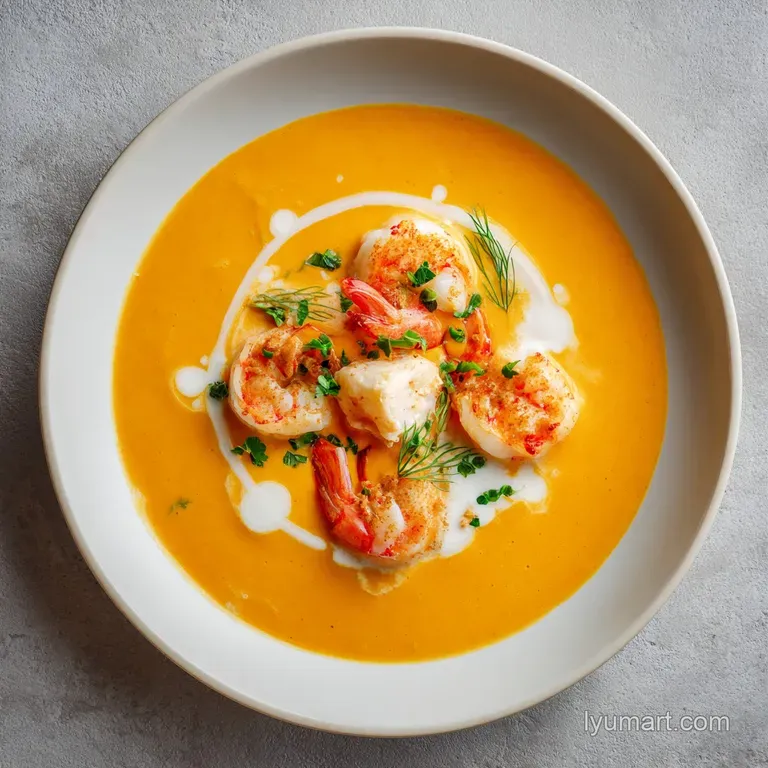
I love serving this in a wide, shallow bowl rather than a deep mug. It lets the aroma of the sherry hit you immediately. Top it with a generous pinch of fresh parsley and a few whole lump crab pieces to show off the ingredients.
For a real treat, serve it with a side of toasted sourdough rubbed with a raw garlic clove. If you're looking for another seafood pairing, a side of Seared Cod Herb Butter Sauce works brilliantly if you're doing a full surf and turf evening.
Finally, a squeeze of fresh lemon juice right before eating can brighten the whole dish and cut through the richness of the cream. It's a tiny addition, but it makes the crab and shrimp seafood bisque recipe taste like it came from a high end bistro.
High in Sodium
1132 mg 1132 mg of sodium per serving (49% 49% of daily value)
The American Heart Association recommends a daily sodium limit of 2,300 mg to reduce the risk of high blood pressure and heart disease.
Tips to Reduce Sodium
-
Swap Seafood Stock-30%
Replace standard seafood stock with low-sodium or homemade unsalted seafood stock to significantly lower the base sodium level.
-
Omit Added Salt-25%
Remove the salt to taste completely; the natural saltiness of the crab and shrimp often provides enough flavor.
-
No-Salt Added Tomato Paste-20%
Use no-salt added tomato paste instead of regular paste to avoid hidden sodium in the concentrate.
-
Rinse Crab Meat-15%
Thoroughly rinse the lump crab meat under cold water to remove excess brine and processing salts.
-
Enhance with Aromatics
Increase the fresh parsley or add a squeeze of fresh lemon juice to brighten the flavor without adding salt.
Recipe FAQs
Can I use frozen shrimp in this recipe?
Yes, frozen shrimp work well. Just ensure they are fully thawed and patted dry before adding them to the pot to avoid thinning the bisque.
How to prevent the bisque from becoming lumpy?
Pour the seafood stock slowly, one cup at a time. Whisk constantly as you add the liquid to ensure the flour roux incorporates smoothly.
Is it true that seafood must simmer for 30 minutes to be safe?
No, this is a common misconception. Simmering for just a few minutes until the shrimp lose their translucency is sufficient and prevents a rubbery texture.
How to reheat the bisque without separating the cream?
Heat slowly over low heat on the stove. If using a microwave, use 30-second bursts and stir in between to maintain the emulsion.
Can I omit the dry sherry?
Yes, you can leave it out without ruining the dish. If you enjoyed mastering the roux for this base, see how the same thickening principle creates the rich sauce in Beef Bourguignon.
Why is my shrimp rubbery?
The seafood simmered for too long. Remove the pot from the heat the moment the shrimp are cooked through to keep them tender.
How to store leftover bisque?
Store in an airtight container in the refrigerator. It remains fresh for up to 3 days or can be frozen for up to 2 months.
Crab And Shrimp Seafood Bisque