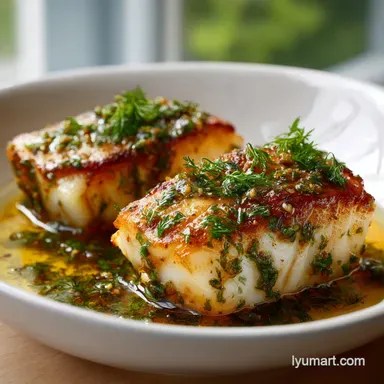
Seared Cod Herb Butter Sauce: Silky and Golden
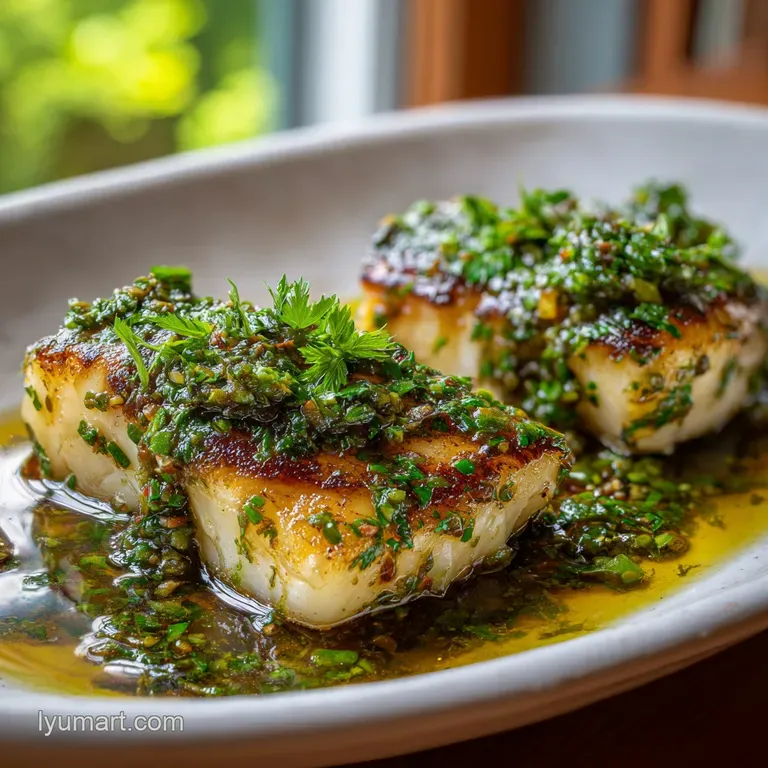
- Time: 10 min prep + 10 min cook = Total 20 minutes
- Flavor/Texture Hook: Golden, shatter crisp crust with a silky, lemon herb glaze
- Perfect for: An impressive weeknight dinner that feels like a date night
- Seared Cod Herb Butter Sauce
- Why This Dish Hits Different
- The Ingredient Deep Dive
- The Essential Ingredient List
- Best Tools for Searing
- Step by Step Execution
- Fixing Common Fish Fails
- Adjusting Your Portion Size
- Fish Searing Truths
- Storage and Waste Tips
- Making It Look Fancy
- Recipe FAQs
- 📝 Recipe Card
Seared Cod Herb Butter Sauce
The first time I tried searing cod, I did what most people do- I threw the fillets in the pan while they were still slightly damp from the package. The result was a sad, grey, steamed piece of fish that stuck to the stainless steel like glue.
I remember the frustration of watching my dinner disintegrate as I tried to flip it, the aroma of burnt butter filling the kitchen while the fish remained mushy. It was a humbling moment that taught me the most important lesson in seafood: moisture is the enemy of the crust.
Once I realized that a bone dry fillet is the only way to get that golden, shatter crisp exterior, everything changed. I started treating my cod like a steak, focusing on the heat of the pan and the timing of the flip.
This Golden Seared Cod with Herb Butter Sauce is a restaurant quality meal you can easily make at home. It's all about the contrast between the heat of the sear and the cool, velvety richness of the herb butter.
You can expect a dish that looks professional but takes less than half an hour from start to finish. We aren't doing any fancy poaching or sous vide here, just a hot pan and a few fresh herbs.
The Seared Cod Herb Butter Sauce brings a brightness that cuts through the richness of the butter, making the whole plate feel light yet satisfying.
Why This Dish Hits Different
I've spent a lot of time wondering why some fish tastes "restaurant style" while others just taste like... fish. It usually comes down to how the fats and acids interact in the pan.
- Cold Butter Finish: Adding chilled butter cubes at the end prevents the sauce from breaking into a greasy puddle, keeping it thick and glossy.
- Oil Smoke Point: Avocado oil can handle the high heat needed for a crust without smoking or tasting burnt, which is why we avoid olive oil here.
- Acid Balance: The combination of white wine and lemon juice cuts through the heavy butter, preventing the dish from feeling too weighted.
- Surface Tension: Patting the fish dry removes the water barrier, allowing the protein to hit the oil directly and brown instantly.
| Approach | Prep Time | Texture | Best For |
|---|---|---|---|
| Fast Melt | 5 mins | Thin/Oily | Quick lunches |
| Classic Reduction | 15 mins | Velvety/Thick | Dinner parties |
Right then, let's look at what's actually happening with the ingredients. It's not just about flavor, it's about how they behave when they hit the heat.
The Ingredient Deep Dive
| Ingredient | Science Role | Pro Secret |
|---|---|---|
| Avocado Oil | over High heat conductor | Keeps the pan from smoking at 400°F |
| Chilled Butter | Emulsifier | Keep it in the fridge until the second you need it |
| White Wine | Deglazing agent | Scrapes up the browned bits (fond) for deeper flavor |
| Lemon Juice | pH Balancer | Brightens the flavor and softens the butter's richness |
The Essential Ingredient List
Here is everything you need to get this on the table. I've listed a few swaps if you're missing something in the pantry.
- 2 cod fillets, approx 6 oz (170g) each Why this? Mild flavor and thick cut for a great sear
- 1/2 tsp (3g) kosher salt
- 1/4 tsp (1g) cracked black pepper
- 1 tbsp (15ml) avocado oil Why this? High smoke point for a crisp crust
- 3 tbsp (42g) unsalted butter, cubed and chilled Why this? Creates a stable, glossy emulsion
- 1 small shallot, finely minced
- 2 cloves (6g) garlic, minced
- 1 tbsp (15ml) fresh lemon juice
- 1 tsp (2g) lemon zest
- 1 tbsp (4g) fresh parsley, chopped
- 1 tsp (1g) fresh thyme leaves
- 1 tbsp (15ml) dry white wine
| Original Ingredient | Substitute | Why It Works |
|---|---|---|
| Avocado Oil | Grapeseed Oil | Similar high smoke point. Note: Neutral taste |
| Cod Fillets | Halibut | Firmer texture. Note: More expensive but very similar |
| White Wine | Chicken Stock | Adds savory depth. Note: Lacks the bright acidity of wine |
| Shallot | Red Onion | Similar allium base. Note: Slightly sharper, less sweet |
Trust me on this, don't go for the low-fat butter or the pre minced garlic in a jar. The fresh stuff makes a world of difference in a sauce this simple.
Best Tools for Searing
You don't need a professional kitchen, but the pan matters. I always reach for a stainless steel or cast iron skillet. Non stick pans are great for eggs, but they can't handle the high heat required to get that mahogany crust on the fish.
If you use stainless steel, just make sure the oil is shimmering before the fish goes in, or it'll stick.
I also recommend a fish spatula if you have one. They're thinner and wider, which means you won't break the delicate flakes of the cod when you flip it. A simple whisk is essential for the sauce to ensure the butter incorporates smoothly without separating.
Step by step Execution
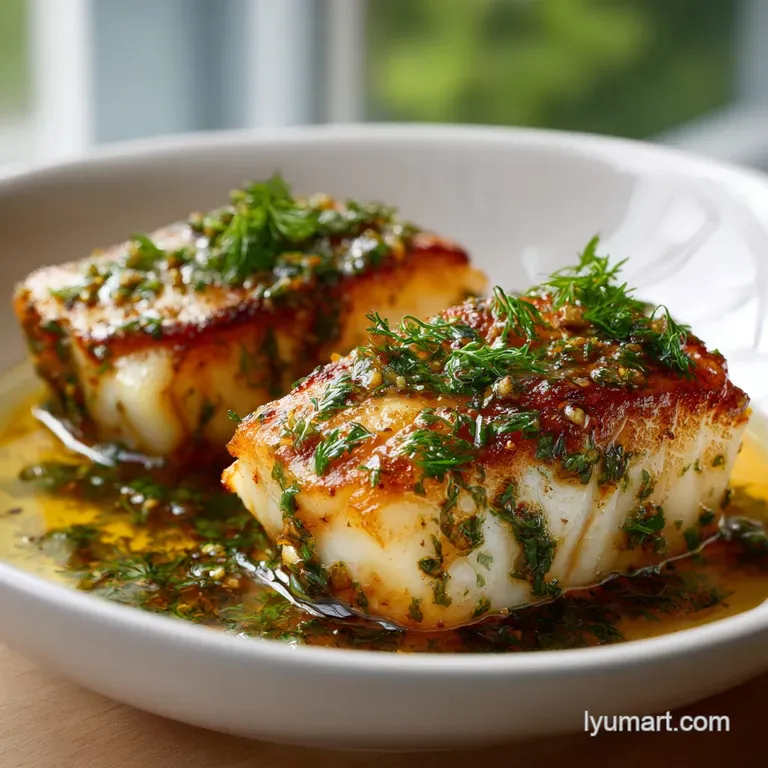
Let's crack on with the cooking. I like to break this into three phases so you don't feel rushed.
Phase 1: The Secret to the Sear
- Pat the cod fillets bone dry on all sides using paper towels. Note: Any moisture will steam the fish instead of searing it
- Season both sides of the fillets with kosher salt and cracked black pepper immediately before cooking. Note: Salt draws out moisture, so don't do this too early
- Heat avocado oil in a stainless steel or cast iron skillet over medium high heat until shimmering.
Phase 2: Achieving the Golden Crust
- Lay fillets in the pan, pressing down lightly for 10 seconds. Cook undisturbed for 3-4 minutes until a golden brown crust forms and the fish releases easily from the pan.
- Flip the fillets and cook for another 2-3 minutes until the flesh is opaque and flakes easily with a fork. Remove fish to a plate to rest.
Phase 3: Building the Herb Butter Sauce
- Lower heat to medium in the same pan. Sauté minced shallots and garlic for 1 minute until fragrant and translucent.
- Stir in white wine and lemon juice; simmer for 2 minutes until the liquid reduces by half and looks syrupy.
- Remove the pan from heat entirely. Whisk in chilled butter cubes one by one until the sauce is glossy and thickened. Note: Removing from heat prevents the butter from breaking
- Stir in lemon zest, chopped parsley, and thyme leaves before spooning the sauce over the cod.
Chef's Note: To get an even more intense flavor, try adding a pinch of espresso powder to the butter sauce. It sounds wild, but the bitterness balances the lemon and butter beautifully.
Fixing Common Fish Fails
Cooking fish can be nerve wracking because the window between "raw" and "overcooked" is tiny. If you've ever had cod that felt like rubber or a sauce that looked like a puddle of oil, you're not alone.
If the Fish Sticks to the Pan
This usually happens because the pan wasn't hot enough or the fish was too wet. When the proteins hit a hot surface, they bond initially, but once the crust forms, they naturally release. If you try to flip it and it resists, give it another 30 seconds.
If the Butter Sauce Breaks
A "broken" sauce happens when the butter melts too quickly and separates from the liquid. This is why we use cold butter and take the pan off the heat. If it happens, whisk in a teaspoon of warm water or a tiny bit of cream to bring it back together. For more on how to handle fats in cooking, check out Serious Eats' guide on emulsions, which explains how to keep sauces stable.
If the Cod Overcooks
Cod is lean, so it dries out fast. If you've overdone it, serve it with an extra generous scoop of the herb butter sauce to add moisture back in. Next time, use a meat thermometer; pull the fish at 135°F (57°C) for a perfect medium flake.
| Problem | Root Cause | Solution |
|---|---|---|
| Mushy Texture | Fish was damp | Pat dry with paper towels |
| Grey Color | Pan wasn't hot enough | Wait for oil to shimmer |
| Oily Sauce | Butter added to boiling pan | Remove pan from heat first |
Common Mistakes Checklist
- ✓ Seasoning too early (creates surface moisture)
- ✓ Crowding the pan (drops the temperature)
- ✓ Flipping the fish too often (breaks the crust)
- ✓ Using melted butter instead of chilled cubes
- ✓ Leaving the sauce on the heat while whisking butter
Adjusting Your Portion Size
If you're cooking for a crowd or just yourself, you can't just multiply everything linearly. Fats and aromatics behave differently in larger volumes.
Scaling Down (1 serving): Use a smaller 8 inch skillet. Reduce the cooking time for the sauce by about 20%, as the liquid will reduce much faster. Use 1.5 tbsp of butter instead of 3.
Scaling Up (4+ servings): Work in batches. If you crowd the pan with four large cod fillets, the temperature will plummet, and you'll end up steaming the fish. Sear two at a time, keep them warm on a plate, and then make one large batch of the sauce in the same pan.
When scaling the sauce, only increase the salt and spices to 1.5x to avoid over seasoning.
Since this is a rich meal, it pairs brilliantly with a light side. I usually serve this with my Broccoli Casserole recipe for a comforting balance, or some simple steamed asparagus.
Fish Searing Truths
There are a few things people tell you about searing fish that just aren't true. Let's set the record straight.
The "Seal in Juices" Myth: You'll often hear that searing "locks in" the juices. In reality, searing doesn't create a waterproof seal. Moisture loss happens throughout the cooking process. The crust is about flavor and texture, not about trapping liquid.
The "Constant Flipping" Debate: Some people swear by flipping fish every 30 seconds. While that can work for some cuts, for a Seared Cod Herb Butter Sauce, you want that undisturbed contact. Flipping too often prevents the crust from fully developing and increases the chance of the fillet breaking.
Storage and Waste Tips
Freshly seared fish is always best, but leftovers happen. Store any remaining cod and sauce in an airtight container in the fridge for up to 2 days.
Reheating: To avoid drying out the fish, don't use the microwave. Instead, place the cod in a pan over low heat with a tablespoon of water or a knob of butter. Cover it with a lid for 2-3 minutes to steam it back to life.
Zero Waste Tips:
- Shallot Ends: Save the root ends of your shallots and garlic skins in a freezer bag. When the bag is full, simmer them with water and peppercorns to make a quick vegetable stock.
- Parsley Stems: Don't toss the stems! They have more flavor than the leaves. Finely chop them and add them to the pan during the sauté phase with the garlic.
- Leftover Sauce: If you have extra herb butter sauce, it's incredible over a baked potato or drizzled over grilled shrimp.
Making It Look Fancy
You can make this look like a $40 entree with two simple tricks. First, instead of just pouring the sauce over the fish, spoon it around the base of the fillet. This keeps the crust on top crispy while the bottom stays succulent.
Second, garnish with a fresh sprig of thyme and a thin slice of lemon perched on the side. Use a wide, white plate to make the golden colors of the Seared Cod Herb Butter Sauce really pop. It's a humble dish, but the presentation is what makes it feel satisfying and special.
Recipe FAQs
Why does my cod turn out dry and tough, losing its beautiful flake?
You are likely overcooking the fish. Cod cooks very quickly; remove the fillets from the pan as soon as they are opaque and flake easily.
How do I achieve a truly crispy, golden crust without the fish sticking to the pan?
Pat the fillets bone dry with paper towels. Ensure the avocado oil is shimmering over medium high heat before adding the fish, and press down lightly for 10 seconds to ensure full contact.
I don't have cod. What other types of fish can I substitute for this recipe?
Use any firm, white flaky fish like halibut or sea bass. If you enjoy the light, delicate textures found in our spinach and feta bake, these mild substitutions will work perfectly.
My brown butter went from nutty to burnt very quickly. What went wrong?
The pan was likely still on the heat source. To keep the sauce glossy and prevent scorching, you must remove the pan from the heat entirely before whisking in the chilled butter cubes.
Should I use fresh cod, or is frozen cod acceptable for searing?
Fresh is highly recommended. Frozen cod releases significant moisture as it thaws and cooks, which steams the fish and prevents a golden brown crust from forming.
How can I tell when the cod is perfectly cooked through?
Check that the flesh is opaque and flakes easily. Use a fork to gently press the thickest part of the fillet; it should separate naturally along the flakes without remaining translucent.
Can I save and reheat the leftover cooked cod?
Yes, store it in an airtight container for up to 2 days. Avoid the microwave; instead, reheat in a pan over low heat with butter or water, covered with a lid for 2-3 minutes.
Seared Cod Herb Butter Sauce