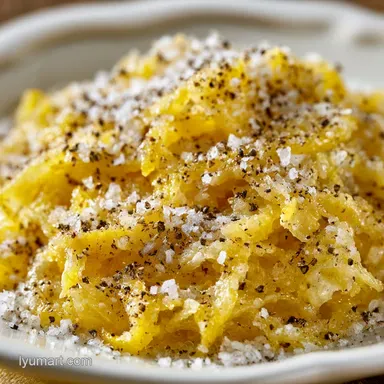
Lemon Pepper Seasoning: Sharp and Zesty
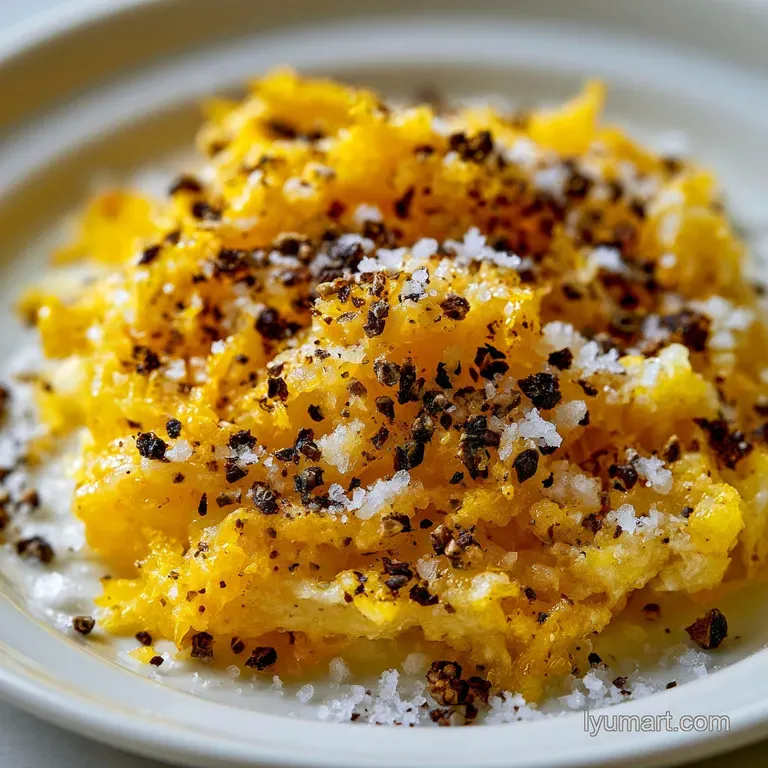
- Time: 5 min active + 60 min drying = 65 min total
- Flavor/Texture Hook: Sharp, zesty, and slightly gritty
- Perfect for: Game day wings, grilled fish, or roasted potatoes
Lemon Pepper Seasoning
The sharp, bright scent of lemon hitting a hot pan is one of my favorite kitchen smells. It's the kind of aroma that immediately makes you feel like you've got your life together, even if the rest of the house is a mess.
I remember the first time I tried making a "homemade" version using just fresh juice and pepper on chicken wings. The juice made the skin soggy, and the wings never got that shatter crisp texture we all want.
That mistake taught me that the secret isn't in the juice, but in the dried peel. When you dry the zest, you concentrate the oils and create a powder that sticks to the meat without adding moisture. Now, this is my go to for every Sunday football gathering.
It's a classic, humble blend that turns a basic piece of protein into something satisfying.
You can expect a blend that is punchy and bright. This isn't a subtle seasoning, it's designed to stand up to high heat and bold fats. Whether you're rubbing it into a roast or tossing it with fried wings, this Lemon Pepper Seasoning provides a consistent, zesty crust every single time.
The Hidden Secrets
Concentrated Oils: Drying the lemon peel at a low temperature preserves the essential oils while removing water, which prevents the seasoning from clumping.
Particle Size: Using coarse black pepper creates "bursts" of heat rather than a uniform burn, which balances the acidity of the lemon.
Salt Bridging: Kosher salt acts as a carrier, pulling the garlic and lemon flavors deeper into the surface of the food.
Maillard Support: The tiny amount of natural sugar in the dried peel helps the seasoning brown and caramelize during over high heat roasting.
| Approach | Prep Time | Texture | Best For |
|---|---|---|---|
| Fast (store-bought peel) | 5 minutes | Fine powder | Quick weeknight meals |
| Classic (Home dried) | 65 minutes | Gritty/Rustic | over High heat roasting/frying |
Component Analysis
| Ingredient | Science Role | Pro Secret |
|---|---|---|
| Dried Lemon Peel | Acidic Base | Bake at 200°F to avoid burning the oils |
| Coarse Black Pepper | Heat/Aroma | Use a mill for the freshest piperine kick |
| Kosher Salt | Flavor Enhancer | Larger grains prevent over salting the meat |
| Garlic Powder | Umami Depth | Adds a savory backbone to the citrus |
The Core Components
- 2 tbsp dried lemon peel Why this? Concentrated citrus punch without the moisture (Substitute: store-bought dried lemon peel)
- 2 tbsp coarse black pepper Why this? Bold, pungent heat (Substitute: Finely ground black pepper)
- 2 tbsp kosher salt Why this? Better adhesion and control (Substitute: Sea salt)
- 1 tsp garlic powder Why this? Rounded savory flavor (Substitute: Onion powder)
Necessary Kitchen Tools
You don't need a fancy lab for this. A basic baking sheet and a zester (like a Microplane) are the most important tools. I use a small glass jar for mixing because it lets me see if the colors are uniform. A simple fork works best for breaking up any lemon peel clumps.
Step-by-step Process
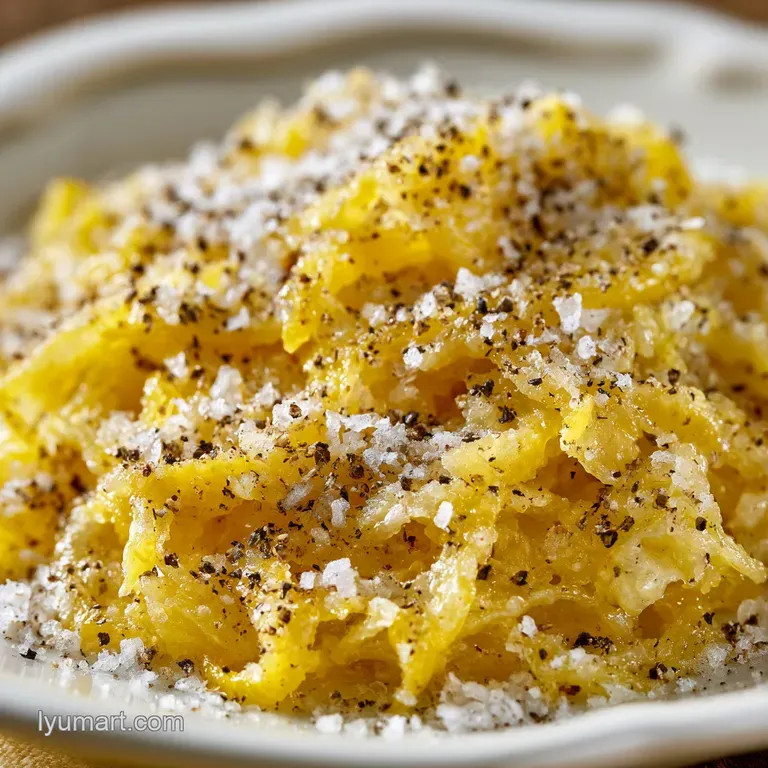
- Zest two medium lemons. Note: Only take the yellow part, avoid the white pith.
- Spread the zest in a thin layer on a baking sheet.
- Bake at 200°F (93°C) for 45–60 minutes until the peel is brittle and dry.
- Combine the dried lemon peel, coarse black pepper, and kosher salt in a small mixing bowl.
- Stir in the garlic powder.
- Use a fork to stir the ingredients until the color is uniform.
- Transfer the blend into an airtight glass jar.
- Shake the jar firmly until salt crystals are evenly distributed.
Tips and Common Mistakes
When you're making this, the biggest risk is the lemon zest. If you leave it in the oven too long or use too high a temp, it turns bitter. I once left mine in at 300°F for ten minutes and it tasted like burnt rubber. Stick to that low 200°F setting.
Chef: Freeze your lemon peel for 10 minutes before zesting if you want extremely clean, distinct curls of zest.
But what about the texture? If your blend feels too "sandy," it's usually because the salt grains are too fine. Using coarse kosher salt gives the seasoning a more professional, rustic feel.
Bitter Lemon Peel
If the seasoning tastes acrid, you likely zested too deep into the white pith. The pith is naturally bitter and doesn't sweeten during drying.
Clumping Issues
Moisture from the air can make garlic powder clump. If this happens, shake the jar vigorously or pulse it in a spice grinder for two seconds.
Overpowering Salt
If the salt is too aggressive, it's usually due to the salt type. Table salt is denser than kosher salt, meaning 2 tbsp of table salt is way more sodium.
| Problem | Root Cause | Solution |
|---|---|---|
| Bitter Taste | Included white pith | Use a sharper zester; stay on yellow surface |
| Clumpy Mix | Residual moisture | Sift through a fine mesh strainer |
| Dull Flavor | Old peppercorns | Toast whole peppercorns before grinding |
- ✓ Only zest the yellow skin
- ✓ Use a low oven temp (200°F)
- ✓ Store in glass, not plastic
- ✓ Shake the jar before every use
- ✓ Use coarse salt for better crust
Mix ins and Swaps
If you want to change the vibe, you can easily tweak the base. For a more "Wing Stop" style, add a pinch of sugar to help it caramelize. If you're into heat, a teaspoon of cayenne pepper works wonders. This blend is quite versatile, much like how a Chicken Shawarma recipe uses similar zesty notes to create a bold profile.
The Smoky Twist
Add 1 tsp of smoked paprika. This gives the seasoning a charred, outdoor grill flavor even if you're using an air fryer.
Low Sodium Option
Replace the kosher salt with a potassium based salt substitute or simply reduce the salt to 1 tbsp and increase the lemon peel.
Lime Pepper Swap
Use dried lime zest instead of lemon. It's slightly more floral and pairs better with shrimp or tacos.
Freshness and Storage
Keep your blend in a tight glass jar in a cool, dark cupboard. It'll stay punchy for about 3 months. If you see the colors fading, the oils are oxidizing and the flavor will be muted. You can freeze the blend to extend its life to 6 months, but make sure the lid is truly airtight.
To avoid waste, don't throw away the lemons after zesting. I use the leftover juice in a vinaigrette or as a tenderizer for meats. If you have a ton of extra zest that didn't make it into the mix, freeze it in ice cube trays with olive oil for a quick flavor bomb during sautéing.
Best Ways to Serve
This is a powerhouse for poultry. Rub it under the skin of a chicken breast or toss wings in it before frying. For seafood, it's a dream. I highly recommend pairing this with a Seared Cod recipe to add a bright, citrusy contrast to the buttery sauce.
Another great move is using it on roasted vegetables. Toss some cauliflower florets or asparagus in olive oil and this seasoning, then roast at 400°F for 20 minutes.
The lemon peel shatters and browns, leaving a zesty crust that makes the vegetables taste far more exciting than usual.
Critical Sodium Level
3510 mg 3,510 mg of sodium per serving (153% 153% of daily value)
The American Heart Association recommends a limit of 2,300 mg of sodium per day for most adults to maintain heart health.
Tips to Reduce Sodium in Your Seasoning Blend
-
Reduce Kosher Salt-30%
The kosher salt is the primary sodium source; reduce the amount by half or eliminate it entirely for the most significant impact.
-
Increase Lemon Zest-15%
Double the dried lemon peel or add fresh lemon zest to provide a tart acidity that tricks the palate into needing less salt.
-
Enhance Garlic Powder-10%
Increase the garlic powder or add fresh minced garlic to build a deeper savory profile without adding sodium.
-
Add Fresh Herbs
Mix in fresh parsley or cilantro to add aromatic complexity and brightness to the blend.
Recipe FAQs
What's a substitute for lemon pepper seasoning?
Combine fresh lemon zest, cracked black pepper, salt, and garlic powder. If you enjoyed balancing the zesty acidity here, see how we apply a similar flavor profile in our classic peach jam.
What is the best type of store bought lemon pepper seasoning for wings?
Choose a blend that lists lemon peel and coarse pepper as primary ingredients. Avoid options with high sugar content or artificial fillers to ensure a bold, authentic taste on fried wings.
How to make your own lemon pepper spice?
Bake lemon zest at 200°F (93°C) for 45 60 minutes until brittle. Combine the dried peel with coarse black pepper, kosher salt, and garlic powder, then stir with a fork and shake in an airtight jar.
Do major spice brands make lemon pepper seasoning?
Yes, most major brands offer a version. However, homemade blends are generally fresher and lack the anti caking agents found in commercial products.
Is it true that baking zest at 300°F is a faster way to dry it?
No, this is a common misconception. High temperatures make the zest taste bitter and burnt; always stick to 200°F (93°C) for a clean flavor.
Why does my homemade seasoning feel sandy?
You are likely using fine table salt. Switch to coarse kosher salt to achieve a more professional, rustic texture in your blend.
How to get clean, distinct curls of lemon zest?
Freeze the lemon peel for 10 minutes before zesting. This firms the rind, preventing it from slipping and allowing for cleaner cuts.
Homemade Lemon Pepper Seasoning