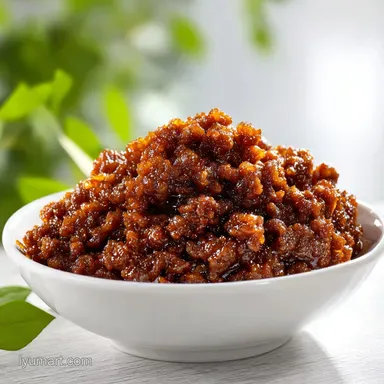
Korean Ground Beef Bowl: Failure-Proof Method
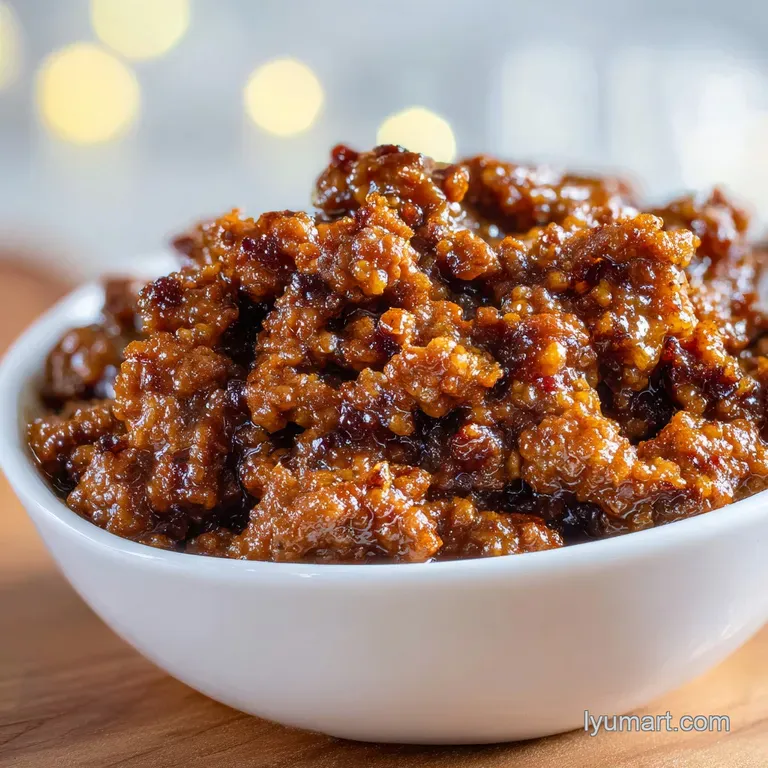
- Time: 10 min prep + 10 min cook = Total 20 mins
- Flavor/Texture Hook: Mahogany crusted beef with a silky, spicy sweet glaze
- Perfect for: Budget-friendly weeknight dinners and fast meal prep
- The Best Korean Ground Beef Bowl Recipe
- Avoid Common Cooking Mistakes
- The Essential Components
- Necessary Kitchen Gear
- Step by Step Guide
- Solving Common Issues
- Troubleshooting Common Issues
- Customizing Your Bowl
- Scaling Your Portions
- Beef Cooking Truths
- Storing and Reusing
- Perfect Side Pairings
- High in Sodium
- Recipe FAQs
- 📝 Recipe Card
The sound of ground beef hitting a ripping hot cast iron is basically my favorite song. That aggressive sizzle tells me exactly when the pan is ready to create the crust that makes this dish actually work.
I remember a Tuesday a few years back when I had exactly 20 minutes before the kids' soccer practice and a freezer full of lean beef. I didn't have time for a slow braise or a complex marinade, so I just threw everything into one pan and hoped for the best.
The result was a total win. It's the kind of meal that feels like you spent an hour in the kitchen, but you actually just used a few pantry staples and a bit of heat. We've all had those nights where the "easy" recipes still take too long or end up tasting bland. This is different.
You can expect a meal that hits every taste bud - salty, sweet, spicy, and umami. This korean ground beef bowl recipe is designed for the home cook who wants maximum impact with zero stress. We're going to focus on the texture of the beef and the thickness of the sauce so you don't end up with a soggy bowl of rice.
The Best Korean Ground Beef Bowl Recipe
Most people treat ground beef like a filler, meaning they just brown it until it's grey and then add sauce. That's a mistake. If you don't let the meat sear undisturbed, you lose all the depth. This approach is vastly different from a slow cooked meal like Beef Bourguignon, where the goal is tenderness through time. Here, we want speed and a concentrated crust.
Right then, let's talk about the sauce. A lot of recipes suggest adding the liquid and simmering for ten minutes. That just steams the meat. We want to add the glaze at the very end, letting the sugars bubble and tighten up.
It creates a velvety coating that sticks to the beef rather than pooling at the bottom of the bowl.
Trust me on this: don't be afraid of the heat. If your pan isn't shimmering, you're just boiling your beef in its own juices. We want that dark, caramelized exterior. It's the difference between a meal that tastes like "taco night" and one that tastes like a proper Korean inspired feast.
Avoid Common Cooking Mistakes
- High Heat Searing
- Pressing the meat down creates more surface area contact, which triggers browning.
- Sugar Reduction
- Boiling the glaze for 2-3 minutes evaporates water and concentrates the flavors.
- Aromatic Timing
- Adding garlic and ginger late prevents them from burning and turning bitter.
- Fat Management
- Draining just enough fat ensures the sauce emulsifies without becoming greasy.
| Approach | Prep Time | Texture | Best For |
|---|---|---|---|
| Fresh Aromatics | 10 mins | Bright, pungent | Maximum flavor |
| Garlic/Ginger Powder | 2 mins | Muted, uniform | Extreme rush |
| Pre made Sauce | 1 min | Syrupy, sweet | Beginner simplicity |
The Essential Components
- Soy Sauce
- Provides the salt and deep umami base.
- Gochujang
- Adds fermented heat and a thick, rich body.
- Brown Sugar
- Creates the sticky viscosity and balances the salt.
- Sesame Oil
- Adds a toasted, nutty aroma at the finish.
| Ingredient | Science Role | Pro Secret |
|---|---|---|
| Ground Beef | Protein Base | Use 90/10 to avoid a grease lake |
| Gochujang | Thickener/Heat | Whisk it well; it's thick and stubborn |
| Brown Sugar | Glazing Agent | Pack it tight for consistent sweetness |
| Fresh Ginger | Brightness | Grate it fine to avoid woody chunks |
Necessary Kitchen Gear
You don't need a professional setup for this, but a few things make it easier. A large cast iron skillet is the gold standard here because it holds heat better than anything else. If you don't have one, a heavy stainless steel pan works.
Avoid non stick if you can, as they often can't handle the high heat needed for that mahogany crust.
For the sauce, a simple small bowl and a whisk are all you need. Make sure your rice is already cooked or in the cooker before you start the beef. Since this dish cooks in 10 minutes, you don't want to be staring at a pot of raw rice while your beef is getting cold.
Step by step Guide
- Whisk together the soy sauce, brown sugar, sesame oil, gochujang, and red pepper flakes in a small bowl until the sugar is fully dissolved. Note: Dissolving the sugar now prevents grainy sauce later.
- Heat vegetable oil in a large cast iron skillet over medium high heat until shimmering.
- Add the ground beef in a thin layer, pressing down firmly with a spatula. Leave undisturbed for 3-4 minutes until a dark mahogany crust forms.
- Break the meat apart into smaller crumbles and cook for another 3-4 minutes until fully browned. Drain excess fat if necessary.
- Stir in the minced garlic and grated ginger, sautéing for 60 seconds until fragrant but not brown.
- Pour the glaze over the beef. Stir constantly for 2-3 minutes as the sauce bubbles and thickens into a velvety glaze.
- Remove from heat immediately to prevent the sugar from burning.
- Scoop 1 cup of cooked rice into bowls.
- Top with the glazed beef.
- Garnish with sliced green onions and toasted sesame seeds.
Solving Common Issues
Troubleshooting Common Issues
| Issue | Solution |
|---|---|
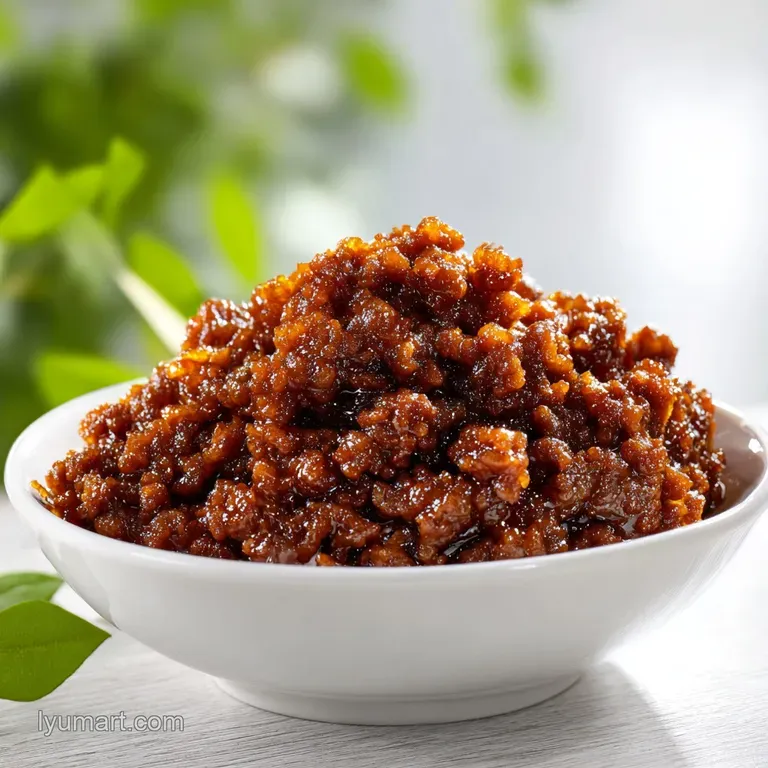
| Why Your Beef Is Grey | If your meat looks grey instead of brown, you likely crowded the pan or started with a cold skillet. When too much meat hits the pan at once, the temperature drops and the beef releases moisture. Inst |
| Why Your Sauce Is Watery | A watery sauce usually happens if you didn't let the glaze bubble long enough. The sugar and gochujang need a few minutes of active boiling to reduce and thicken. If it's too thin, just keep stirring |
| Why Your Garlic Tastes Bitter | Burnt garlic is a common tragedy. This happens when garlic is added too early in the browning process. Garlic has a low burn point, so it should only be in the pan for about 60 seconds before the liqu |
Common Mistakes Checklist:
- ✓ Avoid stirring the beef for the first 3 minutes.
- ✓ Use a wide pan to prevent overcrowding.
- ✓ Ensure brown sugar is fully whisked into the sauce.
- ✓ Remove beef from heat the second the sauce thickens.
- ✓ Use toasted sesame seeds, not raw ones, for better aroma.
Customizing Your Bowl
If you're looking to change the base, there are plenty of ways to do it. For those avoiding rice, try using spaghetti squash as a base. It provides a similar texture but with way fewer carbs. You could also use quinoa or cauliflower rice for a lighter feel.
Making it Paleo or Keto
To make this keto friendly, swap the brown sugar for a monk fruit sweetener or erythritol. Use coconut aminos instead of soy sauce to remove the soy and gluten. Just keep in mind that the sauce might not thicken as much without the real sugar, so you might need to simmer it a bit longer.
Swapping for Plant Based
You can use minced mushrooms or plant based ground beef. The technique remains the same, but be careful with the searing. Plant based meats sometimes release more water, so you'll need to be extra patient with the browning phase.
Reducing the Heat
If gochujang is too spicy for your crowd, replace half of it with tomato paste and a pinch of extra brown sugar. This keeps the thickness and the red color but dials back the fire.
| Original Ingredient | Substitute | Why It Works |
|---|---|---|
| Brown Sugar (3 tbsp) | Honey (2 tbsp) | Similar sweetness. Note: Thicker consistency, slightly floral flavor |
| Soy Sauce (1/4 cup) | Coconut Aminos (1/4 cup) | Similar salty profile. Note: Less sodium, slightly sweeter |
| Ground Beef (1 lb) | Ground Turkey (1 lb) | Lean protein. Note: Needs more oil as it's leaner than beef |
| Jasmine Rice (4 cups) | Cauliflower Rice (4 cups) | Low carb. Note: Lacks the starch to soak up sauce as well |
Scaling Your Portions
When you're making this korean ground beef bowl recipe for a crowd, don't just multiply everything and throw it in one pan. If you try to cook 3 lbs of beef at once, you'll end up with a grey, steamed mess.
Scaling Down (Half Batch): Use a smaller skillet (about 8-10 inches). You can reduce the cooking time by about 20% since there's less mass in the pan, but still wait for that crust to form.
Scaling Up (Double/Triple Batch): Work in batches. Brown the meat in two separate rounds, then combine them in the pan for the glazing step. For the sauce, only increase the salt and spices by 1.5x first, then taste and add more.
Liquids usually don't need to be fully doubled because there's less surface area for evaporation.
Beef Cooking Truths
Searing meat does not "seal in juices." That's an old myth. Moisture loss happens regardless of how you start the cook. The crust is purely about flavor and texture, not about keeping the meat moist.
Another common misconception is that you need expensive cuts like ribeye for that "bulgogi" taste. While sliced ribeye is traditional, ground beef provides more surface area for the sauce to cling to, which actually makes every bite more flavorful in a bowl setting.
Finally,, don't believe that lean beef is always the best choice. While 90/10 is great for a clean bowl, 80/20 provides more flavor. Just be prepared to drain more fat before you add your sauce, or the glaze won't stick.
Storing and Reusing
This dish is a meal prep dream. Store the beef and rice together in airtight containers in the fridge for up to 4 days. The flavors actually deepen overnight as the beef continues to marinate in the glaze.
For the freezer, I recommend freezing the beef and rice separately. Frozen rice can get a bit grainy if not handled right, but the beef stays velvety for up to 2 months. Thaw in the fridge overnight before reheating.
Zero Waste Tips: Don't throw away the green onion roots! Chop them up and freeze them in a bag to add to your next soup or stock. If you have leftover rice, turn it into fried rice the next day using the remaining beef as a mix in.
Even the leftover glaze in the pan can be scraped out with a bit of water and used as a quick stir fry sauce for some frozen peas or carrots.
Perfect Side Pairings
To balance the richness of the beef, you need something acidic or fresh. I love making a quick batch of pickled cucumbers - just sliced cucumbers, rice vinegar, sugar, and salt. The crunch and tang cut right through the savory glaze of the korean ground beef bowl recipe.
Steamed bok choy is another winner. Just steam it for 3 minutes and drizzle with a bit of the sesame oil from your pantry. If you want something heartier, a side of kimchi is the traditional way to go, providing a fermented punch that wakes up the whole meal.
Honestly, this is the ultimate "I don't want to cook" meal that still feels like a treat. It's fast, affordable, and hits all the right notes. Once you get the hang of that initial sear, you'll probably find yourself making this every single week. Let's get cooking!
High in Sodium
1120 mg 1120 mg of sodium per serving (49% 49% of daily value)
The American Heart Association recommends a daily limit of 2,300mg of sodium for most adults to maintain heart health.
Tips to Reduce Sodium
-
Swap Soy Sauce-25%
Replace regular soy sauce with low-sodium soy sauce or coconut aminos to significantly lower the primary salt source.
-
Moderate Gochujang-15%
Reduce the gochujang quantity by half and supplement the heat using additional red pepper flakes.
-
Brighten with Acid-10%
Add a squeeze of fresh lime juice or a teaspoon of rice vinegar to mimic the 'sharpness' of salt.
-
Enhance Aromatics
Double the amount of fresh garlic and grated ginger to build complex flavors without adding sodium.
Recipe FAQs
Why is my ground beef turning grey instead of brown?
You likely crowded the pan or started with a cold skillet. This drops the temperature, causing the beef to release moisture and steam instead of searing.
How to thicken the glaze if it is too watery?
Continue stirring the sauce over heat for a few more minutes. The sugar and gochujang need active boiling to reduce and thicken into a velvety glaze.
How to get a dark mahogany crust on the beef?
Press the beef firmly into the shimmering oil in a thin layer. Leave it undisturbed for 3-4 minutes before breaking the meat apart.
How long can I store this in the refrigerator?
Up to 4 days in airtight containers. The flavors actually deepen overnight as the beef continues to marinate in the glaze.
Can I freeze the leftovers?
Yes, but freeze the beef and rice separately. The beef stays velvety for up to 2 months, whereas freezing them together can make the rice grainy.
Is it true that I can add the brown sugar directly to the pan?
No, this is a common misconception. Whisking the sugar with the soy sauce and sesame oil first ensures it is fully dissolved and prevents a grainy sauce.
What can I serve with this Korean beef bowl?
Fresh steamed vegetables or a crisp slaw balance the rich glaze. If you enjoyed mastering the high heat searing technique here, see how the same principle works in our seared cod.
Korean Ground Beef Bowl