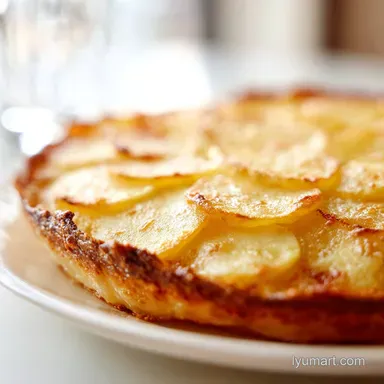
Potatoes Au Gratin 2: Bistro-Style and Silky
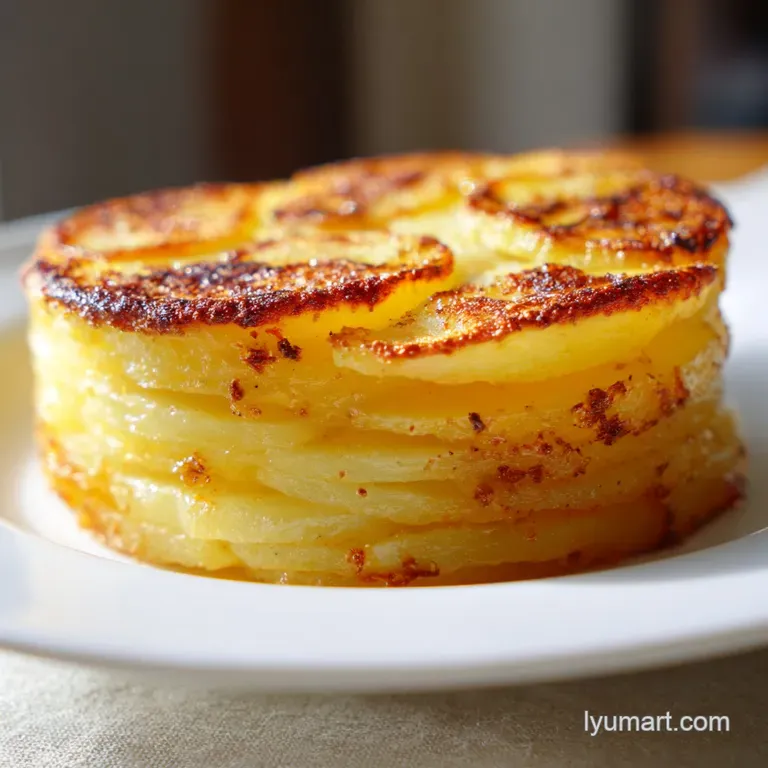
- Time:15 minutes active + 45 minutes bake = Total 1 hour
- Flavor/Texture Hook: Mahogany colored crust with a silky, nutmeg scented interior
- Perfect for: An intimate date night or a fancy side for two
- The Secret to Silky potatoes au gratin 2
- Quick Guide to Timing and Servings
- What Keeps the Sauce Velvety
- The Essentials for a Cheesy Base
- Tools for the Perfect Individual Bake
- Step by Step Path to Golden Crusts
- Fixing Common Texture and Sauce Issues
- Swaps for Different Flavor Profiles
- Keeping and Warming Your Leftovers
- Plating for a Restaurant Look
- Critical Sodium Level
- Recipe FAQs
- 📝 Recipe Card
The Secret to Silky potatoes au gratin 2
That first scent hits you before the oven door even closes - a heavy, warm cloud of melted cheddar and a tiny, mysterious hint of nutmeg. It's the kind of smell that makes everyone in the house wander into the kitchen. I remember the first time I tried making a gratin for just two people.
I used a massive casserole dish, and the result was a sad, thin layer of potatoes swimming in a lake of broken sauce. It was a disaster.
But then I realized that the magic happens in smaller, deeper vessels. When you use individual ramekins, the ratio of sauce to potato stays tight, and you get way more of those shatter crisp edges.
This isn't about making a giant family feast, it's about that concentrated, rich experience that you usually only get at a high end steakhouse.
We're tossing out the myth that you need to pre boil your potatoes to get them tender. Honestly, don't even bother with that extra step. If you slice them thin enough and use a bit of foil to trap the steam, the potatoes cook in their own juices and the cream.
That's how you get a texture that's tender but still has a bit of a bite, rather than something that tastes like mashed potato mush.
Quick Guide to Timing and Servings
Since this is specifically designed for a couple, you don't have to guess about the quantities. The flow is pretty simple: prep the potatoes, whip up the sauce, and let the oven do the heavy lifting. I've found that the 45 minute window is the sweet spot for Yukon Golds.
The biggest thing to remember is the "foil phase." Those first 30 minutes are for cooking the potato through, while the final 15 minutes are purely for the aesthetics and the crust. If you skip the foil, the top will burn before the middle is even warm.
Trust me on this, I've been there.
| Servings | Ingredient Adjustments | Pan Size | Cook Time |
|---|---|---|---|
| 2 people | Standard (Schema) | Two 8 oz ramekins | 45 minutes |
| 4 people | Double all ingredients | One 9x9 inch pan | 55-60 minutes |
| 6 people | Triple all ingredients | One 9x13 inch pan | 65-75 minutes |
Right then, before we dive into the ingredients, let's talk about the logic of the bake. Most people think the sauce just thickens on its own, but we're using a roux to make sure it stays glossy and doesn't separate under the heat.
What Keeps the Sauce Velvety
I used to wonder why some gratins look like separated oil and curdled milk. It turns out it's all about how you introduce the flour and fat.
- The Roux Anchor: Cooking butter and flour together creates a stable base that prevents the cream from splitting.
- Starch Release: As the potatoes cook, they release natural starches into the sauce, which according to Serious Eats, helps thicken the liquid into a cohesive glaze.
- Fat Ratio: Using a mix of heavy cream and whole milk keeps the sauce from becoming too heavy or "cloying" on the palate.
- Cheese Timing: Adding the cheddar off the heat prevents the proteins from tightening up and becoming grainy.
The Essentials for a Cheesy Base
When it comes to the potatoes, I always stick with Yukon Gold. They have a naturally buttery flavor and a medium starch content that holds its shape. If you're craving a different potato vibe, these boiled potatoes are a total classic for other dishes, but for this one, raw slicing is the way to go.
| Ingredient | Science Role | Pro Secret |
|---|---|---|
| Yukon Gold | Structure/Starch | Slice with a mandoline for absolute uniformity |
| Heavy Cream | Mouthfeel/Fat | Room temperature cream prevents sauce clumps |
| Sharp Cheddar | Flavor/Binding | Grate your own; pre shredded has cornstarch that dulls the melt |
| Nutmeg | Aromatic Lift | Just a pinch cuts through the heavy fat of the cream |
The Core List
- 1 lb (450g) Yukon Gold potatoes, peeled and thinly sliced Why this? Waxy enough to hold shape, creamy enough to melt
- ½ tsp (3g) Kosher salt
- ¼ tsp (1g) Black pepper
- 2 tbsp (28g) Unsalted butter Why this? Provides the fat base for the roux
- 2 tbsp (16g) All purpose flour
- 1 cup (240ml) Heavy cream Why this? Essential for that velvety texture
- ½ cup (120ml) Whole milk
- 1 clove (5g) Garlic, minced
- 1 cup (115g) Sharp White Cheddar, grated Why this? Sharpness balances the rich cream
- ¼ cup (25g) Parmesan cheese, finely grated
- ¼ tsp (1g) Nutmeg
Quick Swaps for Variety
| Original Ingredient | Substitute | Why It Works |
|---|---|---|
| Heavy Cream (1 cup) | Half and Half (1 cup) | Lighter feel. Note: Sauce will be slightly thinner |
| Sharp White Cheddar | Gruyère (1 cup) | Nuttier, more "French" profile. Note: More expensive |
| Whole Milk (½ cup) | Almond Milk (unsweetened) | Liquid base. Note: Lacks the richness of dairy |
It's worth noting that if you're trying a dairy-free version, you can use cashew cream, but you'll lose that specific "shatter" on the top crust.
Tools for the Perfect Individual Bake
You don't need a professional kitchen, but a couple of specific tools make this way easier. I highly recommend a mandoline slicer. If you're cutting by hand, try to keep the slices almost translucent. If one slice is thick and the next is thin, you'll end up with some raw spots and some mush.
The ramekins are the real hero here. I use 8 oz ceramic ones because they distribute heat evenly. If you don't have those, a small oven safe dish works, but you'll lose the individual presentation. Also, don't forget a sturdy whisk for the sauce, as you want to get all those flour lumps out before the cream goes in.
If you want something simpler for a different night, maybe just a baked potato for a cozy dinner in, but for this recipe, we're going for maximum indulgence.
Step by step Path to Golden Crusts
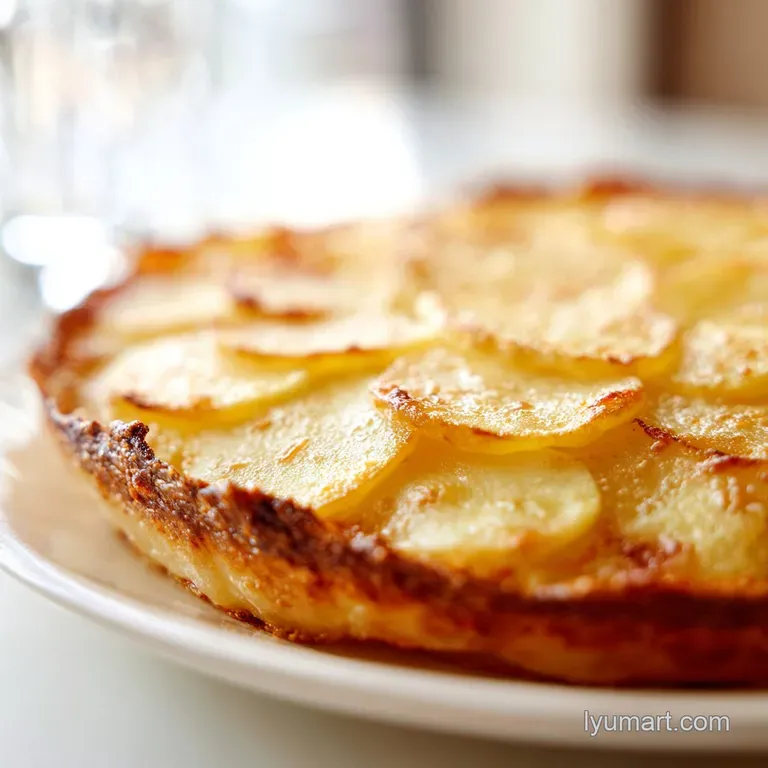
Let's crack on. This is a plan based flow, so just follow the steps in order and you're golden.
1. Prep and Layer
Preheat your oven to 375°F (190°C). Grab your two 8 oz individual potato gratin ramekins and grease them well with butter. Now, take those sliced potatoes and arrange them in the ramekins. I like to overlap them slightly, like shingles on a roof.
This prevents the potatoes from shifting and creates those beautiful layers. Season each layer lightly with salt and pepper as you go.
2. Build the Velvety Sauce
Melt the 2 tbsp of butter in a saucepan over medium heat. Wait until it starts to foam. Whisk in the 2 tbsp of flour and cook for about 1 minute. You're looking for it to smell slightly nutty, but keep it pale - don't let it brown. Slowly whisk in the heavy cream and milk.
Keep it simmering and stirring until the sauce thickens enough to coat the back of a spoon. Stir in the minced garlic and that pinch of nutmeg.
3. The Cheese Integration
Remove the pan from the heat immediately. Now, fold in the Sharp White Cheddar and Parmesan. Stir it until the cheese is fully melted and the sauce looks glossy and smooth. If you boil the cheese, it can separate, so doing this off the heat is key.
4. The Golden Bake
Pour the sauce evenly over the potatoes in each ramekin. Make sure the liquid fills all the gaps between the slices. Place the ramekins on a baking sheet (this makes it easier to move them without burning yourself). Cover them with foil and bake for 30 minutes.
5. The Final Sear
Remove the foil. Now, bake for another 15 minutes. Watch for the top to start bubbling and developing a deep, mahogany colored crust. When the edges are sizzling and the top is browned, they're ready.
Fixing Common Texture and Sauce Issues
Even the best of us hit a snag. Usually, it's a temperature issue or a slicing problem. If your sauce looks like it's curdling, it's usually because the heat was too high when the cheese went in.
Why Your Gratin is Soggier Than Expected
This usually happens if the potatoes were sliced too thick or the oven temperature was too low. The starch doesn't fully gelatinize, leaving the sauce watery.
Why the Sauce Separated or Looks Oily
Overheating the cheese is the main culprit here. The fats break away from the proteins, leaving an oily sheen on top of the potatoes.
| Problem | Root Cause | Solution |
|---|---|---|
| Raw center | Slices too thick | Use a mandoline or slice thinner |
| Grainy sauce | Cheese boiled | Stir in cheese off the heat |
| Burnt top | No foil used | Cover for the first 30 mins |
Pro Active Checklist
- ✓ Slice potatoes to about 1/8 inch thickness
- ✓ Use a whisk for the roux to eliminate all lumps
- ✓ Grease ramekins thoroughly to avoid sticking
- ✓ Let the dish rest for 5 minutes before serving
Swaps for Different Flavor Profiles
If you want to change the vibe, you can easily tweak the aromatics. For a more rustic feel, I love adding a teaspoon of fresh thyme or rosemary into the sauce. If you're into heat, a pinch of cayenne pepper in the roux adds a subtle back end warmth that cuts through the richness.
For those who want a lighter version, you can use 2% milk instead of whole milk, but I wouldn't go lower. The fat is what carries the flavor of the garlic and nutmeg. If you're looking for a different way to use potatoes, maybe try some crispy garlic sweet potato bites for an appetizer.
Flavor Profiles
- Smoked: Use Smoked Gouda instead of White Cheddar.
- Garlic Punch: Double the garlic and add a pinch of onion powder.
- Herby: Stir in fresh chopped parsley right before serving.
Keeping and Warming Your Leftovers
If you actually have leftovers (which is rare), store them in an airtight container in the fridge for up to 3 days. The sauce will thicken significantly as it cools, which is normal.
When you're ready to eat them again, don't use the microwave if you can avoid it - it makes the potatoes rubbery. Instead, pop the ramekin back in the oven at 325°F (160°C) for about 15 minutes. Add a tiny splash of milk to the top to loosen the sauce back up.
This dish doesn't freeze particularly well because the cream sauce can break during the thawing process, so I'd recommend eating it fresh.
To avoid waste, if you have potato peels left over, toss them in oil and salt and roast them at 400°F until crispy for a quick snack.
Plating for a Restaurant Look
Since you're using individual ramekins, the presentation is already halfway there. I like to garnish the top with a sprinkle of fresh chives or a tiny bit of paprika for color. Because the crust is so deep in color, a bright green garnish really pops.
Serve these as a side to something lean, like a garlic parmesan chicken meatloaf. The richness of the potatoes au gratin 2 balances out the savory, baked meat perfectly. Just make sure to let the ramekins cool for 5 minutes before serving, or you'll burn your tongue on that molten cheese.
Critical Sodium Level
1200 mg 1,200 mg of sodium per serving (52% 52% of daily value)
The American Heart Association recommends a daily limit of 2,300mg of sodium to help maintain healthy blood pressure and reduce the risk of heart disease.
Personalized Sodium Reduction Tips
-
Eliminate Added Salt-25%
Omit the 1/2 tsp of Kosher salt entirely; the cheeses already provide ample sodium to season the dish.
-
Reduce Parmesan-15%
Reduce the Parmesan cheese by half or substitute it with a small amount of nutritional yeast for a similar salty, umami flavor.
-
Limit Cheddar Cheese-15%
Use a low-sodium version of Sharp White Cheddar or reduce the amount from 1 cup to 3/4 cup.
-
Enhance Aromatics
Increase the minced garlic to 2 or 3 cloves to add more savory depth without needing extra salt.
-
Add Fresh Herbs
Stir in fresh thyme, rosemary, or chopped parsley to create a more complex flavor profile without adding sodium.
Recipe FAQs
Which potatoes should I use for the best texture?
Use Yukon Gold potatoes. Their naturally buttery flavor and medium starch content allow them to soften perfectly during the 45-minute bake without falling apart.
How to slice the potatoes for an even cook?
Slice them thinly and overlap them like shingles. This ensures every slice is submerged in sauce and cooks uniformly at 375°F.
Is it true I must parboil the potatoes before baking them?
No, this is a common misconception. Thinly slicing the potatoes and covering the ramekins with foil for the first 30 minutes steams them through effectively.
How to prevent the cheese sauce from breaking or separating?
Remove the pan from heat before folding in the cheese. Stirring the White Cheddar and Parmesan into the sauce off-heat maintains a glossy, stable emulsion.
Can I bake these in one large casserole dish instead of individual ramekins?
Yes, but you may need to adjust the timing. While the temperature remains 375°F, a larger mass takes longer to heat through than two 8-oz ramekins.
Why is the top of my gratin not developing a mahogany crust?
Remove the foil for the final 15 minutes. Uncovering the dish allows the direct heat to brown and caramelize the cheese on top.
What is the best main course to pair with these potatoes?
Hearty meats work best. These rich potatoes pair perfectly with slow-cooked proteins like Crock Pot ribs for a balanced meal.
Potatoes Au Gratin 2 for 2 Servings