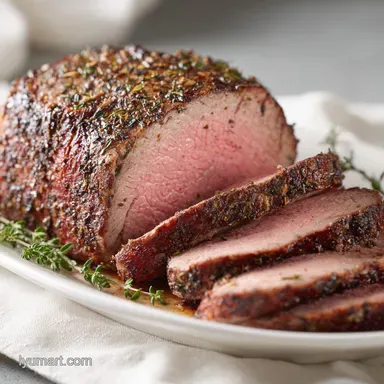
Sirloin Tip Roast: Tender and Savory
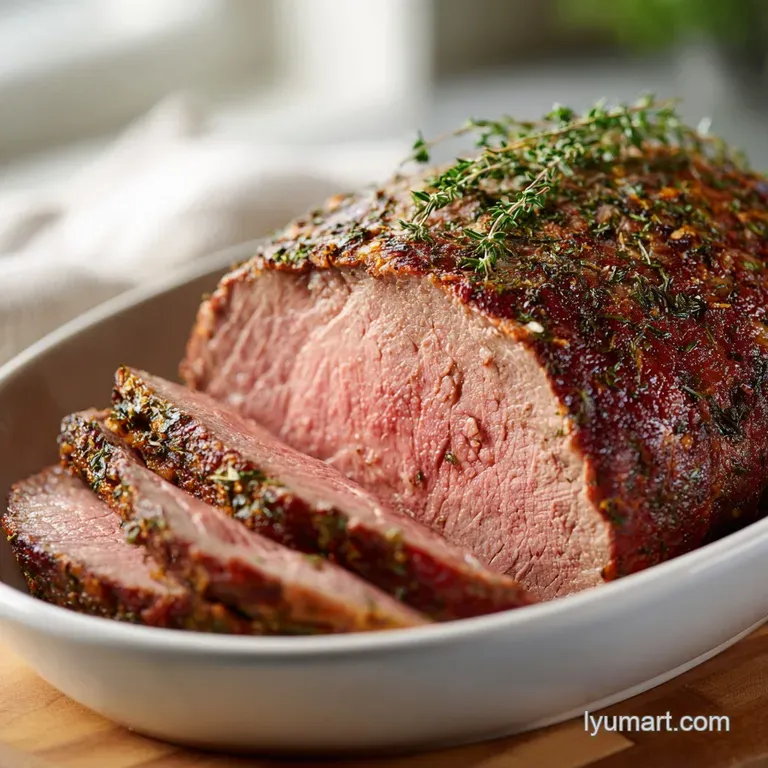
- Time:15 minutes prep + 65 minutes cook = Total 1 hours 40 mins
- Flavor/Texture Hook: Savory herb crust with a tender, pink center
- Perfect for: budget-friendly family Sunday dinners or meal prep for the week
- Getting That Juicy Result with Sirloin Tip Roast
- The Logistics of a Family Roast Dinner
- The Secret to Tender Beef
- Picking the Right Cuts and Pantry Staples
- The Gear That Makes the Sizzle Happen
- Step by Step to a Tender Roast
- Fixing Texture and Color Issues
- New Ways to Twist the Flavor
- Adjusting for Different Crowd Sizes
- Truths About Beef Roasting
- Keeping Leftovers Fresh and Using Scraps
- Sides That Complete the Plate
- Recipe FAQs
- 📝 Recipe Card
Getting That Juicy Result with Sirloin Tip Roast
That first aggressive sizzle when the beef hits the hot cast iron is the sound of victory. I remember the first time I tried a sirloin tip roast, and honestly, it was a disaster. I treated it like a chuck roast, cooking it until it was "falling apart," but because this cut is so lean, I basically turned a decent piece of meat into a leather boot.
I spent the whole dinner chewing and wondering where I went wrong.
The lightbulb moment happened when I stopped guessing and started using a thermometer. I realized that the sirloin tip isn't meant to shred, it's meant to be sliced thin against the grain. Once I shifted my focus to a precise internal temperature and a proper resting period, everything changed.
Now, it's my go to when I want a classic, satisfying meal without spending a fortune on prime rib.
This approach gives you a roast that feels fancy but fits a humble budget. We're focusing on building a deep, savory crust on the outside while keeping the inside velvety. It's a straightforward process, but the difference between a dry roast and a tender one is all in the details.
Trust me on this, don't skip the rest time, or you'll see all those juices run across your board instead of staying in the meat.
The Logistics of a Family Roast Dinner
Right then, let's look at the numbers so you can plan your evening. This roast is designed to feed 6 people, making it a great centerpiece for a family gathering. Since it takes about 1 hour 40 mins from start to finish, you can get it in the oven and have plenty of time to prep your sides.
The active work is minimal, mostly just the searing and the rubbing. Most of the time is spent in the oven where the magic happens. Because we're using a 3 lb roast, it cooks relatively quickly compared to larger cuts, but it still requires that critical resting window.
If you're planning this for a crowd, remember that the internal temperature is your only true guide. Every oven is a bit different, and the thickness of the roast can vary. I always suggest pulling the meat a few degrees early because carryover cooking will push the temp up while it rests.
The Secret to Tender Beef
- Surface Searing
- High heat creates a browned crust that adds deep, savory notes through a process that develops flavor compounds.
- Low Oven Temp
- Cooking at 325°F prevents the lean muscle fibers from contracting too quickly and squeezing out all the moisture.
- Liquid Base
- The beef broth creates a humid environment in the pan, which helps keep the exterior from drying out while the center reaches temperature.
- Resting Period
- Letting the meat sit allows the muscle fibers to relax and reabsorb the juices, ensuring a velvety texture.
| Method | Time | Texture | Best For |
|---|---|---|---|
| Oven Roast | 65 min | Tender & Sliced | Classic Sunday dinner |
| Slow Cooker | 8 hours | Shredded/Pull apart | Low effort, set and forget |
| Stovetop/Braise | 3 hours | Soft & Saucy | Cold winter nights |
Picking the Right Cuts and Pantry Staples
For this recipe, the sirloin tip is the star. It's a leaner cut than the chuck, which means it's more affordable but also less forgiving if you overcook it. I like to look for a roast with a bit of marbling, though it won't be as much as a ribeye.
The Lean Herb Rub
The rub is where we build the personality of the dish. We use a mix of earthy rosemary and thyme, with a hint of paprika for color.
- 2 tsp Kosher salt Why this? Larger grains allow for better control over seasoning
- 1 tsp coarse black pepper Why this? Provides a sharp, spicy contrast to the rich beef
- 1 tsp garlic powder Why this? Distributes savory flavor evenly across the surface
- 1 tsp onion powder Why this? Adds a subtle sweetness and depth
- 1 tsp dried thyme Why this? Classic herbaceous note that pairs well with beef
- 1 tsp dried rosemary, crushed Why this? Strong, woody aroma for a traditional feel
- 0.5 tsp paprika Why this? Enhances the deep brown color of the sear
For the Roast & Aromatics
These are the elements that ensure the meat stays moist and flavorful during the roasting process.
- 3 lb sirloin tip roast Why this? Lean, budget-friendly cut that's great for slicing
- 1 tbsp extra virgin olive oil Why this? High smoke point for searing and helps rub stick
- 4 cloves garlic, smashed Why this? Infuses the pan juices with a toasted garlic scent
- 1 cup low sodium beef broth Why this? Adds moisture and creates a simple pan sauce
| Original Ingredient | Substitute | Why It Works |
|---|---|---|
| Beef Broth (1 cup) | Red Wine (1 cup) | Adds acidity and richness. Note: Result is more like a Burgundy style |
| Dried Rosemary | Fresh Rosemary (1 tbsp) | More vibrant, piney flavor. Note: Chop finely to avoid needles |
| Olive Oil | Avocado Oil | Higher smoke point. Note: Neutral flavor, better for very high heat |
The Gear That Makes the Sizzle Happen
You don't need a professional kitchen for this, but a few specific tools make it much easier. I highly recommend a cast iron skillet or a Dutch oven. These hold heat significantly better than stainless steel or non stick pans, which is the only way to get that deep brown crust.
A digital meat thermometer is non negotiable here. If you're trying to "poke" the meat to see if it's done, you're just letting the juices escape. I use a probe thermometer that stays in the meat, but an instant read one works just as well.
Finally, have a sturdy carving board ready. You want something with a groove around the edge to catch the juices, otherwise, your kitchen counter will look like a crime scene.
Step by step to a Tender Roast
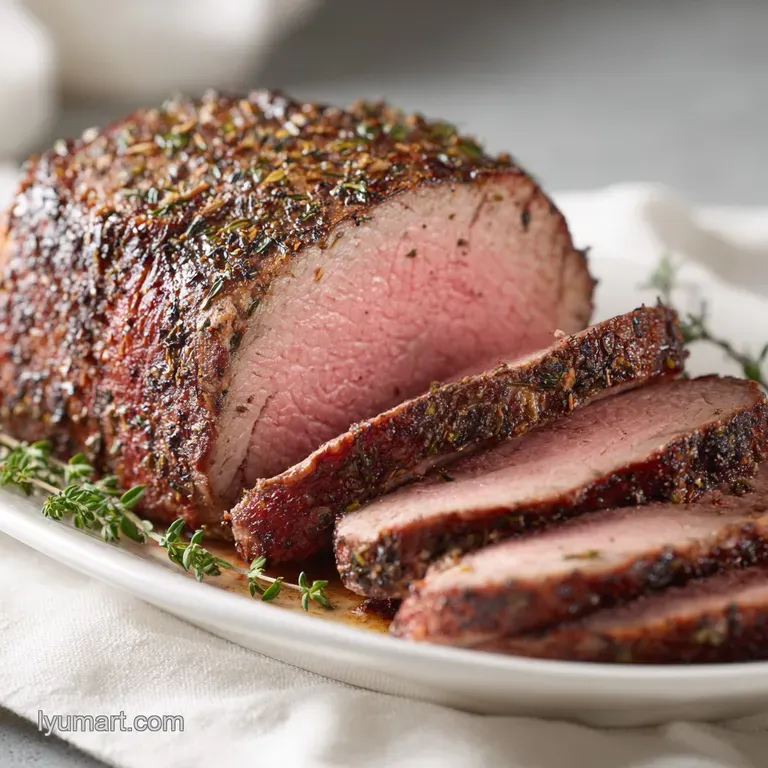
Let's crack on with the actual cooking. Remember to keep an eye on your internal temperature rather than just the clock.
Phase 1: Preparing the Surface
Pat the sirloin tip roast completely dry with paper towels. Note: Moisture on the surface creates steam, which prevents browning. Rub the olive oil over the entire roast, then coat generously with the herb rub, pressing it into the meat so it doesn't just fall off in the pan.
Phase 2: The over High heat Sear
Preheat your oven to 325°F (163°C). Heat a cast iron skillet or Dutch oven over medium high heat until the oil shimmers. Carefully sear the roast for 3–5 minutes per side until a deep brown crust forms.
Phase 3: Precision Roasting
Add the smashed garlic cloves in the final 2 minutes of searing for a fragrant, toasted aroma. Pour the low sodium beef broth into the bottom of the pan, being careful not to wash the crust off the meat. Transfer the pan to the oven.
Roast until the internal temperature reaches 130°F (54°C) for medium rare or 140°F (60°C) for medium, measured at the thickest part of the roast.
Phase 4: The Essential Rest
Remove the roast from the pan and place it on a carving board. Tent loosely with foil and let it rest for 20 minutes before slicing. Note: This allows the fibers to relax and the juices to redistribute.
Chef's Tip: For an even deeper flavor, try adding a teaspoon of espresso powder to your herb rub. It doesn't make the meat taste like coffee, but it enhances the savory, "dark" notes of the beef.
Fixing Texture and Color Issues
Even with a plan, things can go sideways. Usually, it comes down to heat management or the cut of meat itself.
Why Your Meat is Too Tough
If the beef feels like a workout for your jaw, it's likely overcooked. Lean cuts like this one tighten up and become dry once they pass the medium stage. If this happens, don't throw it away; slice it paper thin and simmer it in the pan juices to soften it.
Why the Crust is Pale
A pale roast usually means the pan wasn't hot enough, or the meat was too wet when it hit the oil. If you see the meat "greyed" rather than browned, it's steaming instead of searing. Next time, pat it dry twice and wait for the oil to almost smoke.
| Problem | Root Cause | Solution |
|---|---|---|
| Meat is dry/tough | Overcooked internal temp | Pull meat at 130°F for med rare |
| No brown crust | Pan temperature too low | Preheat skillet for 3-5 mins |
| Rub fell off | Meat was too moist | Pat roast completely dry before oiling |
Common Mistakes Checklist
- ✓ Pat meat completely dry before adding oil (prevents steaming)
- ✓ Use a meat thermometer to avoid overcooking (lean meat dries out fast)
- ✓ Let the meat rest for a full 20 minutes (keeps juices inside)
- ✓ Slice against the grain (makes the meat feel tenderer)
- ✓ Don't overcrowd the pan if searing in batches
New Ways to Twist the Flavor
Once you've nailed the basic version, you can start playing with the flavors. If you're looking for something a bit more complex, you could try a "red wine reduction" by swapping the beef broth for a dry Cabernet. This gives it a richer, almost French feel, similar to a Beef Bourguignon recipe.
For a zesty twist, add some lemon zest and a pinch of crushed red pepper to the rub. This cuts through the richness of the beef and makes it feel a bit lighter, especially if you're serving it in the spring.
If you want a more "pot roast" experience, you can add carrots and onions to the bottom of the pan before roasting. The vegetables will caramelize in the beef fat and broth, creating a built in side dish.
Quick Decision Guide: If you want a leaner, healthier meal → skip the oil rub and use a spray. If you want a rich, festive feel → swap broth for red wine. If you're short on time → slice the roast into 2 smaller pieces to speed up roasting.
Adjusting for Different Crowd Sizes
If you're cooking for just two people, you can use a smaller roast (about 1.5 lbs). Reduce the roasting time by about 20%, but still rely on your thermometer. If you only have one egg in a different recipe, you might beat it and use half, but here, just scale the rub ingredients by half.
For a larger crowd, don't just double the roast in one pan, or the meat will steam instead of roast. Work in batches for the sear. When doubling the spices, only increase them to 1.5x first. Salt and pepper can become overpowering if you scale them linearly.
If you're using a larger pan for a 6 lb roast, lower the oven temperature by 25°F and extend the cooking time. This ensures the center reaches the target temp before the outside gets too charred.
Truths About Beef Roasting
There's a lot of old school advice that just isn't true. For example, you'll often hear that searing meat "locks in the juices." It doesn't. Searing is all about flavor (the Maillard reaction), not moisture. You lose just as much moisture searing as you do not searing, but the flavor trade off is 100% worth it.
Another myth is that you should "flip the meat every few minutes" to cook evenly. In a 325°F oven, it doesn't really matter. The heat is ambient. The only flip that matters is the initial sear in the pan.
Finally,, some people think "well done" is the only safe way to eat beef. Modern food safety is based on internal temperatures, and 130°F is perfectly safe for a roast if the meat is handled correctly. Overcooking a sirloin tip is essentially wasting a good piece of meat.
Keeping Leftovers Fresh and Using Scraps
This roast is actually better the next day if you handle it right. Store the sliced meat in an airtight container in the fridge for up to 3 days. To reheat without drying it out, place the slices in a pan with a splash of beef broth, cover it, and warm it over low heat. This steams the meat back to life.
You can freeze the roast for up to 3 months. I recommend freezing it already cooked and sliced, vacuum sealed if you have one. Just thaw it in the fridge overnight before reheating.
Don't toss those pan drippings! The leftover broth and browned bits in the skillet are liquid gold. Strain them into a jar and use them as a base for a gravy or add them to a stew. If you have leftover roast, it makes an incredible base for French Dip sandwiches or a hearty beef salad.
Sides That Complete the Plate
Because this roast is lean and savory, it pairs best with something creamy or slightly sweet to balance the plate. A classic choice would be a Yellow Squash Casserole for that buttery, comforting contrast.
If you want something more traditional, roasted root vegetables like carrots and parsnips work brilliantly. The sweetness of the roasted carrots complements the earthy rosemary in the rub.
For a lighter option, a crisp arugula salad with a lemon vinaigrette cuts through the richness of the beef. Or, if you're really leaning into the comfort food vibe, a side of garlic mashed potatoes is the only way to go. Just make sure to spoon some of the pan juices over the meat and the potatoes.
Recipe FAQs
What is a sirloin tip roast good for?
Lean roasting and slicing. It is an affordable cut ideal for Sunday dinners when sliced thin against the grain.
How to cook a sirloin tip roast so it's tender?
Sear the meat first and roast at 325°F. Use a meat thermometer to pull the roast at 130°F and let it rest for 20 minutes to preserve juices.
Is it true that sirloin tip roast is too tough to be served medium-rare?
No, this is a common misconception. It is actually best served medium-rare at 130°F to prevent it from becoming dry and chewy.
How long do you cook a 4 lb sirloin tip roast?
Cook until the internal temperature reaches 130°F to 140°F. Because this is larger than the standard 3 lb roast, rely on a thermometer rather than a clock.
Why did my roast turn out dry?
Overcooking is the primary cause. Because sirloin tip is very lean, exceeding 140°F internal temperature quickly evaporates moisture.
Can I use a slow cooker instead of the oven?
Yes, but the texture will shift from sliceable to shreddable. This method is better for pot roasts than for a traditional sliced roast dinner.
What should I serve with sirloin tip roast?
Pair it with a hearty, savory side. A creamy rice casserole balances the lean protein perfectly.
Sirloin Tip Roast in 1 Hour 20 Minutes: Tender and Roasted