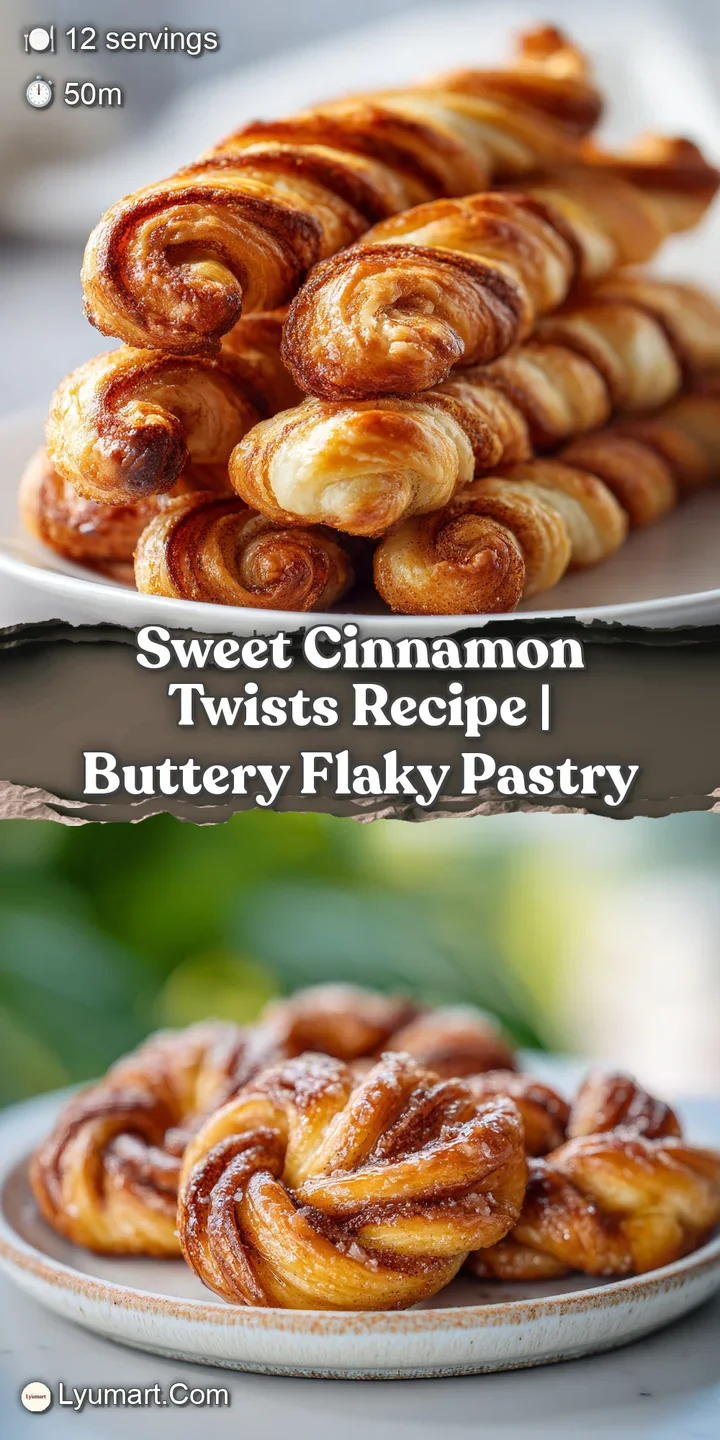
Sweet Cinnamon Twists: Buttery and Flaky
- Time: Active 35 minutes, Passive 1 hours 30 mins, Total 2 hours 5 mins
- Flavor/Texture Hook: Buttery, spiced, and incredibly flaky
- Perfect for: Slow Sunday brunches or impressive holiday dessert spreads
- Authentic Sweet Cinnamon Twists Recipe
- Science of the Golden Spiral
- Component Deep Dive Analysis
- Ingredients and Recommended Substitutes
- Step by Step Preparation Guide
- Solving Texture and Shape Problems
- Scaling for Large Crowds
- Baking Facts and Common Misconceptions
- Storage Methods and Zero Waste
- Stunning Plating Levels
- Recipe FAQs
- 📝 Recipe Card
Authentic Sweet Cinnamon Twists Recipe
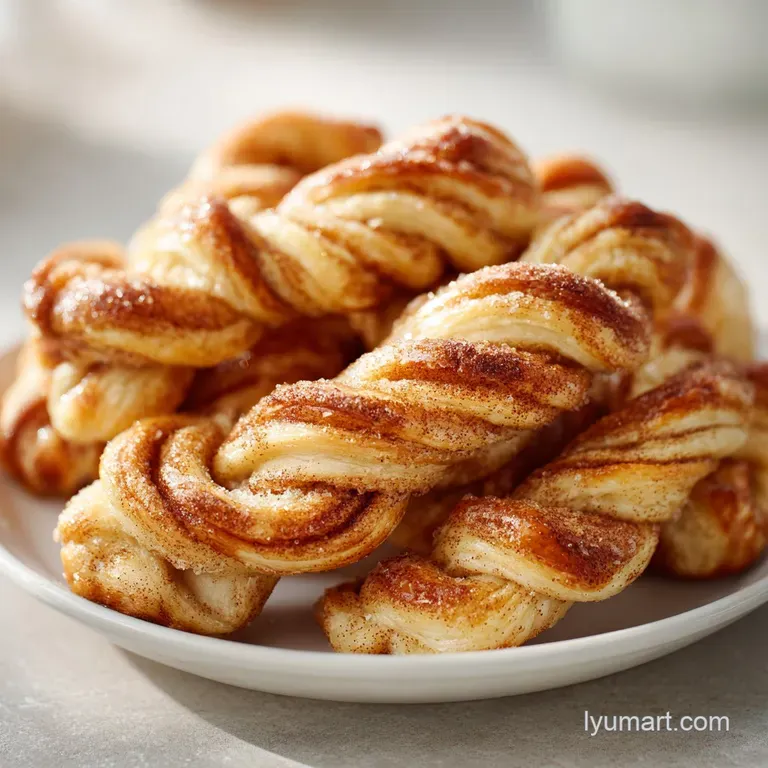
The first time I pulled a tray of these from the oven, the aroma of toasted nutmeg and caramelized sugar hit me like a physical wave. I stood there in my pajamas, watching the steam rise in thin, translucent ribbons from the golden mahogany spirals.
There is something truly magical about the way a simple twist of dough can transform into a stunning centerpiece that looks like it belongs in a high end Parisian window.
I used to be terrified of yeast doughs, thinking they were temperamental beasts that required a degree in chemistry to tame. But after dozens of batches some too dense, some far too flat I discovered that the secret isn't just in the proofing; it's in the temperature of the fats.
When you get that shatter crisp exterior that gives way to a velvety, pull apart center, you'll know exactly what I mean by kitchen magic.
We are aiming for more than just "good" here; we want a result that stops people mid sentence when they take a bite. These Sweet Cinnamon Twists are designed to be the crowning glory of your breakfast table. If you've ever enjoyed a decadent Stuffed French Toast recipe, you'll find these twists occupy that same space of pure, unadulterated comfort but with a more sophisticated, architectural flair.
Science of the Golden Spiral
- Lamination Effect: Cold, cubed butter creates tiny pockets of steam during the initial blast of heat, which pushes the dough layers apart for a flaky finish.
- Acid Protein Interaction: Buttermilk relaxes the gluten strands, ensuring the final crumb is tender rather than chewy or bread like.
- Maillard Acceleration: The combination of brown sugar and egg wash promotes deep browning and a complex, toasted flavor profile.
- Yeast Activation: Lukewarm buttermilk (105°F) provides the ideal environment for the active dry yeast to bloom without scalding the delicate cultures.
| Method | Time | Texture | Best For |
|---|---|---|---|
| Oven Bake | 15 minutes | Uniformly golden and crisp | Traditional results |
| Air Fryer | 8 minutes | Extra crunchy exterior | Small batches |
| Stovetop Fry | 4 minutes | Doughnut like and soft | Decadent indulgence |
While the oven is my go to for that perfect "bakery" look, don't sleep on the air fryer if you're only making a few. The convection heat makes the sugar coating sizzle and bubble into a glass like topping that is absolutely addictive.
Component Deep Dive Analysis
| Ingredient | Science Role | Pro Secret |
|---|---|---|
| Buttermilk | Provides acidity to tenderize gluten | Use full fat for a richer, more velvety crumb. |
| Cold Butter | Creates physical layers in the dough | Grate the butter while frozen for even distribution. |
| Active Yeast | Responsible for the "pillowy" lift | Always bloom in warm liquid to verify it's alive. |
| Brown Sugar | Adds moisture and molasses depth | Pack it tightly to ensure consistent sweetness levels. |
Understanding the "why" behind your ingredients is the first step toward baking mastery. For instance, the role of buttermilk here is very similar to the hydration techniques I use in my Homemade Vanilla Cupcakes Recipe, where moisture balance is everything.
Ingredients and Recommended Substitutes
- 3.75 cups (470g) all purpose flour: The structural backbone of the twist. Why this? Provides enough protein for structure without being tough.
- 1 cup (240ml) full fat buttermilk, lukewarm (105°F): Our primary hydrator and tenderizer.
- 0.5 cup (113g) cold unsalted butter, cubed: For those essential flaky layers.
- 0.25 cup (50g) granulated sugar: To feed the yeast and lightly sweeten the base.
- 1 packet (7g) active dry yeast: Our lifting agent.
- 1 tsp fine sea salt: To sharpen the sweetness and control fermentation.
- 1 large egg, room temperature: Adds richness and helps with the golden color.
- 4 tbsp (56g) unsalted butter, softened: The "glue" for our cinnamon filling.
- 0.5 cup (100g) packed brown sugar: For a deep, caramelized flavor.
- 2 tbsp ground cinnamon: The star of the show.
- 1 pinch ground nutmeg: A secret weapon for aromatic depth.
| Original Ingredient | Substitute | Why It Works |
|---|---|---|
| Full fat Buttermilk | Whole milk + 1 tbsp Lemon Juice | Mimics the acidity needed to soften the gluten. |
| Active Dry Yeast | Instant Yeast (same amount) | No blooming required; mix directly with dry ingredients. |
| Brown Sugar | Coconut Sugar | Offers a similar caramel note with a lower glycemic index. |
One thing I’ve learned is that you should never settle for "good enough" flour. If you have bread flour on hand, you can use it, but the result will be slightly more "chewy." Stick to all purpose if you want that delicate, melt in-the mouth sensation that makes these Sweet Cinnamon Twists so special.
step-by-step Preparation Guide
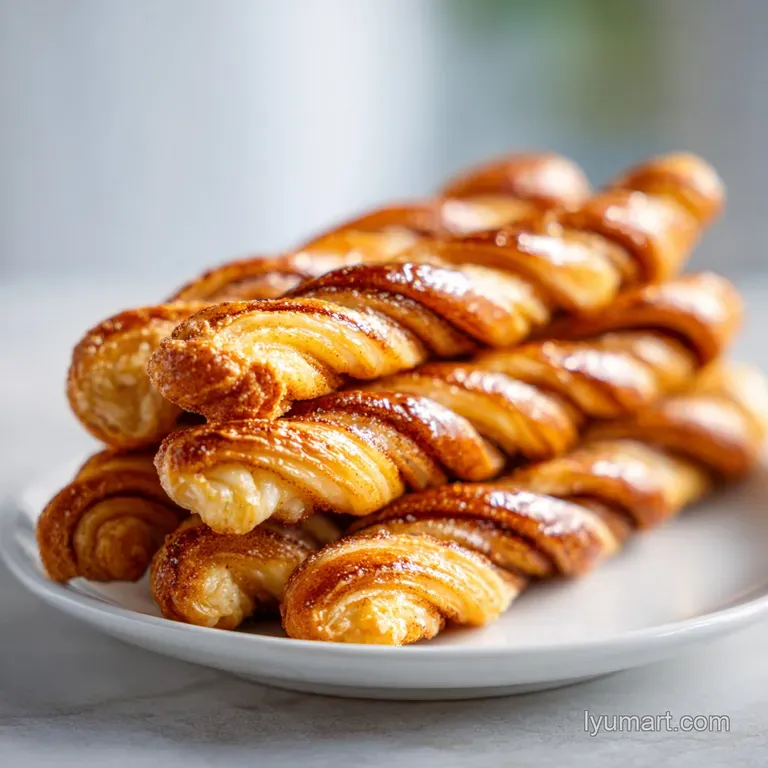
- Bloom the yeast. Combine 1 cup lukewarm buttermilk with 1 packet active dry yeast and 0.25 cup granulated sugar. Note: Let it sit for 5-10 minutes until a thick foam forms on the surface.
- Cut in butter. Pulse 3.75 cups flour and 1 tsp salt with 0.5 cup cold cubed butter in a food processor. Note: Stop when the mixture looks like coarse crumbs with pea sized pieces.
- Mix the dough. Add the yeast mixture and 1 large egg to the flour. Note: Stir until a shaggy dough begins to pull away from the bowl.
- First proof. Place dough in a greased bowl, cover with a damp cloth, and set in a warm spot. Note: Wait 1 hour until the dough has visibly doubled in size.
- Roll it out. Punch down the dough and roll it on a floured surface into a 12x18 inch rectangle.
- Apply the filling. Spread 4 tbsp softened butter over the dough, then sprinkle with a mix of 0.5 cup brown sugar, 2 tbsp cinnamon, and nutmeg.
- Fold and cut. Fold the dough in half lengthwise. Note: Cut into 1 inch strips using a sharp knife or a pizza cutter.
- The Twist technique. Hold both ends of a strip and twist in opposite directions three times. Note: Pinch the ends firmly to prevent them from unraveling during the bake.
- Second proof. Place twists on a parchment lined sheet and let rest for 20 minutes. Note: They should look slightly puffy and soft to the touch.
- Bake to perfection. Bake at 375°F for 15 minutes. Note: Remove when the edges are golden and the sugar is bubbling.
Chef Tip: For an extra shatter crisp crust, grate your butter while it’s frozen directly into the flour. This keeps the fat much colder than cubing it by hand, leading to much more dramatic layers.
Solving Texture and Shape Problems
Preventing Unwanted Dough Unrolling
If your twists look like flat planks after baking, the seal wasn't strong enough. The tension in the dough naturally wants to pull back to its original state. To fix this, always press the ends of the twist firmly into the baking sheet or tuck them slightly under the body of the twist to "lock" the shape in place.
Sticky Dough Solution Guide
A dough that clings to your fingers like glue is usually a sign of over hydration or a warm kitchen melting the butter. Don't just dump in more flour! Instead, try chilling the dough for 15 minutes. This firms up the butter and makes the gluten easier to handle without toughening the final product.
| Problem | Root Cause | Solution |
|---|---|---|
| Twists are Dry | Too much flour added during kneading | Measure by weight (grams) instead of volume. |
| No Flaky Layers | Butter was too warm/melted | Use ice cold butter and avoid over working the dough. |
| Bottoms are Burnt | Too much sugar leaked out | Use a silicone mat or double up your baking sheets. |
Common Mistakes Checklist
- ✓ Always use a thermometer to check your buttermilk; 115°F+ will kill your yeast.
- ✓ Don't skip the second proof; it's what gives the twist its internal "fluff."
- ✓ Resist the urge to over knead; we want to preserve those tiny butter chunks.
- ✓ Use a pizza cutter for the strips to get clean, un squashed edges.
- ✓ Preheat your oven for at least 20 minutes to ensure a consistent initial blast of heat.
Scaling for Large Crowds
Scaling this recipe up for a big brunch is quite simple, but you have to be mindful of the yeast. If you are doubling the batch to 24 servings, use only 1.5x the amount of salt and spices. Large amounts of salt can actually inhibit the yeast's growth in bulk fermentations.
When scaling down to 6 servings, beat one egg in a small cup and use exactly half by weight to keep the moisture ratios perfect.
If you find yourself making a massive batch for a party, treat the dough like a Sweet Cornbread Recipe in terms of pan management work in batches and keep the unbaked dough in the fridge to prevent it from over proofing while the first tray is in the oven.
| Servings | Flour Amount | Pan Size | Bake Time |
|---|---|---|---|
| 6 Servings | 1.8 cups | 9x9 inch sheet | 12 minutes |
| 12 Servings | 3.75 cups | 12x18 inch sheet | 15 minutes |
| 24 Servings | 7.5 cups | Two 12x18 sheets | 18 minutes |
Baking Facts and Common Misconceptions
One of the biggest myths in home baking is that you need a "hot" place for dough to rise. In reality, a slow, cool rise actually develops much better flavor. If your kitchen is cold, don't put the dough on a radiator; just give it an extra 30 minutes.
The yeast will still do its job, and the resulting Sweet Cinnamon Twists will have a much more complex, fermented taste.
Another misconception is that "more cinnamon equals more flavor." If you overdo the cinnamon, it can actually become astringent and dry out the filling. The pinch of nutmeg we add isn't just for show it acts as a flavor bridge that makes the cinnamon taste "warmer" and more rounded without adding bitterness.
Storage Methods and Zero Waste
These are best eaten within minutes of leaving the oven, but if you have leftovers, store them in an airtight container at room temperature for up to 2 days. To reheat, avoid the microwave! It will make them rubbery.
Instead, pop them in a 350°F oven for 5 minutes to restore that "shatter" to the crust. They also freeze beautifully for up to 3 months; just thaw at room temperature and toast briefly.
To practice zero waste in your kitchen, save any scraggly dough ends that didn't make it into a full twist. Toss them in a small ramekin with any leftover cinnamon sugar and bake them as "chef’s treats." If you have twists that have gone truly stale, chop them up and use them as the base for a decadent bread pudding the spiced sugar is already built in!
Stunning Plating Levels
| Level | Technique | Visual Effect |
|---|---|---|
| Simple | Stacked haphazardly on a wooden board | Rustic, "help yourself" farmhouse vibe. |
| Polished | Dusted with snow white powdered sugar | Contrast highlights the golden ridges. |
| Restaurant | Served over a pool of vanilla bean cream | Elegant, high end dessert presentation. |
The Simple Approach: Place the warm twists in a cloth lined basket. The steam stays trapped slightly, keeping them soft, and the presentation feels effortless and cozy.
The Polished Look: Sift a fine layer of powdered sugar over the twists while they are still slightly warm so it grips the surface. Serve on a white ceramic platter with a small bowl of maple syrup for dipping.
The Restaurant Experience: Paint a bold "swoosh" of salted caramel or vanilla crème anglaise on a dark plate. Place one twist vertically, leaning against a scoop of high-quality vanilla bean gelato. Garnish with a sprig of fresh mint and a tiny pinch of flaky sea salt to cut through the sugar.
It’s a stunning way to end a meal that feels truly professional.
Recipe FAQs
Can I substitute regular milk for the required buttermilk?
No, you should not substitute directly. Buttermilk’s acidity is crucial for tenderizing the gluten, resulting in a softer crumb; plain milk will yield a chewier, bread like texture.
How do I achieve maximum flakiness in the dough layers?
Keep the butter very cold and grate it into the flour. This technique ensures defined pieces of fat remain separate, creating steam pockets that force the dough layers apart during the initial oven heat, similar to the method used in mastering the Cream of Coconut recipe for smooth textures.
What is the ideal temperature for proofing the yeast in this recipe?
Aim for 105°F (40°C). Any warmer and you risk scalding the yeast cultures, which will stop them from activating properly, leading to flat twists.
Is it true that I must use brown sugar for the filling to get a dark color?
No, this is a common misconception. While brown sugar adds moisture and depth, the deep color primarily comes from the Maillard reaction accelerating due to the egg wash on the surface.
How should I store leftovers to maintain the flaky exterior texture?
Store airtight at room temperature and reheat in the oven. Microwaving makes the crust soft and rubbery; toast them at 350°F for five minutes to reactivate the crispness.
What can I do if my dough is too sticky to roll out after the first proof?
Chill the dough for 15 minutes before attempting to roll it. Cold fats firm up quickly, making the gluten structure less tacky and much easier to handle without tearing or adding excess flour.
Can I use instant yeast instead of active dry yeast in this recipe?
Yes, you can substitute without blooming the yeast first. Simply mix the instant yeast directly into your dry flour mixture, saving you the initial 10-minute waiting period.
Sweet Cinnamon Twists Recipe
Ingredients:
Instructions:
Nutrition Facts:
| Calories | 311 calories |
|---|---|
| Protein | 5.4g |
| Fat | 12.9g |
| Carbs | 43.4g |
| Fiber | 1.2g |
| Sugar | 12.8g |
| Sodium | 213mg |
