Christmas Crack: Buttery and Crispy Saltine Toffee
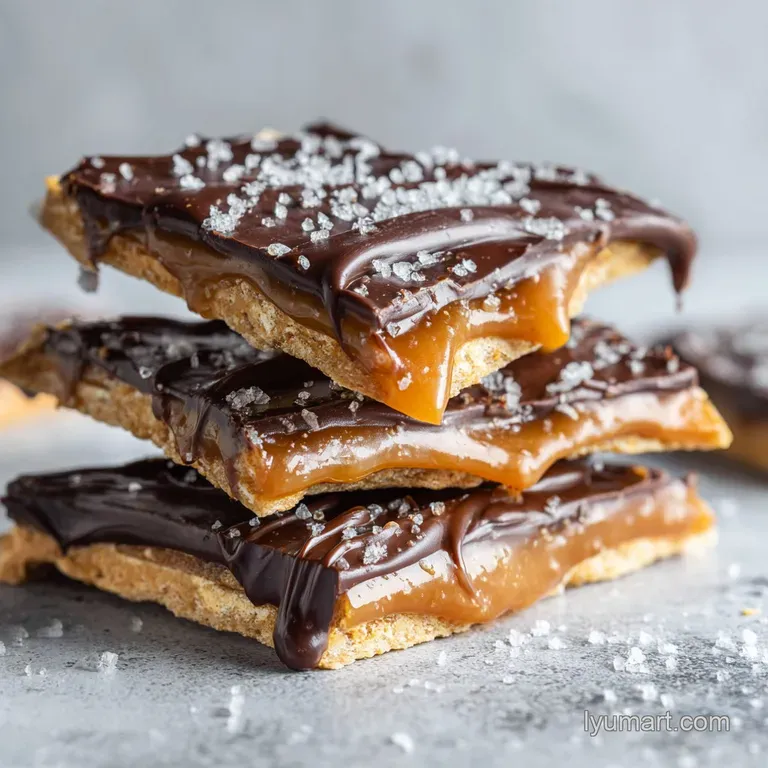
- Time: Active 10 minutes, Passive 15 minutes, Total 25 minutes
- Flavor/Texture Hook: A buttery shatter with velvety chocolate and a salty finish.
- Perfect for: Holiday gifting, last minute party platters, or beginner candy making.
Christmas crack isn't just a funny name whispered around holiday cookie swaps; it's a testament to the magic that happens when mid century thrift meets modern sweetness. Originating from the "saltine toffee" traditions of the 1950s, this recipe was the ultimate answer for home cooks who wanted to create something festive without the need for specialized candy thermometers or expensive ingredients.
It carries the soul of the "poor man's toffee," a tradition born from necessity that eventually became a high demand holiday staple because the flavor is simply undeniable.
I remember my grandmother standing over her heavy copper pot, the kitchen filled with the scent of darkening sugar and toasted butter. She didn't call it "crack" then it was just the "good candy" but the way the family crowded around the baking sheet as it cooled told the whole story.
The contrast between the cheap, utilitarian cracker and the rich, molten toffee is a culinary irony that works every single time. It’s about taking something ordinary and using a little stovetop alchemy to make it extraordinary.
When you make this today, you're tapping into a legacy of home baked joy. The sizzle of the toffee hitting the crackers and the way the chocolate chips begin to gloss over from the residual heat is a sensory experience that marks the true start of the season.
It’s sweet, it’s salty, and it’s deeply rooted in the American tradition of making the most out of every crumb in the pantry.
Success With Your Christmas Crack Recipe
Making a batch of this candy feels like a small victory every time the tray comes out of the oven. The reason this works so well is that we aren't just making a topping; we are actually creating a structural laminate that bonds the saltine base to a quick set toffee.
When you boil the sugar and butter together, you’re creating a simple syrup that reaches a soft crack stage, which then hardens into a glassy layer that reinforces the cracker's crunch.
Why the Sugar Becomes Shatter Proof
- Thermal Emulsion: Boiling the butter and sugar for exactly three minutes forces the fat and sugar into a stable bond that won't separate during the bake.
- Hydration Control: Dark brown sugar contains molasses, which adds moisture and acidity, helping to prevent the sugar from crystallizing into a grainy mess.
- Starch Reinforcement: The saltine cracker acts as a sponge, soaking up the hot toffee and creating a hybrid layer that provides a structural "snap" rather than a chewy pull.
- Residual Fusion: Adding the chocolate while the toffee is still bubbling ensures the two layers fuse together, preventing the chocolate from peeling off later.
| Method | Cook Time | Texture | Best For |
|---|---|---|---|
| Oven Classic | 15 minutes | Brittle & Glassy | Long term storage and gifting |
| Stovetop Only | 10 minutes | Softer & Chewy | Immediate snacking |
| No Bake Chill | 5 minutes | Fudgy & Dense | Quick cravings |
The "Oven Classic" method used in this christmas crack recipe is the gold standard because the second bake at 400°F ensures the toffee permeates every pore of the cracker. This creates that iconic "shatter" that makes the candy so addictive.
Without that five minute oven burst, the toffee sits on top rather than becoming one with the base.
| Component | Science Role | Pro Secret |
|---|---|---|
| Saltine Crackers | Structural Base | Use fresh, crisp crackers to ensure they don't turn into mush. |
| Unsalted Butter | Fat & Flavor | high-quality butter with lower water content results in a more stable toffee. |
| Dark Brown Sugar | Caramelization | The molasses provides a deeper color and a more complex, smoky sweetness. |
| Semi Sweet Chips | Moisture Barrier | The cocoa butter content creates a velvety finish that sets firmly at room temp. |
Recipe Specs
Before you start the sizzle in your kitchen, let's look at the numbers that make this batch work. Accuracy is everything in candy making, even with a recipe as forgiving as this one. We are looking for a specific volume of toffee to perfectly coat 45 crackers without drowning them or leaving them dry.
This recipe yields 24 generous servings, making it a heavy hitter for large gatherings. The total time of 25 minutes might seem fast, but remember that the 2 hour chilling period is where the real magic happens. If you try to break it early, you'll end up with a sticky situation rather than clean, sharp shards. If you find yourself craving a different texture, you might find that comparing it to a Cookie Cake recipe helps you appreciate the unique, brittle snap of this toffee versus the soft crumb of a baked cake.
What You'll Need
- 45 Saltine crackers Why this? Provides the salty, airy crunch that balances the intense sugar.
- 1 cup unsalted butter Why this? Controlled salt levels allow the sea salt topping to shine.
- 1 cup dark brown sugar, packed Why this? Dark sugar yields a richer, toffee like depth than light sugar.
- 0.5 tsp sea salt Why this? Enhances the chocolate and cuts through the buttery fat.
- 2 cups semi sweet chocolate chips Why this? High cocoa content ensures the chocolate sets firmly.
- 0.5 cup crushed pecans Why this? Adds a necessary earthy crunch to the velvety top layer.
Chef's Tip: Freeze your butter for 10 minutes before starting. While we melt it anyway, starting with very cold butter allows it to melt more slowly and evenly with the sugar, reducing the risk of the fat separating during that crucial 3 minute boil.
Equipment Needed
To achieve that professional finish, you need tools that can handle high heat. A heavy bottomed medium saucepan is non negotiable; thin pots have "hot spots" that will scorch your sugar before the butter is fully integrated.
You’ll also need a 12x17 inch rimmed baking sheet the rim is vital because that bubbling toffee will try to escape the edges.
Parchment paper is your best friend here. Don't even think about using foil unless you enjoy peeling tiny metal shards off your dessert. A silicone spatula is also helpful for spreading the molten sugar and the melted chocolate without the mixture sticking to the tool.
From Prep to Plate
- Preheat your oven to 400°F (200°C). Line a 12x17 inch rimmed baking sheet with parchment paper, ensuring it comes up the sides. Note: The overhanging paper makes it easier to lift the whole block out later.
- Lay the saltine crackers in a single, tight layer across the bottom of the prepared baking sheet. Ensure they are touching but not overlapping.
- In a heavy bottomed medium saucepan, combine the butter and brown sugar over medium heat. Stir constantly until the butter is melted.
- Bring the mixture to a full, rolling boil. Once it reaches a frothy foam, set a timer for exactly 3 minutes. Stir constantly to maintain thermal emulsion.
- Immediately pour the hot toffee mixture over the saltines, spreading it evenly with a silicone spatula.
- Bake in the preheated oven for 5 minutes. The toffee should be bubbling vigorously and turning a deep amber.
- Remove the pan from the oven and immediately sprinkle chocolate chips over the top. Let them sit for 5 minutes to melt from residual heat.
- Spread the melted chocolate smoothly across the toffee. Sprinkle with crushed pecans and sea salt flakes. Let cool at room temperature, then refrigerate for 2 hours until set and completely firm.
Solving Common Candy Problems

Even with a simple recipe, sugar can be temperamental. One of the biggest heartbreaks is seeing a layer of oil sitting on top of your toffee. This usually happens if the heat was too high or the stirring wasn't consistent enough during the 3 minute boil.
Residual Heat for Velvet Chocolate
The most common mistake is putting the pan back in the oven to melt the chocolate. This often results in "bloomed" chocolate that looks chalky and white. By letting the chocolate chips sit on the hot toffee for 5 minutes, you are gently tempering them, which preserves that glossy, velvety finish.
| Problem | Root Cause | Solution |
|---|---|---|
| Separated Toffee | Boiling too fast or not stirring enough | Whisk vigorously for 30 seconds off heat before pouring. |
| Soggy Crackers | Not baking long enough at 400°F | Ensure the full 5 minute bake until the toffee is foamy. |
| Chocolate Sliding Off | Toffee was too cool when chips were added | Add chips the second the pan leaves the oven. |
Common Mistakes Checklist
- ✓ Use a heavy bottomed saucepan to prevent sugar scorching.
- ✓ Pat the pan gently on the counter to level the toffee before baking.
- ✓ Ensure the parchment paper is truly non stick; cheap brands can tear.
- ✓ Wait the full 2 hours in the fridge; patience creates the best snap.
Scaling
When you need to make a mountain of candy for a bake sale, doubling this christmas crack recipe is a breeze, but you must watch your pot size. The toffee triples in volume as it foams up during the boil.
- To Scale Up (2x): Use two separate 12x17 sheets. Do not try to stack crackers in one pan. Double the butter and sugar, but only use 1.5x the salt to prevent it from becoming overpowering. Increase the boil time by 30 seconds to account for the larger mass.
- To Scale Down (0.5x): Use a 9x9 inch square pan. Halve all ingredients exactly. The boil time remains 3 minutes, but watch the oven closely, as a smaller surface area may brown faster.
Myths
One common misconception is that you need a candy thermometer for this christmas crack recipe. While thermometers are great for fudge or hard candy, the 3 minute boil method relies on the visual cue of "frothy foam" and the physical timing of the sugar's breakdown. It's more about the clock than the degree.
Another myth is that you can substitute margarine for butter. Margarine has a significantly higher water content, which will almost certainly cause the crackers to turn into a soggy, limp mess. Real butter is the only way to achieve that brittle, glassy snap we’re looking for.
Flavor Swaps and Substitutions
While the saltine version is the original, this recipe is a canvas for your creativity. Some people find that using pretzels provides a sturdier base, though it makes for a much thicker bark.
| Original Ingredient | Substitute | Why It Works |
|---|---|---|
| Saltine Crackers | Ritz Crackers | Adds a buttery, rich flavor but results in a slightly softer bite. |
| Semi Sweet Chips | White Chocolate | Offers a creamy, vanilla forward finish. Note: Sets slower than dark chocolate. |
| Dark Brown Sugar | Light Brown Sugar | Results in a milder caramel flavor; less "toasted" notes. |
If you are looking for a different kind of sweet finish, you could even try drizzling a little Homemade Chocolate Syrup over the top before the pecans for an extra layer of decadence.
Best Practices for Storage
Because this candy contains a high amount of butter, it responds to temperature changes quickly. To keep that "crack" in your christmas crack recipe, storage is everything.
- Fridge: Store in an airtight container for up to 2 weeks. Use parchment paper between layers to prevent the chocolate from sticking.
- Freezer: This candy freezes beautifully. It will stay fresh for up to 3 months. Many people actually prefer eating it straight from the freezer for maximum crunch.
- Zero Waste: Don't throw away the tiny crumbs and broken shards at the bottom of the pan! Pulse them in a food processor and use them as a "toffee dust" topping for vanilla ice cream or a rim garnish for a festive cocktail.
Festive Garnish and Presentation
The visual appeal of this candy comes from the contrast of colors. Since this is a holiday favorite, I love to use a "trio of tones" strategy to make the shards look like they came from a high end chocolatier.
- 1. Ruby Red
- Dried cranberries or pomegranate arils added immediately after the chocolate is spread.
- 2. Emerald Green
- Finely chopped pistachios or a few crushed mint leaves to provide a pop of freshness.
- 3. Snowy White
- Large flakes of Maldon sea salt or a very fine drizzle of melted white chocolate.
When you break the bark, don't aim for perfect squares. The beauty of a "crack" recipe is the organic, jagged edges. Place the larger shards in a clear cellophane bag tied with a velvet ribbon, and you've got a gift that looks as magical as it tastes.
The way the light catches the glassy toffee underneath the velvety chocolate is truly the spirit of the season in a single bite.

Recipe FAQs
What is needed to make Christmas crack?
You need saltine crackers, unsalted butter, dark brown sugar, semi sweet chocolate chips, pecans, and sea salt. These six ingredients are the only components required to achieve the classic toffee like snap.
Why isn't my Christmas crack hardening?
The most likely culprit is insufficient boiling time or not waiting for the full refrigeration period. Ensure you boil the butter and sugar for exactly three minutes to reach the proper consistency, and let the finished treat set in the refrigerator for two hours before breaking it apart.
How long to boil butter and brown sugar for Christmas crack?
Boil for exactly 3 minutes once the mixture reaches a full, rolling boil. Constant stirring is essential during this stage to maintain a stable thermal emulsion and prevent the sugar from burning.
What is Christmas crack actually called?
It is commonly known as saltine toffee or cracker toffee. The name "Christmas crack" is a popular colloquialism referencing its highly addictive nature and popularity during the holiday season.
Is it true I should skip the baking step to save time?
No, this is a common misconception. Baking the crackers and toffee for five minutes is vital because it caramelizes the mixture further and ensures the toffee locks onto the crackers for a consistent, crisp texture.
How to ensure the chocolate spreads evenly without melting too fast?
Sprinkle the chips over the hot toffee and wait five minutes before touching them. This allows the residual heat from the toffee to melt the chips thoroughly, creating a smooth, professional finish. If you enjoyed mastering temperature cues here, apply that same patience to our casserole recipes for perfectly cooked results.
How to keep the toffee from separating while boiling?
Stir constantly and use a heavy bottomed saucepan to distribute heat evenly. If the mixture appears to separate, increase your agitation speed to force the butter and sugar back into a cohesive, emulsified liquid.
Christmas Crack Recipe

Ingredients:
Instructions:
Nutrition Facts:
| Calories | 208 kcal |
|---|---|
| Protein | 1.5 g |
| Fat | 14.1 g |
| Carbs | 21.6 g |
| Fiber | 1.4 g |
| Sugar | 15.7 g |
| Sodium | 99 mg |
