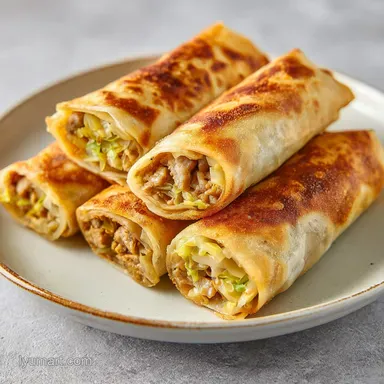
Egg Rolls: the Best Recipe
- Time:45 minutes active + 20 minutes cook = 65 minutes total
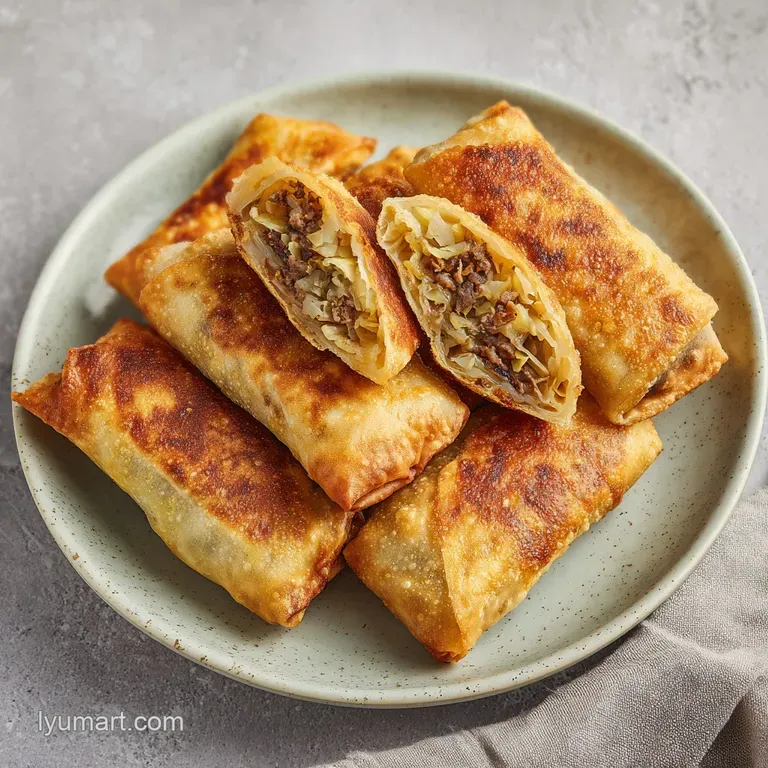
- Flavor/Texture Hook: Mahogany gold, shatter crisp shell with a savory, tender center
- Perfect for: Party appetizers, weekend comfort food, or a crowd-pleasing snack
The sound of that first bite, that loud shatter, is exactly what we are after here. There is nothing quite like the sizzle of a deep pan when a fresh roll hits the oil, sending that aroma of toasted sesame and ginger through the whole house.
It is the kind of smell that makes everyone in the room suddenly very interested in when dinner is served.
But let's be real for a second. I used to struggle with these. I'd spend an hour prepping the filling only to end up with limp, oily wraps that tasted more like wet paper than a treat. The culprit was almost always too much moisture in the cabbage or oil that wasn't hot enough.
I spent a few weekends experimenting with different cooling times and oil temps to find the fix.
Once I figured out the "cool and seal" method, everything changed. These homemade Egg Rolls don't just look the part, they have that hollow, light crunch you usually only find at a restaurant. Trust me on this, once you move past the soggy phase, you will never go back to the frozen aisle again.
Classic Crispy Egg Rolls
To get the best results, you have to treat the filling and the wrapper as two different projects. The filling needs to be packed with flavor but stripped of excess water, while the wrapper needs to stay dry until the very second it hits the heat.
This balance is what creates that contrast between the velvety interior and the crispy exterior.
I’ve found that using a coleslaw mix is a huge shortcut that doesn't sacrifice quality. It saves about 15 minutes of tedious chopping and ensures the shreds are uniform, which means they cook evenly. If you want to branch out, this base works for all sorts of stuffed cabbage rolls or other wrap style appetizers.
Right then, let's get into the details of how to make this happen in your own kitchen without needing a mountain of equipment. We are keeping it simple, focusing on a few key moves that guarantee success.
Why This Actually Works
When you're frying, you're basically fighting a war against steam. If the filling is too wet, that steam pushes against the wrapper from the inside, creating bubbles and making the shell soggy.
- Moisture Evaporation
- Sautéing the cabbage until it wilts but keeps a "bite" removes excess water, preventing the wrapper from steaming from the inside out.
- Temperature Stability
- Keeping the oil at 350°F (175°C) ensures the exterior sears instantly, locking in the filling before the oil can soak into the dough.
- Protein Binding
- Cooling the pork and cabbage completely allows the fats to set, which makes the filling easier to roll tightly without tearing the wrapper.
- Egg Wash Seal
- The beaten egg acts as a biological glue, creating an airtight seal that prevents the filling from leaking into the oil.
| Feature | Fresh Wrappers | store-bought Wrappers | Impact |
|---|---|---|---|
| Prep Time | 30-40 minutes | 0 minutes | Huge time saver |
| Texture | More "doughy" | Thinner and crispier | Better shatter |
| Effort | High | Low | Easy for beginners |
The Core Components
Understanding what each ingredient does helps you adjust the recipe on the fly. For example, if you want more "zing," you know exactly where to add it.
| Ingredient | Science Role | Pro Secret |
|---|---|---|
| Lean Ground Pork | Protein Base | Brown deeply for a savory, humble flavor |
| Coleslaw Mix | Texture & Bulk | Don't overcook; keep a slight crunch |
| Toasted Sesame Oil | Aromatic Fat | Add at the end to preserve the nuttiness |
| Egg Roll Wrappers | Structural Shell | Keep them under a damp cloth while rolling |
Gear You Need
You don't need a commercial deep fryer to make amazing egg rolls. A heavy bottomed pot or a deep skillet works just fine. I prefer a cast iron skillet because it holds the heat better, meaning the oil temperature won't drop as much when you add the rolls.
A slotted spoon is non negotiable here. Trying to fish out fried rolls with a fork is a recipe for disaster and burnt fingers. Also, grab a large plate lined with paper towels. The goal is to drain the surface oil immediately so the shell stays crispy rather than becoming greasy.
Finally,, a small bowl for your egg wash and a clean, flat surface for rolling will make the process much smoother. If you're feeling fancy, a digital thermometer is great for checking that oil, but if you don't have one, the "wooden spoon trick" (bubbles forming around a chopstick) works in a pinch.
Step by step Method
Phase 1: The Flavor Packed Filling
- Sauté the ground pork in a large skillet over medium high heat until browned and cooked through. Note: Let it sear without stirring too much to get those brown bits.
- Stir in the minced garlic and grated ginger, cooking for 1 minute until aromatic.
- Add the coleslaw mix, soy sauce, sesame oil, and black pepper. Stir fry for 3–5 minutes until the cabbage is wilted but still has a slight bite.
- Stir in the green onions, remove from heat, and transfer the filling to a bowl to cool completely. Note: This is the most important step to avoid soggy wrappers.
Phase 2: The Precision Wrap
- Lay one wrapper in a diamond shape on a clean surface. Place approximately 3 tbsp of cooled filling in the center.
- Fold the bottom corner up over the filling, then fold in the left and right sides tightly.
- Brush the top corner with beaten egg wash and roll tightly toward the top, pressing firmly to seal. Note: Avoid overfilling or the wrapper will split.
Phase 3: The Golden Fry
- Heat neutral oil in a deep pan to 350°F (175°C).
- Fry 3–4 Egg Rolls at a time for 3–5 minutes, turning occasionally, until a deep mahogany gold and hollow sounding.
- Remove with a slotted spoon and drain on paper towels.
Fixing Egg Rolls Problems
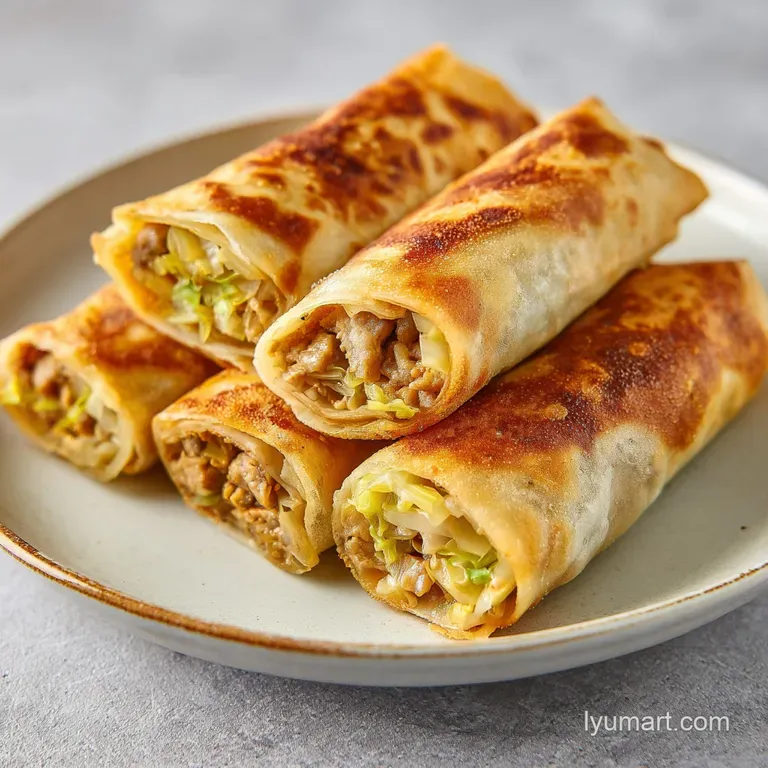
Most issues with this recipe happen during the assembly or the fry. If your rolls aren't coming out right, it's usually a temperature or moisture issue.
Troubleshooting Common Issues
| Issue | Solution | |
|---|---|---|
| Why Your Egg Rolls Are Soggy | This usually happens because the filling was still warm when you wrapped it, or the oil wasn't hot enough. Warm filling releases steam, which softens the wrapper from the inside. Cold oil allows the w | |
| Why Egg Rolls Bubble | Tiny bubbles on the surface often mean the oil temperature was too high, or there was excess moisture on the outside of the wrapper. It doesn't necessarily ruin the taste, but it affects the look. | |
| Why Egg Rolls Leak | Leaking is a sealing problem. If the corners aren't tucked tightly or the egg wash didn't cover the entire top edge, the filling will find a way out. This can also cause the oil to splatter. | Pr |
Adjusting the Batch
If you are just making a snack for yourself, you can easily cut this in half. Use a smaller skillet for the pork to ensure it browns rather than steams. When beating the egg for the wash, just beat one egg and use half of it, saving the rest for your breakfast.
For a big party, you can double or triple the recipe. Just be careful with the seasonings. I recommend only increasing the salt and pepper to about 1.5x the original amount, as the soy sauce can become overpowering in large batches.
Work in small batches during the frying phase, as overloading the pan will cause the temperature to plummet.
If you are baking a massive batch in the oven instead of frying, lower the temperature to 375°F (190°C) and extend the time by about 5-10 minutes. Brush them generously with oil to get that golden color.
Kitchen Truths
There is a common belief that searing the pork "seals in the juices." This is a myth. Searing is actually about creating flavor through browning. The juices leave the meat regardless, but the crust adds a depth of taste that you can't get from boiling or steaming.
Some people think you need a professional wok to get the right texture. Honestly, don't even bother with the expensive gear if you don't have it. A standard heavy skillet does the job perfectly for home cooks. The key is the heat management, not the shape of the pan.
Freshness and Storage
Once cooled, you can keep these in the fridge for up to 3 days. Store them in a single layer in an airtight container with a piece of paper towel at the bottom to absorb any lingering moisture. To reheat, avoid the microwave at all costs, as it will make them rubbery.
Use an air fryer or a toaster oven at 350°F (175°C) for 5 minutes to bring back the crunch.
For long-term storage, you can freeze them before frying. Place the raw, rolled wraps on a baking sheet and freeze until solid, then transfer them to a freezer bag. They stay good for about 3 months. You can fry them straight from frozen, just add 2 minutes to the cook time.
To avoid waste, save your cabbage stems and any leftover green onion ends. Toss them into a freezer bag for homemade vegetable stock. Even the leftover egg wash can be whisked into a morning omelet.
Best Serving Ideas
The classic choice is a sweet chili sauce or a ginger soy dip. I like to make a quick version by mixing soy sauce, a splash of rice vinegar, and a pinch of sugar. The acidity cuts through the richness of the pork and the fried shell.
If you're serving these as part of a larger spread, try pairing them with a light cucumber salad or steamed edamame. For those who want a sweet contrast after the savory meal, these pair surprisingly well with something like Nutella French Toast Rolls for dessert.
Whether you're making these for a holiday party or just a rainy Tuesday, the secret is in the patience. Don't rush the cooling process, keep your oil hot, and enjoy that satisfying shatter. Your first batch of Egg Rolls will be a total hit!
Recipe FAQs
What's the secret to a perfect egg roll?
Cool the filling completely. This prevents steam from softening the wrapper from the inside, ensuring a crisp, mahogany gold finish.
Why are my egg rolls soggy after frying?
The filling was too warm or the oil was below 350°F. Warm filling releases steam that softens the wrapper, while cool oil causes the wrapper to absorb too much grease.
Why are there tiny bubbles on the outside of my egg rolls?
The oil temperature was likely too high. This or excess moisture on the wrapper surface creates bubbles, though it typically doesn't affect the taste.
How to seal egg rolls so they don't leak?
Brush the top corner with beaten egg wash. Fold the bottom and sides tightly, then roll firmly toward the top to lock the filling in.
Is it true I can wrap the filling while it is still warm to save time?
No, this is a common misconception. Wrapping warm filling creates internal steam that makes the wrappers soggy and prevents them from crisping properly.
How to tell when the egg rolls are finished frying?
Fry until they are deep mahogany gold and sound hollow when tapped. This process generally takes 3–5 minutes at 350°F.
What should I serve with these egg rolls?
Pair them with a light, savory side. They complement a Thai potsticker soup perfectly for a complete meal.
Egg Rolls: Crispy and Golden