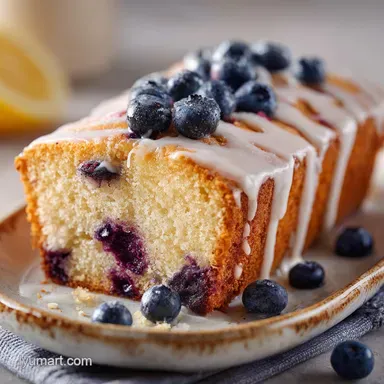
Lemon Blueberry Pound Cake with Glaze: Velvety and Zesty
- Time: 20 min active + 90 min baking = Total 110 mins
- Flavor/Texture Hook: Zesty, buttery, and velvety with a tart sugar glaze
- Perfect for: Sunday brunches, afternoon tea, or a thoughtful homemade gift
Lemon Blueberry Pound Cake with Glaze
Imagine the smell of fresh lemon zest hitting warm butter, that bright, citrusy aroma that fills every corner of the kitchen before the cake even hits the oven. I remember a rainy Tuesday a few years back when I decided to bake this for a friend who was having a rough week.
As the cake baked, the scent of bubbling blueberries and sweet vanilla started to drift through the house, and honestly, it felt like the atmosphere shifted from gloomy to cozy in about twenty minutes.
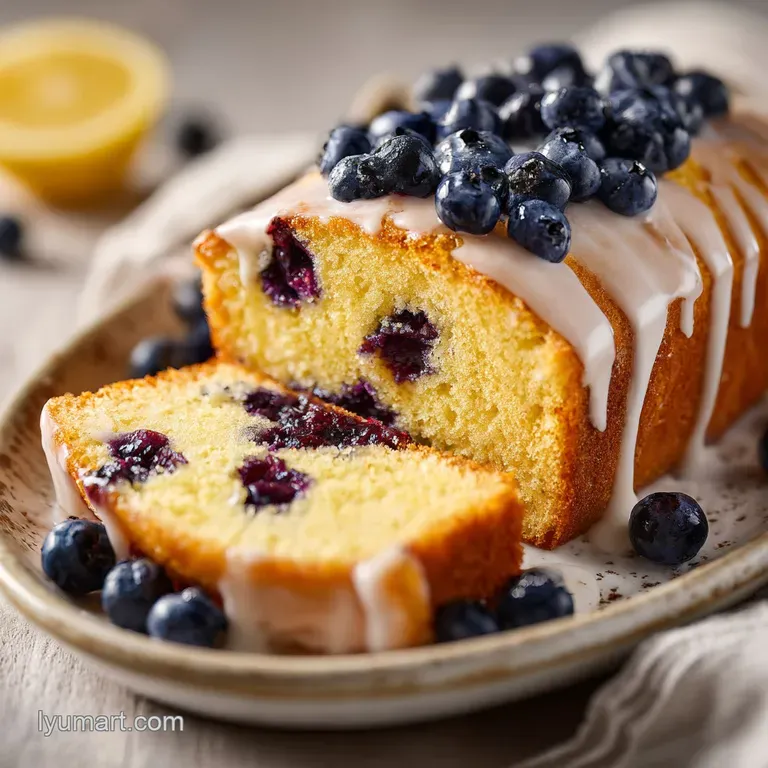
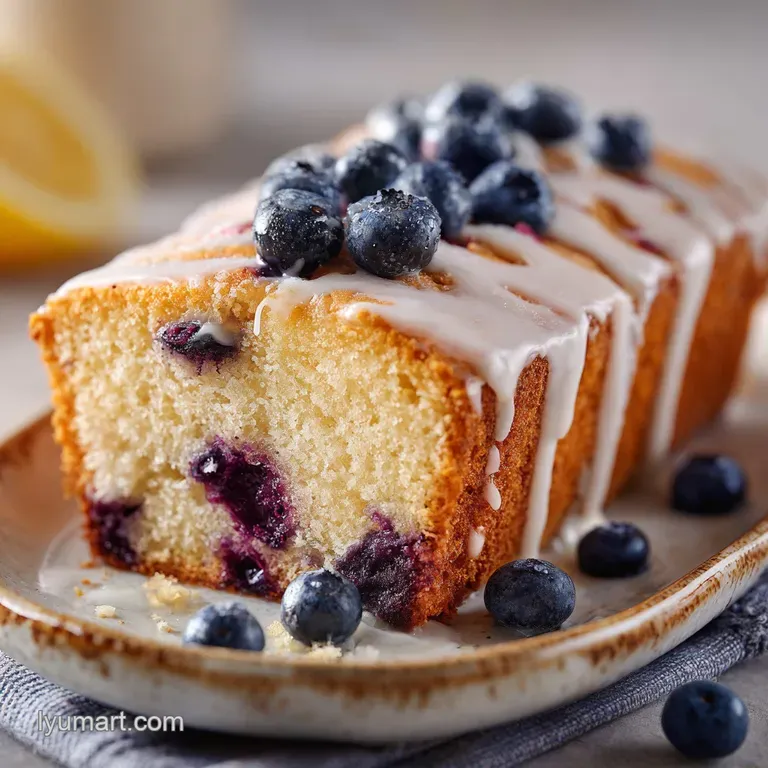
The magic is in the first slice. You get that slightly crisp, golden exterior that gives way to a soft, moist center, and then a burst of tart blueberry. When that velvety lemon glaze drips down the sides of the Bundt shape, it looks like something from a high end bakery, but it's just simple, honest home baking.
This lemon blueberry pound cake with glaze isn't just a dessert, it's a mood lifter.
You can expect a cake that is substantial but not heavy. It's got that classic "pound cake" heart, but the sour cream keeps it from feeling like a brick. Whether you're serving it with a cup of coffee or a glass of cold milk, it's a treat that feels special without requiring you to be a professional pastry chef.
Let's get into how to make it actually work.
Secrets for Tender Crumb
If you've ever had a pound cake that felt more like a doorstop than a dessert, you know that texture is everything. Most people just mix things until they're combined, but that's where they go wrong. The real secret is in how you handle the fat and the air.
Air Incorporation: Beating the butter and sugar for a full 5 minutes creates millions of tiny air bubbles. These bubbles expand in the oven, giving the cake a lift that prevents it from becoming too dense.
Acidic Tenderizing: The sour cream adds a touch of acidity. This breaks down some of the gluten proteins in the flour, which is why the result is velvety instead of chewy.
Berry Suspension: Tossing berries in flour creates a dry barrier. This increases the friction between the fruit and the batter, stopping the berries from diving straight to the bottom of the pan.
Temperature Stability: Using room temperature eggs prevents the butter from seizing. If the eggs are cold, the emulsion breaks, and you'll see a curdled batter that leads to a grainy texture.
| Fresh Ingredients | Shortcut Options | Impact on Result | Savings |
|---|---|---|---|
| Fresh Lemon Zest | Bottled Lemon Oil | Less aromatic, more chemical taste | Low |
| Fresh Blueberries | Frozen Blueberries | More moisture, potential purple streaks | Medium |
| Sour Cream | Greek Yogurt | Slightly tangier, slightly denser | Low |
| Unsalted Butter | Margarine | Lacks the rich, creamy finish | Low |
For those who love a faster process, my lemon blueberry dump cake recipe is a great alternative when you don't have the time for a traditional bake.
Component Breakdown
Understanding what each ingredient is actually doing helps you troubleshoot if something feels off. It's not just a list of stuff, it's a balanced system of fats, acids, and structures.
| Ingredient | Science Role | Pro Secret |
|---|---|---|
| Unsalted Butter | Structure & Flavor | Use high fat European style for a richer taste |
| Sour Cream | Moisture & Tenderness | Ensures the cake stays moist for days |
| AP Flour | The Skeleton | Measure by weight or spoon and level for consistency |
| Lemon Zest | Essential Oil | Rub zest into sugar first to release more oils |
Essential Baking Gear
You don't need a professional kitchen, but a few specific tools make a huge difference. The most important thing here is the pan. A 10 inch Bundt pan is the standard for this recipe because it allows the heat to reach the center of the cake more efficiently than a deep round pan.
I recommend a heavy duty aluminum pan if you have one, as it distributes heat more evenly. You'll also need a stand mixer or a handheld electric mixer. Trust me, trying to cream butter and sugar by hand for five minutes is a workout you don't want.
A silicone spatula is also a must for folding in the blueberries, as you don't want to overwork the batter once the flour is in.
Finally, a wire cooling rack is non negotiable. If you leave the cake in the pan for too long, the steam gets trapped at the bottom, making the base soggy. Getting it onto a rack allows the air to circulate, keeping that golden crust intact.
Step by step Guide
Right then, let's crack on with the actual baking. Follow these steps closely, and pay attention to the sensory cues.
The Prep Phase
- Generously grease a 10 inch Bundt pan with butter and dust with flour, tapping out the excess. Note: This is your insurance policy against the cake sticking.
- In a small bowl, toss the fresh blueberries (2 cups) with 1 tbsp of all purpose flour until evenly coated and set aside. Note: This prevents the berries from sinking to the bottom.
- Preheat the oven to 325°F (163°C).
Constructing the Batter
- Beat the softened butter (1 cup/227g) and granulated sugar (1 1/2 cups/300g) on medium high for 3-5 minutes until the mixture is pale, fluffy, and has nearly doubled in volume.
- Add eggs (3 large) one at a time, beating well after each addition. Stir in the vanilla extract (1 tsp) and 2 tbsp of lemon zest.
- Alternately add the dry ingredients (3 cups flour, 1 tsp baking powder, 1/2 tsp salt) and the sour cream (1/2 cup) to the butter mixture, beginning and ending with the flour. Note: Do not overmix here or the cake will be tough.
- Gently fold in the floured blueberries by hand using a spatula to ensure even distribution.
Baking and Cooling
- Pour the batter into the prepared Bundt pan and bake for 90 minutes until a cake tester comes out clean and the edges are golden.
- Allow the cake to cool in the pan briefly (about 10-15 mins) before transferring to a wire cooling rack.
- Prepare the glaze by whisking together powdered sugar (1 cup), fresh lemon juice (3 tbsp), and 1/2 tsp lemon zest until smooth.
- Drizzle the lemon glaze over the cooled cake before serving.
Chef's Tip: If your glaze is too thick, add lemon juice a teaspoon at a time. If it's too thin, whisk in a tablespoon of powdered sugar. You're looking for a consistency that ribbons slowly off the spoon.
Fixing Cake Issues
Even the best of us have cakes that go sideways. Usually, it's just a matter of temperature or timing. If your lemon blueberry pound cake with glaze didn't come out exactly right, don't panic.
Why Cakes Sink
This usually happens because the oven door was opened too early, letting out the heat, or the baking powder was old. If the structure hasn't set, the air bubbles collapse.
Glaze Texture Fixes
A runny glaze happens when the juice to sugar ratio is off. Conversely, a "crusty" glaze usually means you didn't whisk it enough or the cake was still too hot when you poured it.
Preventing Pan Sticking
If the cake sticks, it's often because the pan wasn't greased in the "nooks and crannies" of the Bundt design. Using a baking spray with flour already in it is a great shortcut here.
| Problem | Root Cause | Solution |
|---|---|---|
| Cake is too dense | Under creaming butter/sugar | Beat for full 5 mins until pale |
| Berries at bottom | Didn't flour the berries | Toss berries in 1 tbsp flour first |
| Glaze absorbs into cake | Cake was too hot | Cool completely before glazing |
Common Mistakes Checklist
- ✓ Did you use room temperature eggs? (Prevents curdling)
- ✓ Did you grease the pan thoroughly? (Prevents sticking)
- ✓ Did you avoid overmixing after adding flour? (Prevents toughness)
- ✓ Did you wait for the cake tester to come out clean? (Prevents raw center)
- ✓ Did you toss berries in flour? (Prevents sinking)
Tasty Twists
Once you've mastered the base lemon blueberry pound cake with glaze, you can start playing with the flavors. This recipe is surprisingly flexible.
The Citrus Swap: Replace the lemon zest and juice with orange or lime for a different zing. Lime works particularly well if you add a pinch of ginger to the dry ingredients.
The Crunch Factor: Add a handful of toasted slivered almonds to the batter along with the blueberries. It adds a nutty depth and a bit of texture that contrasts the velvety crumb.
The Creamy Twist: If you want something even more indulgent, you can swap the glaze for a lemon cream cheese frosting. Just beat softened cream cheese, butter, powdered sugar, and lemon juice together.
Different Fruit Ideas: While blueberries are the star, raspberries or blackberries work too. Just be aware that raspberries are softer and may bleed more into the batter, giving it a pinkish hue. For a completely different vibe, try my classic lemon bars if you want something more tart and custard like.
Storage and Waste
Pound cakes are legendary for how well they keep. Because of the fat content from the butter and sour cream, this cake stays moist much longer than a standard sponge cake.
Fridge Storage: Wrap the cake tightly in plastic wrap or store it in an airtight container for up to 5 days. I actually prefer it the next day, as the lemon flavors have more time to meld.
Freezing: You can freeze this cake for up to 3 months. I recommend slicing it first and freezing the slices individually with parchment paper between them. To reheat, just pop a slice in the microwave for 15-20 seconds or let it thaw overnight.
Zero Waste Tips: Don't throw away the lemon peels after zesting. You can put them in a jar with white vinegar for two weeks to create a powerful, natural citrus cleaner. Also, if you have leftover glaze, it makes a great dip for fresh strawberries.
Perfect Pairings
This cake is quite rich, so it pairs best with things that provide a sharp or refreshing contrast. A dollop of unsweetened whipped cream or a side of fresh raspberries helps cut through the buttery sweetness.
For a drink, a light Earl Grey tea is the gold standard here, as the bergamot notes in the tea complement the lemon in the cake. If you're serving this as a brunch dessert, a crisp Prosecco or a fresh mimosa works beautifully.
Plating Levels
Depending on who you're serving, you can change how this looks on the plate.
| Level | Presentation Style | Key Tweak |
|---|---|---|
| Simple | Single slice on a white plate | Just the glaze and cake |
| Polished | Sliced, dusted with powdered sugar | Garnish with 3 fresh blueberries |
| Restaurant | Offset slice, lemon curd swipe | Mint leaf and a dollop of crème fraîche |
Decision Shortcut
- If you want a more "tart" profile, increase lemon zest to 3 tbsp.
- If you want a lighter, airier cake, use cake flour instead of AP flour.
- If you want a denser, more "old fashioned" feel, reduce the butter creaming time to 3 minutes.
Baking Truths
There are a few things people tell you about pound cakes that are just plain wrong. Let's clear the air.
First, some say that sifting flour is the only way to get a light cake. While sifting helps, if you use a whisk to combine your dry ingredients and don't overmix the batter, you'll get the same result. It's more about the mixing technique than the sifting.
Second, there's a myth that you can just substitute any fat for butter. While oil makes a cake moist, it doesn't provide the structural aeration that creaming butter does. If you use oil, you'll lose that signature pound cake lift and end up with something closer to a muffin.
Finally,, people think that adding more baking powder will make the cake "better" or "fluffier." In reality, too much leavening causes the cake to rise too fast and then collapse in the middle, leaving you with a crater. Stick to the measurements!
Scaling this recipe is pretty straightforward, but there are some rules. If you're cutting it in half, use a smaller 6 inch pan and reduce the bake time by about 20%. If you're doubling it, I highly suggest baking in two separate pans rather than one giant one.
If you must use a larger pan, lower the oven temperature to 300°F (150°C) and extend the bake time. This ensures the outside doesn't burn before the center is set.
For the eggs, if you're halving the recipe and end up with a "half egg," just beat one egg in a bowl and use half of the liquid by weight.
Recipe FAQs
Can I use frozen blueberries instead of fresh?
No, stick with fresh. Frozen berries release excessive moisture and will bleed color into the batter, affecting the cake's texture.
How to prevent blueberries from sinking to the bottom?
Toss the blueberries in one tablespoon of flour before folding them in. This coating helps the berries grip the batter and stay suspended during baking.
Why did my pound cake sink in the middle?
Avoid opening the oven door too often. Sudden temperature drops can cause the cake to collapse before the structure has fully set.
How to tell when the cake is fully baked?
Insert a cake tester or toothpick into the center. It is done when the tester comes out clean after 90 minutes at 325°F.
Is it true that pound cakes cannot be frozen?
No, this is a common misconception. This cake freezes perfectly for up to 3 months, especially if you slice it and separate the pieces with parchment paper.
How to remove the cake from the Bundt pan without it breaking?
Cool the cake in the pan briefly before transferring. This allows the crumb to firm up so it releases cleanly onto the wire rack.
Can I substitute the sour cream with Greek yogurt?
Yes, plain Greek yogurt is a great substitute. If you enjoy the moist crumb created by these acidic ingredients, see how the same principle works in our pineapple cake recipe.
Lemon Blueberry Pound Cake: Velvety