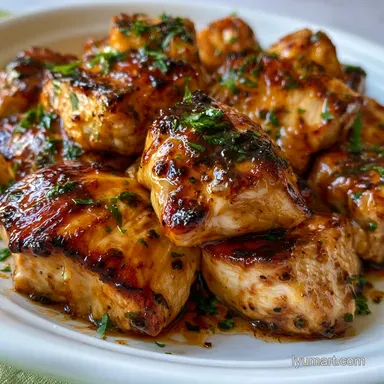
Hibachi Chicken: Charred and Smoky
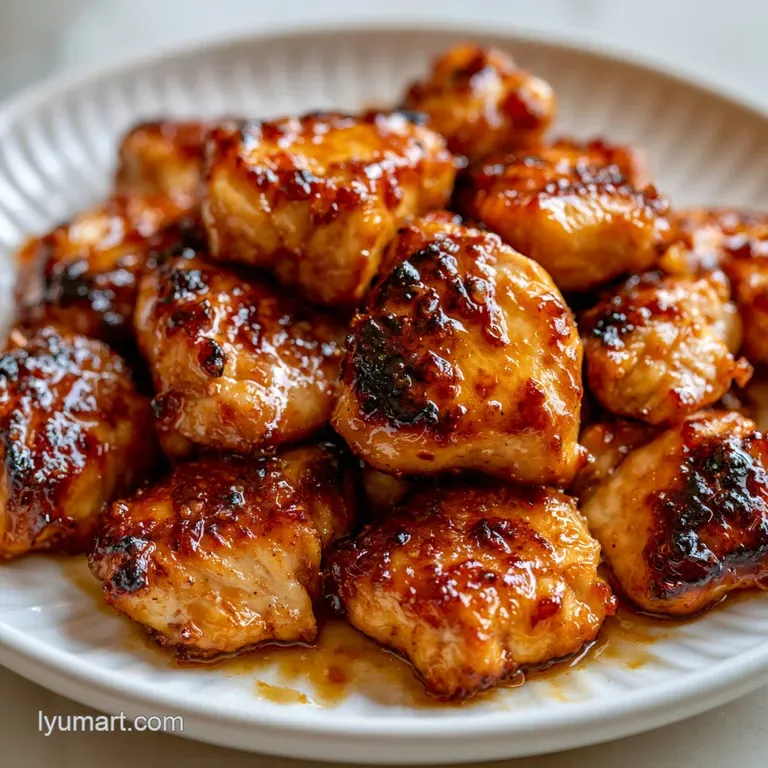
- Time: 20 min prep + 15 min cook = Total 50 mins (includes 15 min marinating)
- Flavor/Texture Hook: Charred, smoky edges with a velvety, tangy sauce
- Perfect for: Busy weeknights or a Budget-friendly "fancy" dinner
The sound of butter hitting a screaming hot cast iron pan is the only alarm clock I need. That immediate, aggressive sizzle followed by the nutty aroma of browning butter is exactly what makes this meal hit different.
I remember the first time I tried this at home, I made the mistake of using a non stick pan, and the chicken just steamed in its own juices. It was gray, sad, and totally lacked that signature crust.
Once I switched to a heavy skillet, everything changed. You get those deep, mahogany edges that taste like they came off a professional flat top grill. This Hibachi Chicken isn't about fancy equipment, it's about managing heat and not being afraid of a little butter.
We're keeping this fast and affordable. No need for a trip to a specialty store for ingredients you'll only use once. I've stripped this down to the basics that actually deliver the flavor. You're looking at a meal that's ready in under an hour, but tastes like you spent the whole afternoon prepping.
Easy Homemade Hibachi Chicken
Right then, let's get into the guts of why this works. If you've ever wondered why the restaurant version tastes different, it's not just the grill. It's the specific way they layer fats and salts.
Butter Soy Synergy: Combining soy sauce with butter creates a savory emulsion that clings to the meat. The butter prevents the soy from burning too quickly while adding a rich, silky mouthfeel.
Starch Retrogradation: Using chilled, day old rice is non negotiable. The cooling process changes the starch structure, making grains firm and separate so they fry instead of steaming into a mushy clump.
Acidic Brightening: The lemon juice in the marinade breaks down tough fibers in the breast meat. It provides a sharp contrast to the heavy butter, keeping the dish from feeling too greasy.
Over High heat Char: Searing the chicken without stirring for a few minutes allows the sugars in the soy sauce to caramelize. This creates the smoky, charred exterior that defines the dish.
| Method | Time | Texture | Best For |
|---|---|---|---|
| Fast (Skillet) | 35 mins | Charred & Juicy | Weeknights |
| Classic (Griddle) | 60 mins | Evenly Seared | Large Groups |
| Slow (Oven) | 90 mins | Tender & Uniform | Meal Prep |
Secret Ingredient Roles
I've spent way too much time tweaking this, and it turns out the simplest ingredients do the heaviest lifting. Here is what is actually happening in the pan.
| Ingredient | Science Role | Pro Secret |
|---|---|---|
| Unsalted Butter | Fat Medium | Use cold cubes for a more controlled sear |
| Soy Sauce | Salt & Color | Use low sodium if you're sensitive to salt |
| Day Old Rice | Structure | Spread on a tray to cool fast in the fridge |
| Lemon Juice | Tenderizer | Add it last to the marinade to prevent "cooking" the meat |
The Budget friendly Pantry
Keep it simple. You don't need to buy five different types of Asian sauces. A good soy sauce and some butter are your best friends here.
For the Hibachi Chicken Marinade
- 3 tbsp soy sauceWhy this? Provides the salt and deep brown color
- 1 tbsp lemon juiceWhy this? Brightens the flavor and tenderizes
- 1 tbsp vegetable oilWhy this? Helps heat transfer to the meat
- 2 cloves minced garlicWhy this? Essential aromatic base
- 1/2 tsp black pepperWhy this? Subtle heat and depth
- 1.5 lb boneless skinless chicken breast, cubed into 1 inch piecesWhy this? Lean, Budget friendly, and cooks fast
For the Protein & Vegetables
- 2 tbsp unsalted butterWhy this? Creates the signature steakhouse flavor
- 1 medium white onion, dicedWhy this? Adds sweetness when charred
- 1 large zucchini, sliced into half moonsWhy this? Absorbs the butter soy sauce
- 8 oz sliced mushroomsWhy this? Adds an earthy, savory (umami) note
For the Hibachi Chicken Fried Rice
- 3 cups chilled, day old long grain white riceWhy this? Dry grains fry better than fresh ones
- 2 large eggs, beatenWhy this? Adds richness and color
- 2 tbsp unsalted butterWhy this? For that velvety finish
- 2 tbsp soy sauceWhy this? Seasoning and gold color
- 1 tsp toasted sesame oilWhy this? Nutty aroma that finishes the dish
- 1/4 cup frozen peas and carrotsWhy this? Budget friendly color and texture
For the Hibachi Chicken Sauce (Yum Yum Sauce)
- 1/2 cup mayonnaiseWhy this? The creamy, fat rich base
- 1 tbsp melted butterWhy this? Smooths out the texture
- 1 tbsp tomato pasteWhy this? For the pink color and tang
- 1 tsp paprikaWhy this? Adds a mild, smoky sweetness
- 1 tsp garlic powderWhy this? Consistent savory flavor
- 1 tbsp waterWhy this? Adjusts the consistency to a drizzle
| Original Ingredient | Substitute | Why It Works |
|---|---|---|
| Chicken Breast | Chicken Thighs | More fat, harder to overcook. Note: Richer flavor |
| Zucchini | Yellow Squash | Similar water content and texture |
| White Rice | Brown Rice | Higher fiber. Note: Chewier texture, takes longer to fry |
| Mayonnaise | Greek Yogurt | Lower calorie. Note: Much tangier, less velvety |
If you're looking for other ways to use lean proteins, you might like my Seared Cod recipe which also uses a butter based finish for that restaurant quality.
Essential Kitchen Tools
You don't need a $500 flat top grill to make this. I do all of this with a couple of basic pans.
- Cast Iron Skillet: This is the gold standard. It holds heat better than anything else, which is how you get those charred edges. If you don't have one, a stainless steel pan works. Just avoid non stick if you want a real crust.
- Large Mixing Bowl: For the marinade. You want enough room to toss the chicken without it spilling over the sides.
- Whisk: Essential for the Yum Yum sauce. You want that mayonnaise and tomato paste completely smooth with no streaks.
- Sturdy Spatula: A metal or over high heat silicone spatula is a must. You'll be scraping the browned bits (the fond) off the bottom of the pan to flavor the veggies.
Chef's Note: If you're making this for a crowd, work in batches. Overcrowding the pan drops the temperature, and you'll end up with steamed chicken instead of seared chicken. Trust me, the extra 5 minutes is worth the crust.
Bringing It Together
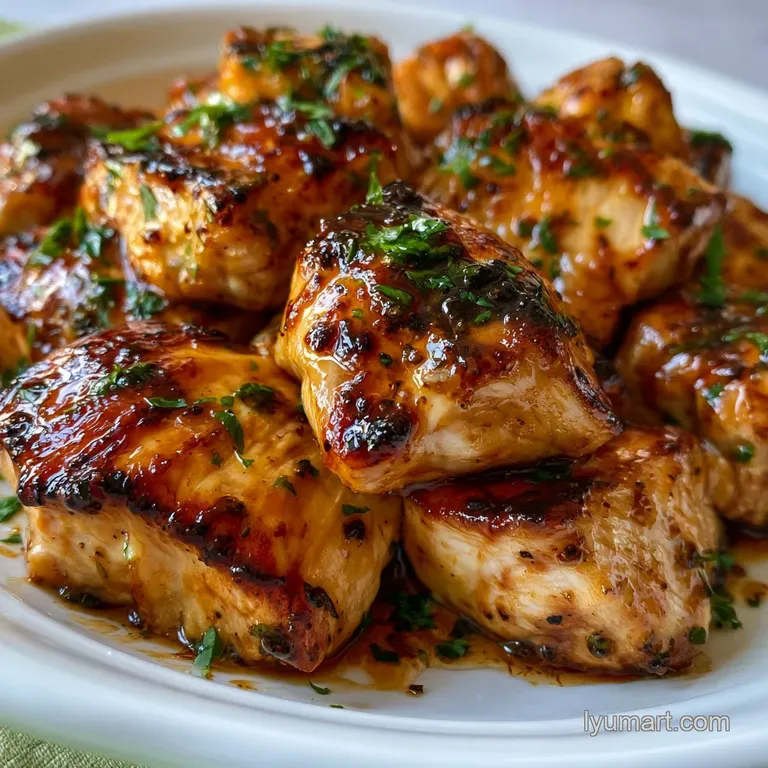
Let's crack on. This is where the magic happens. Follow the cues, not just the clock.
- Marinate the chicken. In a bowl, toss your cubed chicken breast with the soy sauce, lemon juice, vegetable oil, minced garlic, and black pepper. Let it sit at room temperature for 15 minutes. Note: Don't over marinate with lemon or the meat can get mushy.
- Heat the pan. Get your cast iron skillet or griddle over medium high heat until a drop of water dances and evaporates instantly. Add 1 tbsp of butter.
- Sear the protein. Add the marinated chicken in a single layer. Cook for 3 minutes without stirring until a deep mahogany crust forms. Flip and cook until just done.
- Rest the meat. Push the chicken to the side of the pan or move it to a plate. This keeps it from overcooking while you do the rest.
- Sauté the vegetables. Add the remaining butter for this section. Throw in the diced onion, zucchini, and mushrooms. Stir fry for 4-6 mins until the edges are charred but the center is still crisp.
- Fry the rice. In a separate clean pan, melt 2 tbsp butter. Add the chilled white rice. Spread it out and let it sizzle for 2 mins until the grains look toasted.
- Integrate the rice mix. Stir in the beaten eggs, soy sauce, sesame oil, and frozen peas and carrots. Toss constantly for 3-5 mins until the eggs are set and the rice is steaming.
- Whisk the sauce. In a small bowl, combine the mayonnaise, melted butter, tomato paste, paprika, garlic powder, and water. Whisk until velvety and smooth.
Precision Checkpoints:
- Temperature: The pan should be about 400°F (200°C) before the chicken hits it.
- Sear Time: Exactly 3 minutes of stillness for the initial crust.
- Rice State: Rice must be 40°F (4°C) from the fridge to prevent clumping.
What Can Go Wrong
Even for a pro, a few things can trip up this Hibachi Chicken. Usually, it's a heat or moisture issue.
The Chicken is Rubbery
This happens when you overcrowd the pan or cook it too long. When the pan cools down, the chicken releases water and boils instead of searing.
The Rice is Clumping
This is almost always because the rice was too fresh or too wet. Fresh rice has too much surface moisture, which turns into a glue when it hits the butter.
The Sauce is Too Thick
Depending on your brand of mayo, the Yum Yum sauce can be a bit stiff. It should be a pourable cream, not a spread.
| Problem | Root Cause | Solution |
|---|---|---|
| Gray Chicken | Low pan temperature | Increase heat; use less chicken per batch |
| Mushy Rice | Used warm/fresh rice | Use day old rice or freeze dry fresh rice for 30 mins |
| Bland Veggies | Lack of searing | Let veggies sit untouched for 90 seconds |
Common Mistakes Checklist:
- ✓ Did you use cold, day old rice?
- ✓ Did you leave the chicken untouched for 3 minutes?
- ✓ Did you avoid using a non stick pan for the sear?
- ✓ Did you whisk the sauce until all tomato paste lumps vanished?
- ✓ Did you let the chicken reach room temp before cooking?
Dietary Adaptations
You can easily tweak this Hibachi Chicken to fit different needs without losing the soul of the dish.
The "Surf & Turf" Upgrade If you have a bit more in the budget, add 8 oz of peeled shrimp. Sear them first for 2 minutes per side, remove them, and add them back at the very end with the chicken. This mimics the full restaurant experience.
The Low Sodium Swap Swap the soy sauce for coconut aminos. It has a slightly sweeter profile but significantly less salt. According to USDA FoodData, sodium levels vary wildly between soy brands, so always check the label if you're watching your intake.
The Keto/Low Carb Pivot Ditch the rice entirely. Replace the 3 cups of white rice with 4 cups of cauliflower rice. Sauté the cauliflower rice in the same butter soy mixture. It won't have the same "chew," but it carries the Hibachi Chicken flavors perfectly.
Adjusting for Group Size - Half Batch: Use a smaller skillet to keep the heat concentrated. Reduce the cooking time for the vegetables by about 20%. - Double Batch: Do not double the soy sauce—increase it by only 1.5x to avoid over salting.
Work in at least three batches for the chicken to maintain the sear.
| Option | Change | Impact |
|---|---|---|
| Cauliflower Rice | Swap white rice | Low carb, softer texture |
| Coconut Aminos | Swap soy sauce | Lower sodium, sweeter |
| Chicken Thighs | Swap breast | More juicy, higher fat |
If you enjoy this kind of comfort food, you might also like my Chicken Enchiladas recipe for another high flavor, family friendly meal.
Keeping It Fresh
Hibachi Chicken is great fresh, but it's actually a fantastic meal prep option because the flavors meld as they sit.
Storage Guidelines Keep the components separate if you can. Store the chicken and vegetables in one airtight container and the fried rice in another. The Yum Yum sauce should always stay in its own jar. - Fridge: Up to 4 days.
- Freezer: The chicken and rice freeze well for up to 2 months. Do NOT freeze the Yum Yum sauce, as the mayonnaise will separate and break.
Reheating Tips To avoid the "microwave rubber" effect, reheat the chicken and rice in a skillet with a tiny knob of butter and a splash of water. Cover with a lid for 2 minutes to steam it back to life.
Zero Waste Hacks
- Veggie Scraps: Save the onion skins and mushroom stems in a freezer bag to make a vegetable stock later.
- Leftover Rice: If you have a bit of rice left, toss it into a quick omelet the next morning.
- Extra Sauce: The Yum Yum sauce makes a killer dip for raw carrots or cucumber slices.
Perfect Complements
While the Hibachi Chicken and rice are the stars, a few sides can make this feel like a full feast.
Fresh Greens A simple side of steamed broccoli or a crisp cabbage slaw with a rice vinegar dressing cuts through the richness of the butter. The acidity cleanses the palate between bites of savory chicken.
Extra Protein Adding a few seared scallops or grilled shrimp transforms this into a luxury meal. Just follow the same searing technique: high heat, plenty of butter, and don't move them until they've developed a crust.
Drink Pairings A cold glass of iced green tea or a crisp lager pairs well here. The bitterness of the tea or the carbonation of the beer helps balance the creamy Yum Yum sauce.
Honestly, don't even bother with low-fat cheese or substitutions in the sauce. The fat is where the flavor lives in this dish. Stick to the full fat mayo and real butter, and you'll get that authentic taste every single time. Trust me on this one. Now go get that pan screaming hot and enjoy your Hibachi Chicken!
Critical in Sodium
1210 mg 1,210 mg of sodium per serving (53% 53% of daily value)
The American Heart Association recommends a daily sodium limit of 2,300 mg, with an ideal limit of 1,500 mg for most adults to reduce cardiovascular risk.
Tips to Reduce Sodium
-
Swap Soy Sauce-20%
Replace the 5 tbsp of regular soy sauce with low-sodium soy sauce or coconut aminos to significantly lower the salt content.
-
Salt Free Tomato Paste-20%
Use no-salt added tomato paste instead of standard commercial paste to remove hidden sodium.
-
Lighter Mayo-20%
Substitute the mayonnaise with low-sodium mayonnaise or replace half of it with plain Greek yogurt for a creamier, lower salt alternative.
-
Enhance with Spices
Increase the amount of black pepper, garlic powder, or add fresh ginger to boost flavor without adding any sodium.
Recipe FAQs
What is hibachi chicken made of?
Cubed chicken breast marinated in soy sauce, lemon juice, garlic, and pepper. It is served alongside fried rice, sautéed zucchini, mushrooms, and onions, topped with a creamy Yum Yum sauce.
Why does hibachi chicken taste so good?
The synergy between butter and soy sauce creates a rich, savory emulsion. When cooked at high heat, this combination produces charred, mahogany edges that deliver a smoky steakhouse flavor.
What's the difference between hibachi chicken and teriyaki chicken?
Hibachi emphasizes high heat searing and butter, while teriyaki relies on a thick, sweet glaze. This recipe uses a light marinade and a dipping sauce rather than a heavy sugar based syrup.
Should I marinate chicken for hibachi?
Yes, marinate for 15 minutes at room temperature. This brief window allows the soy sauce and lemon juice to tenderize the meat and infuse flavor before searing.
How to get a restaurant style sear without a flat top grill?
Heat a large cast iron skillet over medium high heat. Sear the chicken in a single layer without stirring for 3 minutes; if you enjoyed mastering this high heat crust, see how the same principle works in our chicken shawarma.
Is it true that any rice works for the fried rice portion?
No, this is a common misconception. You must use chilled, day-old white rice to ensure the grains fry individually instead of steaming into a clump.
How to make the Yum Yum sauce smooth?
Whisk mayonnaise, melted butter, tomato paste, paprika, garlic powder, and water. Stir vigorously until all ingredients are fully emulsified and the texture is velvety.
Homemade Hibachi Chicken